Understanding Cyclothymia at ProactMinds
What Is Cyclothymia?
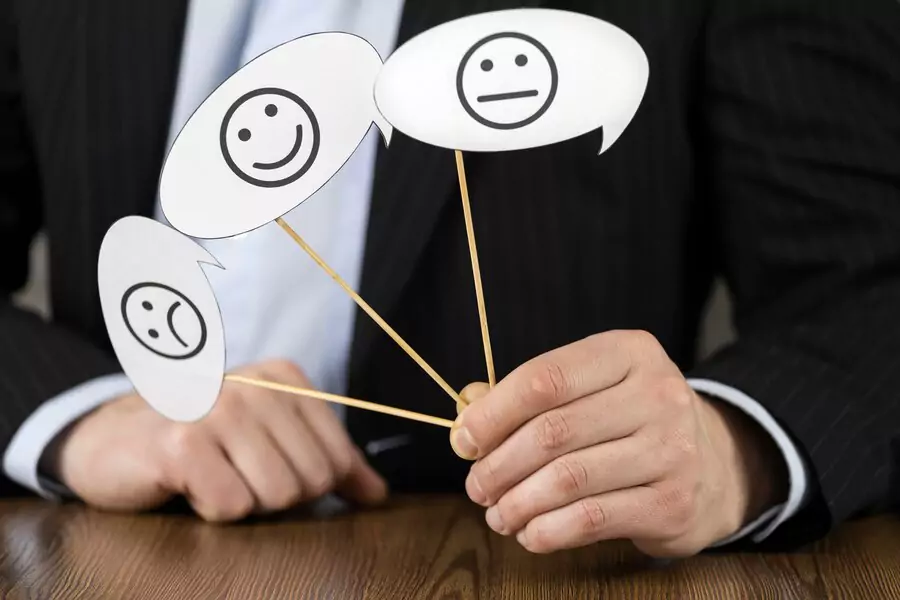
Cyclothymia is a mild but persistent mood disorder that causes frequent shifts between low-level depressive moods and hypomanic episodes, periods of elevated or irritable mood. Unlike bipolar disorder, these mood swings are less severe but can still interfere with daily life, relationships, and work.
Common Cyclothymia Symptoms
Cyclothymia symptoms can appear as subtle shifts in mood that are easy to overlook, yet they affect daily life, relationships, and overall emotional balance. Recognizing these patterns early is key to managing the condition effectively.
Emotional Highs
During hypomanic periods, people with cyclothymia may feel unusually cheerful, energetic, or irritable. They might talk more than usual, experience racing thoughts, or find it hard to concentrate because their mind is buzzing with excitement. While these highs are less intense than full-blown mania, they can still disrupt work, sleep, and decision-making.
Emotional Lows
Cyclothymia also brings periods of low mood, where individuals feel sad, hopeless, or emotionally drained. Common symptoms include fatigue, lack of motivation, and loss of interest in usual activities. Even though these lows are milder than major depression, they can slow daily functioning and make it harder to maintain consistency in work and personal life.
Cyclothymia symptoms often occur for at least two years and may appear less extreme than bipolar disorder, but still impact emotional stability.
Causes and Risk Factors of Cyclothymia
Understanding what contributes to cyclothymia helps in recognizing early signs and managing symptoms effectively. Both biological and environmental factors play a role in its development.
Biological and Emotional Factors
Cyclothymia may develop due to a mix of genetics, brain chemistry, and emotional sensitivity. People with a family history of mood disorders are at a higher risk. Emotional stress, trauma, or past adverse experiences can also contribute, influencing how the brain responds to emotional highs and lows.
Environmental Triggers
Daily life factors can trigger cyclothymia symptoms or worsen mood swings. Changes in routine, ongoing stress, sleep disruption, or high-pressure situations may all provoke fluctuations in mood. Even seemingly small triggers can have a significant impact, highlighting the importance of self-care and consistent routines.
Cyclothymia Diagnosis
Diagnosing cyclothymia involves a thorough evaluation by a mental health professional. Cyclothymia diagnosis typically includes reviewing long-term mood patterns, discussing emotional highs and lows, and ruling out other mood disorders. Because cyclothymia symptoms are milder than those of bipolar disorder, careful assessment and symptom tracking over time are essential for accurate diagnosis.
Cyclothymia Treatment and Management
Effective cyclothymia treatment focuses on managing mood fluctuations and improving overall emotional well-being. A combination of professional therapy, lifestyle adjustments, and supportive care can help individuals navigate highs and lows more confidently.
Therapy and Supportive Counseling
Psychotherapy is a cornerstone of cyclothymia treatment. Cognitive Behavioral Therapy (CBT) helps identify patterns that trigger emotional highs and lows and teaches strategies to manage them. Supportive counseling, including family or group therapy, provides guidance, reassurance, and practical tools to handle mood swings, creating a stronger support network.
Lifestyle and Emotional Support
Daily habits play a crucial role in managing cyclothymia. Maintaining regular sleep, balanced nutrition, consistent routines, and stress management practices can reduce the intensity of mood fluctuations. Emotional support from friends, family, or support groups also strengthens coping skills, helping individuals feel less isolated and more in control of their moods.
Living Well With Cyclothymia
While cyclothymia is a lifelong condition, people can lead fulfilling lives with proper care. Tracking mood patterns, adhering to treatment plans, practicing self-care, and seeking timely support empower individuals to manage symptoms effectively. With awareness, consistent care, and emotional support, living well with cyclothymia is entirely possible.
Frequently Asked Questions
Cyclothymia is a mild but persistent mood disorder characterized by frequent emotional highs and lows. Unlike bipolar disorder, these mood swings are less severe but can still affect daily life, work, and relationships.
Cyclothymia symptoms include periods of elevated mood, increased energy, racing thoughts, and difficulty focusing, as well as low mood, fatigue, hopelessness, and loss of interest in usual activities. These fluctuations typically persist over long periods, often for two years or more.
Cyclothymia diagnosis involves a thorough evaluation by a mental health professional. Doctors review long-term mood patterns, assess emotional highs and lows, and rule out other mood disorders to ensure accurate identification and proper treatment planning.
Cyclothymia may arise from a combination of genetic, biological, and emotional factors, including family history of mood disorders, brain chemistry imbalances, and past emotional stress or trauma. Environmental triggers, like irregular routines or prolonged stress, can also worsen symptoms.
Cyclothymia is not the same as bipolar disorder, though both involve mood swings. Cyclothymia is generally milder, with less extreme highs and lows, but it can still impact emotional stability and daily functioning if left unmanaged.
The most effective cyclothymia treatment combines psychotherapy, such as Cognitive Behavioral Therapy (CBT), supportive counseling, lifestyle adjustments, and emotional support. These approaches help manage mood fluctuations and improve overall well-being.
Yes. With proper treatment, self-care, and support, people with cyclothymia can lead fulfilling, stable lives. Tracking moods, following treatment plans, and maintaining healthy routines allow individuals to manage symptoms and thrive socially, professionally, and personally.
Book an Appointment with ProactMinds Today.
Prioritize your mental health. Take the first step towards wellness by booking an appointment with ProactMinds. Our expert team is ready to provide personalized support for your journey to well-being.