
Why a Mental Health Counselor Wants You to Read About OCD
Living with routines is normal. We all double-check the lock or re-read a message once in a while. But when those thoughts or behaviors take over your day, it’s worth asking a deeper question: What is obsessive compulsive disorder?
This guide is written to clear the fog around OCD and give you practical insights straight from a counselor’s perspective. The goal isn’t to overwhelm you with medical jargon; it’s to help you recognize the difference between harmless habits and patterns that may signal something more.
OCD vs. everyday habits explained by a mental health counselor
Think of it like this: checking if you switched off the stove once = habit. Checking it 10 times, feeling intense anxiety each time, and being unable to move on = a sign it could be OCD. A mental health counselor sees this difference every day and can help you understand whether your experiences fall within normal worry or the cycle of obsessive thoughts and compulsive behaviors.What you will learn in this guide
- A clear breakdown of what is obsessive compulsive disorder
- How OCD is diagnosed, including what axis is obsessive compulsive disorder and what is the diagnostic criteria for obsessive compulsive disorder
- Signs and symptoms to notice early
- Why treatment and counseling can make recovery possible
What Is Obsessive-Compulsive Disorder? A Mental Health Counselor Explains
At its core, obsessive-compulsive disorder (OCD) is more than being neat, tidy, or a “perfectionist.” It’s a mental health condition where people experience obsessions
Clinical definition of OCD
Obsessive-compulsive disorder (OCD) is a mental health condition where people experience obsessions (repeated, intrusive thoughts) and compulsions (rituals or behaviors to reduce distress). In older frameworks, people often asked what axis is obsessive compulsive disorder, but today OCD is understood as an anxiety-related disorder under DSM-5 criteria.Everyday examples shared by a mental health counselor
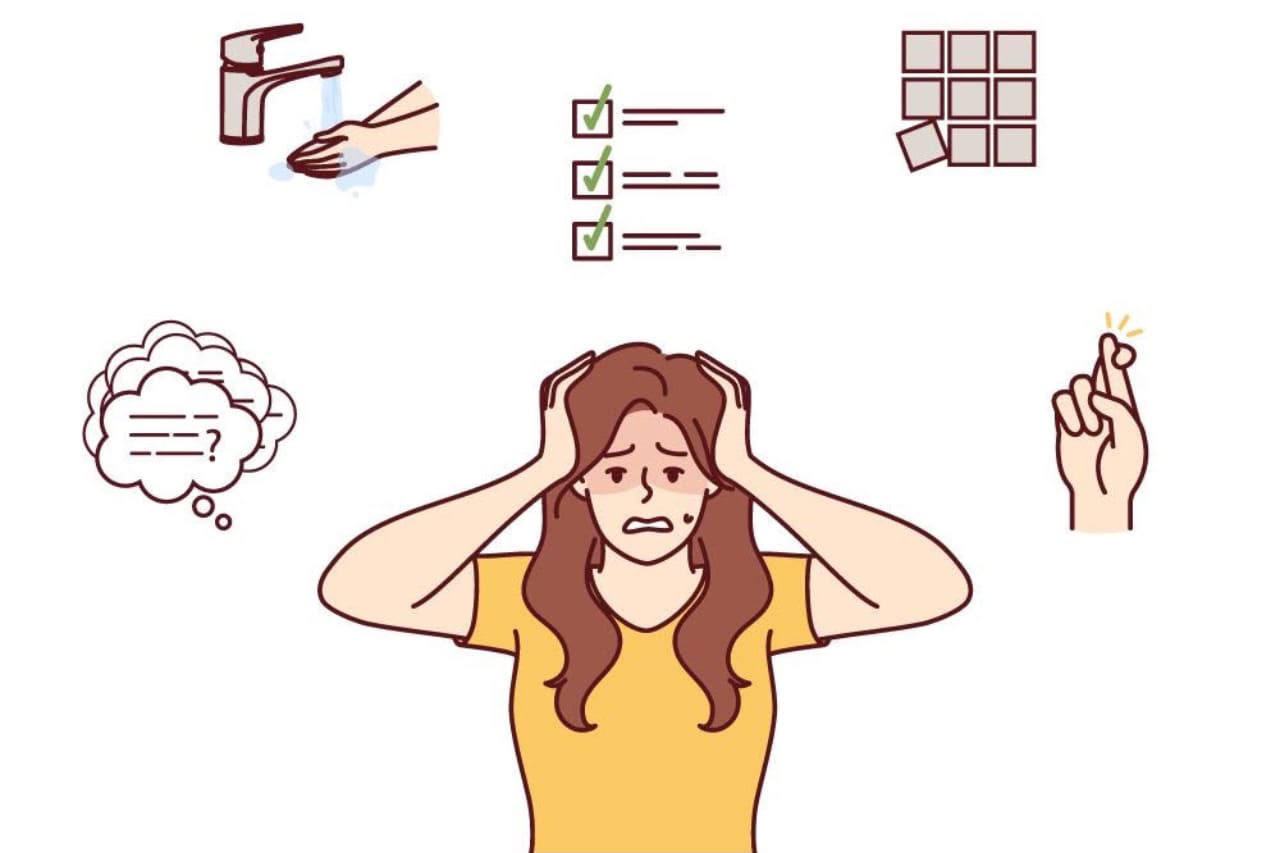
Imagine feeling the urge to wash your hands ten times because of a fear of contamination, or checking the door repeatedly even when you know it’s locked. These patterns show how what is obsessive compulsive disorder goes beyond habits, it disrupts daily life, and feels impossible to control without help.
Causes of OCD — Insights From a Mental Health Counselor
Understanding what is obsessive compulsive disorder also means looking at why it develops. A mental health counselor explains that OCD usually stems from a mix of biological, psychological, and environmental influences rather than a single cause.
Biological factors
Research suggests OCD can be linked to brain chemistry differences and genetics, with some families showing a higher risk.Psychological and environmental triggers
Stressful events, trauma, or learned behavior patterns may spark obsessive thoughts and compulsive actions.
Overlapping risk factors
Often, these factors overlap, biology, stress, and environment working together. That’s why professionals emphasize clear guidelines, such as what is the diagnostic criteria for obsessive compulsive disorder, when assessing symptoms.
Key Signs & Symptoms of OCD — A Mental Health Counselor’s Checklist
To fully understand what is obsessive compulsive disorder, it helps to see how obsessions and compulsions typically appear. A mental health counselor often explains them as patterns.
Common obsessions
- Fear of contamination or germs
- Intrusive doubts (doors locked, stove left on)
- Unwanted aggressive or taboo thoughts
- Extreme need for symmetry or exact order
Common compulsions
- Excessive cleaning or handwashing
- Repeated checking of locks, appliances, or belongings
- Arranging or counting objects in a specific way
- Repeating words, prayers, or actions until it “feels right”
Severity and red flags
When these behaviors take up more than an hour daily, disrupt work, studies, or relationships, or cause intense distress, they signal clinical OCD. At this stage, knowing what is the diagnostic criteria for obsessive compulsive disorder becomes essential for proper evaluation and treatment.
What Is the Diagnostic Criteria for Obsessive Compulsive Disorder?
To confirm OCD, professionals rely on clear rules laid out in the DSM-5. This helps separate it from ordinary stress or anxiety patterns.
DSM-5 criteria explained
The DSM-5 requires obsessions (unwanted thoughts) and/or compulsions (repetitive behaviors) that are excessive, take more than an hour a day, and disrupt daily life.Differential diagnosis tips
A counselor ensures symptoms are not better explained by anxiety disorders, phobias, or medical conditions. Earlier systems noted what axis obsessive-compulsive disorder is, but today OCD stands as its own category for precision.Intake questions a mental health counselor may ask
Typical questions include:
- When did symptoms begin?
- How often do rituals occur?
- Do they interfere with work, study, or relationships?
- What coping attempts have you made?
What Axis Is Obsessive Compulsive Disorder? Historical & Modern View
The way OCD has been classified has changed over time, shaping how counselors approach diagnosis and treatment.
DSM axis system overview
In older DSM editions, mental health conditions were organized into “axes.” People often ask, what axis is obsessive compulsive disorder? It was once placed under Axis I, which covered clinical disorders like depression, anxiety, and schizophrenia.Current diagnostic framework
Today, the DSM-5 no longer uses the axis system. Instead, OCD has its own category called Obsessive-Compulsive and Related Disorders. This modern approach helps mental health counselors provide more specific, evidence-based care rather than fitting OCD into a broad axis label.
Assessment & Treatment – Role of a Mental Health Counselor
Getting help for OCD starts with the right assessment and continues with therapies tailored to each person’s needs.
First assessment process
A mental health counselor begins with detailed interviews about obsessions, compulsions, duration, and their impact on daily life. Screening tools are often used to see if someone meets the diagnostic criteria for obsessive-compulsive disorder and to rule out other conditions.Evidence-based therapies
Counselors often use Cognitive Behavioral Therapy (CBT) and Exposure and Response Prevention (ERP). These structured methods help reduce intrusive thoughts and repetitive behaviors. A counselor’s role is to guide the process step by step, making treatment manageable.Referral to psychiatrists or specialists
If symptoms are severe or not improving, a counselor may refer to a psychiatrist for medication support. They may also involve specialists for co-occurring issues like depression or anxiety, ensuring care goes beyond therapy alone.
Treatment Options & Self-Help Steps
OCD can feel overwhelming, but treatment works. A mix of therapy, medication, and daily self-help often gives the best results.
Cognitive behavioral therapy (ERP)
The gold standard is Cognitive Behavioral Therapy, especially Exposure and Response Prevention (ERP). This approach helps people face triggers gradually while resisting compulsive rituals. Over time, it reduces anxiety and teaches healthier coping.Medication management
When symptoms are severe, psychiatrists may prescribe medications such as SSRIs. While a mental health counselor doesn’t prescribe, they coordinate care with doctors to ensure therapy and medication work together.Practical self-care tips
Simple steps, like regular exercise, mindfulness, good sleep, and journaling, can make therapy more effective. Counselors often suggest tracking progress and practicing small exposures daily to stay consistent outside sessions.
When to See a Mental Health Counselor
Knowing when to reach out can make all the difference in recovery.
Urgent warning signs
Seek help quickly if OCD thoughts or rituals consume hours daily, disrupt work or relationships, or trigger panic and shame. If you ever feel unsafe, emergency care may be necessary.Preparing for the first session
Bring notes about symptoms, triggers, and questions. This helps the mental health counselor understand your situation faster and start planning effective treatment.
Supporting Someone With OCD — Advice From a Mental Health Counselor
Family, friends, and colleagues play a vital role in recovery.
Tips for family members
Avoid enabling rituals, but show empathy. Encourage therapy, celebrate small wins, and learn about what is obsessive compulsive disorder to better understand their struggles.Workplace support
Employers can offer flexibility, quiet spaces, or check-ins. A supportive environment reduces stigma and helps employees manage OCD while staying productive.
Sources & Further Reading Recommended by a Mental Health Counselor
Reliable resources help deepen awareness beyond sessions.
Key clinical resources
Trusted mental health sources explain what is the diagnostic criteria for obsessive compulsive disorder in clear and simple language. These resources help individuals and families understand OCD better and feel more confident about seeking help.Patient support groups
Global and local OCD support groups offer peer connection, coping strategies, and a sense of belonging. They remind people that recovery is possible.
Conclusion — Final Notes From a Mental Health Counselor
OCD involves recurring obsessions and compulsions, but OCD Treatment includes early diagnosis and evidence-based treatment make a huge difference. Knowing what axis is obsessive compulsive disorder and how it’s now classified helps remove old stigma and guides better care.
If you or someone you know shows symptoms, don’t delay. A licensed mental health counselor can guide you toward therapies, resources, and support that make life manageable again.
Frequently Asked Questions
OCD is a mental health condition where people experience obsessions (repetitive, intrusive thoughts) and compulsions (rituals to reduce distress). Counselors focus on patterns that interfere with daily life, not ordinary habits.
Historically, OCD was classified under Axis I in older DSM editions. Today, it’s categorized separately under Obsessive-Compulsive and Related Disorders for precise diagnosis and treatment.
A counselor uses DSM-5 guidelines: obsessions and/or compulsions must be time-consuming (over an hour/day) and cause significant distress or impairment. They assess onset, triggers, frequency, and impact on daily life.
Common signs include repeated cleaning, checking, ordering objects, intrusive thoughts, and distress when rituals are interrupted. Severity, frequency, and disruption to daily life are key indicators.
Causes are multifactorial: genetics, brain chemistry, stressful events, trauma, and environmental factors often interact to trigger symptoms.
Counselors evaluate whether behaviors are excessive, distressing, and time-consuming. Ordinary habits are flexible, while OCD rituals feel uncontrollable.
Cognitive Behavioral Therapy (CBT), especially Exposure and Response Prevention (ERP), relaxation techniques, and coordination with psychiatrists for medication if needed.
Seek help when obsessions or compulsions disrupt daily life, cause anxiety, or take up significant time. Early intervention improves outcomes.
Yes. Counselors use age-appropriate CBT, ERP, and family-based approaches to help children manage symptoms effectively.
Show empathy, avoid enabling rituals, encourage therapy, and celebrate small progress. A supportive environment enhances treatment success.