What Is Fear?
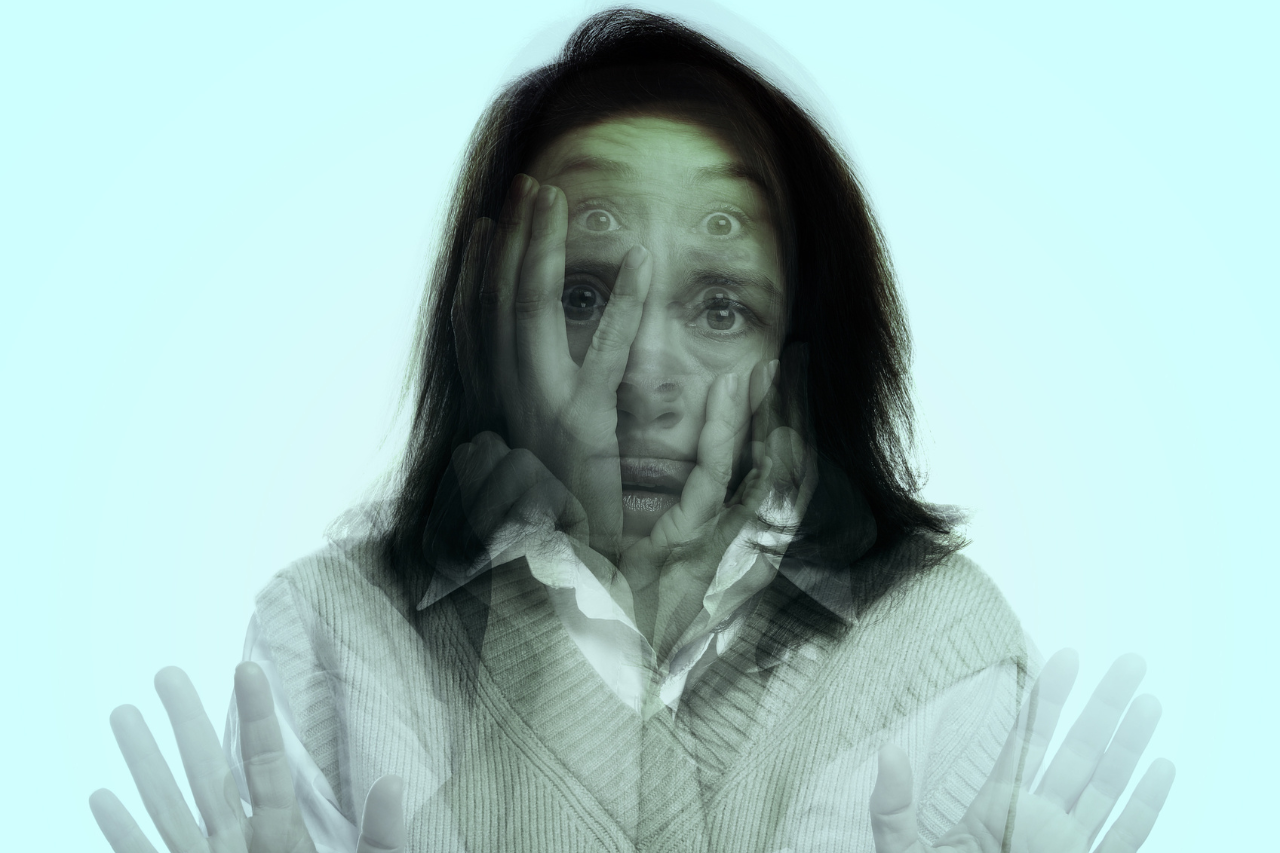
Fear is the body’s natural defense mechanism designed to keep us safe. It’s a normal, temporary reaction that helps us respond to danger, an important part of our survival instinct.
Why We Feel Fear – How the Brain Responds to Danger
When faced with a potential threat, the brain’s amygdala sends signals to release stress hormones like adrenaline and cortisol. This triggers the body’s “fight, flight, or freeze” mode, preparing us to handle the situation. The response is quick, instinctive, and usually fades once the danger is over; unlike phobias, which persist even without real risk.
Common Examples of Everyday Fears
Fear can appear in many ordinary moments, such as before an exam, during turbulence on a flight, or when walking alone at night. These experiences make us cautious, but do not stop us from living our lives. This shows what is the difference between fear and phobia as fear fades when safety returns, while phobias linger and can disrupt daily functioning.
What Is a Phobia?
A phobia is an extreme and persistent form of fear that feels impossible to control. It goes beyond a normal reaction and often disrupts daily life, helping us understand the difference between fear and phobia more clearly.
Types of Phobias (Specific, Social, Agoraphobia)
Phobias are grouped into three main types based on what triggers them. Specific types of phobias involve fear of particular things such as animals, needles, or heights. Social phobia revolves around the fear of being judged or humiliated in public situations. Agoraphobia makes people afraid of places where escape might be difficult, like open or crowded spaces.
Physical and Emotional Symptoms of Phobias
Phobias trigger both physical and emotional distress that goes far beyond ordinary fear. Common signs include a racing heart, sweating, trembling, and shortness of breath. Emotionally, people may feel panic, helplessness, or dread even when they know the fear is irrational. This intense reaction highlights what is the difference between fear and phobia, as phobias persist even without real danger.
Examples of Common Phobias People Struggle With
Many people live with phobias that affect their routines and choices. Fear of heights (acrophobia), confined spaces (claustrophobia), and flying (aviophobia) are among the most common. Some may even fear harmless things like butterflies or clowns. These examples show how the difference between fear and phobia lies in intensity and loss of control.
What Is the Difference Between Fear and Phobia?
While fear is a normal reaction that helps us stay safe, a phobia is an intense and irrational fear that limits how we live.
Intensity and Impact on Daily Life
Fear usually passes once the threat is gone, while a phobia can take control of daily activities. A person with a phobia might avoid certain places or situations altogether. This level of distress shows the difference between fear and phobia; phobias interfere with functioning, while fear motivates protective action.
Avoidance Behaviors and Loss of Control
People with phobias often feel powerless over their reactions. They may go to great lengths to avoid what they fear, even if it affects work, relationships, or routines. This avoidance highlights the difference between fear and phobia, as normal fear rarely causes a person to change how they live.
Fear vs Phobia Comparison Table
Aspect | Fear | Phobia |
Definition | A natural response to a real or perceived threat | An irrational and excessive fear of a specific object or situation |
Duration | Temporary and fades after the threat passes | Long-lasting and triggered even without real danger |
Control | Usually manageable | Often feels uncontrollable |
Impact on Life | Rarely disrupts daily activities | It can severely affect normal routines and choices |
Treatment Need | May not require treatment | Often requires therapy or professional help |
What Causes a Phobia to Develop?
Phobias can develop from a mix of genetics, past experiences, and brain chemistry.
Genetic and Biological Factors
Some people are more prone to developing phobias due to inherited traits or a family history of anxiety. Genetics can influence how the brain processes fear and stress. This makes certain individuals more likely to experience uncontrollable reactions compared to normal fear responses.
Trauma and Learned Behavioral Responses
Phobias can also develop after a traumatic or negative experience, like being bitten by a dog or getting trapped in a small space. The mind learns to associate that object or situation with danger, even when it’s no longer threatening. Over time, this learned fear becomes automatic and irrational.
Brain Chemistry and Anxiety Disorders
Imbalances in brain chemicals like serotonin and dopamine may contribute to phobic reactions. These imbalances can make the brain overreact to perceived threats. It shows how biology plays a key role in what is the difference between fear and phobia, turning fear into a chronic anxiety response.
When Should You Seek Help for a Phobia?
It’s normal to feel afraid sometimes, but ongoing, overwhelming fear may signal a deeper issue. Recognizing when to seek help is crucial.
Warning Signs: It’s More Than Normal Fear
If your fear feels uncontrollable, leads to panic attacks, or interferes with your routine, it could be a phobia. Avoiding places or situations out of fear is another sign. When fear starts dictating your choices, professional help may be needed to regain balance.
Importance of Early Intervention for Mental Well-Being
Getting help early can prevent phobias from worsening and improve quality of life. Therapy and counseling can teach coping mechanisms and reduce anxiety responses. Understanding what is the difference between fear and phobia allows people to identify symptoms and seek timely support.
Self-Help Tips to Manage Fears and Reduce Anxiety
While therapy is often needed for severe phobias, some steps can help manage mild fears. Relaxation techniques, mindfulness, and gradual exposure can reduce anxiety and build confidence over time. Recognizing the difference between fear and phobia is the first step toward overcoming both.
Frequently Asked Questions
Fear is a natural emotion that helps us respond to danger, while a phobia is an intense, irrational fear that disrupts daily life. In simple words, the difference between fear and phobia is that fear protects you, but phobia controls you.
If your fear feels extreme, causes panic disorder, or makes you avoid certain situations altogether, it may have turned into a phobia. Normal fear fades with time, but phobias stay constant and interfere with everyday functioning.
Yes, phobias are classified as anxiety disorders. They involve intense fear and physical symptoms like sweating, dizziness, or rapid heartbeat. Understanding what is the difference between fear and phobia helps identify phobias as part of the anxiety spectrum.
Phobias can develop from traumatic experiences, genetic factors, or learned behaviors. Sometimes, simply watching someone else react fearfully can trigger a long-term phobia. Over time, these patterns reinforce the fear response in the brain.
Yes, many phobias can be treated effectively through therapy and coping techniques. Cognitive-behavioral therapy (CBT), gradual exposure, and relaxation exercises help reduce anxiety. Medication is only recommended in severe or treatment-resistant cases.
You should seek professional help if your fear interferes with work, relationships, or personal growth. Early treatment can prevent the phobia from worsening and improve mental well-being.
Mild fears may fade, but phobias rarely go away without help. Professional therapy and support can help you manage symptoms and regain control. Knowing what is the difference between fear and phobia makes it easier to decide when to seek treatment.