What Is Anxiety? – Meaning & Common Triggers
Anxiety is a constant feeling of worry, nervousness, or unease about everyday situations. It builds up over time and is often linked to stress, fear, or overthinking. Understanding anxiety vs panic attack helps differentiate long-term stress from sudden emotional surges.
Anxiety Symptoms – How It Shows Up in Daily Life
Common anxiety symptoms include restlessness, muscle tension, difficulty concentrating, and a constant sense of dread. Unlike panic attacks, anxiety develops gradually and lasts longer. People often feel “on edge” rather than terrified. Recognizing these anxiety vs panic attack symptoms helps in early intervention.
What Causes Anxiety? – Stress, Fears & Underlying Issues
Anxiety can stem from ongoing stress, unresolved fears, traumatic experiences, or even genetic factors. Life pressures like work, relationships, and finances add to the tension. Understanding these causes helps distinguish anxiety vs panic attack triggers and tailor treatment.
How Long Does Anxiety Last? – Gradual Build-Up
Anxiety symptoms can persist for days, weeks, or even months, depending on the person and situation. It’s a slow, ongoing process rather than a sudden spike. Managing anxiety often requires consistent therapy, lifestyle changes, and relaxation techniques to prevent escalation.
What Is a Panic Attack? – Sudden Overwhelming Fear
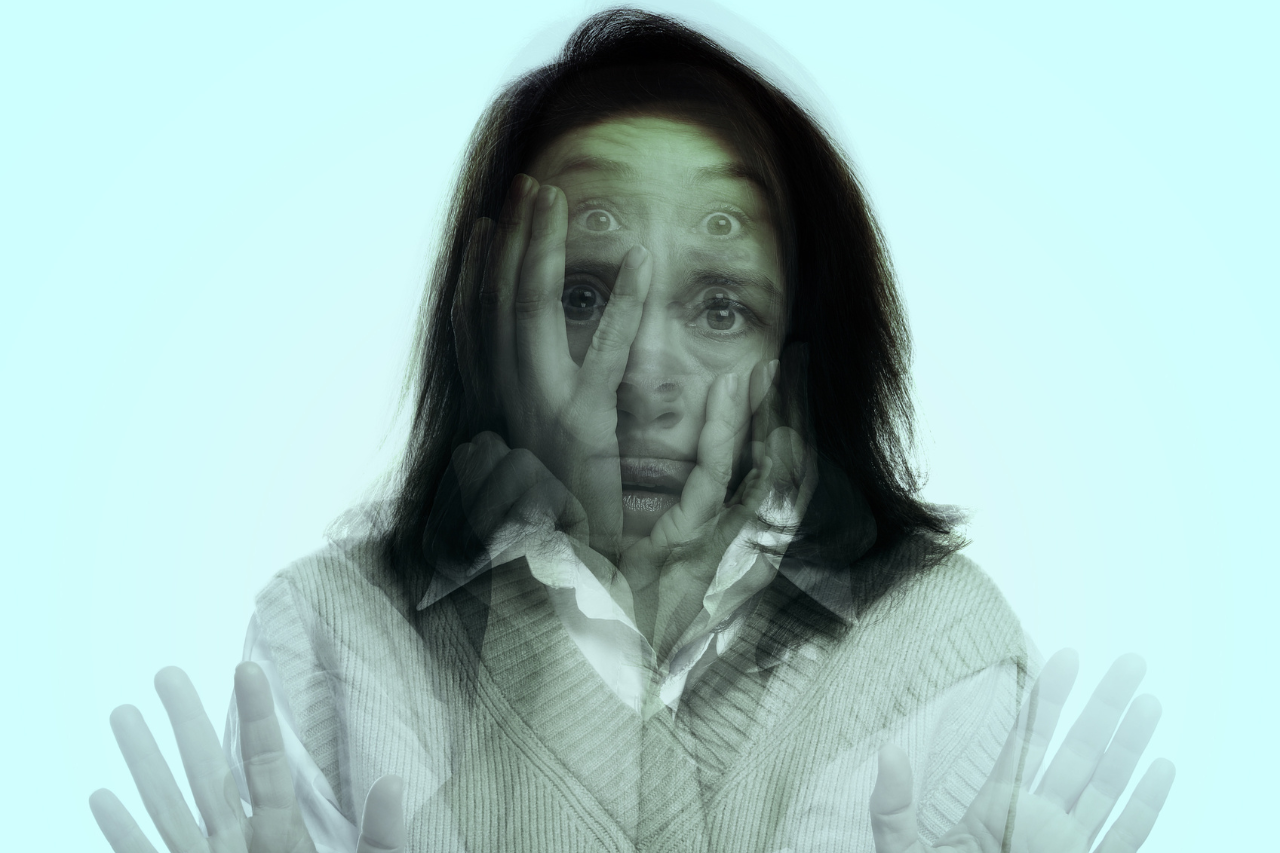
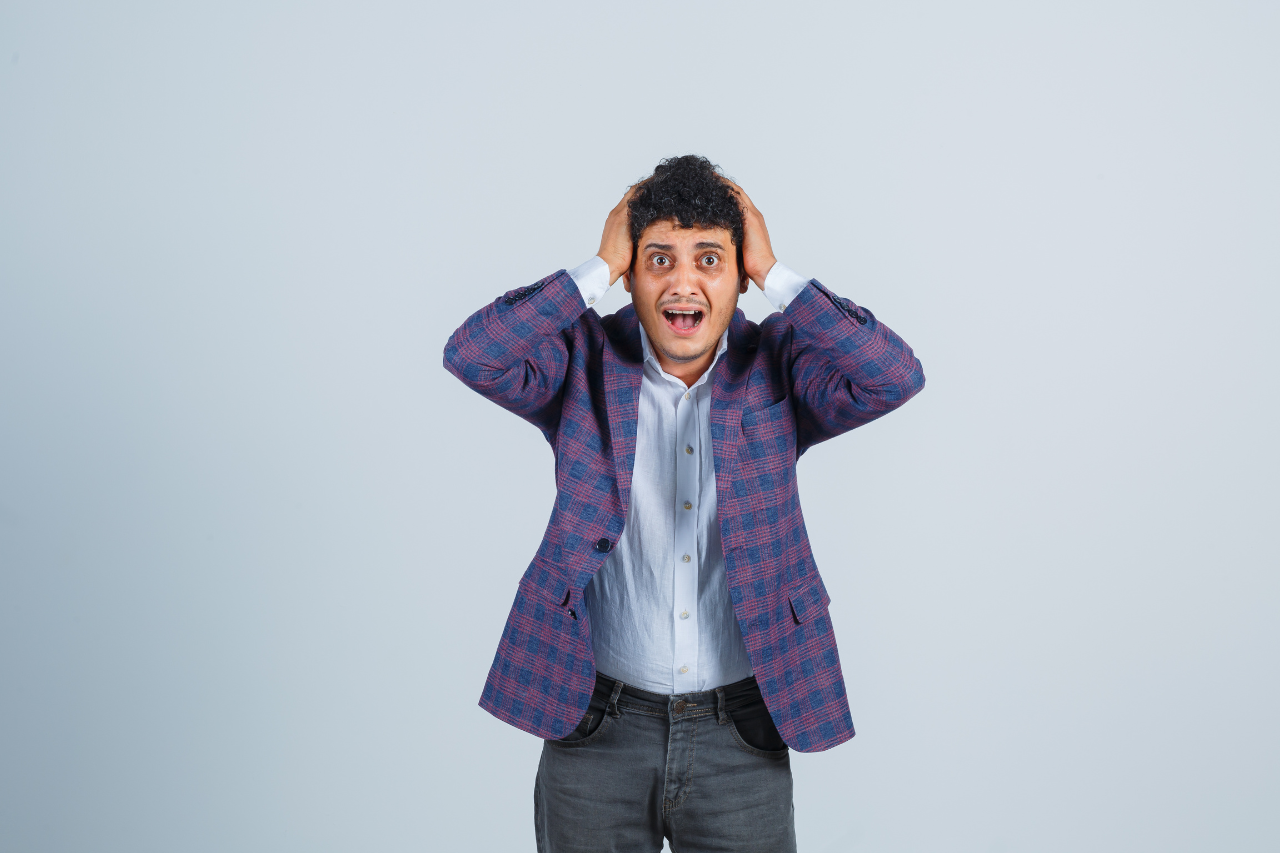
A panic attack is a sudden surge of intense fear or discomfort that peaks within minutes. Unlike anxiety, it comes without warning and can feel like losing control. Understanding panic attack vs anxiety attack symptoms is key to identifying the difference.
Panic Attack Symptoms – Intense Physical Reactions
Panic attack symptoms include chest pain, rapid heartbeat, shortness of breath, dizziness, and sweating. Many mistake it for a heart attack due to its intensity. These physical symptoms appear abruptly and can be extremely frightening, making panic attacks distinct from everyday anxiety
What Causes Panic Attacks? – Brain’s Alarm System Misfire
Panic attacks occur when the brain’s fear center, the amygdala, overreacts to perceived danger. Triggers include genetics, chronic stress, or past trauma. This “false alarm” creates physical sensations that heighten fear, explaining the link between anxiety vs panic attack symptoms.
How Long Do Panic Attacks Last? – Short but Severe Episodes
Most panic attacks peak within 10 minutes and fade within 20–30 minutes, though exhaustion can linger. Unlike long-lasting anxiety, they strike fast and pass quickly. Understanding their short duration helps people manage fear and seek timely anxiety attack vs panic attack treatment.
Anxiety vs Panic Attack Symptoms – Understanding the Differences
Knowing the difference between anxiety vs panic attack symptoms helps identify the right treatment and coping methods. The key lies in their timing, intensity, and triggers.
Emotional Differences – Worry vs Sudden Terror
Anxiety often brings ongoing worry and tension, while panic attacks strike with sudden, intense fear. People with anxiety may anticipate danger, whereas panic attacks create a feeling of losing control. Understanding these emotional contrasts helps in managing panic attack vs anxiety attack symptoms effectively.
Physical Symptom Differences – Severity & Onset Time
Anxiety symptoms develop gradually, showing as muscle tension, restlessness, or fatigue. Panic attacks, on the other hand, appear suddenly with chest pain, rapid heartbeat, or shortness of breath. The difference between anxiety vs panic attack symptoms lies in how abruptly and severely they appear.
Duration & Triggers – Predictable vs Unexpected
Anxiety often arises from ongoing stress or worries and can last for days or weeks. Panic attacks, however, occur unexpectedly and peak within minutes. Recognizing these differences in duration and triggers helps doctors assess panic attack vs anxiety attack symptoms more accurately.
Panic Attack vs Anxiety Attack Diagnosis – How Doctors Identify Them
Doctors diagnose these conditions based on timing, triggers, and severity of symptoms. Clinical evaluations and mental health screenings play a vital role.
Clinical Criteria for Panic Disorder
Panic disorder is diagnosed when a person experiences frequent, unexpected panic attacks with intense fear and physical symptoms. Doctors rule out medical conditions like heart issues before confirming a diagnosis. Identifying panic attack vs anxiety attack symptoms ensures proper treatment
Assessment Tools for Anxiety Disorders
Anxiety disorders are evaluated using self-report questionnaires and clinical interviews. Professionals assess the duration and intensity of anxiety vs panic attack symptoms to determine the correct diagnosis. Tools like GAD-7 help track anxiety severity over time
When to Seek Professional Help
If anxiety or panic episodes disrupt your sleep, work, or relationships, it’s time to consult a therapist or psychiatrist. Early diagnosis helps prevent worsening of panic attacks and chronic anxiety. Seeking help also improves treatment outcomes.
Possible Complications if Untreated – Why Early Help Matters
Ignoring symptoms can lead to long-term emotional and physical health problems. Both anxiety and panic attacks can grow more severe without timely care.
Impact on Work, Relationships & Daily Activities
Untreated anxiety and panic attacks can reduce concentration, productivity, and emotional stability. They may also strain relationships due to irritability or fear of social situations. Recognizing anxiety vs panic attack symptoms early helps protect daily functioning.
Increased Risk of Depression & Substance Use
People with chronic anxiety or panic disorder often face a higher risk of depression or alcohol use. These issues arise as coping mechanisms when help isn’t sought early. Identifying and addressing panic attack vs anxiety attack symptoms prevents further complications.
How to Help Someone During a Panic Attack or Anxiety Episode
Providing calm and reassurance can make a huge difference. Understanding what to do in these moments helps prevent escalation of symptoms.
Staying Calm & Offering Support
Stay composed, speak gently, and remind the person that they are safe. Encourage slow, steady breathing and avoid judgment. Support during anxiety vs panic attack episodes helps the person feel grounded and understood.
Grounding Techniques for Immediate Relief
Simple grounding methods like the 5-4-3-2-1 sensory technique or deep breathing can help calm the mind. Encourage focusing on the present to reduce panic and anxiety intensity. These techniques ease both anxiety attack and panic attack symptoms effectively.
Frequently Asked Questions
Anxiety builds up gradually due to ongoing stress or worry, while a panic attack happens suddenly with intense fear. Panic attacks feel more physical and overwhelming compared to anxiety.
Anxiety symptoms include restlessness, muscle tension, and irritability. Panic attack symptoms involve rapid heartbeat, sweating, chest pain, and a feeling of losing control.
Anxiety can last for hours or days, depending on stress levels. Panic attacks peak within minutes but can leave fatigue and fear afterward.
Anxiety is usually caused by ongoing stress, fears, or overthinking. Panic attacks often result from sudden stress, hormonal imbalances, or a misfire in the body’s “fight or flight” system.
Try slow breathing, grounding exercises, and focusing on the present. Reducing caffeine and practicing mindfulness can also calm anxiety symptoms quickly.
Cognitive Behavioral Therapy (CBT) and relaxation techniques are highly effective. In severe cases, doctors may prescribe medication to manage panic or anxiety attack symptoms.
Yes. If chronic anxiety is ignored, it may trigger panic attacks over time. Early therapy helps prevent this progression and improves emotional health.
Absolutely. Frequent panic attacks may indicate panic disorder or severe anxiety. A mental health professional can help identify causes and suggest proper treatment.
Yes, panic attacks can occur as part of an anxiety disorder. However, not everyone with anxiety experiences panic attacks.
Yes. Regular exercise, balanced sleep, healthy eating, and limiting caffeine or alcohol can reduce both anxiety and panic attack symptoms over time.