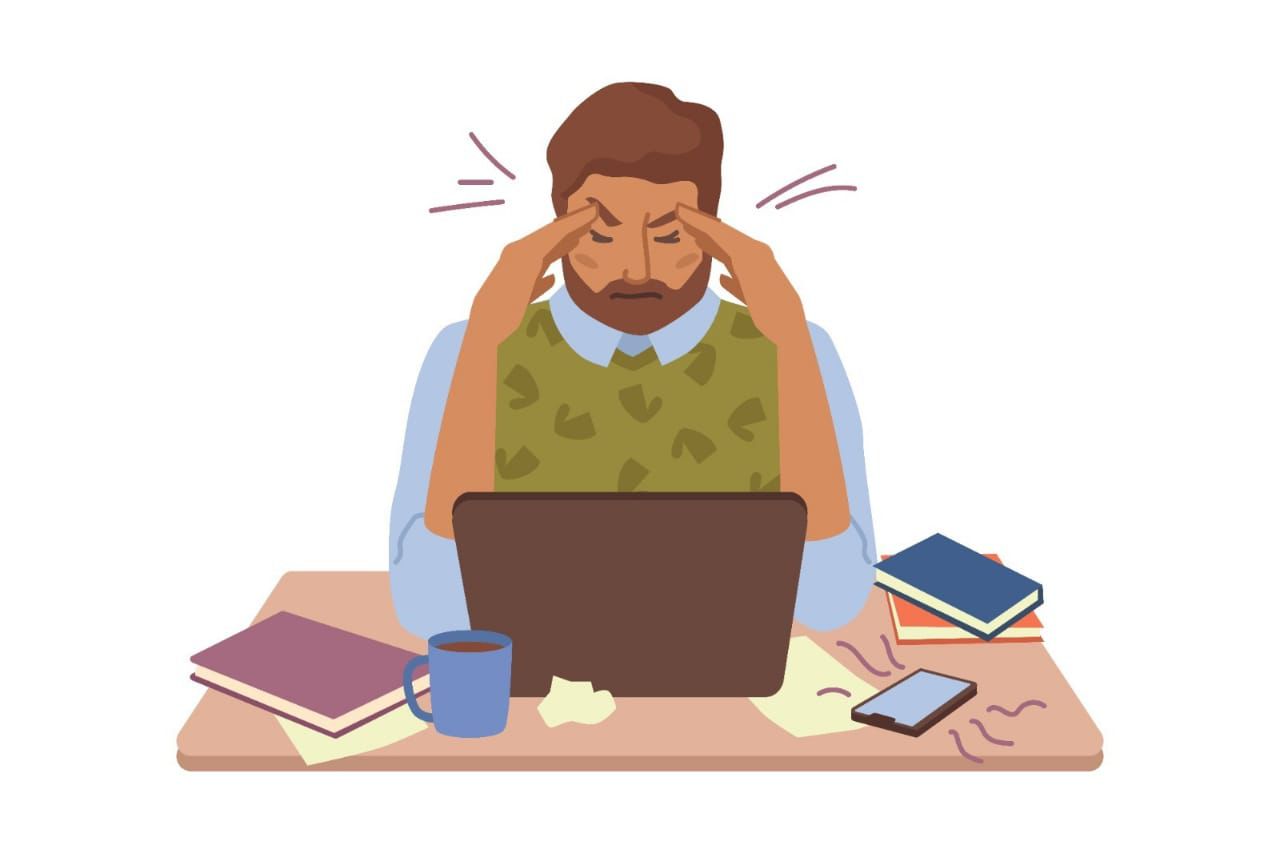
Understanding Mental Health in the Workplace
A person’s mood, thoughts, and interactions at work shape how they feel during the day. When energy runs low or tasks pile up, coping becomes harder without support around them. Handling duties smoothly often depends on inner balance alongside outside conditions. How someone connects with others affects focus just as much as the workload does.
What Does Mental Health in the Workplace Really Mean?
What workers think about their job shapes mental health at work. Feelings matter just as much as tasks on a list. When pressure builds, handling it well keeps emotions steady. Some offices make people feel safe simply by listening more. Being seen for who you are counts more than extra meetings. Stability grows where respect shows up daily.
Common Mental Health Challenges Faced by Employees Today
Heavy pressure at work shows up as stress, worry, or complete exhaustion. Too much time spent on tasks, tough goals to hit, yet little help around – these pile up slowly. A person might start doubting their ability, feel distracted easily, lose interest in what they do. Energy fades when nothing feels balanced.
Importance of Mental Health in the Workplace (Why It Truly Matters)
The importance of mental health in the workplace goes beyond individual well-being and impacts the organisation as a whole. When mental well-being is prioritised, employees perform better and feel more connected to their work.
How Mental Wellbeing Impacts Productivity and Performance
Good mental health in the workplace helps employees keep people sharp, driven, one step ahead. Support emotional balance and output rises – ideas flow better, challenges get solved smoother. On the flip side, when inner struggles go unnoticed, attendance slips, mistakes pile up, quality dips.
The Link Between Workplace Mental Health and Employee Retention
Employees are more likely to remain in organisations that actively support mental health in the workplace. A caring and understanding environment builds trust and loyalty among employees. This clearly shows how to improve mental health in the workplace while reducing turnover.
Mental Health, Workplace Culture, and Business Success
A healthy workplace culture encourages open conversations about mental health in the workplace. Employees feel safe expressing concerns without fear of judgement or stigma. This strengthens teamwork, morale, and long-term business success.
Also Read: What Can a Mental Health Counselor Really Do for Your Well-Being
Mental Health Awareness in the Workplace
Mental health awareness in the workplace helps employees recognise emotional challenges early and seek support. It creates empathy, understanding, and a more inclusive work environment.
Why Mental Health Awareness in the Workplace Is Essential
When people know more about mental health awareness in the workplace, misunderstandings fade. Speaking out feels easier for staff who struggle. Getting support becomes a normal thing, not something feared. Organisations start seeing patterns they once missed. Help arrives before problems grow large.
Clarity replaces guesswork in handling tough situations. Helps organisations understand how to address mental health in the workplace effectively.
Breaking Stigma Around Mental Health at Work
Stigma often prevents open discussions about mental health in the workplace. Promoting mental health awareness in the workplace helps normalise these conversations. This leads to healthier communication and improved emotional wellbeing at work.
Role of Leadership in Promoting Mental Health Awareness
Leadership plays a crucial role in promoting mental health awareness in the workplace. When leaders show empathy and understanding, employees feel more comfortable opening up. This sets an example of how to manage mental health in the workplace.
Signs of Poor Mental Health in the Workplace (What to Watch For)
Signs of poor mental health in the workplace often appear gradually and should not be ignored. Early recognition helps provide support before issues become more serious.
Emotional and Behavioral Warning Signs in Employees
Changes in mood, withdrawal from colleagues, or increased irritability can signal declining mental health in the workplace. Employees may appear disengaged or emotionally overwhelmed. These warning signs often indicate underlying mental health concerns.
Work-Related Stress and Burnout Indicators
Ongoing fatigue, lack of motivation, and reduced productivity are common signs of burnout. Chronic stress negatively affects mental health in the workplace over time. Identifying these indicators early helps prevent long-term emotional exhaustion.
When Workplace Stress Becomes a Mental Health Concern
Occasional work stress is normal, but persistent pressure can harm mental well-being. When stress continues without relief, it may lead to anxiety or depression. Knowing how to manage mental health in the workplace allows for timely and supportive intervention.
How to Improve Mental Health in the Workplace (Practical Strategies)
Improving mental health in the workplace requires everyday actions, not just policies on paper. Small changes in environment, communication, and flexibility can make a meaningful difference to employee wellbeing.
Creating a Healthy Work Environment That Supports Mental Well-being
Starting strong begins with a calm workspace, one where tension fades naturally. A healthy work environment supports mental health in the workplace by reducing unnecessary stress and pressure. Picture daily tasks fitting neatly into hours, without rush piling up. Expectations spelled out clearly keep confusion away. Work that matches capacity means less strain on minds. Respect between people builds quiet confidence over time.
Support shown regularly makes showing up feel worthwhile. Motivation grows when pressure drops. Staying focused becomes easier when the air feels light.
Encouraging Work-Life Balance and Flexibility
Work-life balance plays a major role in how to improve mental health in the workplace. Flexible hours, realistic deadlines, and time off help employees recharge mentally. These practices reduce burnout and create a healthier relationship with work.
Promoting Open Communication and Psychological Safety
Open communication strengthens mental health in the workplace by allowing employees to express concerns without fear. Psychological safety helps people speak honestly about stress, workload, or emotional struggles. This openness builds trust and prevents issues from escalating.
Employee Wellness Programs and Mental Health Resources
Wellness programs provide practical support for mental health in the workplace. Access to counselling, workshops, or stress management resources encourages proactive care. These initiatives also signal that mental well-being is a genuine organisational priority.
How to Manage Mental Health in the Workplace (Employer & Employee Roles)
Managing mental health in the workplace is a shared responsibility between employers and employees. When both sides play their role, a supportive and balanced work culture becomes possible.
How Employers Can Manage Mental Health in the Workplace
Employers can promote mental health in the workplace by setting supportive policies and creating realistic expectations. Frequent check-ins, mental health training sessions and accessing resources helps employees feel cared for – leadership involvement can contribute immensely in maintaining long-term mental wellbeing.
How Employees Can Protect and Manage Their Mental Health at Work
Employees can manage their mental health in the workplace by setting boundaries and recognising early stress signs. Taking breaks, seeking support, and communicating concerns help maintain emotional balance. Self-awareness plays a crucial role in mental well-being at work.
Supporting Team Members Struggling with Mental Health Issues
Supporting colleagues improves overall mental health in the workplace. Listening without judgement and showing empathy can make a big difference. Encouraging professional help when needed also creates a culture of care and understanding.
How to Address Mental Health in the Workplace (Policies & Action Plans)
Addressing mental health in the workplace requires clear guidelines and consistent action. Well-defined policies help organisations respond effectively to mental health concerns.
Developing Workplace Mental Health Policies
Mental health policies provide a structured way of handling emotional well-being at work. By outlining support options, leave policies, and escalation procedures, these policies demonstrate to employees that mental health in the workplace is taken seriously.
Training Managers to Handle Mental Health Conversations
When someone struggles at work, a manager might be the first to notice. Because they see team dynamics up close, learning how to listen matters. With practice, reactions become calmer, more thoughtful. Instead of guessing what to say, there’s a clearer way forward. Over time, conversations feel less awkward, more human.
Understanding shifts from assumption to awareness. This training supports healthier communication and better management of mental health in the workplace.
Creating Clear Support Systems and Escalation Processes
Clear support systems help employees know where to seek help. Defined escalation processes ensure timely support without confusion. These systems make it easier to address mental health in the workplace proactively.
Legal and Ethical Responsibilities Around Mental Health at Work
Mental health in the workplace also involves legal and ethical responsibilities. Employers must ensure a safe, respectful, and supportive work environment.
Employer Duty of Care for Mental Health in the Workplace
Employers have a duty of care to protect mental health in the workplace. A job should feel safe inside the mind, not just around the body. Spotting what wears people down matters as much as fixing broken tools. Support shows up when someone listens without waiting to talk. When pressure gets cut before it piles high, fewer minds fray at the edges. Trust grows where effort meets respect, not silence.
Confidentiality, Trust, and Ethical Considerations
When it comes to mental health at work, keeping things private matters a great deal. Workers need to know their details won’t be shared without permission. How these situations are managed says a lot about integrity. Trust grows stronger when people see honesty in action. Openness often follows when employees believe they’re safe.
Creating a Long-Term Mental Health Strategy in the Workplace
A long-term approach ensures mental health in the workplace remains a priority. Sustainable strategies focus on growth, learning, and continuous support.
Measuring the Effectiveness of Mental Health Initiatives
Measuring outcomes helps shed light on what’s working well and where improvements should be made, including feedback, engagement levels and well-being indicators that offer insights. Evaluating mental health in the workplace is for smarter decision-making.
Continuous Improvement of Workplace Mental Health Programs
Workplace needs evolve over time, and mental health professionals and programs should evolve too. Regular updates ensure relevance and effectiveness. Continuous improvement strengthens long-term mental well-being and organisational resilience.
Frequently Asked Questions
Mental health in the workplace refers to an employee’s emotional, psychological, and social well-being while at work. It influences how individuals handle stress, communicate with colleagues, and perform their daily responsibilities.
Finding it easier to talk about stress at work often begins when people notice signs sooner. A space where asking for help feels safe tends to grow once silence breaks. Judgment fades as understanding grows between coworkers. Honest chats about feelings become normal when acceptance leads. Mental health awareness in the workplace helps employees recognise challenges early and seek support without fear.
Common mental health issues in the workplace include stress, anxiety, burnout, and depression. High workloads, lack of work-life balance, and poor support systems often contribute to these challenges.
Employers can improve mental health in the workplace by promoting work-life balance, offering flexibility, and providing access to mental health resources. Creating a supportive culture and encouraging open communication also makes a significant difference.
Employees can maintain good mental health in the workplace by setting healthy boundaries, taking regular breaks, and seeking support when needed. Staying aware of stress triggers early can also help ensure emotional well-being is maintained.
Mental health in the workplace should be addressed with empathy, respect, and confidentiality. Fair treatment matters when emotions come into play at work. Clear rules help people feel safe sharing what they carry inside. Support shows up in different ways, yet one common path leads to trained listeners who know how to respond. Trust grows only when private moments stay protected. Knowing where to turn makes a difference, especially when the weight feels too heavy alone.
A person might feel tired all the time, even after rest. Moods can shift without clear reason. Some start keeping distance from coworkers, avoiding chats or meetings. Work slows down, tasks take longer than before. Stress builds quietly, showing up in these ways. Feelings get heavy, harder to manage each day.
Mental health in the workplace directly affects focus, motivation, and efficiency. Poor well-being may result in absenteeism and errors while good mental health enables consistent performance and creativity. .
Managers play a key role in supporting mental health in the workplace by recognising early signs and encouraging open dialogue. Their response and attitude can greatly influence how safe employees feel seeking help.
Yes, employers have a legal and ethical responsibility to protect mental health in the workplace. Fair treatment at work starts when bosses take mental well-being seriously. A space free from harm isn’t just about physical safety - it means cutting down avoidable pressure too. Responsibility lands on company leaders to act wisely and fairly. Steps that make sense often prevent bigger issues later. Looking after people mentally is part of doing right by them.