What is Depression and Anxiety
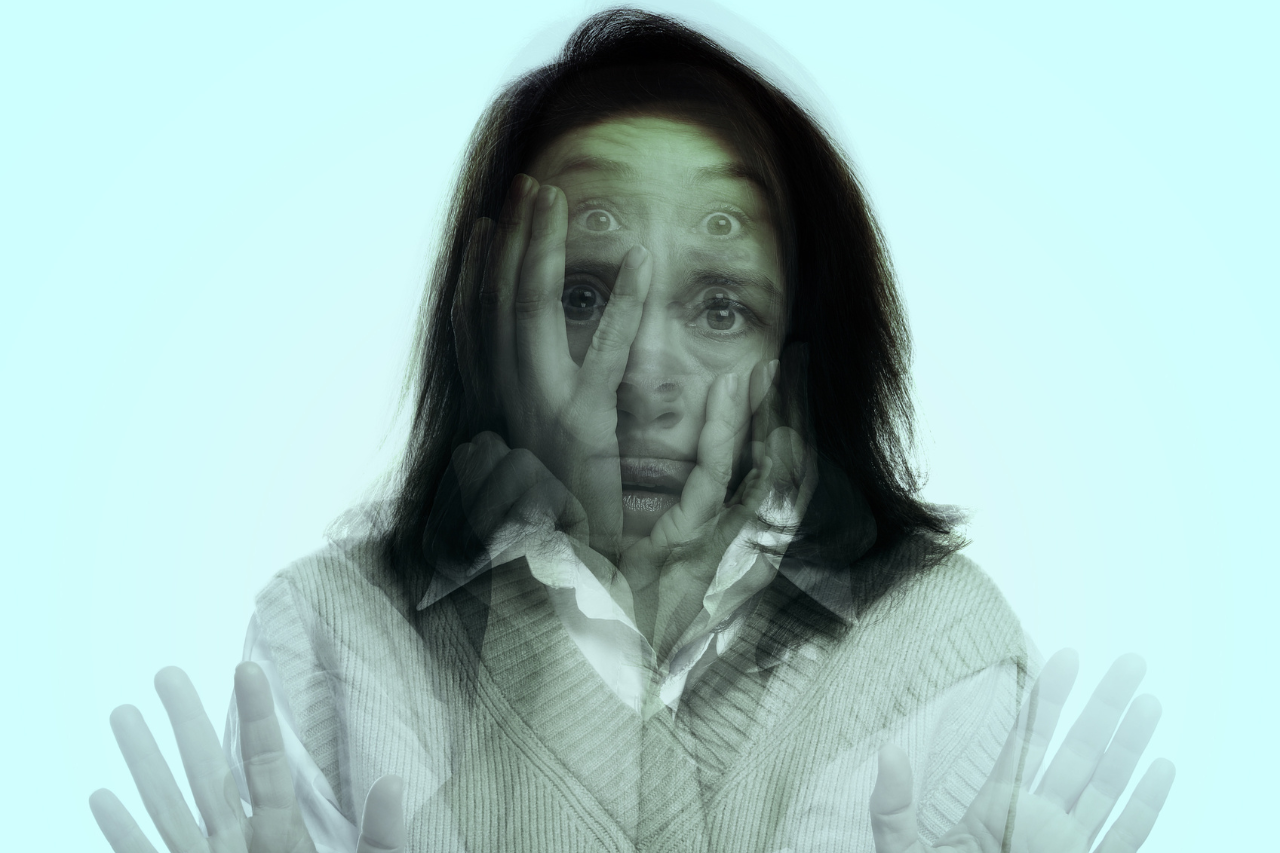
Depression and anxiety are common mental health conditions that can affect anyone, often occurring together. A heavy mood might linger when thoughts race without pause. Worry never rests, yet sorrow drains the strength to move. One tightens the body, the other slows every step. Together, they weigh on moments most people find light. Sadness sits deep while nerves stay wound too tight. Life feels harder, not because of weakness, but from invisible pressure building each day
Understanding depression and anxiety and recognising the difference between anxiety and depression helps in taking the right steps toward treatment and well-being.
Identifying Signs of Anxiety and Depression
Recognising the signs of anxiety and depression is the first step toward managing them effectively. Both conditions affect thoughts, emotions, and physical well-being, so understanding the symptoms helps in taking timely action.
Signs of Anxiety
Anxiety often shows up both in the mind and body, making it hard to ignore. Physical signs like shakiness, increased heart rate, tightness in the chest, rapid breathing, and muscle tension are common, while racing thoughts can keep the mind trapped in worry.
Recognising these signs of anxiety early allows for timely intervention and strategies to manage symptoms effectively.
Signs of Depression
Depression can be subtle or obvious, affecting thoughts, feelings, and energy levels. Isolation, recurring negative thoughts, persistent sadness, significant changes in weight, and constant fatigue are all signs of depression.
Knowing these symptoms helps differentiate depression from anxiety and highlights the need for appropriate treatment for anxiety and depression.
Difference between Anxiety and Depression
Aspect | Anxiety | Depression |
Core Feeling | Persistent worry, fear, or tension that keeps the mind on edge. | Ongoing sadness, emptiness, or loss of interest in activities. |
Physical Symptoms | Racing heart, muscle tension, rapid breathing, shakiness, restlessness. | Fatigue, low energy, changes in appetite or weight, sleep disturbances. |
Thought Patterns | Racing thoughts, constant “what if” scenarios, difficulty concentrating. | Negative thinking, self-criticism, feelings of hopelessness or worthlessness. |
Behavior | Avoidance of stressful situations, hyper-vigilance, irritability. | Withdrawal from social activities, reduced motivation, loss of interest in hobbies. |
Duration & Intensity | Often comes in episodes or is triggered by specific stressors but can be chronic. | Persistent for weeks or months, affecting multiple areas of life. |
Impact on Daily Life | Can interfere with work, relationships, and decision-making due to tension and worry. | Can make daily tasks feel heavy, affect relationships, and reduce overall functioning. |
Treatment Focus | Stress management, therapy, lifestyle changes, sometimes medication. | Therapy, lifestyle adjustments, social support, and sometimes medication. |
The Most Common Anxiety and Depressive Disorders
Anxiety and depression can appear in many forms, each with unique symptoms and challenges. Recognising these common disorders helps in identifying issues early and seeking the right support.
Anxiety and Depressive Disorders
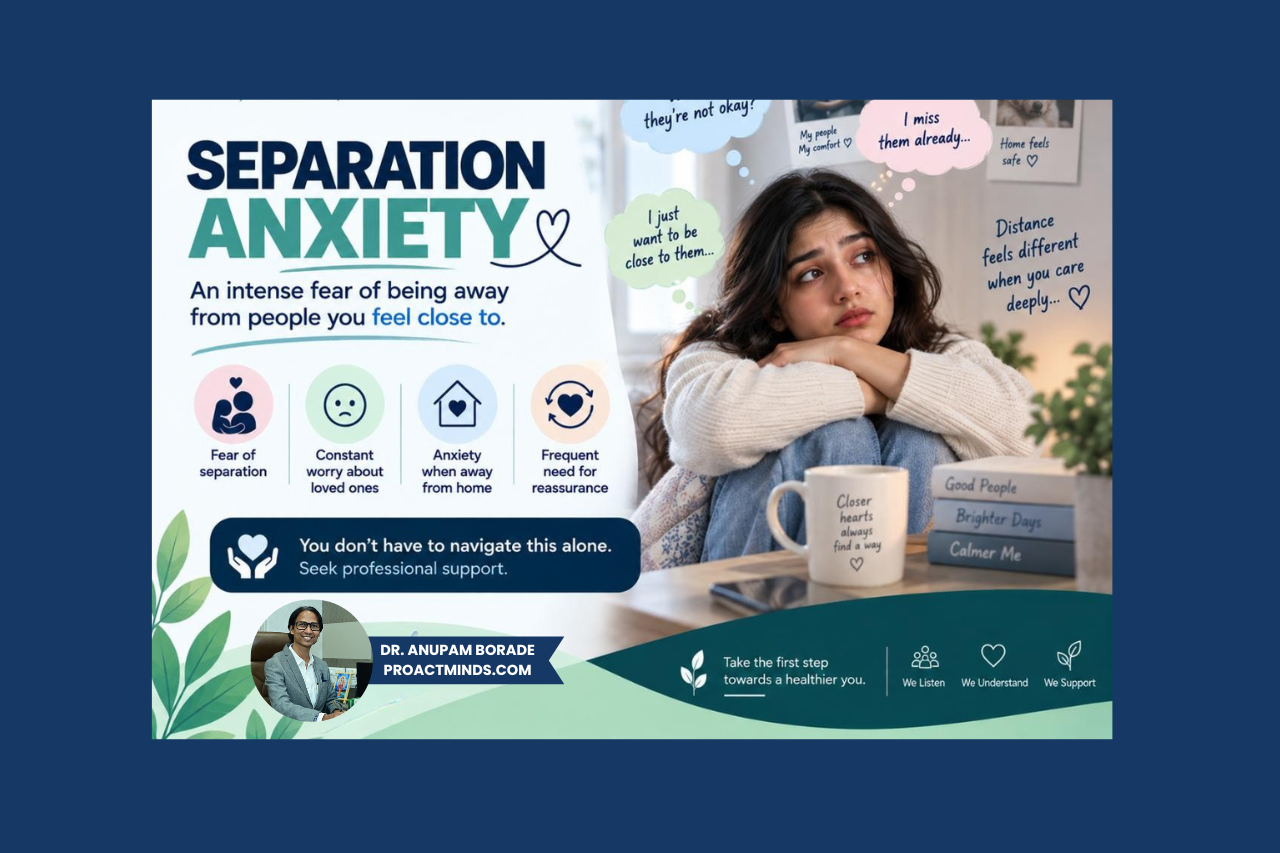
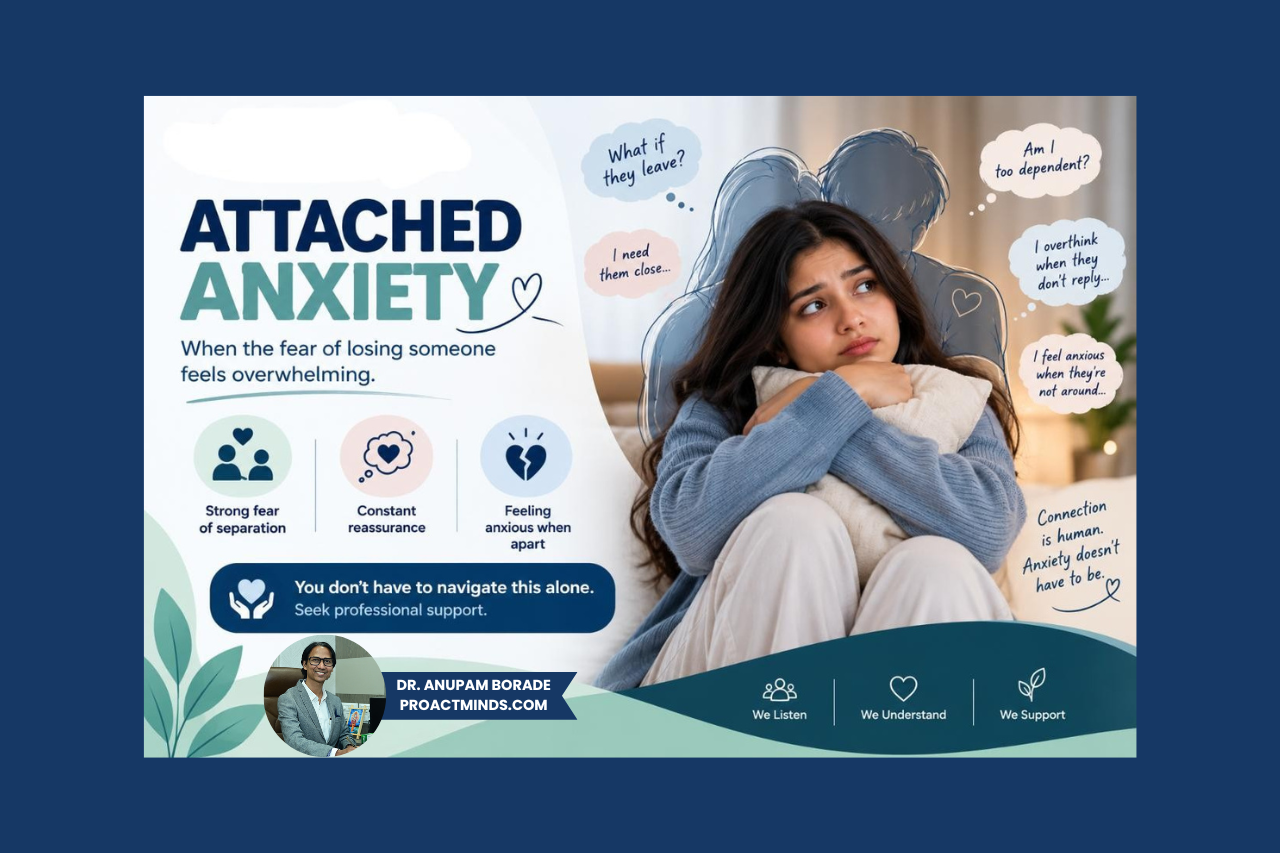
Specific phobias, social anxiety disorder, generalized anxiety disorder, separation anxiety, and panic disorder are among the most common anxiety disorders, often causing intense fear or worry that interferes with daily life. On the depressive side, major depressive disorder and persistent depressive disorder bring prolonged sadness, low energy, and difficulty enjoying activities.
Understanding these conditions together highlights how anxiety and depression can impact emotions, thoughts, and behaviour in different but sometimes overlapping ways.
How Anxiety and Depression Are Connected
Anxiety and depression often occur together, influencing each other in complex ways. Persistent worry from anxiety can lead to feelings of hopelessness, while ongoing depressive symptoms can heighten anxiety levels. Recognising their connection is important for addressing both conditions effectively through treatment and lifestyle strategies.
Causes of Depression and Anxiety
What leads to depression and anxiety? Often it’s genes teaming up with how the brain works, shaped by what happens in life and surroundings. Tough moments, painful pasts, long-term illnesses – these might spark signs. Even daily habits play a role when things shift inside
Finding out why these feelings happen allows people to act early, handling both depression and anxiety before things get worse.
Treatment for Anxiety and Depression
Finding relief and treatment for anxiety and depression usually means trying different paths at once – therapy, daily habits, maybe pills. When thoughts get tangled, cognitive-behavioral work unravels them piece by piece. Conversations with a trained listener offer space to untangle feelings.
Medicines? They tweak the brain’s signals, bringing steadier moods. Each person’s mix looks slightly different, shaped by what fits. Folks close-by, loved ones, even doctors – each can make a real difference when it comes to getting better and staying well over time.
Questions To Ask Yourself
Reflecting on your feelings and behaviours can help determine whether you may be experiencing anxiety or depression. Consider questions like: Am I constantly worried or fearful? Do I feel sad or hopeless most of the time? Are daily tasks becoming difficult to manage?
Looking inward often reveals clues about mood struggles. Ponder things such as constant worry or deep fear. Sadness that lingers day after day might signal something more. When routine duties start feeling heavy, it could point to an emotional shift. Truthful answers open paths – sometimes leading to care, sometimes just clarity.
Managing Anxiety and Depression
Managing anxiety and depression involves combining self-care, lifestyle habits, and supportive routines. Small daily actions can significantly reduce symptoms and improve overall well-being.
How to Manage Anxiety and Depression
Finding peace often begins by letting feelings exist, not fighting them, followed by small steps within your reach to steady the inner chaos. When days follow a rhythm, when nights bring proper rest, thoughts tend to settle, pressure eases. Meals filled with care – rich in nutrients that gently lift mood – feed more than hunger; they support how we think, how we hold ourselves together.
Maintaining a consistent routine and aiming for good sleep can help calm the mind and reduce stress, while eating balanced meals, including foods that reduce anxiety and depression, nourishes both body and brain.
A brief stroll outside, when paired with moments of calm, eases tightness while lifting how you feel. Talking with someone close brings comfort through shared presence, building inner strength that softens the weight of anxious or low thoughts, making it easier to navigate the challenges of anxiety and depression.
When To Seek Professional Help
It’s important to seek professional help when anxiety or depression starts interfering with daily life, relationships, or work. Persistent symptoms, thoughts of hopelessness, or difficulty coping are clear signs that guidance from a mental health professional is needed.
Early intervention ensures proper support and can prevent conditions from worsening, helping individuals regain balance and well-being.
Frequently Asked Questions
Simple daily actions can make a noticeable difference in managing depression and anxiety. Maintaining a routine, getting enough sleep, eating balanced meals, taking short walks, and reaching out to friends or family are all effective ways to reduce symptoms and support overall mental well-being.
Worry that won’t fade, a body wound tight - these can signal anxiety. On the flip side, deep sadness lasts weeks, fatigue without cause, joy slipping away - that points toward depression. It’s common for someone to face both at once. Spotting where they overlap helps make sense of what’s going on inside. Clearer understanding leads to better care when emotions run high and days feel heavy.
Yes, anxiety and depression frequently occur together, influencing each other in complex ways. Persistent worry can deepen feelings of hopelessness, while prolonged depressive symptoms can trigger heightened anxiety, making early recognition and support essential.
Early signs include physical symptoms like rapid heartbeat or muscle tension, fatigue, changes in sleep or appetite, irritability, and persistent negative thoughts. Paying attention to these signs allows individuals to seek support before symptoms start affecting daily life.
They can be, but with proper management, therapy, lifestyle changes, and sometimes medication, symptoms can be reduced and quality of life improved. Early intervention is key to preventing long-term impact.
Absolutely. Consistent routines, regular exercise, nutritious meals, sufficient sleep, and stress-reducing activities can all help manage anxiety and depression. Foods that reduce anxiety and depression also play a supportive role in boosting mood and mental resilience.
Professional help is recommended when symptoms interfere with daily life, work, or relationships, or if negative thoughts and fatigue persist. Early guidance from a therapist or counsellor ensures effective support and reduces the risk of conditions worsening.