
What is Depression?
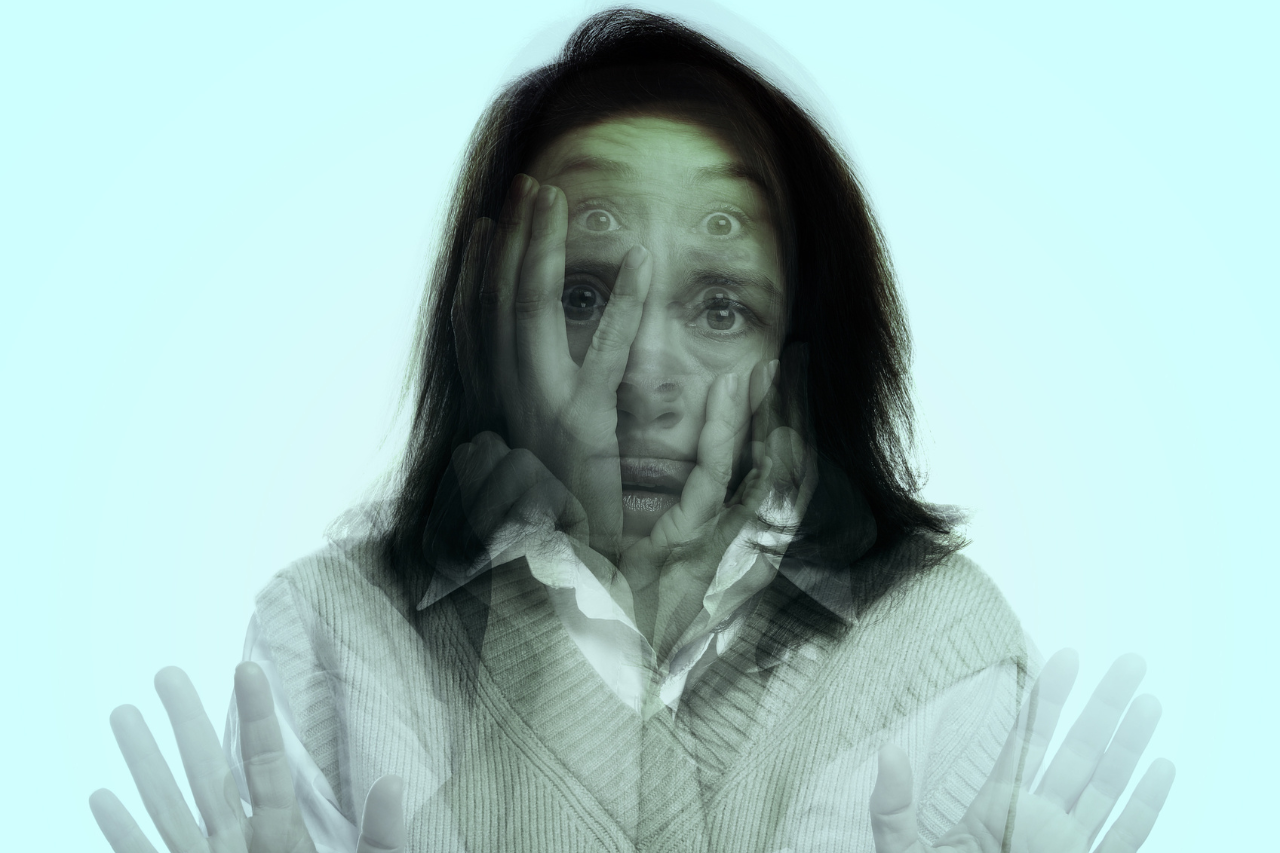
Depression is more than just feeling sad; it’s a persistent condition that affects thoughts, emotions, and daily functioning. Understanding depression is essential, as early recognition of symptoms can help in taking the right steps toward support and treatment.
Types of Depression
Depression can take many forms, each presenting unique challenges and symptoms. Knowing the type of depression can help guide treatment and self-care strategies effectively.
Major Depressive Disorder (MDD)
Major depressive disorder is marked by prolonged periods of intense sadness, low energy, and a loss of interest in activities that were once enjoyable. This type can interfere with work, relationships, and daily life, making recognition and treatment crucial.
Persistent Depressive Disorder (Dysthymia)
For years at a time, people might carry a quiet kind of sadness that never quite fades. This ongoing mood shift isn’t always intense, yet it lingers – shaping how tasks feel, how energy flows. Day after day, small moments gather weight without clear cause. Life continues, but often under a dull cloud few notice. How things are done changes slowly, almost invisibly. The way joy shows up tends to shrink, like light dimming in a room.
Bipolar Disorder
Moods swing widely when someone has bipolar disorder – low dips feel much like deep sadness seen in depression. High points, though, spark intense energy and restlessness instead. These shifts show how layered emotional struggles can be.
Seasonal Affective Disorder (SAD)
Winter brings shorter days, sometimes sparking a shift in how people feel inside. Less light might play a role, nudging emotions downward for some. Tiredness creeps in, along with heavier moods that linger too long. Sleep patterns tilt – either too much or too little. Appetite may swing without clear reason. These shifts show how weather and mind connect more than we assume.
Postpartum Depression
A cloud often lingers where joy is expected, shadowing fresh parenthood with deep unease. Not just mood swings, but steady waves of sorrow or fear take hold. Connection feels distant, even with the tiny life now present. Care matters – someone reaching out can shift the weight. Healing for Postpartum Depressions begins when help arrives, not before. For everyone involved, balance returns slower than hoped.
The 5 Stages of Depression
Understanding what are the stages of depression helps in recognising symptoms early and seeking support before they worsen. Awareness of these stages can guide individuals and loved ones to take timely action.
Stage 1 – Change in emotional state
The initial stage of depression often begins with subtle changes in mood and emotions. Individuals may feel sad, anxious, or unusually irritable, signalling the start of the depressive process and the need to pay attention to these early warning signs.
Stage 2 – Physical symptoms and behavioral changes
As depression progresses, physical symptoms like fatigue, sleep disturbances, and appetite changes appear. Behavioral shifts, such as withdrawing from social activities or neglecting responsibilities, also start to emerge, showing that depression is beginning to affect daily life.
Stage 3 – Increasing severity of symptoms
Heavy emotions and body aches grow stronger now. Hope fades, nerves fray, energy drains – focus slips, drive shrinks. Spotting these signs matters most before things worsen.
Stage 4 – Thoughts of self-harm or suicide
Falling into deep sadness might bring dark ideas about hurting oneself or ending life. When things reach this point, it signals loud and clear that expert support must step in right away – handling it solo isn’t safe. People caught here face serious danger simply by how intense the pain becomes.
Stage 5 – Severe impact on daily life
When things reach this point, handling daily tasks becomes a struggle. Missing out on favorite pastimes is common now. Work feels distant, connections grow thin, even looking after oneself slips through the cracks. Seeing how deep it can go shows why acting early matters more than waiting.
Understanding the Different Stages of Depression
Different stages of depression affect people differently, depending on genetics, environment, and personal circumstances. Recognising each stage, the initial stage of depression, worsening symptoms, or severe impact, helps in taking proactive measures for support, therapy, and lifestyle adjustments.
Recognizing the Signs of Depression
Emotional Symptoms of Depression
Depression often manifests emotionally, with a persistent sad, anxious, or “empty” mood. Feelings of hopelessness or pessimism, irritability, loss of interest in hobbies and activities, and thoughts of death or suicide are common indicators. Being aware of these emotional symptoms allows early recognition and intervention.
Physical Symptoms of Depression
Physical signs are equally telling, including fatigue, decreased energy, difficulty sleeping or oversleeping, appetite or weight changes, and unexplained aches and pains. These physical symptoms often accompany emotional distress, painting a full picture of how depression affects the body and mind.
Causes of Depression
Depression can arise from a mix of biological, psychological, and environmental factors, making it a complex condition. Genetic or family history plays a role, as do chemical imbalances in the brain that affect mood regulation. Long-term stress, emotional pressure, or traumatic life events can trigger the initial stage of depression, while loss of a loved one or major life changes may intensify symptoms.
Other contributing factors include chronic medical conditions, ongoing pain, hormonal changes, and substance or alcohol misuse. Social isolation, lack of support, and persistent sleep problems can also worsen symptoms, highlighting the importance of understanding the causes to manage depression effectively and prevent it from escalating.
Affect on daily life
Depression impacts every aspect of daily life, from work and school to relationships and self-care. Simple tasks may feel overwhelming, motivation drops, and previously enjoyable activities lose their appeal.
Concentration, energy, and emotional stability are affected, and in severe cases, the ability to maintain routines or care for oneself can be compromised, making timely support essential.
Why Understanding the Stages of Depression Matters
Knowing the different stages of depression allows individuals and loved ones to recognise early warning signs before symptoms worsen. From the initial stage of depression to a severe impact on daily life, awareness helps in planning timely interventions, seeking professional support, and implementing coping strategies that can prevent long-term complications.
How to Help Someone with Depression
It starts when you truly get where they’re coming from. A quiet ear, free of warnings or fixes, opens space for real talk. Getting them pointed toward therapy isn’t pushy – it’s care in motion. Standing by week after week builds something steady beneath their feet. Even making tea or walking together shifts the weight just enough. Reaching out on an ordinary day says more than grand words ever do.
When to Get Help
Professional help should be sought when depressive symptoms interfere with daily functioning, relationships, or work. Thoughts of self-harm, persistent hopelessness, or inability to cope with routine activities are clear signs that immediate support from a mental health professional is needed. Early intervention ensures better outcomes and provides strategies to manage depression effectively.
Frequently Asked Questions
The stages of depression outline how symptoms develop and progress over time. From subtle emotional changes to severe impact on daily life, understanding the different stages of depression helps in recognising warning signs and seeking timely support.
The initial stage of depression often involves minor changes in mood, such as feeling sad, anxious, or irritable more than usual. These early signs may be easy to overlook, but recognising them can help prevent symptoms from worsening.
Not always. While there is a general progression from early emotional changes to more severe symptoms, each individual’s experience may vary. Some may skip stages, while others might experience overlapping symptoms.
The duration of each stage can vary greatly depending on factors like genetics, environment, stress, and access to support. Some stages may last weeks, while others can persist for months if not addressed.
Yes, it’s possible for individuals to show signs from several stages simultaneously. For example, someone may have both emotional changes and physical symptoms occurring together, highlighting the complexity of depression.
No, depression affects everyone differently. While the stages provide a framework for understanding symptom progression, each person’s journey may differ in order, duration, and intensity.
Professional help should be sought as soon as symptoms begin to interfere with daily life, relationships, or work. Early intervention, ideally during the initial stage of depression, can prevent escalation and support faster recovery.