What is adult bed wetting?
Adult bed wetting is the involuntary loss of urine during sleep in individuals past adolescence. While it may be embarrassing, understanding adult bed wetting helps in recognising the causes, managing symptoms, and seeking proper treatment without stigma.
What Are the Causes of Bedwetting in Adults?
Adult bed wetting can result from a variety of factors, often working together to disrupt normal urinary control. A blockage in the urinary tract, bladder problems, diabetes, or an enlarged prostate can all trigger episodes of bedwetting. Medication side effects, neurological disorders, and urinary tract infections are also common contributors.
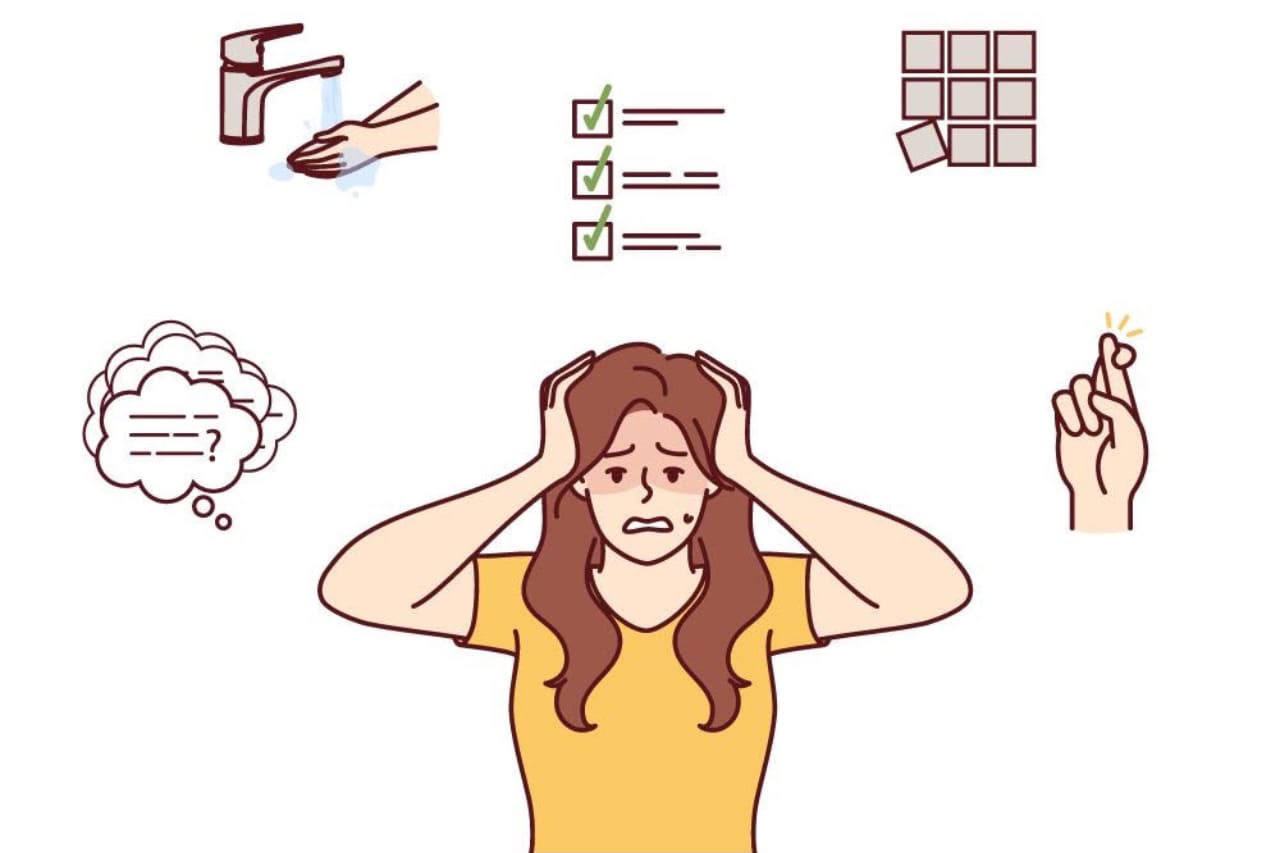
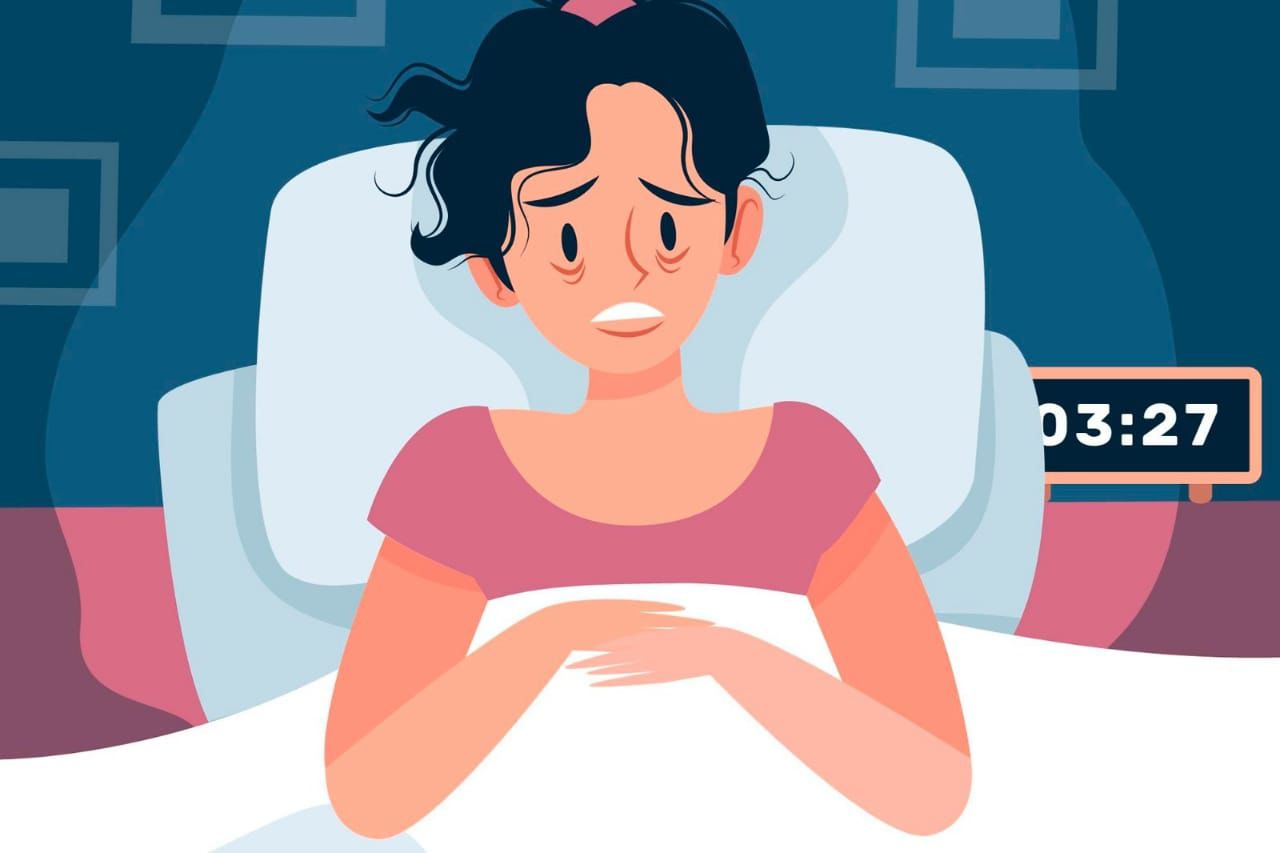
Psychological and hormonal factors play a role too. Anxiety and insomnia, stress, emotional strain, and hormonal imbalances can increase the likelihood of adult bed wetting. Understanding the causes of bed wetting in adults, including adult bed wetting stress, allows individuals to address underlying issues effectively and explore strategies for better sleep and urinary control.
Signs and Symptoms of Adult Bedwetting
Recognizing the signs and symptoms of adult bed wetting is the first step toward proper management and support. Both physical and emotional indicators can reveal the presence of this condition, helping individuals and their loved ones take timely action.
Physical Signs
Adult bed wetting often presents through noticeable physical symptoms. Frequent nighttime urination or leakage during sleep, difficulty waking up to urinate, and urgency before bed are common indicators. Over time, skin irritation or rashes from moisture can develop, signalling the need to address adult bed wetting promptly.
Behavioral / Emotional Signs
The impact of adult bed wetting goes beyond physical symptoms, affecting emotions and daily behavior. Waking up to wet sheets isn’t just about discomfort – it tugs at confidence, too. Staying overnight somewhere? That simple act can spark worry, even dread.
Some people pull back from trips or gatherings, quietly reshaping their lives around secrecy. Tossing through nights leads to tired minds, frayed nerves by morning light. Moods shift under pressure, revealing deeper ripples beneath the surface.These are signs that highlight how adult bed wetting can influence overall wellbeing.
Types of Adult Bedwetting
Adult bed wetting can present in different forms, each with unique triggers and characteristics. Understanding the types helps in identifying the root causes and determining the best approach for management and treatment.
Primary Nocturnal Enuresis
This type occurs when an individual has never achieved consistent nighttime dryness. It’s often linked to bladder control issues or genetic factors and can persist into adulthood if left unaddressed.
Secondary Nocturnal Enuresis
Secondary nocturnal enuresis develops after a period of established nighttime dryness. It can be triggered by stress, illness, or underlying medical conditions, highlighting that adult bed wetting causes can vary over time.
Stress-Induced Bedwetting
Stress-induced bedwetting occurs when emotional strain or anxiety disrupts normal bladder function. Adult bed wetting stress is a common contributor, making relaxation techniques and coping strategies important.
Functional Bedwetting
Functional bedwetting results from behavioral or lifestyle factors, such as irregular sleep patterns, excessive fluid intake before bedtime, or bladder training issues. Identifying these factors can guide practical interventions.
Medication-Related Bedwetting
Certain medications, including diuretics or sleep aids, can lead to adult bed wetting as a side effect. Recognising medication-related causes is crucial for adjusting treatment under medical supervision.
How Is Bed-Wetting Diagnosed?
A close look at past health records often kicks things off, along with talking through what symptoms show up. Sometimes a checkup, urine sample analysis, or scans come into play to spot hidden reasons behind the issue. Figuring out why it happens, like trouble with the bladder, tension, or drugs taken makes handling nighttime leaks in adults much clearer.
Impact on Daily Life
Adult bed wetting affects both physical well-being and emotional health. Poor sleep quality leads to daytime fatigue, while embarrassment and lowered self-esteem can create anxiety about sleeping away from home.
Social withdrawal, strain on relationships, extra time spent cleaning, and potential impacts on work performance all highlight how adult bed wetting influences daily life, making early recognition and management important.
Lifestyle Changes to Reduce Bedwetting
Simple lifestyle adjustments can significantly reduce episodes of adult bed wetting. Waking up dry might come easier when daily habits shift just a bit. Drink fluids earlier in the day instead of at night, skip coffee after noon, avoid evening wine. Stronger pelvic muscles mean fewer accidents, try squeezing those nerves before bedtime. Sleep at the same time every night because rhythm matters more than people think.
Tension often tightens the bladder; slow breathing could loosen that grip. Moving the body each day changes how it holds liquid overnight. Writing down leaks helps spot patterns weeks later. Quiet moments with focused breath build resilience beyond what numbers show.
When to Seek Medical Help
Medical attention should be sought if adult bed wetting is persistent, worsening, or causing emotional distress. Conditions like urinary tract infections, hormonal imbalances, neurological issues, or medication side effects may require professional intervention. Early diagnosis ensures targeted treatment and helps improve both physical and emotional quality of life.
Frequently Asked Questions
Adult bed wetting can result from a variety of factors, including bladder problems, diabetes, an enlarged prostate, medication side effects, urinary tract infections, and neurological disorders. Stress, emotional factors, and hormonal imbalances can also play a significant role, making understanding the causes essential for effective management.
Common reasons for wetting the bed in adults include physical issues like bladder dysfunction, urinary tract infections, and chronic medical conditions. Lifestyle and psychological factors, such as stress, insomnia, or emotional strain, also contribute, showing that adult bed wetting is often the result of multiple overlapping causes.
When tension builds up, it sometimes becomes one of the causes of adult bed wetting. Sleep-time bladder issues may stem from anxious thoughts, so calming strategies often help ease the problem. Relief might come not just from medicine, but also from quieting a restless mind.
Figuring out causes of bed wetting in adults starts with talking about health background. A checkup follows, one that checks how the body is working right now. Urine samples might get collected. Scans could happen too, depending on what seems off. What doctors really want to spot are things like bladder trouble or infections. Medicines causing problems also get reviewed closely. From there, they shape a way forward based on what's found.
Depending on what's causing it, changes to daily habits might help. Bladder exercises could make a difference for some people. Cutting down on stress plays a role too. Fixing health issues that contribute is often part of the plan. Medicines sometimes get suggested when needed. Therapy pops up now and then as an option. Getting better sleep tends to follow symptom control.
When adult bed wetting keeps happening, gets worse, or brings sadness, talking to a specialist makes sense. Getting support early means clearer answers and better care, which can ease daily challenges, lower tension, and protect peace of mind.