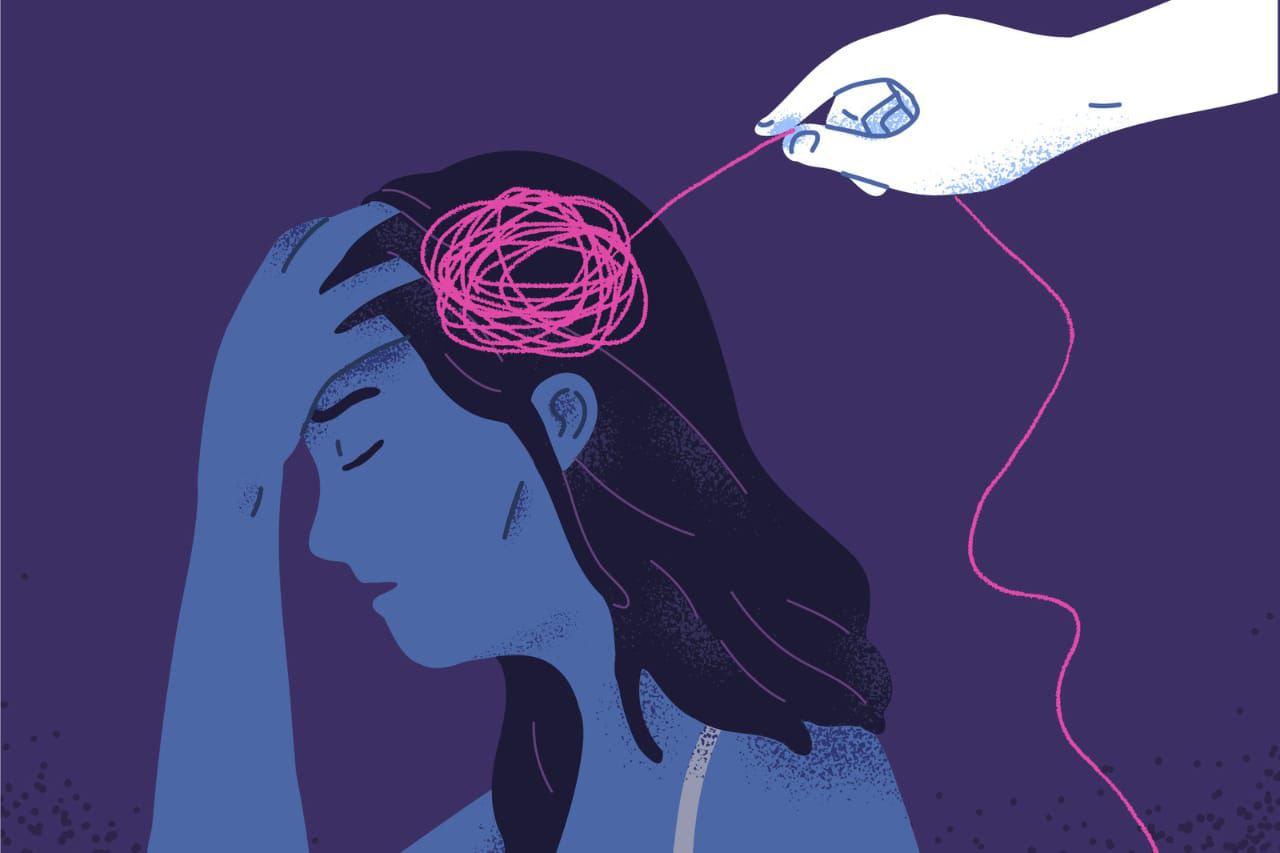
Mental health and mental illness are often used interchangeably in everyday conversations. But they are not the same thing. Understanding the difference between mental health and mental illness can change how we view ourselves, others, and even the idea of seeking help.
This clarity matters because confusing the two often leads to unnecessary fear, stigma, or silence around mental well-being.
What is Mental Health?
Mental health refers to your overall emotional, psychological, and social well-being. It influences how you think, feel, behave, and handle everyday stress. Just like physical health, mental health exists on a spectrum and can shift depending on life circumstances.
Good mental health does not mean you are always happy. It means you are able to cope, adapt, connect with others, and function in your daily life even when things feel difficult.
What is Mental Illness?
Mental illness involves specific, diagnosable conditions that significantly affect mood, thinking, behavior, or emotional regulation. These conditions often interfere with daily functioning and usually require professional support.
Understanding the difference between mental health problem and mental illness is important here. A mental illness is not a temporary emotional dip. It is a clinical condition that may need therapy, medication, or long-term care to manage effectively.
Types of Mental Illness
Mental illnesses come in many forms, and no two experiences are exactly alike.
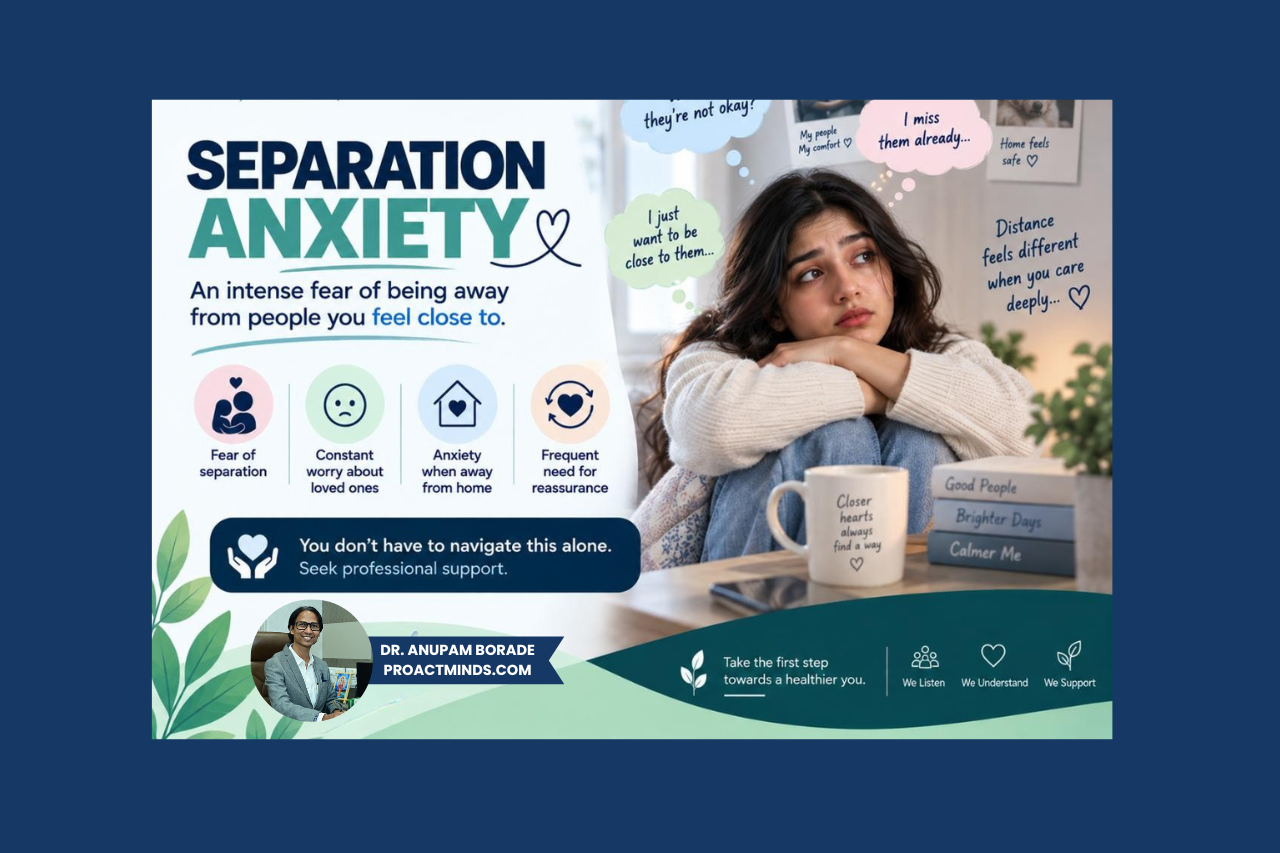
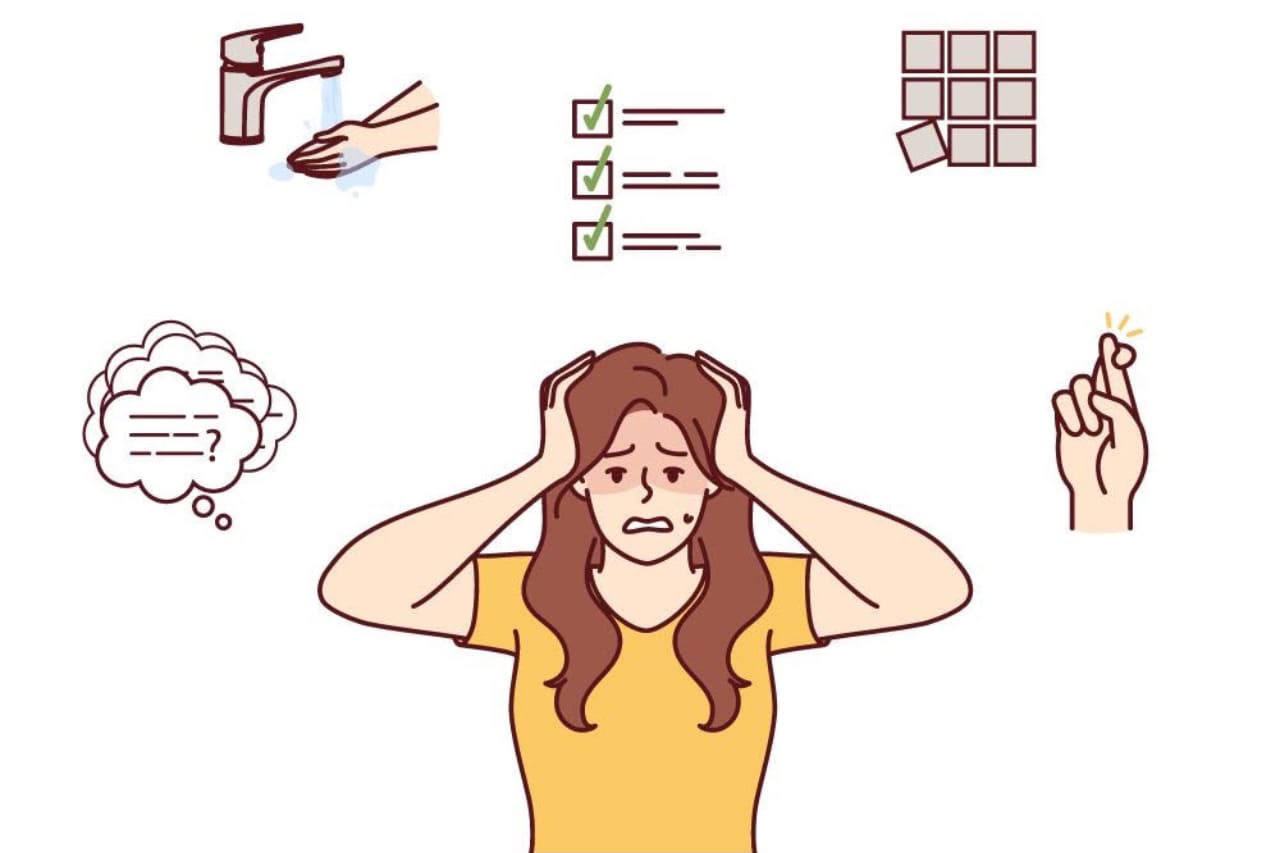
Conditions like depression, anxiety disorders, bipolar disorder, and obsessive-compulsive disorder (OCD) affect emotions, thoughts, and behaviors in distinct ways. While anxiety may involve persistent fear or worry, depression often impacts motivation, energy, and self-worth.
On a broader level, mental illnesses are categorized into mood disorders, anxiety disorders, eating disorders, post-traumatic stress disorder (PTSD), and schizophrenia. Each category has its own symptoms, causes, and treatment approaches, reinforcing the importance of understanding the difference between mental health and mental illness clearly.
Difference between mental health and mental illness
Understanding the difference between mental health and mental illness helps remove confusion and judgment. While mental health is something everyone has, mental illness affects only some people at certain times in their lives. The difference between mental health problem and mental illness becomes clearer when we look at specific aspects.
Who it affects
Mental health affects everyone, regardless of age, background, or lifestyle. Mental illness, on the other hand, affects individuals who develop specific psychological conditions that disrupt normal functioning.
Someone can experience stress or emotional struggles without having a mental illness. This distinction highlights the difference between mental health problem and mental illness in real-life situations.
Duration of symptoms
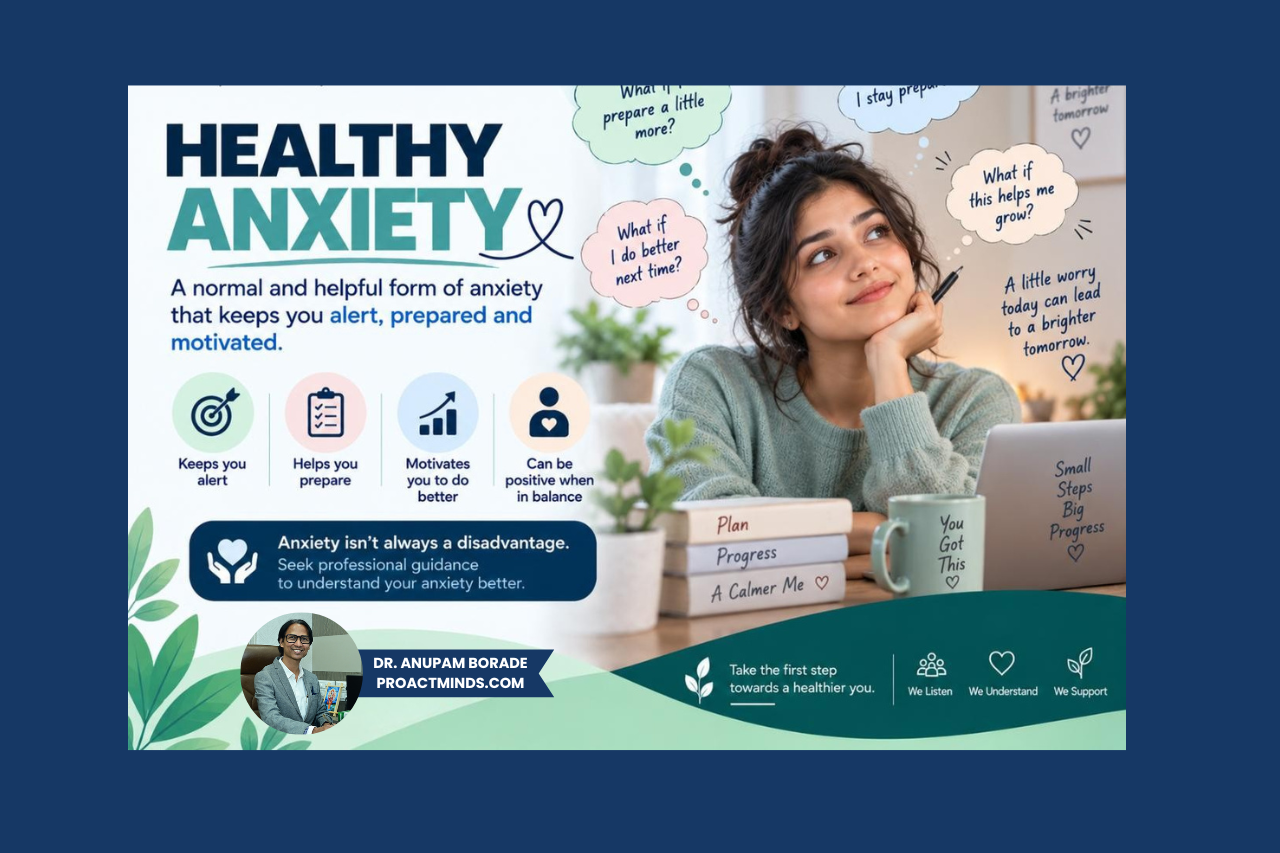
Mental health challenges can be temporary and situation-based. Feeling low after a loss or anxious before an exam is common and often short-term.
Mental illness symptoms usually last longer, persist over time, and may worsen if left untreated. This ongoing nature is a key part of the difference between mental health and mental illness.
Severity and intensity
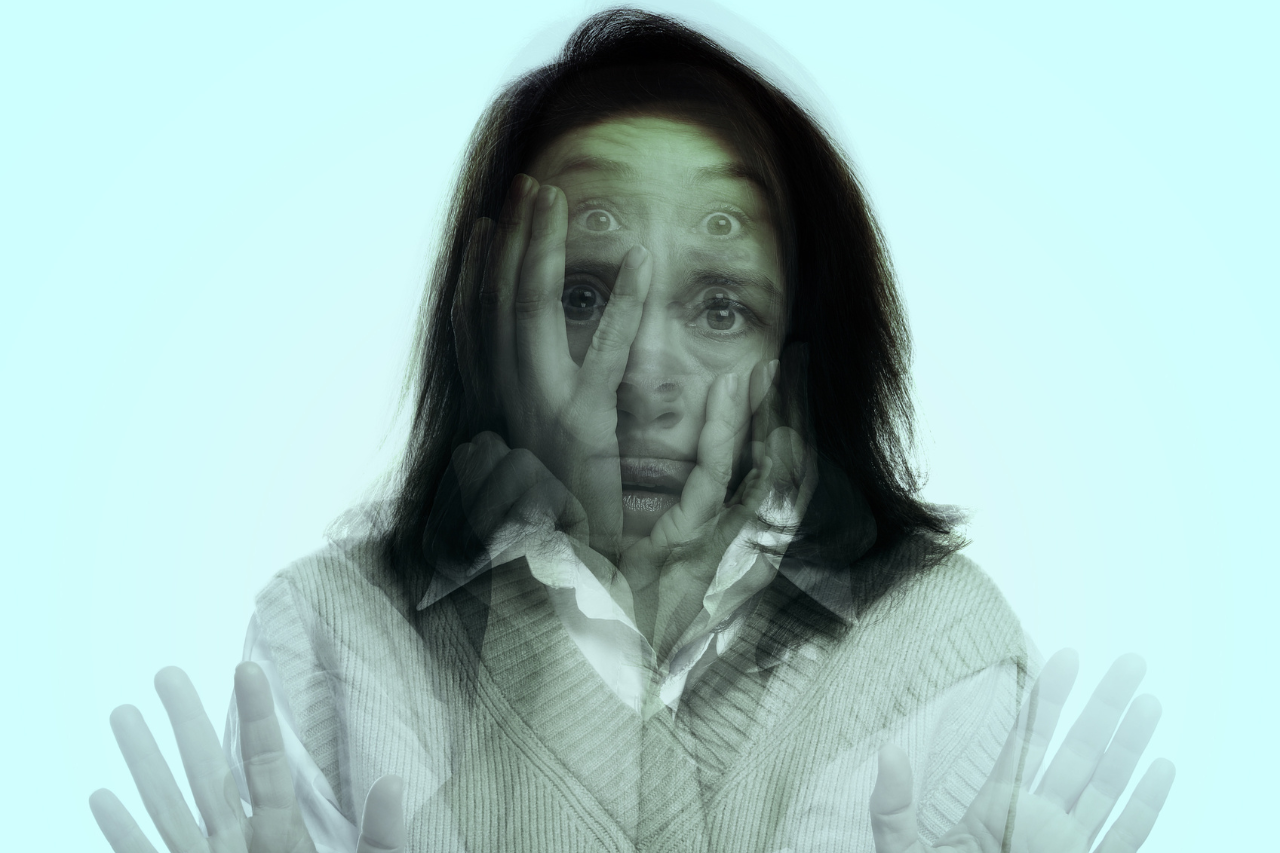
Poor mental health may feel overwhelming, but it often allows a person to continue functioning with some effort. Mental illness symptoms are usually more intense and disruptive.
The difference between mental health problem and mental illness lies in how deeply these symptoms interfere with thoughts, emotions, and behavior.
Impact on daily life
Mental health struggles may slow you down, but mental illness can stop you altogether. Work, relationships, sleep, and self-care may become extremely difficult. This level of impact clearly shows the difference between mental health and mental illness in day-to-day living.
Need for diagnosis
Mental health does not require a diagnosis. Mental illness does. A trained mental health professional identifies mental illness based on clinical criteria. Understanding this diagnostic need explains the difference between mental health problem and mental illness from a medical perspective.
Possibility of recovery and management
Mental health can improve with rest, support, and lifestyle changes. Mental illness can also be managed, often very effectively, but may require structured treatment. Recovery looks different for everyone, but recognizing the difference between mental health and mental illness allows people to seek the right kind of help without fear.
Components of Mental Well-Being
Mental well-being is built through daily habits, not one-time fixes. Small, consistent actions create emotional resilience over time.
Keep working out
Physical movement helps regulate mood, reduce stress hormones, and improve sleep quality. Exercise supports mental health by creating a stronger mind-body connection. It does not cure mental illness, but it plays a powerful role in managing symptoms and improving overall mental balance.
Eat healthy
What you eat affects how your brain functions. A balanced diet supports emotional stability, concentration, and energy levels. Nutrition alone cannot replace treatment, but it strengthens mental health and supports recovery from mental illness.
Follow relaxation techniques
Practices like meditation, breathing exercises, or mindfulness calm the nervous system. They help you stay grounded during overwhelming moments.
These techniques are especially useful in understanding the difference between mental health problem and mental illness, as they support both prevention and management.
Be socially active
Human connection is essential for emotional well-being. Healthy relationships reduce feelings of isolation and provide emotional safety. Social support strengthens mental health and plays a crucial role in coping with mental illness.
Counseling
Therapy is not just for crises. Counseling helps people understand themselves better, process emotions, and build coping skills. Even if someone is exploring mental health or managing mental illness, professional support creates clarity and healing.
When, Where & Why Should You Get Support
Support should not be a last resort. If emotions feel overwhelming, persistent, or begin interfering with daily life, it is time to reach out.
Whether through a mental health counselor, psychologist, or psychiatrist, seeking help early can prevent mental health challenges from becoming mental illness. Understanding the difference between mental health and mental illness empowers people to act before things feel unmanageable.
Frequently Asked Questions
No. Mental health refers to overall emotional and psychological well-being, something everyone has. Mental illness involves specific, diagnosable conditions that affect thoughts, mood, or behavior. This clearly explains the difference between mental health and mental illness.
Yes. Stress, burnout, or emotional struggles can affect mental health without being a mental illness. This is a common example of the difference between mental health problem and mental illness.
A mental health problem is often temporary and situation-based. Mental illness is more persistent, intense, and usually requires professional diagnosis. This highlights the difference between mental health problem and mental illness.
Yes. Therapy, medication (when needed), and healthy lifestyle habits can help manage symptoms and improve daily functioning.
If emotional distress lasts for weeks, worsens, or starts affecting work, relationships, or daily life, it’s a good time to seek help.
Absolutely. With the right support, people can experience growth, stability, and fulfillment despite a diagnosis.