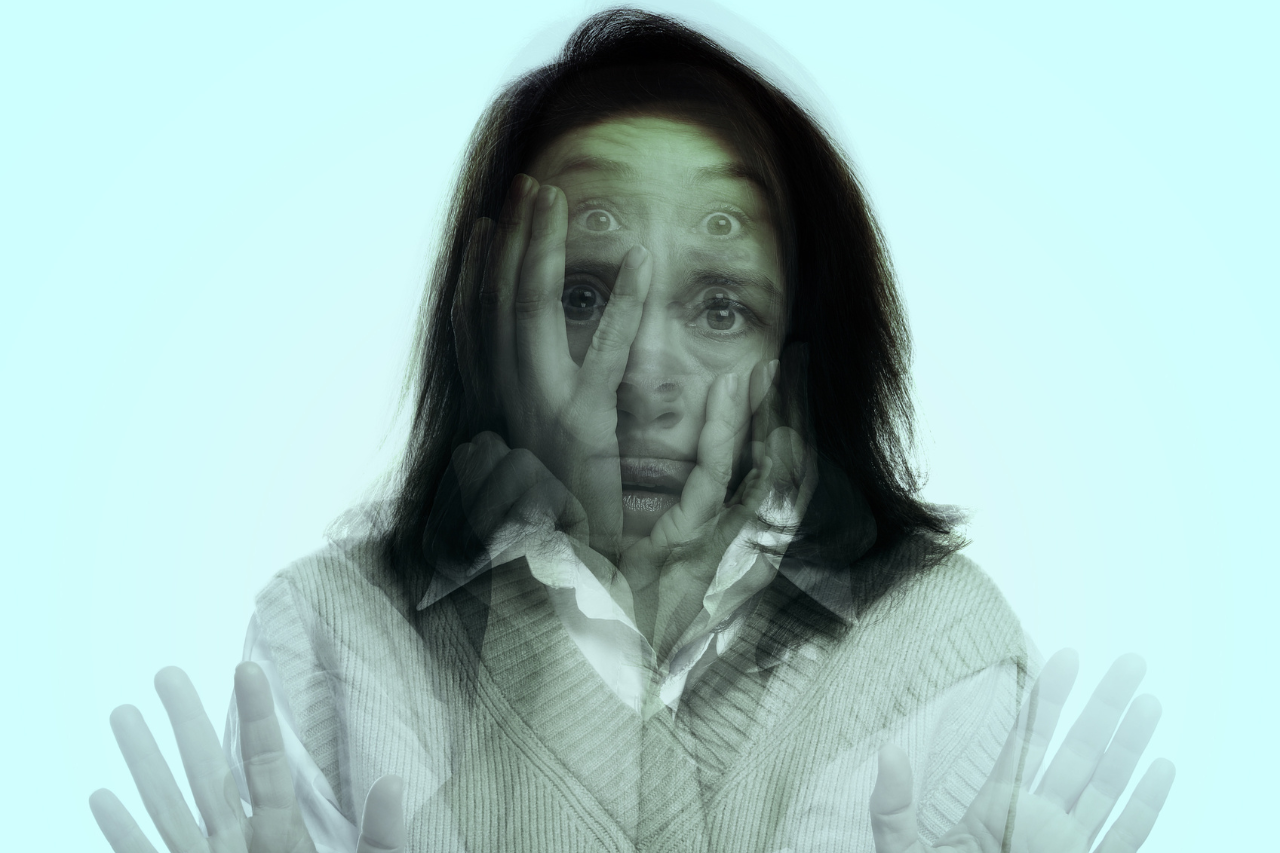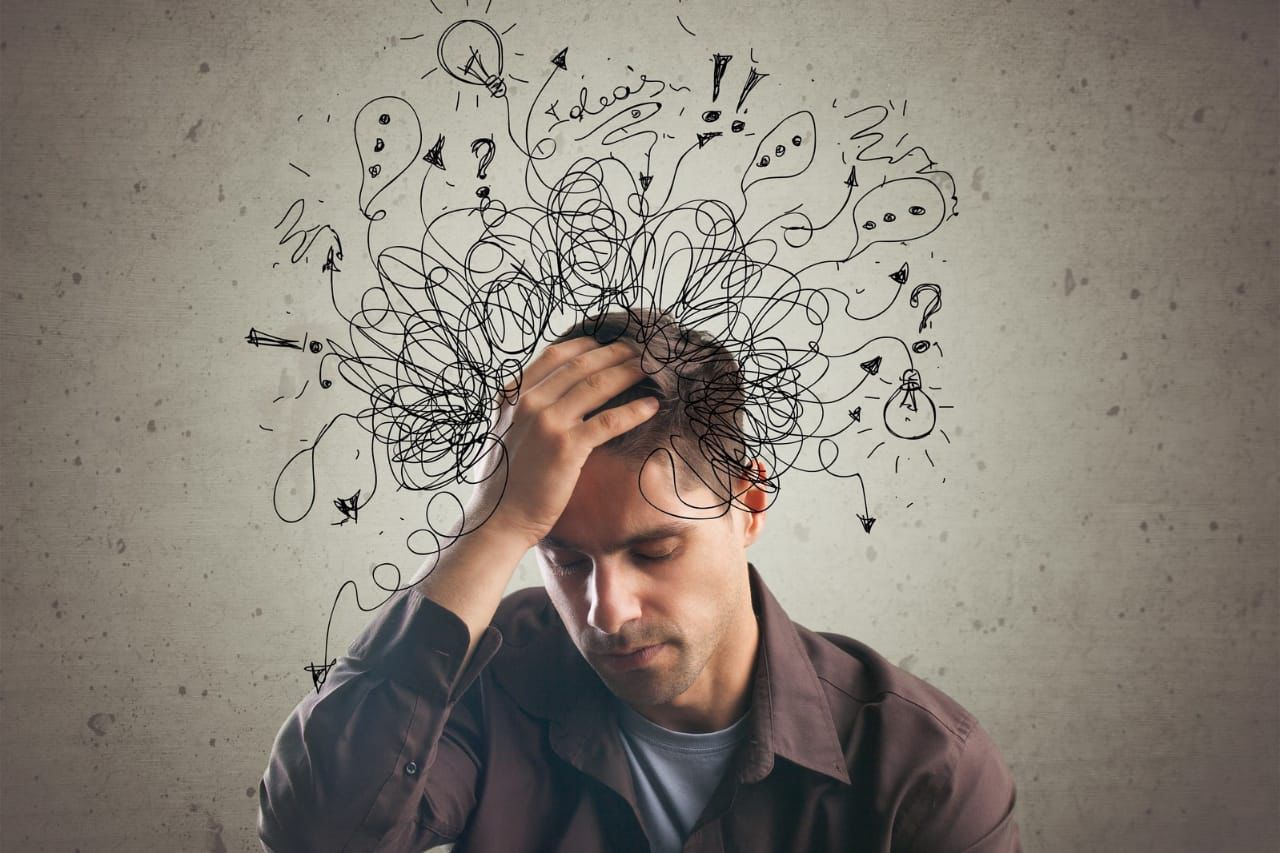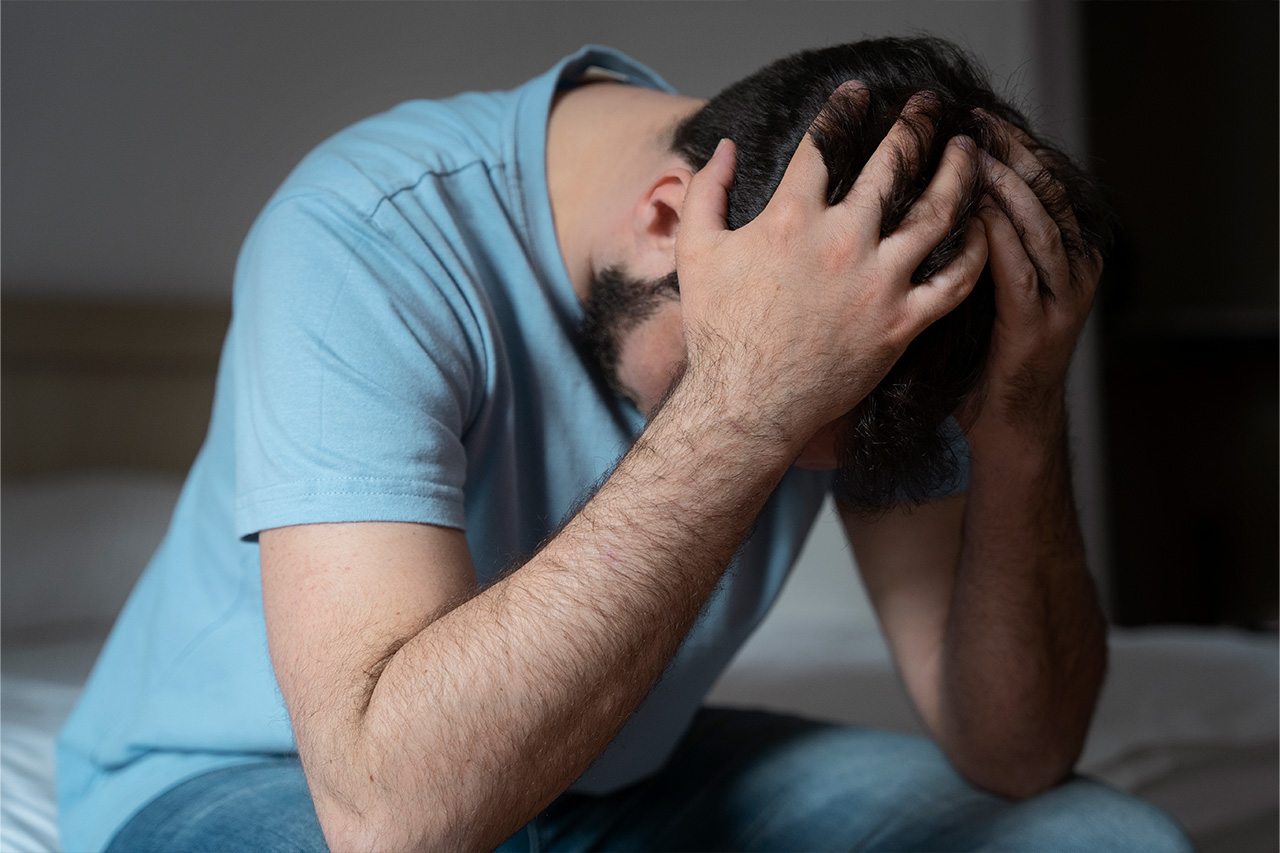
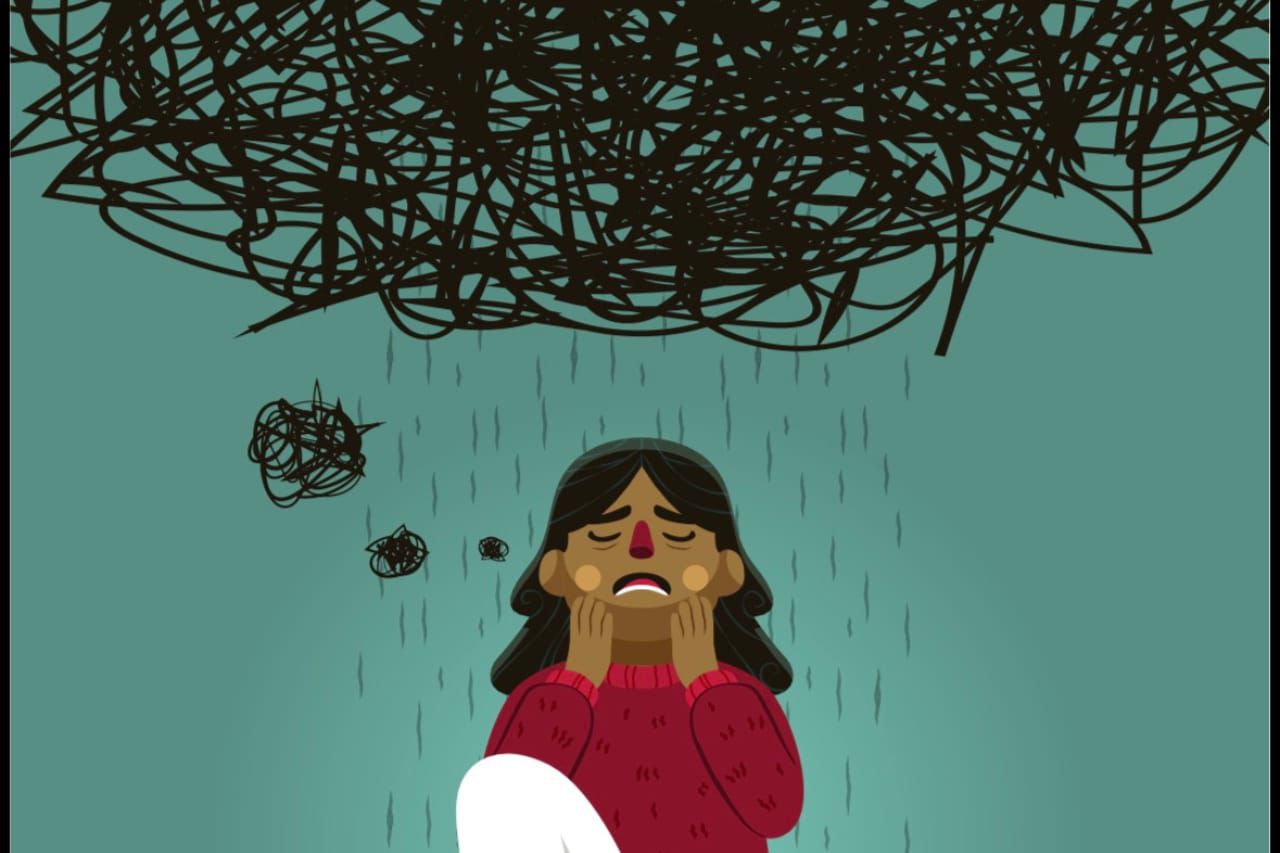
Life can sometimes feel like it’s piling up all at once. Work deadlines, personal responsibilities, and emotional stress; sometimes, it just becomes too much. When stress reaches a tipping point, a person may experience an emotional breakdown.
Understanding emotional breakdown symptoms helps recognize when you or someone else might need support before things get worse.
What is Emotional Breakdown
An emotional breakdown is an intense response to overwhelming stress, where a person temporarily struggles to cope with daily life. It’s not a sign of weakness; it’s a signal that the mind and body need care.
Knowing emotional breakdown symptoms can help identify the early signs and provide timely support.
Symptoms of an Emotional Breakdown
Emotional breakdowns manifest in different ways: emotional, mental, physical, and behavioral. Recognizing these is key to offering help and taking action.
Emotional Symptoms
These can include extreme sadness, irritability, anxiety, hopelessness, or mood swings. People may feel emotionally numb or unable to handle even small daily challenges. Emotional changes are often the first visible emotional breakdown symptoms.
Mental Symptoms
Cognitive difficulties often appear, such as trouble concentrating, racing thoughts, indecision, or memory lapses. These mental shifts can make daily functioning feel impossible, signaling a potential emotional breakdown.
Physical Symptoms
Stress and emotional strain often affect the body: headaches, fatigue, stomach issues, rapid heartbeat, or tension. Recognizing these physical signs alongside emotional cues is critical when identifying emotional breakdown symptoms.
Behavioural Symptoms
Changes in behavior like social withdrawal, neglecting responsibilities, changes in sleep or eating patterns, or sudden outbursts are common. These behavioral changes often reveal the depth of an emotional breakdown.
What Causes of an Emotional Breakdown
Emotional breakdowns usually occur when stress overwhelms coping abilities. Causes can include work pressure, family conflicts, unresolved trauma, chronic stress, or major life changes.
Understanding the root helps in preventing and managing emotional breakdown symptoms effectively.
Diagnosing an Emotional Breakdown
There isn’t a single medical test for emotional breakdowns. Mental health counsellors evaluate symptoms, stress history, and overall functioning to determine if an intervention is needed.
Recognizing emotional breakdown symptoms early allows for timely support and guidance.
What to Do if Someone is Having a Mental Breakdown?
Helping someone through a breakdown requires patience and empathy.
- Stay calm: Your calm presence can help them feel safer.
- Listen: Offer a non-judgmental ear without trying to “fix” everything.
- Don’t judge: Avoid criticism or minimise their feelings.
- Encourage professional help: Suggest therapy or counseling if needed.
- Keep a concerned eye: Monitor for self-harm or worsening symptoms.
Coping Strategies for an Emotional Breakdown
Coping strategies are essential tools to help stabilize emotions, regain a sense of control, and prevent things from spiraling further. Simple practices like mindfulness, journaling, deep breathing exercises, and grounding techniques can provide immediate relief during moments of overwhelm.
Creating supportive routines, such as setting aside time for self-care, maintaining a healthy sleep schedule, or connecting with trusted friends, can strengthen emotional resilience over time.
It’s also important to recognize and acknowledge emotional breakdown symptoms early, rather than ignoring them. Early recognition allows you to intervene before stress becomes unmanageable and helps in building a sustainable strategy for long-term emotional health. Remember, coping is not about “snapping out of it”, it’s about taking small, consistent steps to care for yourself, emotionally and mentally.
How to Prevent an Emotional Breakdown
Prevention focuses on stress management and emotional awareness. Regular self-care, clear boundaries, balanced lifestyle, seeking therapy when overwhelmed, and fostering social support are key ways to prevent future emotional breakdown symptoms.
How to Recover From an Emotional Breakdown?
Recovery combines professional guidance, lifestyle adjustments, and emotional support.
Therapy
Professional therapy provides a safe space to process emotions, identify triggers, and develop coping strategies. Therapy is crucial when emotional breakdown symptoms persist or escalate.
Lifestyle
Balanced nutrition, regular exercise, adequate sleep, and mindfulness practices help stabilize mood and resilience. These lifestyle habits support long-term recovery.
Support communities
Connecting with understanding friends, family, or support groups reduces isolation and provides emotional validation. Sharing experiences can be healing.
Professional care
In severe cases, consultation with psychiatrists or medical professionals may be necessary for medication or specialized intervention. Early professional support helps prevent recurrence of emotional breakdown symptoms.
Why is Professional Care Necessary?
Professional care ensures that underlying mental health conditions, chronic stress, or trauma are properly addressed. Support from trained experts improves coping skills, emotional regulation, and overall well-being, reducing the risk of repeated breakdowns.
Frequently Asked Questions
Common emotional breakdown symptoms include extreme sadness, irritability, fatigue, anxiety, trouble concentrating, sleep disturbances, and changes in behavior. Recognizing these early allows for timely intervention.
Emotional breakdowns often result from prolonged stress, overwhelming responsibilities, unresolved trauma, or major life changes. Understanding the root cause helps in managing emotional breakdown symptoms effectively.
Look for sudden emotional shifts, withdrawal, inability to perform daily tasks, irritability, physical fatigue, or changes in sleep and eating. These emotional breakdown symptoms signal that support may be needed.
Stay calm, listen without judgment, encourage professional help, and monitor concerning signs. Small supportive actions help alleviate the intensity of emotional breakdown symptoms.
Prevention includes stress management, self-care, maintaining boundaries, therapy, and building strong social support networks. Addressing early emotional breakdown symptoms can prevent escalation.
Therapy, lifestyle adjustments, support groups, and professional care are all effective ways to recover. Coping strategies like mindfulness, journaling, and regular routines also support recovery from emotional breakdown symptoms.