Introduction
Mental health and work are more connected than we realise. What happens at our workplace doesn’t stay there; it follows us home, into our thoughts, our sleep, and sometimes even our relationships.
In a world where workdays are longer and boundaries are blurrier, understanding mental health and work is no longer optional. It’s necessary for employees trying to cope, and for organisations trying to build healthier, happier teams.
The Significance of Mental Health in the Workplace
The workplace can either support mental well-being or silently damage it. The relationship between work environment and mental health plays a major role in how people feel about their jobs and about themselves.
When organisations acknowledge mental health and work impact issues and good practices, they move beyond just “getting the work done” and start caring about how the work affects people.
Impact on Employee Wellbeing
A stressful or unsupportive work environment can slowly drain emotional energy. Poor work environment and mental health conditions often lead to anxiety, chronic stress, low motivation, or burnout.
On the other hand, workplaces that follow mental health and work impact issues and good practices help employees feel heard, respected, and emotionally safe, making a real difference in daily well-being.
Impact on Organisational Productivity
Mental health and work directly influence performance. When employees struggle mentally, focus drops, mistakes increase, and motivation fades. But when organisations address mental health and work impact issues and good practices, productivity improves naturally, because people feel better, not because they’re pressured to work harder.
What Is Work Life Balance?
Work life balance is about creating space for life outside work, without guilt or constant pressure. The connection between work life balance and mental health becomes clear when work starts taking over personal time, rest, and emotional recovery. A healthy balance allows people to meet work responsibilities while still having time to recharge mentally, physically, and emotionally.
Work-life balance also means giving yourself permission to pause. It’s about knowing that rest is not a reward for finishing work, it’s a basic need. When work life balance and mental health are respected, people feel more present, less overwhelmed, and better equipped to handle both professional demands and personal life with clarity and calm.
Why Is a Good Work Life Balance Important for Mental Health?
Maintaining mental health and work life balance helps prevent long-term stress and emotional exhaustion. When work constantly spills into personal time, the mind never truly switches off.
A strong mental health and work life balance allows individuals to rest, reflect, and reconnect with themselves. It creates emotional stability, improves mood, and helps people handle work challenges with greater clarity and calm.
When Does Work Life Balance Often Suffer?
Work life balance often suffers when expectations are unclear or unrealistic. A toxic work environment and mental health relationship can make employees feel like they must always be “available” to prove commitment.
Long hours, constant deadlines, and a lack of flexibility slowly disturb the balance between professional and personal life.
Common Factors That Lead to a Poor Work Life Balance
Poor work life balance and mental health often stem from excessive workload, lack of clear boundaries, unclear roles, and constant pressure to perform. When expectations are never defined,d and availability is assumed at all times, work slowly starts taking over personal space.
In such environments, rest is mistaken for laziness and overworking is quietly rewarded, causing mental health and work life balance to collapse without people even realising it.
Risks to Mental Health at Work
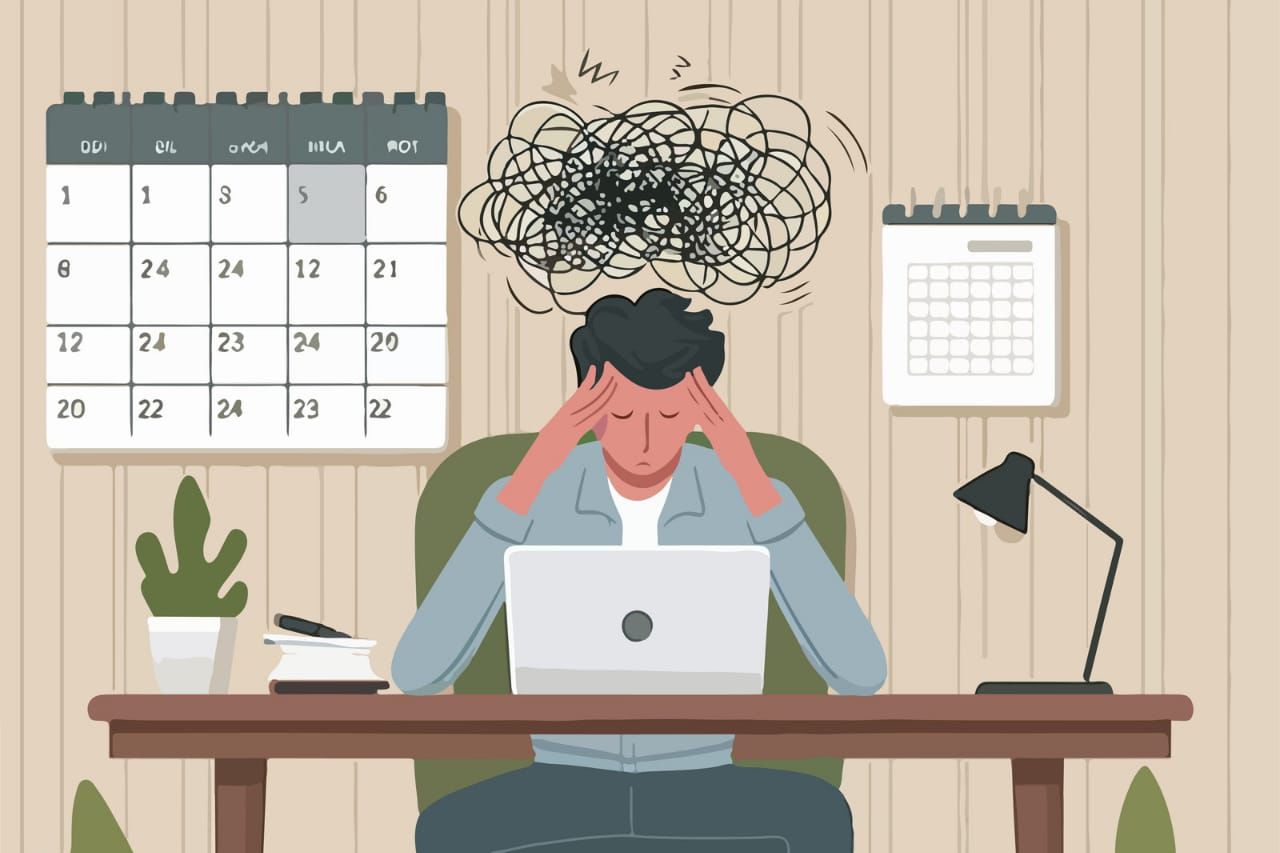
Unaddressed mental health and work challenges don’t appear overnight; they build slowly. Constant pressure, unrealistic expectations, and a lack of emotional support can lead to chronic stress, anxiety, depression, and eventual burnout.
A poor work environment and mental health connection often causes employees to feel emotionally detached, easily frustrated, or mentally exhausted, creating a sense of helplessness that affects both work performance and personal well-being.
Impacts of Poor Work-Life Balance on Mental Health
When work dominates life, mental health suffers in more ways than one. The link between work life balance and mental health becomes impossible to ignore.
Decreased Job Satisfaction
Poor mental health and work life balance often leave employees feeling disconnected and unhappy. Work starts to feel like a burden rather than a purpose.
Reduced Productivity
Mental exhaustion affects focus and decision-making. When work life balance and mental health are ignored, productivity drops, not because people don’t care, but because they’re mentally drained.
Increased Absenteeism
Ongoing stress linked to poor mental health and work often results in more sick days, emotional shutdown, or complete withdrawal from work responsibilities.
How Do I Know If My Work-Life Balance Is Unhealthy?
If work constantly occupies your thoughts, affects sleep, causes irritability, or leaves you emotionally exhausted, your mental health and work life balance may be off. Feeling guilty while resting or anxious during time off is often a clear sign that balance needs attention.
Actions to Support Mental Health at Work
Supporting mental health and work wellbeing requires intention, not just policies. Addressing mental health and work impact issues and good practices helps create a more supportive and human workplace.
The Ways for Promoting Workplace Mental Health
Raise Awareness
Open conversations reduce stigma and help employees feel less alone with their struggles.
Encourage Work-Life Balance
Respecting boundaries strengthens work life balance and mental health, allowing employees to recover and perform better.
Provide Training for Managers
Managers play a key role in shaping the work environment and mental health experience of their teams.
Foster a Supportive Work Culture
Empathy, flexibility, and understanding go a long way in improving mental health and work outcomes.
Preventing Work-Related Mental Health Conditions
Preventing work-related mental health issues starts with noticing the signs early and strengthening the work environment and mental health connection. Regular check-ins help employees feel seen and supported, while flexible policies allow space for rest and recovery.
When organisations pay close attention to workload, expectations, and emotional well-being, they reduce long-term mental strain and create a workplace where people can grow without feeling overwhelmed.
Essential Tips for Maintaining a Healthy Work-Life Balance
- Set clear boundaries between work time and personal time
- Avoid checking work messages outside working hours
- Take short, regular breaks during the day
- Prioritise proper rest and sleep without guilt
- Learn to say no when the workload becomes overwhelming
- Make time for activities that help you relax and recharge
- Maintain routines that support mental health and work life balance
Setting boundaries, taking regular breaks, prioritising rest, and disconnecting after work hours all support mental health and work-life balance. Seeking guidance from a mental health counsellor can also help manage stress and improve emotional well-being. Small daily changes can protect emotional well-being in powerful ways.
Frequently Asked Questions
Mental health and work life balance are closely linked because work affects how we feel emotionally every day. When work takes over personal time, stress builds up, and emotional well-being starts to suffer. A healthy balance allows the mind to rest, reset, and cope better with daily work pressure.
Yes, poor work life balance can affect mental health over time. Constant stress, lack of rest, and emotional exhaustion may lead to burnout, anxiety, or depression. When an imbalance continues for long periods, it can impact both personal well-being and work performance.
The work environment plays a major role in mental health. A negative or unsupportive work environment and mental health connection can increase stress and emotional fatigue. In contrast, a positive environment with open communication and support helps people feel safe, valued, and mentally stronger.
Common mental health and work impact issues include stress, burnout, anxiety, low motivation, and emotional exhaustion. These issues often develop when the workload is high, boundaries are unclear, or emotional support is lacking at work.
Good practices include setting clear boundaries, taking regular breaks, encouraging open conversations, and respecting personal time. Supportive leadership and flexible policies also help employees maintain work life balance and mental health in a healthier way.