Introduction
Mental health is often talked about, but not always understood. Many people experience emotional or psychological challenges at some point, yet they may not recognize them as common mental disorders.
Understanding these conditions is the first step toward better awareness, early support, and recovery. This blog explores what are common mental disorders, their types, symptoms, and how they can be managed effectively.
What Are Disorders?
A disorder is not just a bad day or a temporary phase; it’s a pattern that affects how a person thinks, feels, or behaves.
When we talk about common mental health disorders, we’re referring to conditions that interfere with daily functioning, relationships, and overall well-being. These disorders can vary in intensity but are often manageable with the right support.
Common Types of Mental Disorders
There isn’t just one kind; there are several common types of mental disorders, each with its own patterns and challenges. Understanding them helps in early recognition and timely care.
Depression
Depression is one of the most common mental disorders in India and globally. It goes beyond sadness, often bringing a persistent sense of emptiness, low energy, and loss of interest in daily activities. Over time, it can affect sleep, appetite, and even physical health.
Anxiety Disorders
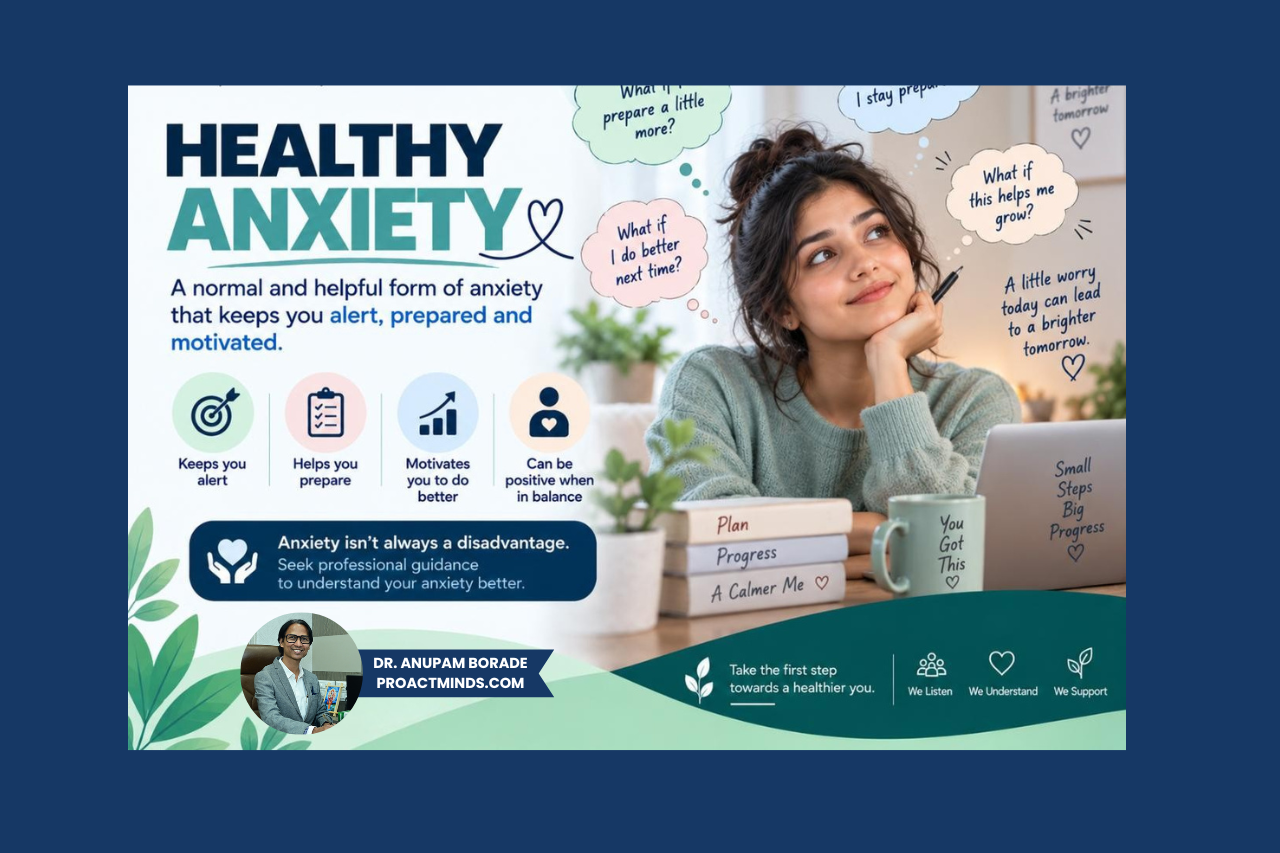
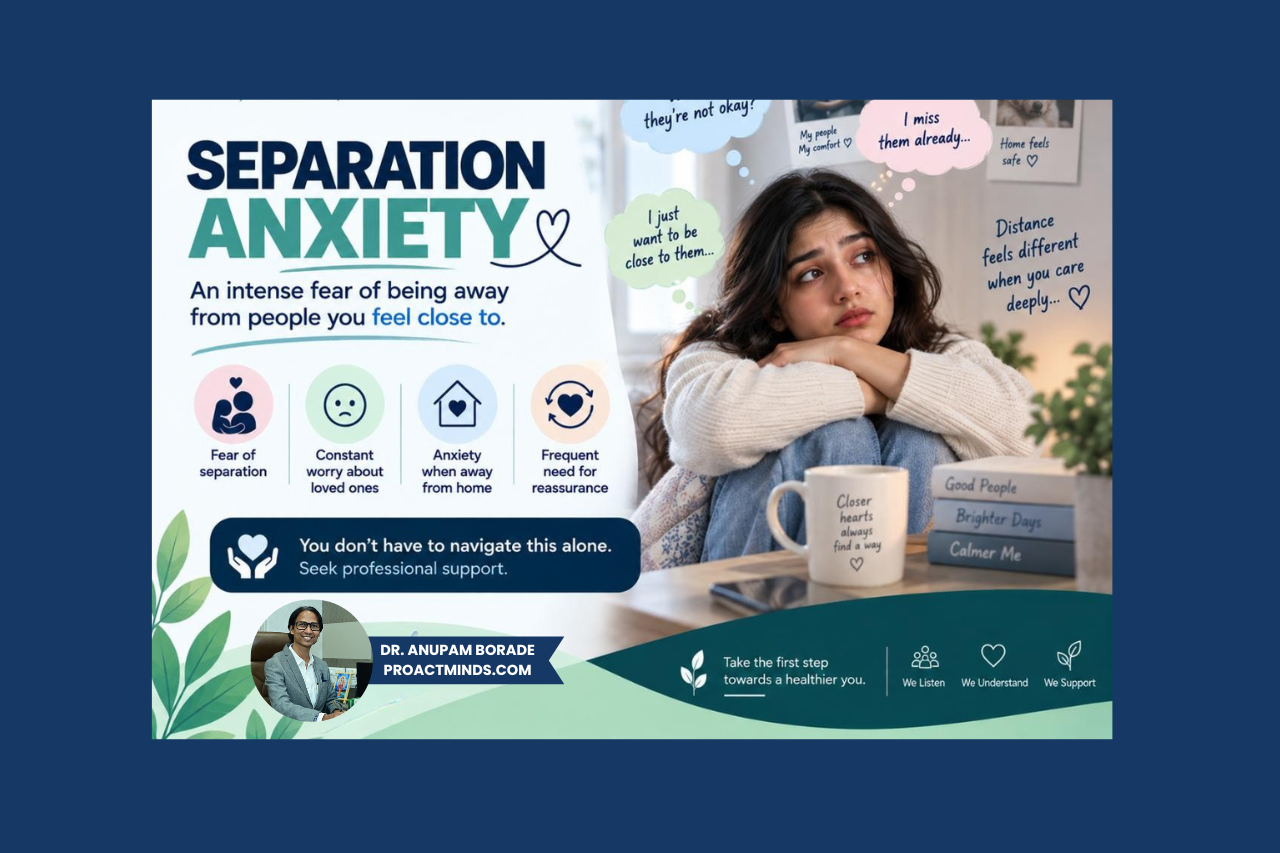
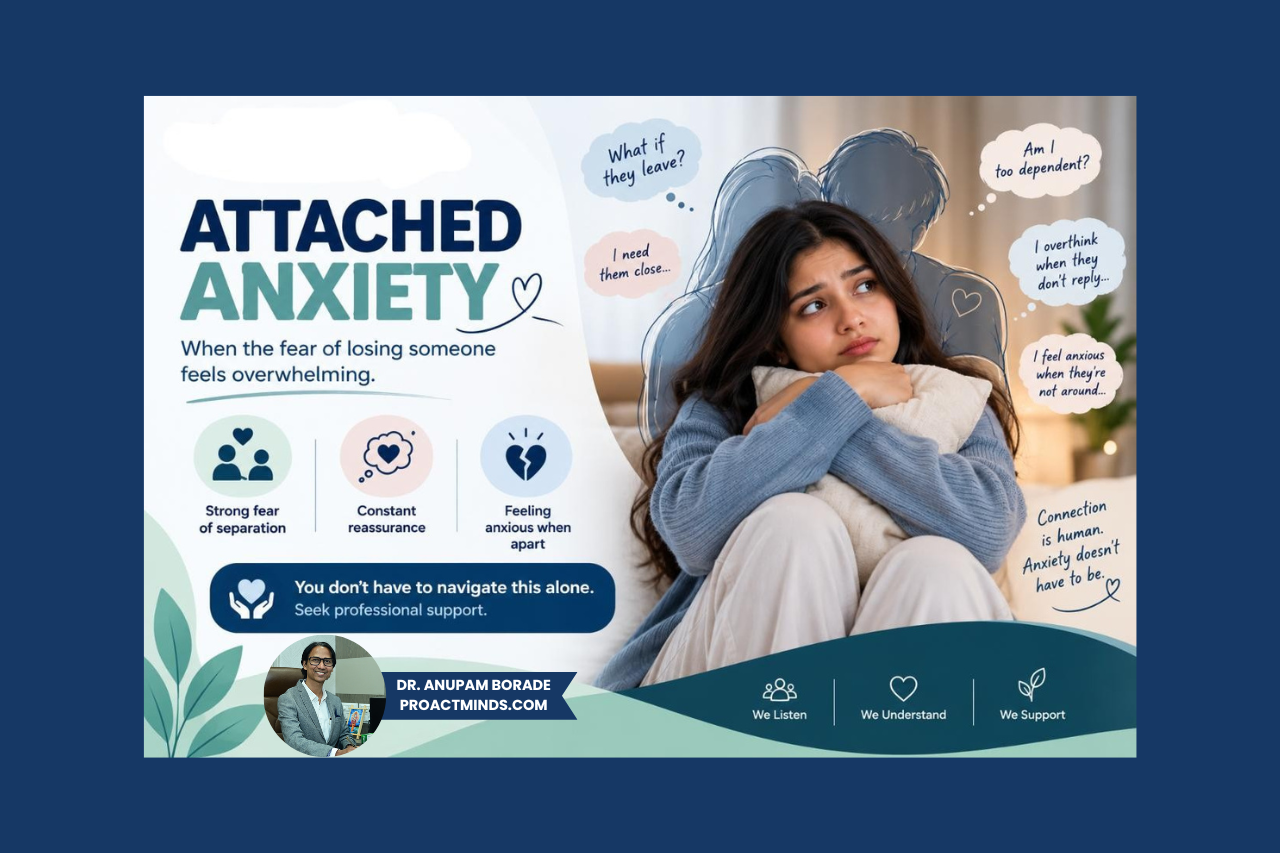
Among the common mental disorders, anxiety-related conditions are widely experienced. They involve excessive worry, fear, or nervousness that doesn’t go away easily.
- GAD (Generalized Anxiety Disorder): Constant, uncontrollable worry about everyday situations.
- Panic Disorder: Sudden episodes of intense fear with physical symptoms like breathlessness or a racing heart.
- Phobias: Irrational fear of specific objects or situations.
- Social Anxiety Disorder: Fear of social situations or being judged by others.
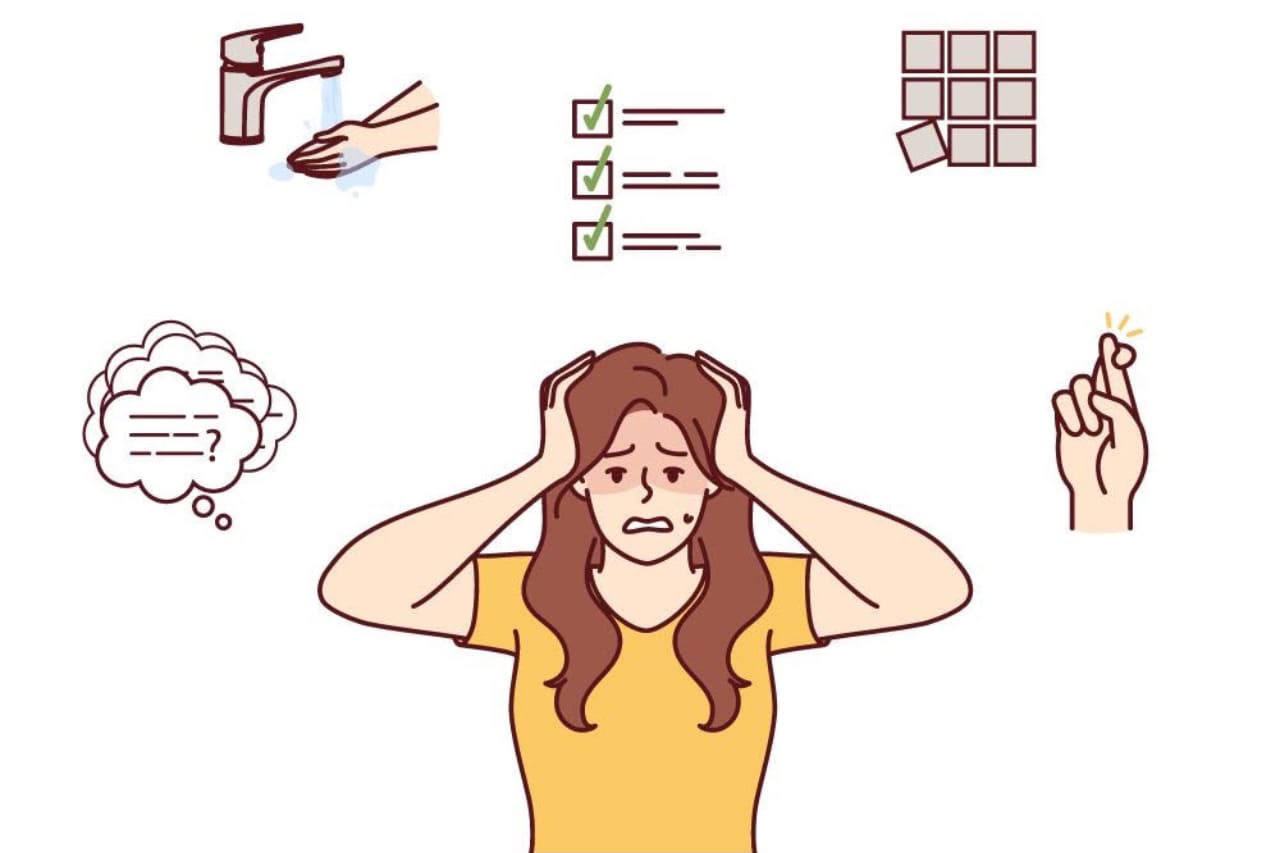
- OCD (Obsessive-Compulsive Disorder): Repetitive thoughts (obsessions) and behaviors (compulsions).
- PTSD (Post-Traumatic Stress Disorder): Emotional distress following traumatic experiences.
These conditions form a major part of the list of the most common mental disorders seen in clinical settings.
Symptoms of Common Mental Disorders
The signs may not always be obvious, but they tend to follow certain patterns across different common mental disorders and symptoms.
- Depression: Persistent sadness, fatigue, loss of interest, changes in sleep and appetite.
- Anxiety Disorders: Restlessness, constant worry, difficulty concentrating, physical symptoms like sweating or palpitations.
- OCD: Intrusive thoughts and repetitive behaviors that feel hard to control.
- PTSD: Flashbacks, emotional numbness, and heightened alertness.
Recognizing these common mental disorders and symptoms early can make a significant difference in recovery.
Aetiology of Common Mental Disorders
There is no single cause behind common mental disorders; it’s usually a mix of factors.
Biological elements like genetics, psychological factors such as coping styles, and environmental influences like stress or trauma all play a role. This combination explains why common types of mental disorders can look different from person to person.
Complications of Mental Disorders
If left unaddressed, common mental health disorders can gradually impact multiple areas of life.
They may lead to difficulties in relationships, reduced work or academic performance, and even physical health issues. In some cases, untreated conditions can increase the risk of substance use or long-term emotional distress.
Diagnosis of Common Mental Disorders
Identifying what are common mental disorders in a clinical sense involves more than just observing symptoms.
Mental health professionals assess emotional patterns, behavior, and personal history to understand the condition. Diagnosis helps differentiate between temporary stress and diagnosable common mental disorders, ensuring appropriate care.
Coping & Management
Managing common mental disorders is not about eliminating emotions; it’s about learning to handle them better and respond in healthier ways.
Some simple yet effective coping strategies include:
- Building a daily routine: Structure brings a sense of control, especially when everything feels overwhelming. Even small habits like fixed sleep times or planned meals can help stabilize mood.
- Practicing mindfulness: Techniques like deep breathing, meditation, or simply being present in the moment can reduce overthinking and anxiety.
- Staying connected: Talking to friends, family, or even a support group can ease emotional burden and reduce feelings of isolation.
- Limiting stress triggers: Identifying what worsens your condition, whether it’s work pressure, social media, or lack of rest, can help you manage exposure better.
- Journaling thoughts: Writing down emotions helps in understanding patterns and processing feelings more clearly.
- Engaging in activities you enjoy: Hobbies, creative outlets, or even light physical activity can act as emotional resets.
Over time, these small, consistent efforts can significantly reduce the intensity of symptoms associated with common mental disorders and improve overall well-being.
Pathways to Care
Seeking help often starts with awareness. Many people experiencing common mental disorders delay care due to stigma or lack of information.
The pathway usually begins with recognizing symptoms, followed by consulting a professional, and then continuing with therapy or treatment plans. Early action can significantly improve outcomes.
Lifestyle Changes
Small, consistent changes can make a big difference when dealing with common mental health disorders. These are not quick fixes, but daily habits that support long-term mental stability.
- Prioritising sleep hygiene: Going to bed and waking up at the same time daily helps regulate mood and energy levels, especially in people experiencing common mental disorders.
- Maintaining a balanced diet: Nutrient-rich foods support brain function. Irregular eating patterns or excessive junk food can worsen symptoms linked to the most common mental disorders in India.
- Incorporating physical movement: Regular exercise, even light activities like walking, helps release endorphins, which naturally improve mood and reduce stress.
- Reducing screen and social media exposure: Constant digital stimulation can increase anxiety and comparison, especially in those dealing with common mental health disorders.
- Creating a structured environment: Keeping your surroundings organised and predictable can reduce mental clutter and improve focus.
- Spending time outdoors: Natural light and fresh air have a calming effect and can help regulate emotional patterns associated with common types of mental disorders.
- Limiting caffeine and stimulants: Excess intake can heighten anxiety symptoms and disrupt sleep cycles, particularly in individuals with anxiety-related conditions.
- Building consistency over perfection: It’s not about doing everything perfectly, but about showing up regularly for small, positive habits.
These lifestyle shifts act as a strong foundation, supporting both prevention and recovery from common mental disorders over time.
Professional Help
While self-care is important, professional guidance plays a key role in managing common types of mental disorders.
Therapies like CBT, counseling, and in some cases, medication, are used to treat different conditions. Reaching out for help is not a weakness; it’s a step toward recovery and better mental health.
Frequently Asked Questions
Common mental disorders are conditions that affect thoughts, emotions, and behavior, impacting daily life. Understanding what are common mental disorders helps in early recognition and seeking the right support. They are common, manageable, and often improve with timely care.
The most common type of mental disorder categories include depression and anxiety disorders, which form a major part of the list of most common mental disorders worldwide. These conditions vary in intensity but are widely treatable.
Anxiety disorders are considered the most common type of mental disorder, followed closely by depression, both widely seen among common mental disorders. Early support can help prevent symptoms from becoming severe.
Common mental disorders and symptoms include sadness, excessive worry, fatigue, sleep issues, and difficulty concentrating. Recognizing these signs early can help manage common mental disorders better. Ignoring them may lead to worsening over time.
The most common mental disorders in India include depression and anxiety-related conditions, often influenced by lifestyle and stress factors. Awareness around common mental health disorders is steadily increasing.
A list of most common mental disorders includes depression, anxiety disorders, OCD, and PTSD, which fall under common types of mental disorders. These are commonly diagnosed and well-researched conditions.