Introduction
Everyone experiences unwanted thoughts from time to time, but for people with OCD, these thoughts can feel repetitive, distressing, and difficult to ignore. They may create anxiety, discomfort, or an urge to perform certain actions just to feel temporary relief.
This is why many people search for how to stop OCD thoughts naturally and look for practical ways to manage these patterns in everyday life. While OCD thoughts may not disappear instantly, understanding them better can help you respond differently.
What Is OCD?
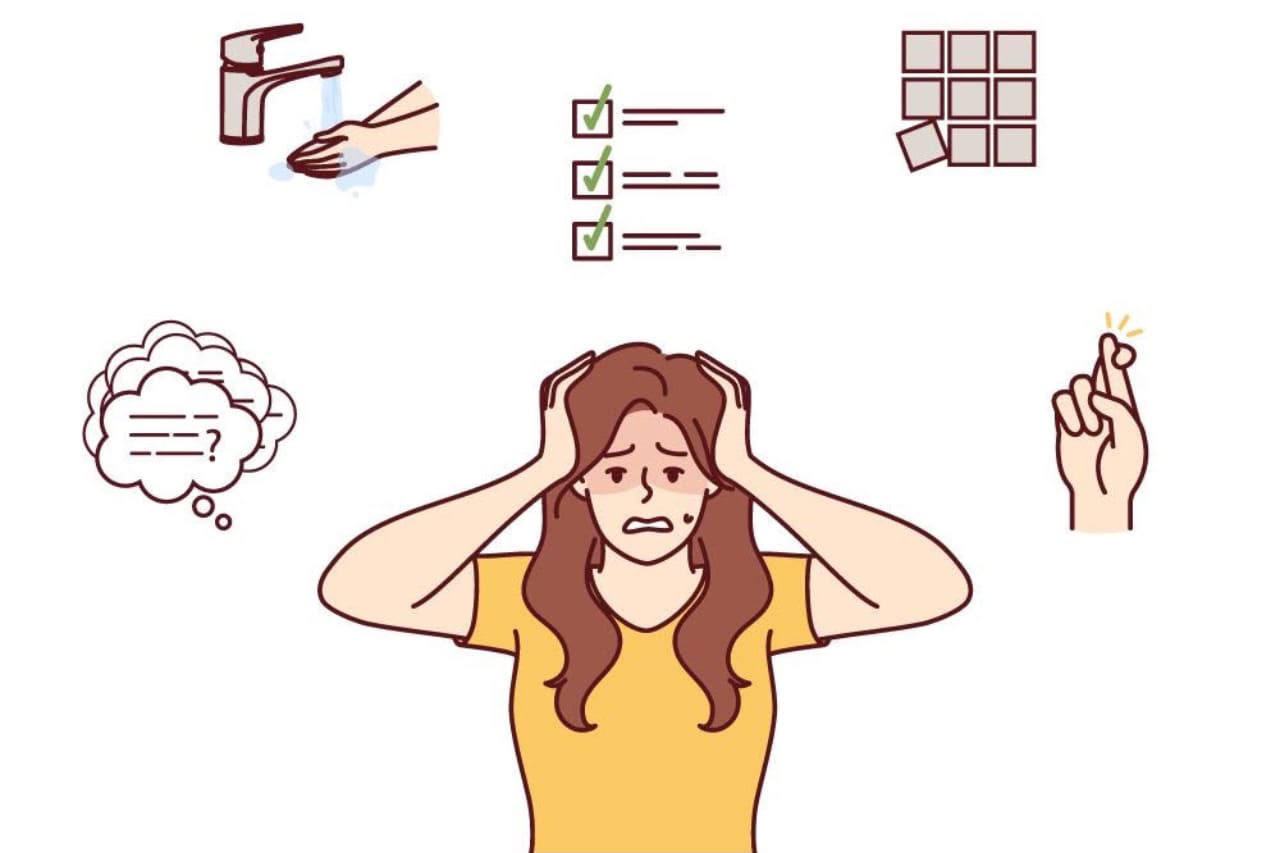
Obsessive-Compulsive Disorder (OCD) is a mental health condition that involves recurring unwanted thoughts, images, or urges known as obsessions, along with repetitive behaviours or mental rituals called compulsions. These compulsions are often performed to reduce the anxiety caused by obsessive thoughts.
OCD is not simply about cleanliness or organisation, as it is often misunderstood. It can affect different areas of thinking, behaviour, and emotional well-being.
Let’s Understand OCD
OCD works in a cycle. A distressing thought appears, creates anxiety or discomfort, and pushes a person to perform a certain action or mental ritual to feel temporary relief. Over time, this cycle can become repetitive and difficult to break.
Understanding this pattern is important when learning how to stop OCD thoughts naturally, because the goal is not always to eliminate thoughts completely, but to change how you respond to them.
Symptoms & Causes Of OCD
OCD symptoms usually involve both obsessive thoughts and compulsive behaviours that can interfere with daily life, relationships, and emotional well-being. The condition can vary in intensity and may look different from person to person.
Common symptoms may include intrusive thoughts, repetitive checking, mental rituals, reassurance-seeking, counting, arranging, or avoiding certain situations due to fear or anxiety. OCD is believed to develop through a combination of genetic factors, brain functioning differences, learned behavioural patterns, stress, and environmental influences.
Types of OCD
OCD types can show up differently depending on the nature of intrusive thoughts and compulsive behaviours.
Unwanted Intrusive Thoughts
This type often includes repetitive distressing thoughts related to harm, fear, taboo themes, or something bad happening unexpectedly.
Constant Double-Checking & Reassuring
People may repeatedly check locks, switches, messages, or seek reassurance from others to reduce uncertainty and anxiety.
Fear Of Contamination
This can involve excessive fear of germs, illness, dirt, or contamination, often leading to repetitive cleaning or avoidance behaviours.
Need For Order & Balance
Some individuals feel distressed unless things are arranged symmetrically, evenly, or in a particular order.
Problems That OCD Causes
OCD can affect much more than just thoughts. Over time, repetitive obsessions and compulsions may begin interfering with daily functioning, emotional well-being, and overall quality of life.
- Difficulty concentrating on work, studies, or conversations because intrusive thoughts keep interrupting focus
- Reduced productivity as compulsions or repeated checking behaviours take up time and mental energy
- Emotional exhaustion from constantly managing anxiety, fear, or repetitive thought patterns
- Poor decision-making due to overthinking, doubt, and fear of making mistakes
- Sleep disturbances caused by racing thoughts, anxiety, or nighttime compulsions
- Disrupted daily routines when simple tasks start taking longer because of repetitive behaviours
- Strained relationships due to reassurance-seeking, irritability, or difficulty explaining symptoms to others
- Increased stress and overwhelm from feeling mentally stuck in obsessive cycles
Why OCD Thoughts Feel So Hard To Ignore
OCD thoughts often feel intense because the brain incorrectly treats certain thoughts as urgent, threatening, or highly important. This can create a strong emotional reaction and an urge to neutralise the discomfort immediately.
The more you try to force thoughts away or “solve” them, the more attention they often receive. This is one reason people continue looking for how to stop OCD thoughts naturally in a way that feels manageable.
Things That Can Make OCD Thoughts Worse
Certain habits and situations can unintentionally increase OCD symptoms and intrusive thinking.
Common triggers include high stress levels, poor sleep, excessive caffeine, emotional overwhelm, uncertainty, major life changes, and constantly seeking reassurance. Avoiding triggers completely is not always possible, but recognising them can help reduce their impact.
Can You Stop OCD Thoughts Naturally?
Natural coping strategies may help reduce the intensity of OCD thoughts and improve your response patterns over time.
Recognise The Thought Without Reacting
Instead of immediately engaging with the thought, try identifying it as an OCD thought rather than a real threat or fact.
Calm Your Nervous System
Deep breathing, slow exhalation, and relaxation techniques can help reduce immediate anxiety linked to intrusive thoughts.
Delay The Urge To Respond
Practice waiting a few minutes before reacting to compulsions or reassurance-seeking habits. This helps weaken the cycle gradually.
Stay Present Through Mindfulness
Mindfulness helps bring your attention back to the present moment instead of getting stuck in repetitive thought loops.
Use Grounding Techniques
Methods like the 5-4-3-2-1 grounding exercise can help reconnect you to your surroundings when anxiety feels intense.
Move Your Body
Physical activity, such as walking, stretching, or exercise, can help regulate stress and improve mental clarity.
Monitor Lifestyle Triggers
Reducing caffeine, limiting excessive sugar, improving sleep, and maintaining balanced routines may support emotional stability.
Journal Your Thought Patterns
Keeping a thought record journal can help you notice recurring obsessions, triggers, and response patterns more clearly.
Daily Habits That Lower OCD Thought Intensity
- Getting enough sleep can help you feel more emotionally balanced and better able to manage intrusive thoughts.
- Regular physical activity, even a short walk, can help reduce stress and support overall mental well-being.
- Limiting caffeine may help if coffee, energy drinks, or other caffeinated drinks make you feel more restless or anxious.
- Managing everyday stress through breaks, relaxation, and a balanced routine can make OCD thoughts easier to handle.
- Spending time on hobbies, social activities, and things you enjoy can help prevent OCD thoughts from taking over your entire day.
- Avoiding repeated reassurance-seeking can also help reduce the cycle of temporarily feeling better and then becoming worried again.
- These habits can support OCD management, but they do not replace professional treatment when symptoms significantly affect daily life.
Importance Of Taking Actions
Managing OCD requires intentional effort and awareness. Small actions taken consistently can help reduce the hold intrusive thoughts have over daily life.
Learning healthier responses, noticing triggers, and gradually reducing compulsive patterns can make symptoms feel more manageable over time.
Professional Help
While self-help strategies can be useful, professional guidance is often important when OCD begins affecting your quality of life, routines, or emotional well-being. Mental health professionals can help individuals better understand intrusive thoughts, compulsive behaviours, and healthier coping mechanisms.
At Proact Minds, mental health services focus on supporting individuals through structured guidance, emotional support, and evidence-based therapeutic approaches for conditions like OCD.
Frequently Asked Questions
OCD thoughts may not completely disappear on their own, but their intensity and emotional impact can be reduced with consistent coping strategies, awareness, and healthier response patterns.
Deep breathing, mindfulness, grounding techniques, journaling, and limiting reassurance-seeking behaviours may help manage intrusive thoughts at home.
Stress, lack of sleep, excessive caffeine, emotional overwhelm, uncertainty, and major life changes can often worsen OCD symptoms.
Yes, mindfulness can help individuals observe intrusive thoughts without immediately reacting to them, reducing the intensity of obsessive thinking over time.
Professional support is recommended when OCD thoughts or compulsions begin affecting daily life, relationships, work, or emotional well-being significantly.
Healthy sleep, balanced routines, exercise, reduced caffeine, and stress management can support symptom management, though they may work best alongside professional guidance.