
Introduction
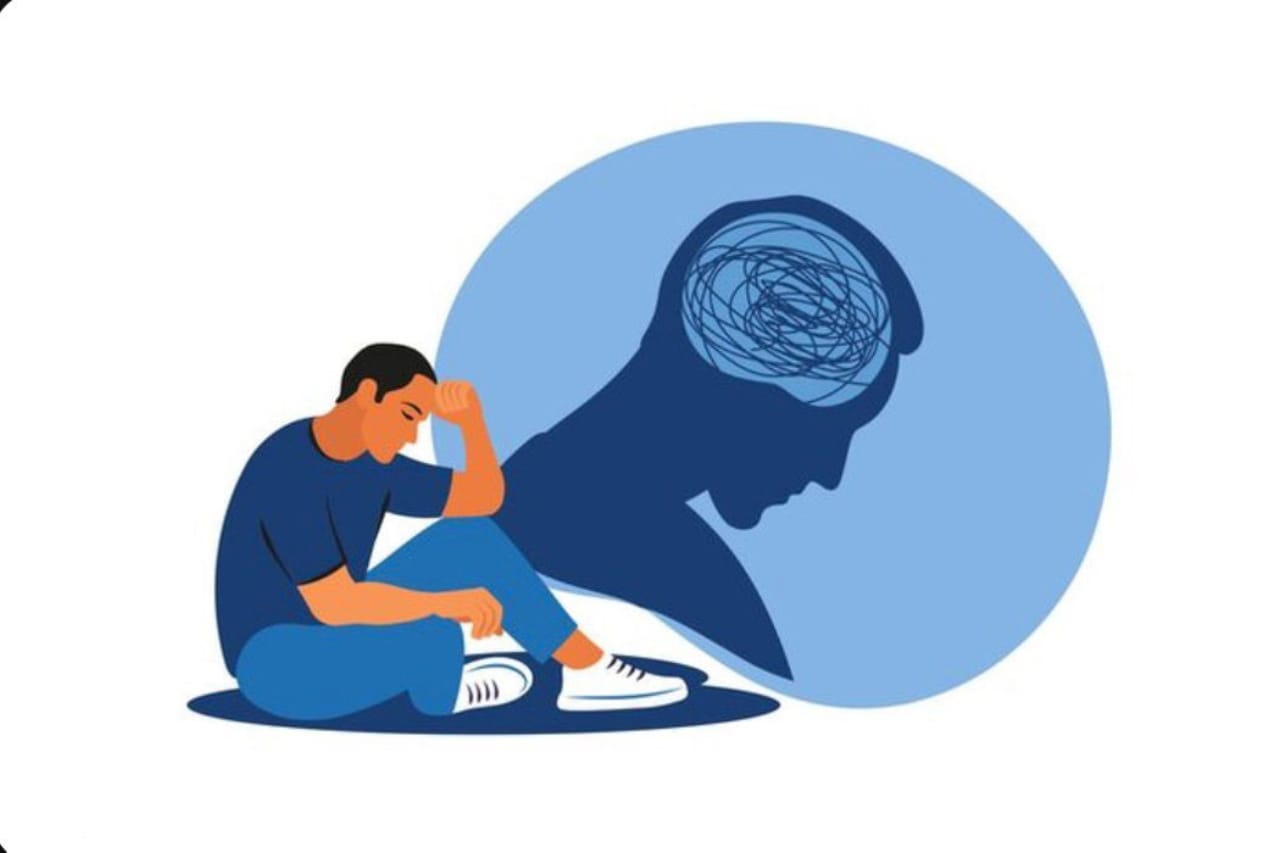
Anxiety symptoms in men can often go unnoticed or be misunderstood, yet they have a significant impact on daily life. Understanding these symptoms is the first step toward recognising, managing, and seeking support for mental wellbeing.
Types of Anxiety Men Experience
Men can experience anxiety in several forms, each with its own set of challenges and effects. Knowing the type of anxiety helps in identifying symptoms early and taking the right steps for support.
Generalized anxiety disorder (GAD)
Generalized anxiety disorder symptoms in men often involve persistent and excessive worry about everyday matters. Worry that won’t quit tends to show up differently in men – sometimes as constant tension around regular life stuff. Jittery feelings might appear alongside a drop in energy, which then drags focus down too. When concentration slips like this, even small tasks grow heavier. Recognising GAD is crucial for seeking timely support and learning coping strategies.
Social Anxiety Disorder
Fear grips some men when facing people, especially worrying what others might think. Staying away from gatherings becomes common, along with shaky feelings and doubting oneself. Knowing how this shows up offers a path forward – calmer moments without losing touch. Realizing patterns makes space for steadier steps through daily encounters.
Panic disorder
Panic disorder in men involves sudden, intense episodes of fear known as panic attacks. These attacks can cause heart palpitations, shortness of breath, and feelings of losing control. Understanding panic disorder allows men to recognise triggers and seek effective management strategies.
Also Read About: Anxiety vs Panic Attack
Post-traumatic stress disorder (PTSD)
PTSD in men can develop after experiencing or witnessing a traumatic event. Symptoms may include flashbacks, irritability, and heightened vigilance, affecting work and relationships. Early recognition and treatment of PTSD can help men regain a sense of safety and normalcy.
Obsessive-compulsive disorder (OCD)
OCD in men is characterised by unwanted, repetitive thoughts and compulsive behaviours performed to reduce anxiety. This can interfere with daily life and create frustration or distress. Recognising OCD as a form of anxiety is important for accessing professional support and coping strategies.
Signs & Symptoms of Anxiety in Men
Anxiety symptoms in men often show up in subtle ways, but they can take a big toll on daily life. Physical signs like a racing heart, muscle tension, shortness of breath, sweating, dizziness, and insomnia are common anxiety physical symptoms in men. Even small tasks can feel overwhelming when the body is constantly on alert.
Anxiety also affects thoughts and behavior. Men may struggle to concentrate, feel restless, avoid social situations, or constantly worry about losing control. These generalized anxiety disorder symptoms in men, along with other symptoms of stress and anxiety in men, highlight the need to recognise and address anxiety early before it starts affecting relationships and work.
Causes of Anxiety in Men
Anxiety in men can stem from a mix of biological, psychological, and environmental factors. Hormonal changes, genetics, work pressure, relationship issues, and traumatic experiences can all contribute to the onset of anxiety.
Recognising these causes helps men understand their symptoms and take proactive steps to manage anxiety and reduce its impact on daily life.
How Anxiety Affects Men’s Daily Life
Anxiety symptoms in men can quietly creep into every corner of daily life, turning ordinary tasks into constant mental battles. Struggling to focus at work or avoid social events, anxiety can make even simple routines feel heavy and exhausting.
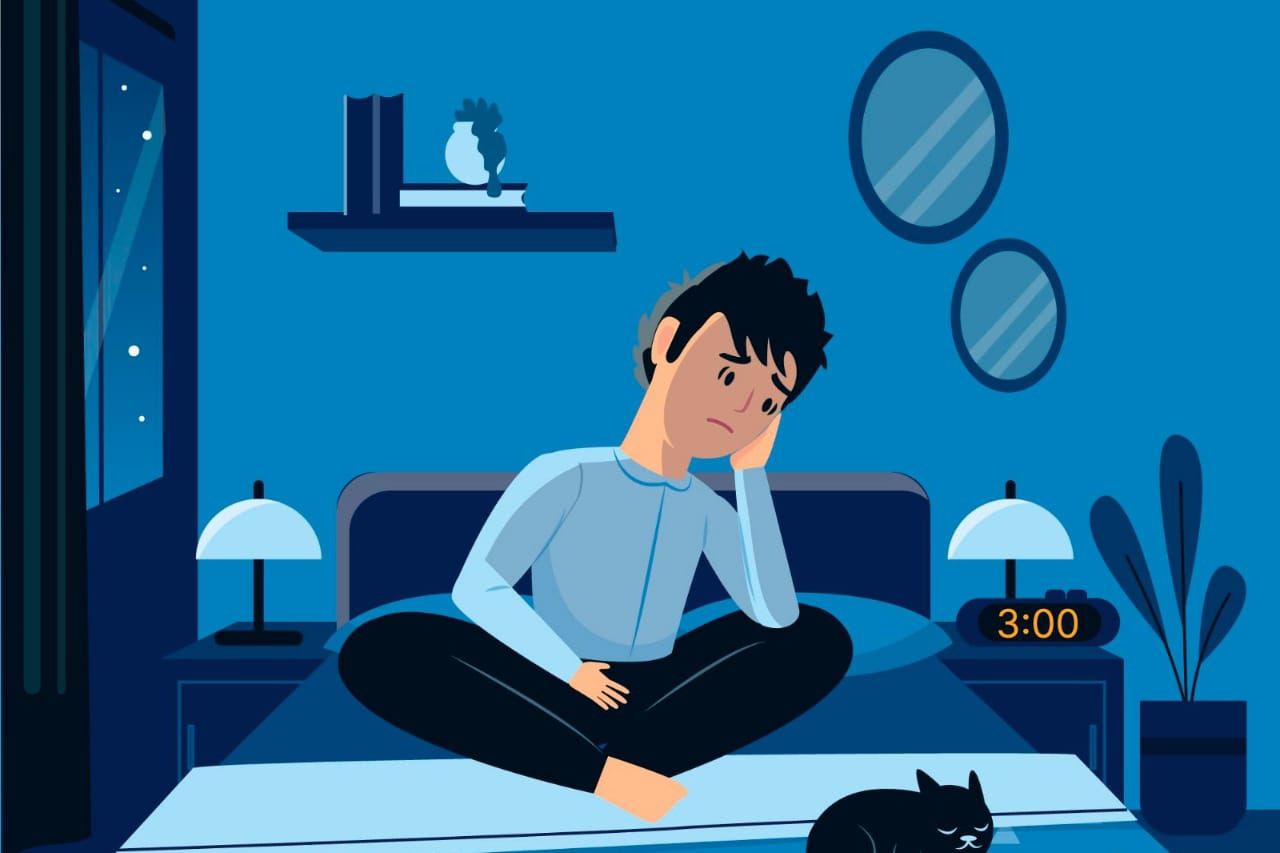
Sleep disturbances, irritability, and constant worry often leave men feeling drained, making it harder to enjoy hobbies, relationships, or downtime. Over time, these symptoms of anxiety disorder in men can create a cycle where stress feeds more anxiety, impacting overall well-being.
Anxiety Treatment for Men
Seeking treatment for anxiety symptoms in men is not a sign of weakness; it’s a step toward taking control. There are several ways men can manage anxiety effectively, depending on the type and severity of symptoms.
Therapy
Thoughts can spiral, yet talking helps untangle them. Men often see clearer patterns when guided through how they react. A therapist might suggest small shifts in routine that quietly build confidence. Worry loses power once named out loud. Fear shrinks with repeated exposure, handled gently.
Stress becomes easier to carry when broken into parts. Practical steps replace old habits without force. Progress shows up in quieter moments, not grand leaps. This approach works well because it meets men where they are, making it one of the most effective ways to tackle generalized anxiety disorder symptoms in men.
Medication
In some cases, medication can help balance brain chemistry and relieve persistent anxiety. Antidepressants or anti-anxiety medications are prescribed carefully and monitored by professionals to ensure the best results. When combined with therapy, medication can significantly improve the quality of life for men struggling with anxiety.
Lifestyle changes
Simple lifestyle changes can make a big difference in managing anxiety physical symptoms in men. Regular exercise, a healthy diet, consistent sleep, and mindfulness practices like meditation help calm both body and mind. Building routines that support mental well-being reduces the intensity of symptoms of stress and anxiety in men.
The Role of Support Systems in Managing Anxiety
Friends, family, and colleagues play a huge role in managing anxiety symptoms in men. Open conversations, empathy, and encouragement can help men feel understood and less isolated.
Support systems make it easier to follow treatment plans, practice coping strategies, and maintain motivation during difficult times, creating a safety net for ongoing mental well-being.
Why Professional Support Matters
Help from trained experts gives men clear direction when dealing with personal signs of anxiety. A therapist, a doctor, or a counselor might spot what kind of anxious feelings are present, suggest useful ways to respond, then teach practical tools for managing them. Getting that kind of assistance lessens discomfort while building confidence – slowly pulling someone back into steady routines and quieting constant unease.
Frequently Asked Questions
Yes, anxiety can present differently in men and women. Men often show physical signs like muscle tension, racing heart, or shortness of breath, while women may express more emotional worry. Recognising these differences helps tailor how we understand and manage anxiety symptoms in men.
There isn’t a single cause, but a mix of genetics, brain chemistry, stressful life events, work pressure, and trauma often contribute to anxiety in men. Awareness of these triggers helps men understand their symptoms of anxiety disorder in men and take steps toward managing them.
Stopping anxiety thoughts in men involves a combination of mindfulness, cognitive-behavioral strategies, and lifestyle habits. Techniques like grounding exercises, breathing practices, and structured daily routines can help reduce racing thoughts and persistent worry.
Anxiety in men may show up as restlessness, irritability, trouble concentrating, avoidance, or physical symptoms like a racing heart and sweating. Paying attention to these signs of stress and anxiety in men can help identify when anxiety is affecting daily life.
Managing anxiety in men is about a mix of professional support, healthy routines, and coping strategies. Therapy, lifestyle changes, and sometimes medication can all reduce anxiety physical symptoms in men and help break the cycle of constant worry.
Anxiety physical symptoms in men include Heavy breathing, a racing pulse, tight muscles. Men might feel dizzy, struggle to sleep, and sweat without reason. Spotting them fast changes how things go. When noticed early, life stays steady at the job, at home, during regular days.
Generalized anxiety disorder symptoms in men include persistent worry, restlessness, trouble focusing, irritability, and fatigue. These symptoms of anxiety disorder in men often last for months and impact daily life, making early recognition and management essential.