
Introduction
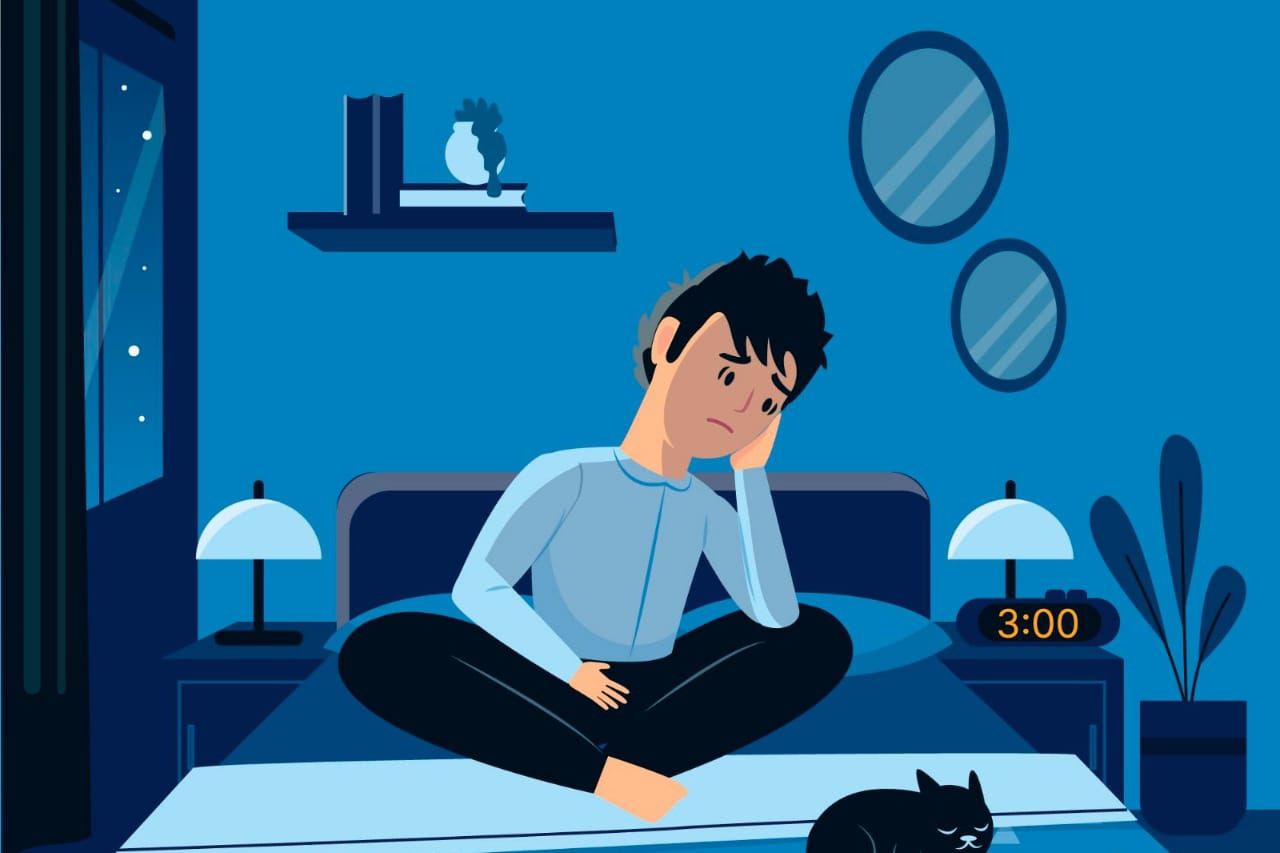
Some people don’t avoid others because they don’t care; they avoid because they care too much. The fear of rejection, criticism, or embarrassment quietly shapes how they live, connect, and see themselves.
This is where understanding avoidant personality disorder becomes important. Not as a label, but as a way to explain patterns that feel confusing, exhausting, and deeply personal.
Is Avoidant Personality Disorder Common?
Avoidant personality disorder is more common than it appears, but often goes unnoticed. Many people live with it silently, assuming their discomfort around others is just part of who they are.
Because symptoms often overlap with anxiety or depression, avoidant personality disorder is frequently misunderstood or diagnosed late, even though early avoidant personality disorder treatment can make a meaningful difference.
Who Does Avoidant Personality Disorder Affect?
Avoidant personality disorder often exists alongside other mental health conditions, which can intensify emotional distress and social withdrawal.
People with clinical depression (major depressive disorder) or persistent depressive disorder may experience deeper feelings of worthlessness and isolation when avoidant traits are present. Those with social anxiety disorder often struggle with intense fear of judgment, reinforcing avoidant patterns.
Conditions like obsessive-compulsive disorder and panic disorder may coexist, increasing emotional overwhelm. Eating disorders such as anorexia nervosa and binge eating disorder can also appear, especially when self-image and self-worth are deeply affected.
Symptoms of Avoidant Personality Disorder
The symptoms of avoidant personality disorder often show up quietly. They are not always obvious from the outside, but internally, they can feel overwhelming and constant. These signs usually revolve around fear of judgment, rejection, and feeling “not good enough,” even in safe situations.
- Strong fear of criticism, rejection, or disapproval
- Avoidance of social situations due to fear of embarrassment
- Reluctance to form close relationships unless fully certain of acceptance
- Extreme sensitivity to negative feedback or judgment
- Persistent feelings of inadequacy or inferiority
- Low self-esteem and constant self-doubt
- Avoidance of new activities due to fear of failure
- Emotional restraint, even in close or familiar relationships
- Strong desire for connection paired with fear of getting hurt
Causes of Avoidant Personality Disorder
There is no single explanation for avoidant personality disorder causes. Instead, it develops through a combination of emotional, biological, and environmental influences.
Genetics
Genetics can play a role in emotional sensitivity and temperament. A family history of anxiety or personality traits linked to avoidance may increase vulnerability.
Temperament During Infancy
Children who are naturally shy, cautious, or highly sensitive may be more prone to developing avoidant traits later in life.
Attachment Style
Insecure attachment patterns can influence how individuals view relationships. When emotional safety feels uncertain early on, avoidance may become a coping mechanism.
Early Childhood Environment
An environment lacking emotional support or safety can shape deep-rooted fears of rejection, contributing to avoidant personality disorder causes.
Denigration
Repeated criticism or being made to feel “not good enough” can leave lasting emotional scars.
Emotional abuse
Emotional invalidation or manipulation during formative years often contributes to long-term self-doubt and avoidance.
Ridicule
Being mocked or humiliated, especially during childhood or adolescence, can strongly reinforce avoidant behaviour.
Peer rejection
Social rejection during key developmental years can deeply impact confidence and social comfort, influencing the etiology of avoidant personality disorder.
Etiology of Avoidant Personality Disorder
The etiology of avoidant personality disorder refers to how these different factors come together over time. It is not caused by one moment, but by repeated experiences that teach the individual that the connection feels unsafe.
Understanding the etiology of avoidant personality disorder helps move the conversation away from blame and toward compassion and effective care.
Diagnosis, Treatment & Management
Diagnosis involves a thorough psychological evaluation by a mental health professional. Understanding what is avoidant personality disorder clearly is essential before planning care.
Avoidant personality disorder treatment often includes psychotherapy, especially approaches that focus on self-esteem, emotional safety, and social confidence. With consistent support, individuals can learn healthier ways to relate to themselves and others. Long-term avoidant personality disorder treatment focuses on gradual progress, not forced change.
How to Prevent Avoidant Personality Disorder?
While not all cases can be prevented, early emotional support plays a powerful role. Encouraging healthy self-expression, emotional validation, and positive social experiences can reduce risk.
Addressing emotional struggles early may also reduce the severity of avoidant personality disorder symptoms later in life.
Frequently Asked Questions
Avoidant personality disorder definition refers to a long-term pattern of social inhibition, feelings of inadequacy, and extreme sensitivity to criticism or rejection. Understanding what is avoidant personality disorder helps explain why connection feels both desired and frightening.
Common avoidant personality disorder symptoms include social withdrawal, fear of judgment, low self-worth, and emotional restraint. These signs of avoidant personality disorder often develop gradually.
Avoidant personality disorder causes include genetics, early emotional experiences, attachment patterns, and repeated exposure to criticism or rejection during childhood.
The etiology of avoidant personality disorder involves a combination of biological sensitivity and environmental influences that reinforce fear of rejection over time.
Avoidant personality disorder treatment primarily involves psychotherapy, focusing on building confidence, emotional safety, and healthier social connections.
Learning how to overcome avoidant personality disorder often starts with seeking professional support. Therapy provides a safe space to explore fears, rebuild self-worth, and practice new ways of relating to others without pressure or judgment.