
Introduction
Mental health conversations have slowly started finding space in our everyday lives, yet misconceptions about mental illness continue to shape how people think, react, and respond. Many of these beliefs are passed down quietly through families, social norms, and silence. Especially, misconceptions about mental illness in India often blur the line between facts and fear, making it harder for people to seek help without guilt or shame.
Understanding and challenging these common misconceptions about mental illness is not just important, it’s necessary for emotional safety, dignity, and healing.
Why Is This Happening?
The roots of misconceptions about mental illness run deep. They don’t appear overnight; they grow slowly through culture, silence, and misunderstanding.
Old Beliefs Passed Down Generations
In many households, mental health struggles are still seen as a weakness or lack of willpower. These outdated ideas strongly contribute to misconceptions about mental illness in India, where emotional pain is often expected to be “handled privately.”
Limited Mental Health Awareness
When people don’t have access to correct information, myths fill the gap. A lack of education around emotional well-being leads to common misconceptions about mental illness, such as believing it only affects a few people or that it isn’t serious.
Pressure to “Fit In” Socially
Society often values strength, success, and emotional control. This pressure creates fear around being labelled or judged, reinforcing misconceptions about mental illness and encouraging silence over support.
Faith and Misinterpretation
While spirituality can be a source of comfort, mental health issues are sometimes wrongly linked to fate, karma, or divine punishment. Such beliefs further deepen misconceptions about mental illness in India, delaying proper care.
How Do These Misconceptions Affect Individuals and Families?
The impact of common misconceptions about mental illness goes far beyond misunderstanding; they affect real lives, relationships, and futures.
Putting Off Professional Support
Many people delay therapy or medical help because of fear or denial. These delays, rooted in misconceptions about mental illness, often make recovery more difficult.
Feeling Alone and Ashamed
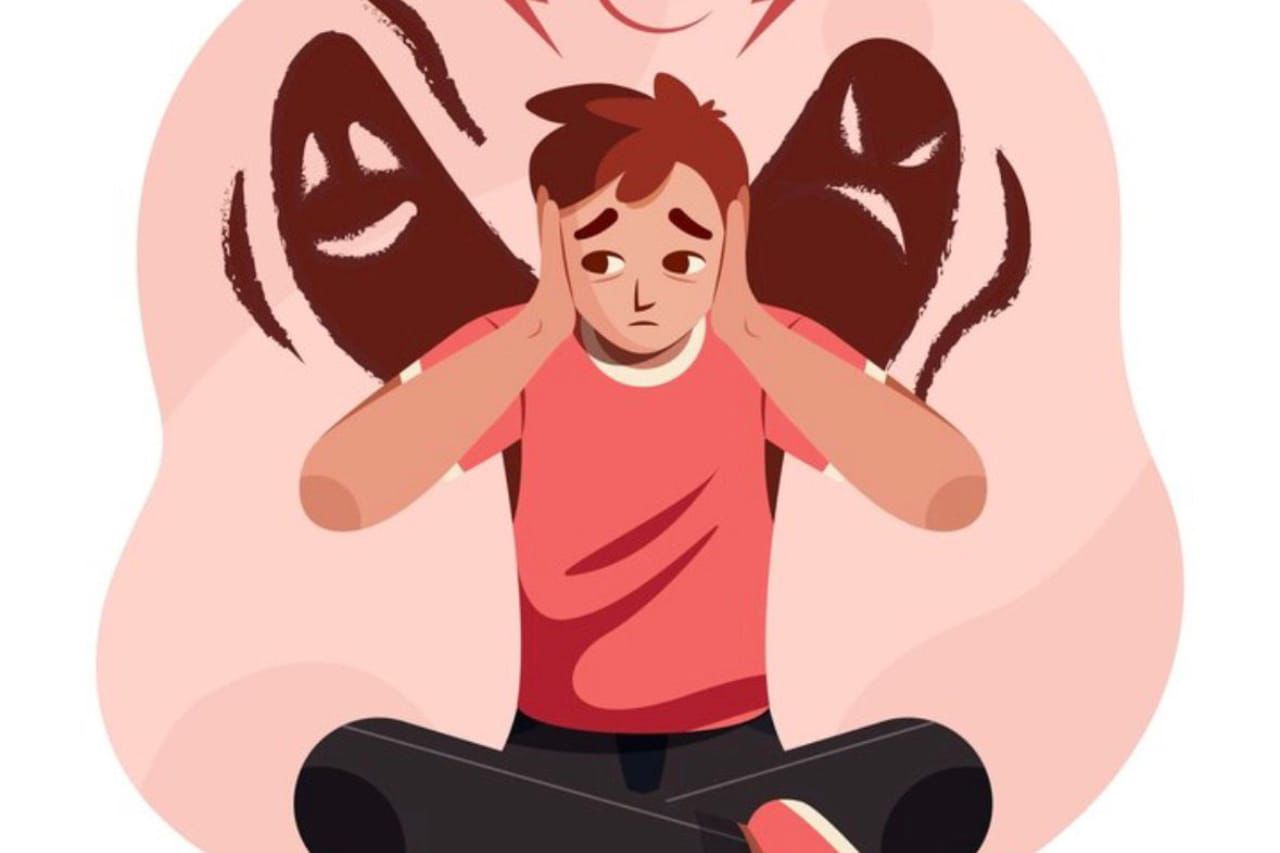
When mental health struggles are misunderstood, individuals may feel isolated or guilty. Families, too, may struggle silently, affected by misconceptions about mental illness in India that discourage open conversations.
Disruption in Daily Life
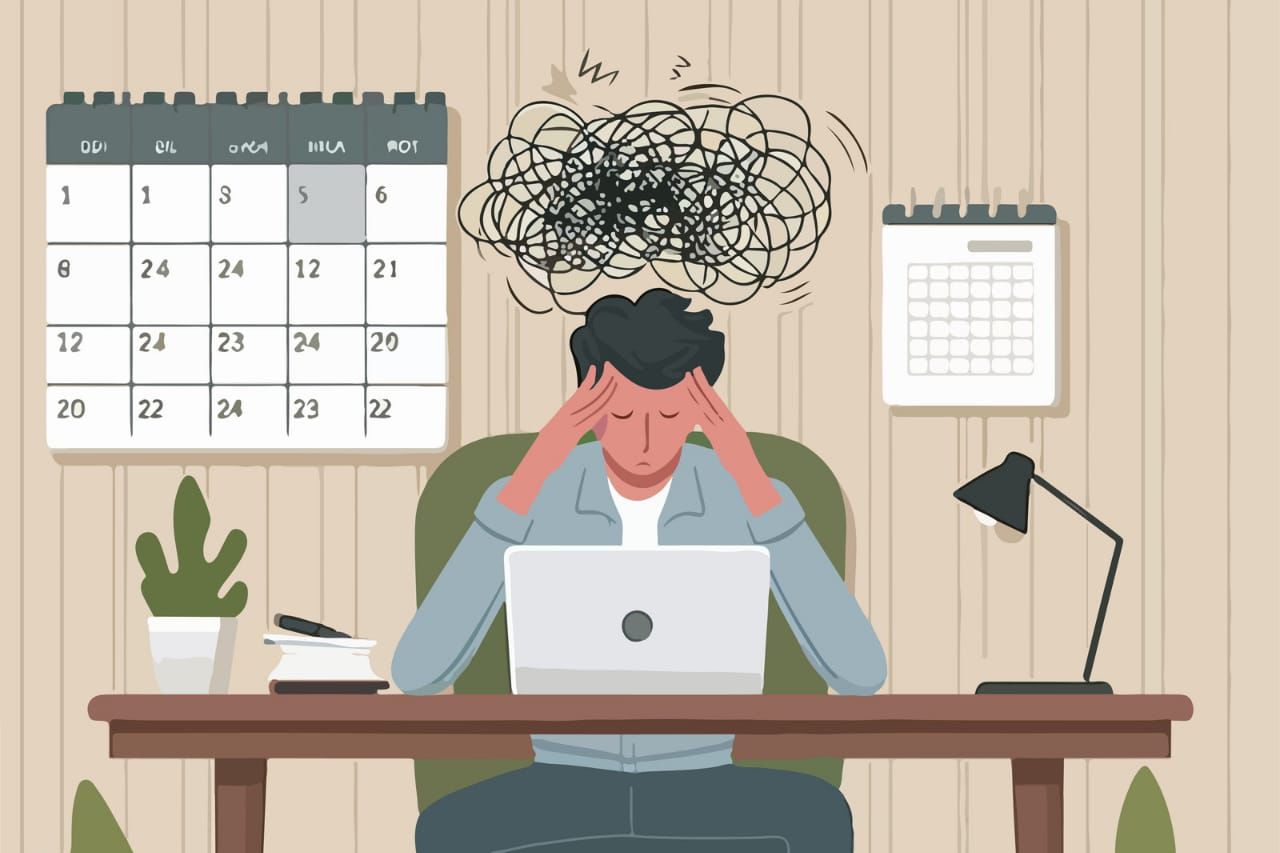
Work, studies, and personal relationships often suffer. The weight of common misconceptions about mental illness can reduce confidence, productivity, and emotional stability.
Symptoms Becoming More Intense
Ignoring or dismissing mental health concerns can allow symptoms to grow stronger over time. This is one of the most harmful outcomes of persistent misconceptions about mental illness.
Mental Illness vs Myths: Understanding the Reality
Breaking misconceptions about mental illness begins with replacing myths with facts.
Mental Illness Is a Health Condition
Mental illnesses are medical conditions, not personality flaws or moral failures. Recognising this truth helps challenge misconceptions about mental illness in India that promote blame and judgment.
Recovery Is Possible
With the right support, therapy, and care, people can and do recover. Many common misconceptions about mental illness ignore the reality of progress and healing.
Getting Help Early Matters
Early intervention can significantly reduce the impact of symptoms. Addressing misconceptions about mental illness encourages people to seek help before things become overwhelming.
How to Address The Misconceptions?
Changing beliefs requires consistent effort at personal, social, and systemic levels.
Spreading Clear and Honest Information
Awareness campaigns, conversations, and education help replace misconceptions about mental illness with understanding and empathy.
Making Mental Health Care Reachable
Affordable and accessible mental health services play a major role in reducing misconceptions about mental illness in India, especially in underserved communities.
Creating Safe Emotional Spaces
Supportive families, workplaces, and peer groups help people speak openly without fear, reducing common misconceptions about mental illness.
Encouraging Policy-Level Change
Mental health-friendly policies, workplace support systems, and public health initiatives can challenge deeply rooted misconceptions about mental illness.
Role of Media and Social Platforms in Breaking Stigma
The media has the power to shape how society thinks and feels.
Showing Mental Health Responsibility
The way mental health is shown in movies, news, and online content matters more than we realise. When stories rely on exaggeration or stereotypes, they strengthen misconceptions about mental illness instead of breaking them. Responsible representation means showing mental health conditions with sensitivity, accuracy, and empathy.
When the media portrays mental illness as a health concern rather than a flaw or danger, it helps people understand that these struggles are real, common, and treatable, not something to fear or mock.
Sharing Real Human Stories
Real stories have the power to reach where facts sometimes cannot. When people openly share their lived experiences with mental health, it makes struggles feel relatable and human. These stories help normalise conversations and gently challenge misconceptions about mental illness in India, where silence often dominates.
Seeing everyday individuals speak about therapy, recovery, and coping reminds society that mental health issues don’t look one way; they can affect anyone, at any stage of life.
Moving Towards a More Informed and Compassionate Society
A society free from common misconceptions about mental illness is one where empathy replaces judgment. Small changes, listening without interrupting, believing without questioning, supporting without labelling, can slowly reshape how mental health is viewed and treated.
About Professional Help
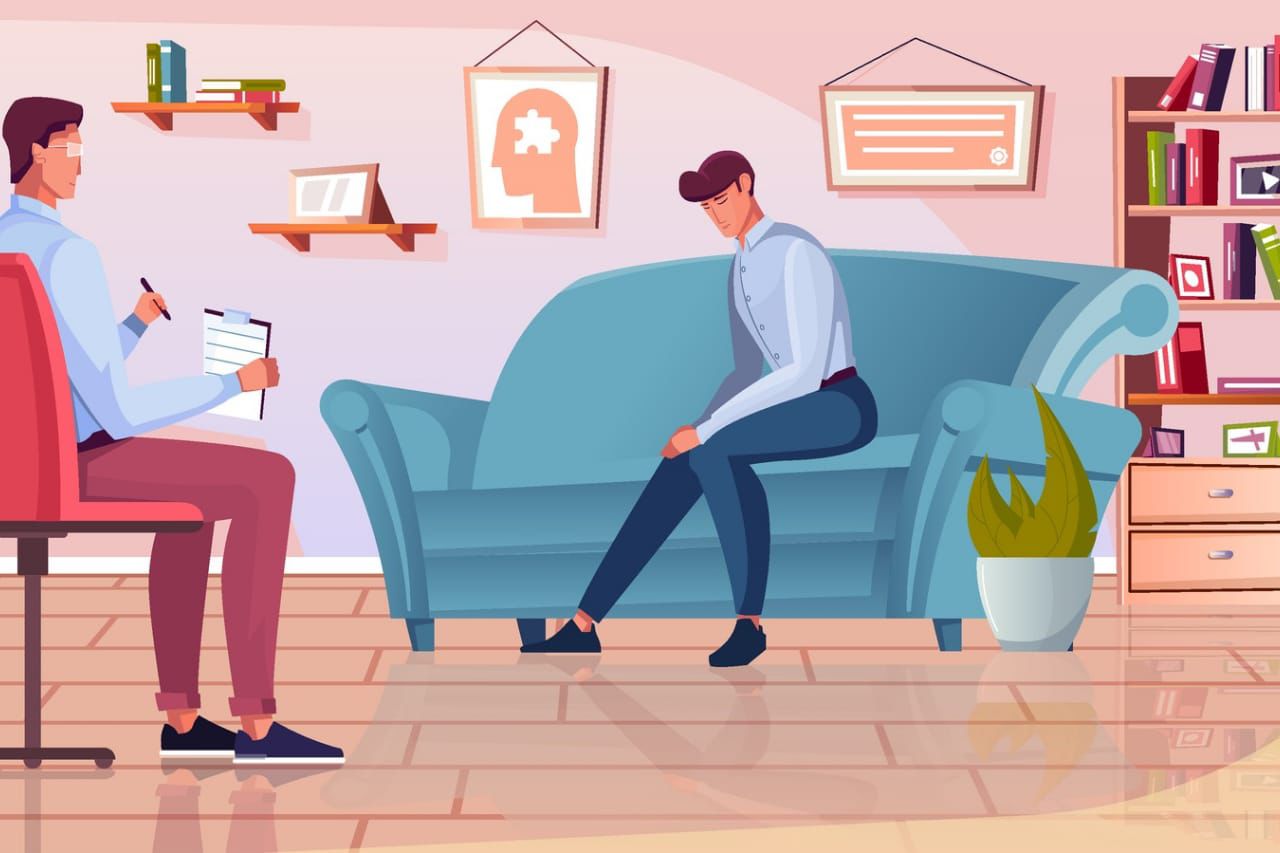
Professional support provides clarity, guidance, and healing. When we move beyond misconceptions about mental illness, therapy and counselling become tools of strength, not shame. Seeking help is not a sign of weakness; it’s a step toward understanding oneself better.
Frequently Asked Questions
Some of the most common misconceptions about mental illness include the belief that mental health conditions are a sign of weakness, that people can simply “think positively” and recover, or that mental illness only affects a small group of people. In reality, mental health concerns are medical conditions that can affect anyone, regardless of age, background, or strength.
Misconceptions about mental illness in India continue due to long-standing stigma, cultural silence around emotions, and limited mental health education. Many people grow up without accurate information, leading to fear, denial, and judgment rather than understanding and support.
These misconceptions often create shame and hesitation. People may delay therapy, hide their struggles, or feel guilty for needing help. Over time, such beliefs can worsen emotional distress and prevent timely recovery.
Yes, absolutely. Despite widespread misconceptions about mental illness, effective treatments like therapy, counselling, and medical support are available. With the right care and consistency, many individuals experience improvement and long-term recovery.
Society can help by encouraging open conversations, promoting mental health education, and supporting those who seek professional help. Challenging stereotypes and listening with empathy can slowly reduce misconceptions about mental illness in India and create a more accepting environment.