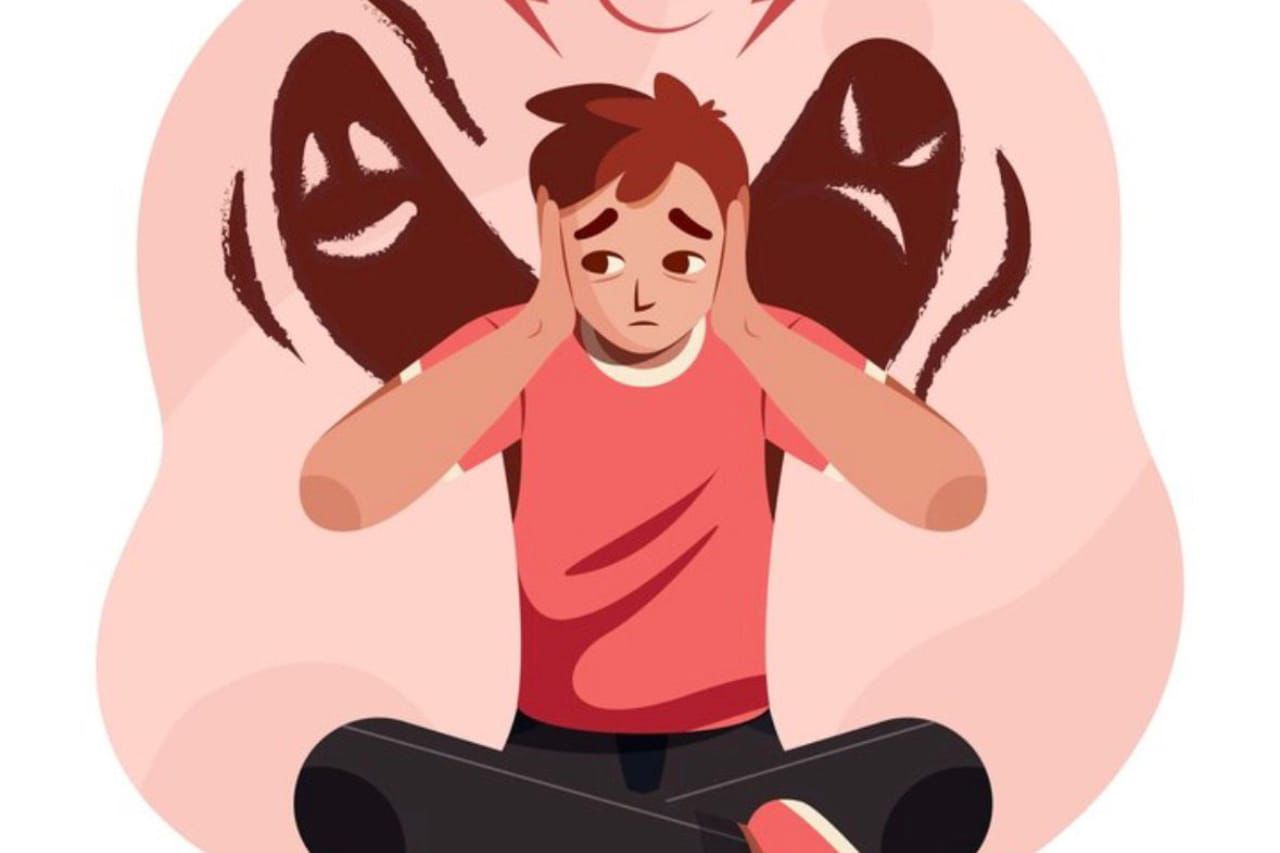

Sometimes life doesn’t fall apart loudly. It just feels… heavy. Thoughts loop, emotions stay unresolved, and you keep telling yourself you’ll “handle it later.”
That’s often where individual therapy begins, not at a breaking point, but at a moment of honesty.
This individual therapy introduction isn’t about labels or diagnoses. It’s about understanding what is individual therapy, and how one safe conversation at a time can help you reconnect with yourself.
What Happens in Individual Therapy?
Individual therapy is a space that belongs entirely to you. No interruptions, no expectations, just a quiet, consistent place to speak freely and be heard.
The benefits of individual therapy often unfold gently. You start noticing patterns in your thoughts, understanding your emotions better, and responding to life instead of reacting to it. Over time, individual therapy helps you build emotional clarity and inner steadiness.
How Long Does Individual Therapy Last?
Individual therapy doesn’t follow a countdown clock. Some people come in with a specific concern and stay for a short while, while others continue longer as part of ongoing self-work.
There’s no “right” duration. What matters is whether individual therapy continues to feel supportive, meaningful, and aligned with where you are in life.
Individual therapy also changes as you change. What may begin as support for a specific concern can slowly turn into a deeper process of self-reflection and growth. Sessions may become less about fixing a problem and more about understanding yourself better, making the journey feel organic rather than time-bound.
What Type of Therapy Is Individual Therapy?
There are several recognised types of individual therapy, each offering a different path toward healing and self-understanding.
Psychoanalysis and psychodynamic psychotherapy
This approach looks at the stories you carry from the past and how they quietly shape your present. In individual therapy, psychoanalysis, and psychodynamic work help uncover emotional patterns, unresolved experiences, and unconscious thoughts that influence behaviour. It’s less about quick answers and more about deep understanding over time.
Cognitive therapy
Cognitive therapy focuses on the thoughts that run in the background of your mind. In individual therapy, it helps you notice unhelpful thinking patterns and gently challenge them. As awareness grows, thoughts become less overwhelming, making emotions easier to manage.
Behaviour therapy
Behaviour therapy is action-oriented and practical. Individual therapy using this approach focuses on changing specific behaviours that may be causing emotional distress. By learning new responses and habits, people begin to feel more in control of everyday situations.
Humanistic therapy
Humanistic therapy is built on empathy, trust, and self-acceptance. In individual therapy, this approach creates a safe space for honest expression without judgment. It encourages personal growth by helping you reconnect with your strengths and inner potential.
Integrative or holistic therapy
Integrative or holistic therapy brings together different therapeutic methods to suit individual needs. Rather than following one fixed model, individual therapy here adapts as you grow. It recognises that emotional well-being is complex and often needs a flexible, personalised approach.
What Does Individual Therapy Focus On?
Individual therapy focuses on you, your emotions, experiences, relationships, and inner conflicts. It’s about understanding what you feel and why you feel it.
The purpose of individual therapy is not to change who you are, but to help you meet yourself with clarity, compassion, and emotional awareness.
Types of Individual Therapy
There are several recognised types of individual therapy, each offering a different path toward healing and self-understanding.
Cognitive Behavioral Therapy (CBT)
CBT helps connect thoughts, emotions, and actions. It’s one of the most widely used types of individual therapy for managing anxiety, depression, and stress.
Dialectical Behavior Therapy (DBT)
DBT supports emotional balance. In individual therapy, it helps people manage intense emotions while improving self-control and relationships.
Acceptance and Commitment Therapy (ACT)
ACT encourages acceptance instead of resistance. Individual therapy using ACT focuses on living in alignment with personal values.
Eye Movement Desensitization and Reprocessing (EMDR)
EMDR is often used for trauma. This type of individual therapy helps the mind process painful memories more safely.
Accelerated Resolution Therapy (ART)
ART works to reduce emotional distress linked to past experiences. It’s a structured yet gentle form of individual therapy.
Choosing the Right Therapy for You
Choosing the right individual therapy is not about picking the “best” approach; it’s about what feels safe and supportive for you.
A good therapist will explain the individual therapy definition, help you understand what is individual therapy, and guide you without pressure, allowing trust to develop naturally.
Why Is It Necessary To Take Help Professionally?
Friends can listen, but professional support offers something different: consistency, neutrality, and trained understanding. Individual therapy creates a space where emotions can exist without being judged or rushed.
The indication of individual therapy includes emotional overwhelm, anxiety, trauma, relationship struggles, or even a desire to understand yourself better before things feel unmanageable.
Frequently Asked Questions
Individual therapy is a one-on-one space where you work privately with a trained mental health professional. It allows you to talk openly about thoughts, emotions, experiences, and challenges without fear of judgment. Over time, individual therapy helps you understand yourself better and navigate life with more emotional clarity.
The purpose of individual therapy is to help you make sense of what you’re feeling and why. It supports emotional healing, self-awareness, and personal growth. Rather than giving quick solutions, individual therapy helps you build long-term coping skills and a healthier relationship with yourself.
The benefits of individual therapy include feeling heard, gaining emotional insight, and learning better ways to manage stress. It can improve confidence, decision-making, and relationships. Many people also experience a stronger sense of balance and control in their daily lives.
Common indications of individual therapy include anxiety, depression, burnout, trauma, emotional overwhelm, or feeling stuck in repeating life patterns. Individual therapy is also helpful for people who may not have a clear problem but want deeper self-understanding or emotional support.
There are many types of individual therapy, such as Cognitive Behavioral Therapy (CBT), Dialectical Behavior Therapy (DBT), Acceptance and Commitment Therapy (ACT), psychodynamic therapy, and trauma-focused approaches like EMDR. Each type supports different emotional needs and goals.
The conclusion of individual therapy usually happens when you feel more emotionally steady and confident in handling challenges. Some people end therapy after reaching specific goals, while others return later during new life transitions. Therapy is not an ending, it’s a skill you carry forward.