
Introduction
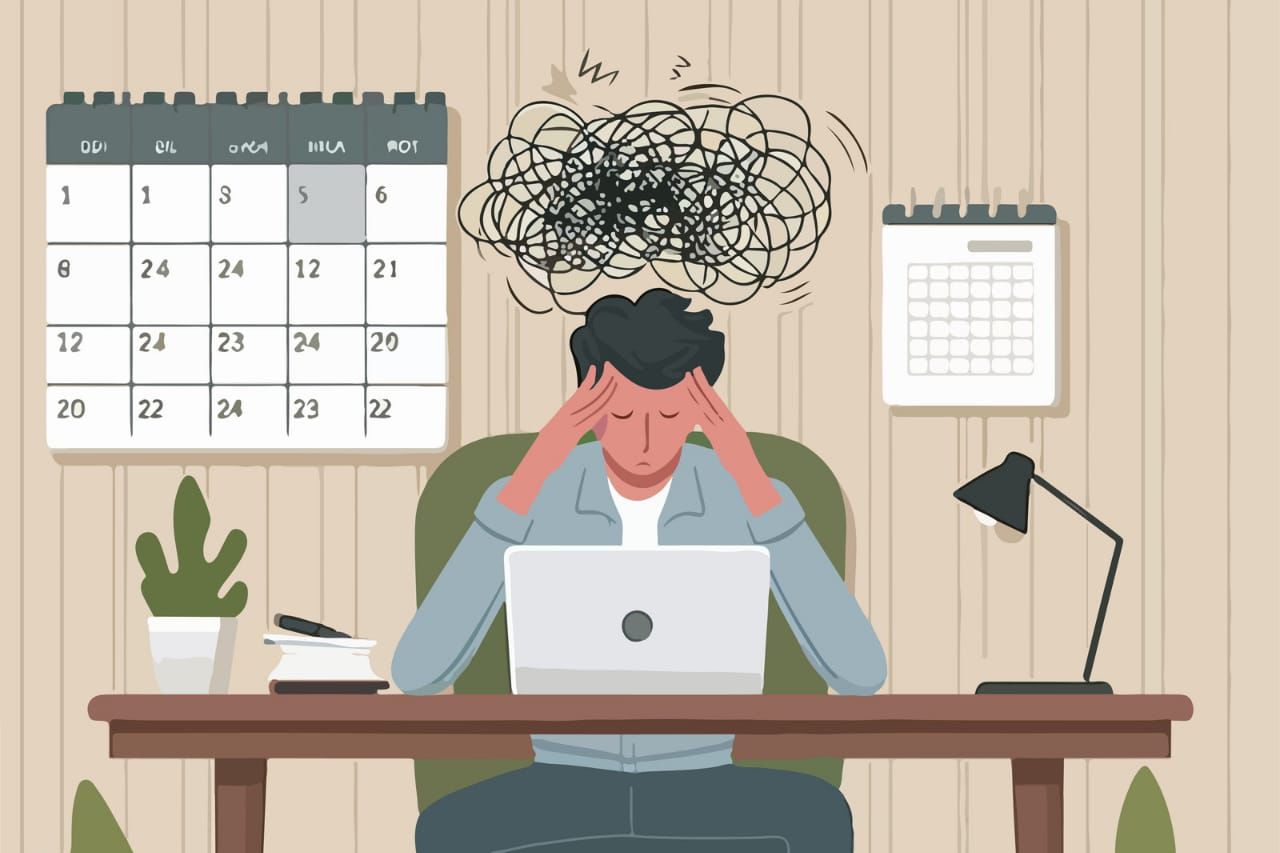
Overthinking doesn’t announce itself loudly. It slips in quietly, during late nights, while replaying old conversations, or when simple decisions suddenly feel heavy. What starts as “just thinking” slowly turns into mental noise that refuses to switch off.
Understanding overthinking symptoms is the first step toward recognising when thinking stops being helpful and starts becoming exhausting.
What Does it Mean to Overthink?
To overthink means getting stuck in a loop of thoughts that go nowhere. Instead of solving a problem, the mind keeps circling it; analysing, doubting, and imagining every possible outcome.
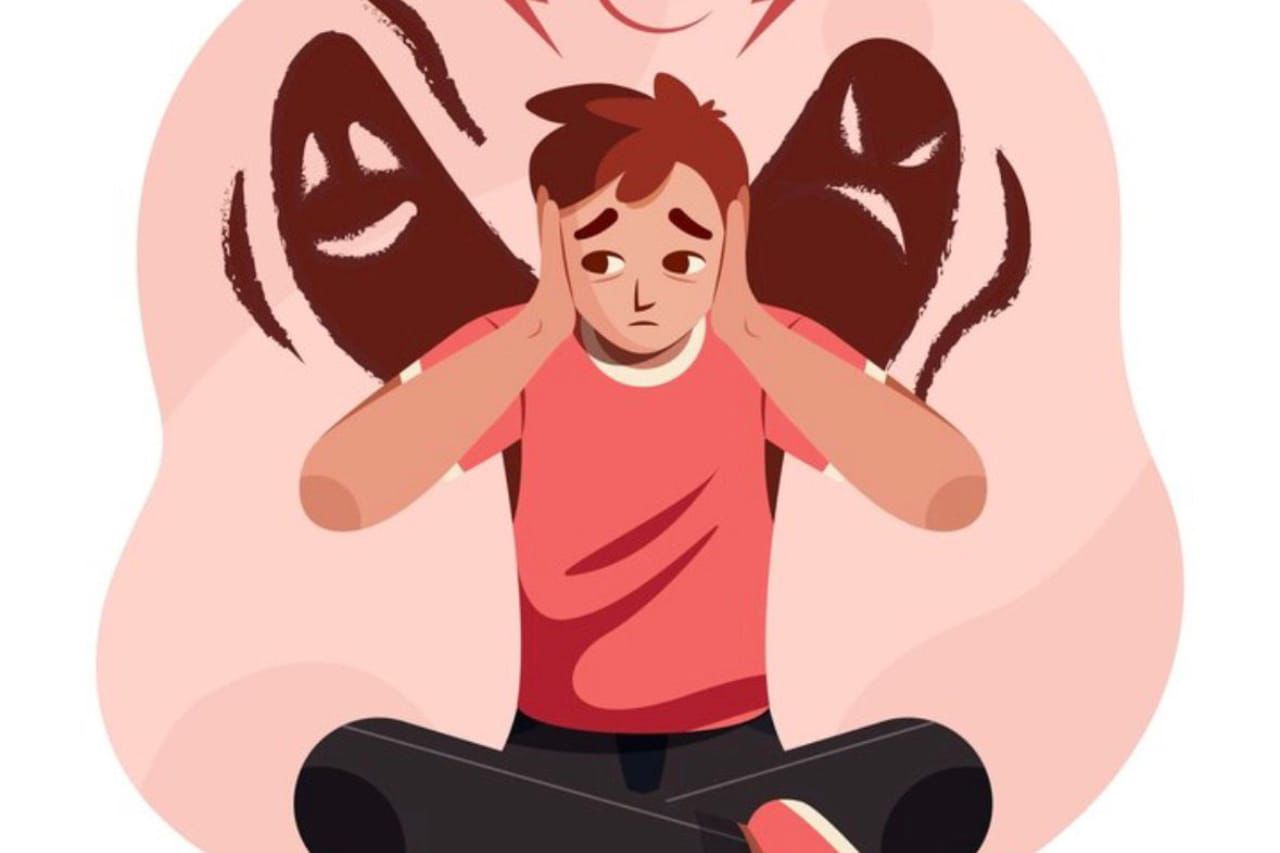
Overthinking symptoms often show up when the brain refuses to pause, even when there’s nothing left to figure out. Thoughts repeat, grow louder, and slowly drain mental energy.
What is Overthinking Syndrome?
Overthinking syndrome is not a medical diagnosis, but a term commonly used to describe persistent and uncontrollable thinking patterns that feel difficult to switch off. It happens when the mind constantly revisits past events, replays conversations, or worries excessively about future situations, even when there is nothing new to analyse or solve.
Many people experiencing overthinking disorder symptoms feel mentally restless, emotionally tense, and unable to truly relax. The mind stays in a state of alertness, always “on,” which can slowly drain emotional energy. Over time, these thinking patterns may begin to affect sleep quality, concentration, decision-making, and overall emotional well-being, making everyday life feel heavier than it needs to be.
Causes of Overthinking
Overthinking doesn’t come from nowhere. It often develops as a response to emotional experiences, personality traits, or life uncertainty.
Perfectionism
Perfectionism creates pressure to get everything “right.” This constant self-monitoring fuels overthinking symptoms, as nothing ever feels good enough.
Past negative experiences
Painful memories or past mistakes can replay endlessly. Overthinking becomes a way to prevent hurt, even though it often does the opposite.
Uncertainty about the future and a sense of loss of control
When the future feels unpredictable, the mind tries to regain control through constant thinking. This often intensifies overthinking disorder symptoms.
Lack of self-confidence and tendency to constantly self-question
Low self-trust leads to second-guessing every choice. Over time, this habit turns into chronic overthinking.
What are the Symptoms of Overthinking?
If you’ve ever wondered what are the symptoms of overthinking, they often show up as mental patterns rather than visible signs.
- Constant repetition of the same thoughts
- Replaying past conversations or events repeatedly
- Creating negative future scenarios
- Difficulty making decisions and frequent procrastination
- Mental fatigue and emotional burnout
- Trouble falling asleep due to racing thoughts
- Reduced attention and concentration
These overthinking symptoms can slowly take over daily life if left unaddressed.
Psychological Effects of Overthinking?
Overthinking doesn’t stay limited to thoughts; it affects emotions and behaviour too.
- Increased anxiety and constant inner tension
- Persistent mental fatigue and burnout
- Emotional ups and downs without clear reasons
- Focus and attention difficulties
- Decision paralysis and avoidance
- Sleep disturbances and restlessness
- Withdrawal from social interactions
This is why many people ask, is overthinking a symptom of anxiety? The answer is often yes, overthinking and anxiety frequently fuel each other.
Physical Symptoms of Overthinking
Overthinking doesn’t just affect the mind; it quietly shows up in the body as well. These overthinking physical symptoms often feel confusing because they look like general stress or tiredness, but they’re closely linked to constant mental overload.
- Frequent headaches or a heavy feeling in the head
- Muscle tension, especially in the neck, shoulders, and jaw
- Stomach discomfort, bloating, or digestive uneasiness
- Persistent fatigue even after adequate rest
- Shallow breathing or a feeling of tightness in the chest
- Restlessness and difficulty sitting still
- Sleep disturbances and waking up feeling unrested
When overthinking becomes constant, the body stays in a state of alert, making these overthinking physical symptoms harder to ignore over time.
Types of Overthinking
Overthinking often doesn’t come randomly. It usually follows certain mental patterns that repeat quietly in the background. Over time, these patterns strengthen overthinking disorder symptoms and make it harder to break free from constant mental noise.
Thinking in Extremes
In this type, everything feels either very good or very bad. A small mistake starts feeling like a total failure. This way of thinking adds pressure, increases self-criticism, and slowly strengthens overthinking disorder symptoms.
Expecting the Worst
Here, the mind immediately jumps to the worst possible outcome. A small issue turns into a big fear in seconds. This pattern keeps anxiety high and often leads people to wonder, is overthinking a symptom of anxiety?
One Experience Defines Everything
In this type, one negative situation is taken as proof that things will always go wrong. The mind keeps repeating the same thought, increasing emotional stress and long-term overthinking symptoms.
Assuming Things Without Proof
The mind fills in gaps without real information. People assume outcomes, reactions, or decisions before they actually happen. This creates unnecessary worry and makes everyday decisions feel exhausting.
Assuming What Others Think
This happens when someone believes they know what others are thinking, usually something negative. Silence, a pause, or a neutral reaction is taken personally. Over time, this increases self-doubt and social discomfort, adding to overthinking disorder symptoms.
What is the Treatment for Overthinking?
Treatment for overthinking focuses on understanding thought patterns and learning how to respond to them differently. Therapy helps individuals recognise triggers, manage anxiety, and build healthier thinking habits.
When overthinking symptoms start affecting sleep, relationships, or daily functioning, professional support can bring relief and clarity.
Methods to Cope with Overthinking?
Coping with overthinking is about gently retraining the mind, not forcing it to be quiet.
- Notice triggers and recurring thought patterns
- Question thoughts instead of accepting them as facts
- Talk openly with trusted friends
- Engage in physical movement to release mental tension
- Use healthy distractions when thoughts spiral
- Practice slow, mindful breathing
- Stay present through mindfulness techniques
- Reframe negative or rigid thoughts
- Seek professional help when overthinking becomes overwhelming
These methods help reduce both overthinking symptoms and overthinking physical symptoms over time.
Frequently Asked Questions
Overthinking symptoms include repetitive thoughts, mental fatigue, difficulty making decisions, sleep issues, and emotional restlessness.
Common overthinking disorder symptoms include constant self-questioning, anxiety, indecision, and an inability to mentally switch off.
Yes, overthinking physical symptoms may include headaches, muscle tension, stomach discomfort, fatigue, and sleep problems.
Many people ask, is overthinking a symptom of anxiety? In most cases, overthinking and anxiety are closely connected and often reinforce each other.
Overthinking physical symptoms can reduce energy levels, affect sleep, and make daily tasks feel more exhausting than usual.
If overthinking symptoms interfere with sleep, work, relationships, or emotional well-being, professional support can help break the cycle.