Introduction Paragraph
Sometimes depression is not just deep sadness or exhaustion; it can blur the line between what feels real and what is not. Psychotic depression is one of those serious but often misunderstood conditions where emotional pain and altered reality exist at the same time.
What is Psychotic Depression?
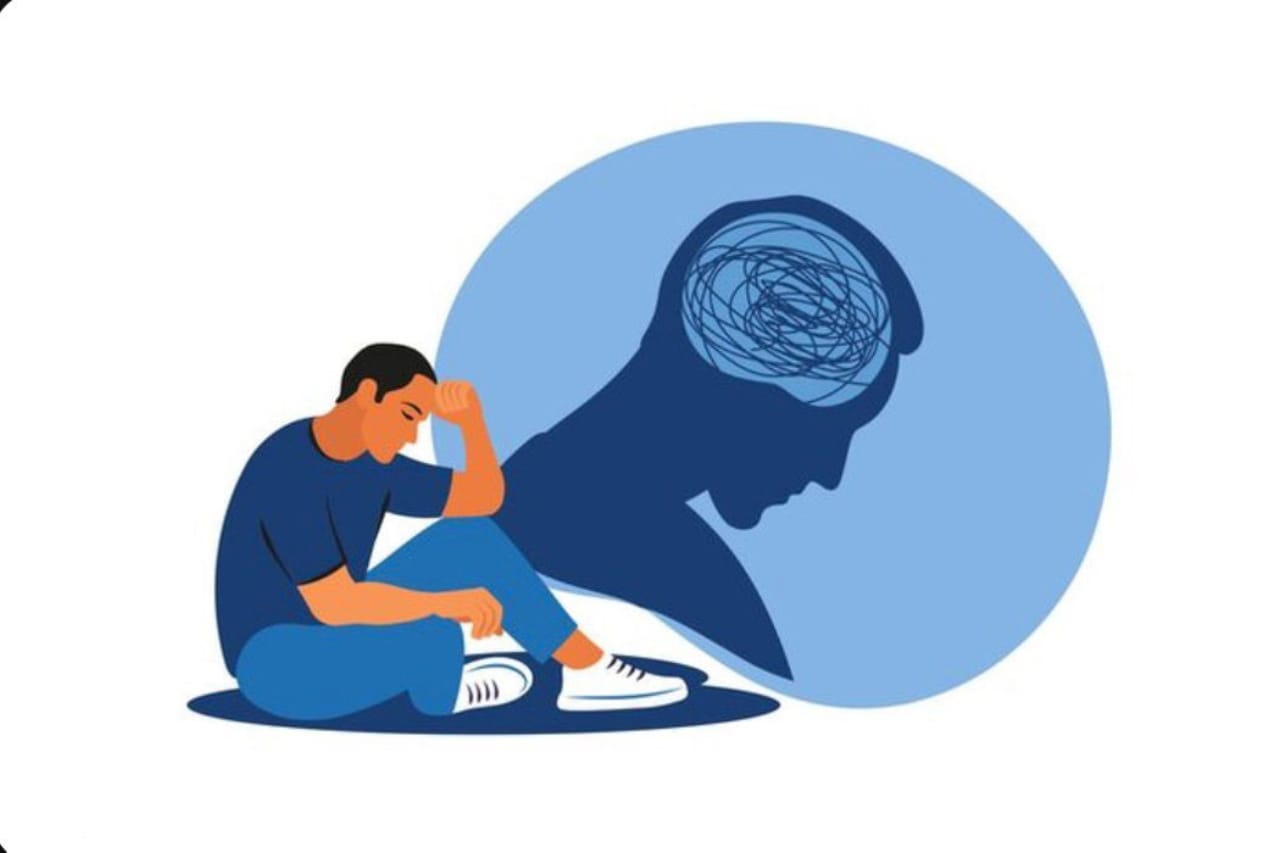
Psychotic depression is a severe form of depression where low mood is joined by a break from reality, making thoughts, perceptions, and beliefs feel distorted or frighteningly real. It is not just feeling sad; it is depression that can change how a person sees, hears, or understands the world around them.
Severe Depression Symptoms
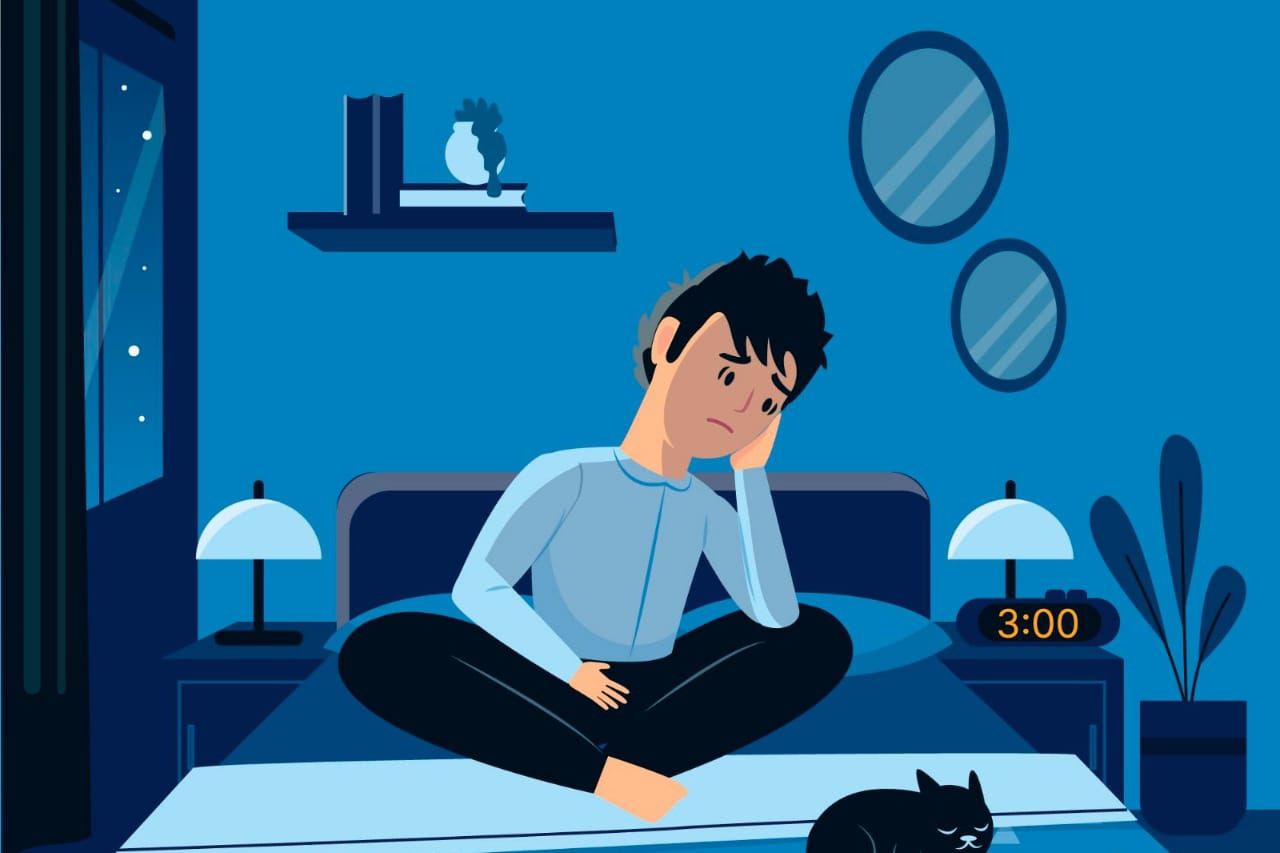
Severe depression can feel like your body and mind are both running on empty at the same time. There may be constant exhaustion, sleep that never feels restful or sleep that never comes, and noticeable changes in appetite.
Thoughts often turn harsh and self-critical, bringing guilt, worthlessness, trouble concentrating, and difficulty making even small decisions, sometimes alongside thoughts about death or not wanting to be here anymore.
Symptoms of Psychosis
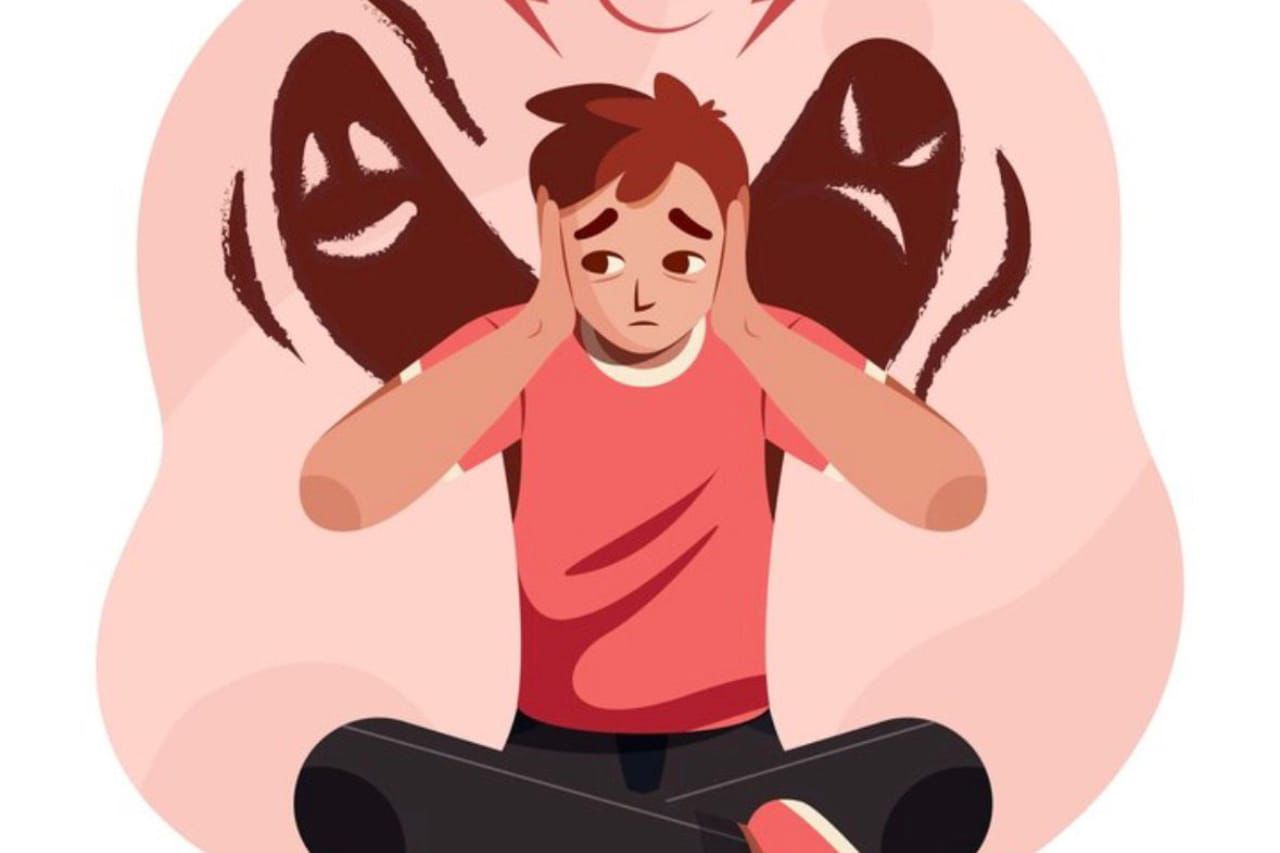
Psychosis can make a person experience things that feel completely real to them, even if others do not see or hear the same things. This can include delusions, which are strong beliefs that are not based in reality, and hallucinations, such as hearing voices or seeing things that are not actually there.
Signs That Say You Are Into Psychotic Depression
- Feeling a deep, ongoing sadness or hopelessness that does not lift
- Seeing, hearing, or strongly believing things that others do not
- Being weighed down by intense guilt or feelings of worthlessness
- Noticing major changes in sleep patterns or appetite
- Struggling to think clearly or focus on simple tasks
- Pulling away from people and isolating yourself socially
- Feeling unusually irritable, restless, or agitated
- Having thoughts about self-harm or suicide
Major Depression With Psychotic Features.
This is the clinical name doctors use when depression becomes so intense that it is mixed with psychosis, affecting both emotions and a person’s sense of reality. It is a serious mental health condition, but with the right care and support, people can and do recover.
Causes & Symptoms
- Can develop due to a mix of genetic vulnerability, brain chemistry changes, and high stress or trauma
- Often includes severe depressive feelings along with delusions or hallucinations linked to guilt, fear, or worthlessness
- Daily life may feel overwhelming, making routine tasks, work, or social interaction very difficult
- Thoughts can become slowed, confused, or hard to organize, affecting focus and decision-making
What are the Causes of Psychotic Depression?
Psychotic depression usually grows from a combination of factors rather than one single trigger, making it complex and deeply personal. Biology, life experiences, and mental health history can all come together in ways that affect how the brain handles mood and reality.
How to Prevent Psychotic Depression
While not every case can be fully prevented, taking care of your mental health early can lower the risk and reduce how severe symptoms become. Noticing warning signs, managing stress, and seeking help when mood changes start to feel overwhelming can make a real difference.
Frequently Asked Questions
Psychotic depression is a severe form of depression where a person not only feels deep emotional pain but also loses touch with reality. This can involve false beliefs or sensing things that are not actually present. It is serious and needs professional care.
Psychotic depression symptoms include intense sadness, hopelessness, and loss of interest in life. Alongside this, a person may have hallucinations or strong false beliefs, often linked to guilt or fear.
This is the medical term doctors use for psychotic depression. It means a person meets the criteria for major depression disorder and also experiences psychosis. Both mood and sense of reality are disturbed at the same time.
It rarely improves without treatment and can become more severe if ignored. Because reality perception is affected, waiting it out can be risky. Professional help greatly improves recovery chances.
Psychotic depression and schizophrenia are different conditions, even though both involve psychosis. Having psychotic depression does not mean someone will develop schizophrenia. A proper diagnosis helps doctors choose the right treatment path.
Many people recover well with the right treatment and support. Treatment often includes a combination of antidepressants, antipsychotic medication, and therapy. In some severe cases, other medical treatments may be considered under supervision.