
Introduction
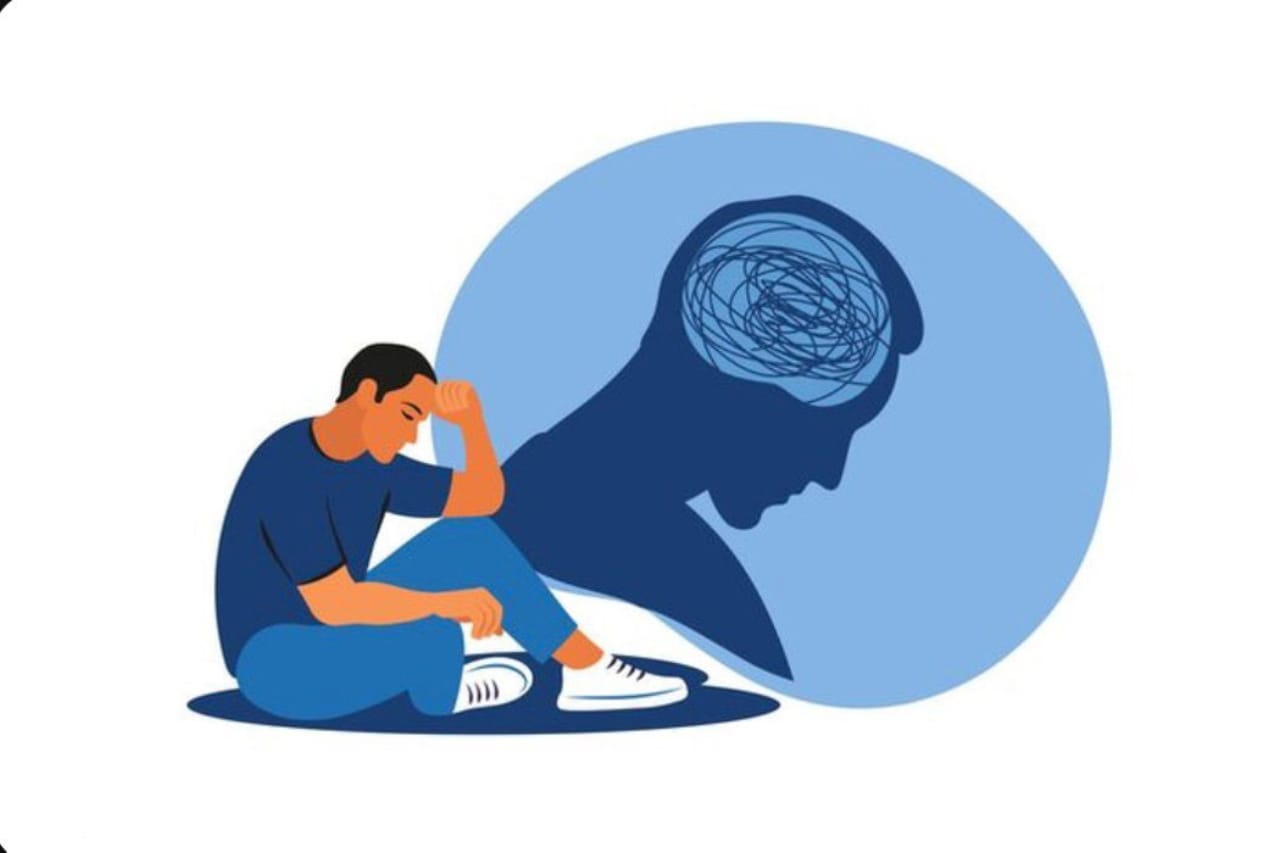
It is completely normal to feel nervous meeting new people or giving a speech. However, if you feel extreme and constant fear of judgment, embarrassment, or humiliation, you may be experiencing more than just simple shyness. This could be Social Phobia, or more commonly known as Social Anxiety Disorder.
Wondering what is Social Phobia? Social Phobia is a mental health disorder that causes people to feel extreme anxiety and self-consciousness, causing fear of everyday social engagements. Knowing what social phobia is is a good starting point to understand when the nervousness you feel crosses the line to something that requires professional help.
Many people suffering from Social Phobia believe the only thing they need is more self-confidence. The truth is that Social Phobia is highly manageable, and people do not need to suffer this way. There is help available.
When It Occurs
Social Phobia, also known as social anxiety, usually starts when a person is a teenager, but it can start when a person is even a child. Sometimes this social anxiety will begin after a socially embarrassing situation, and for some people, slowly over time.
Some people will only experience social anxiety while doing certain things, including but not limited to: talking in front of a group of people, eating in front of people, talking to cops, or other authority figures. In the more severe cases of social anxiety, talking to and interacting socially with other people will also cause anxiety.
Without proper social phobia treatment, symptoms may continue into adulthood and interfere with relationships, education, and career growth.
Social Phobia Symptoms
Recognising social phobia symptoms can help individuals seek timely support. These symptoms usually fall into emotional, behavioural, and physical categories.
Emotional Symptoms
- Intense fear of being judged or criticised
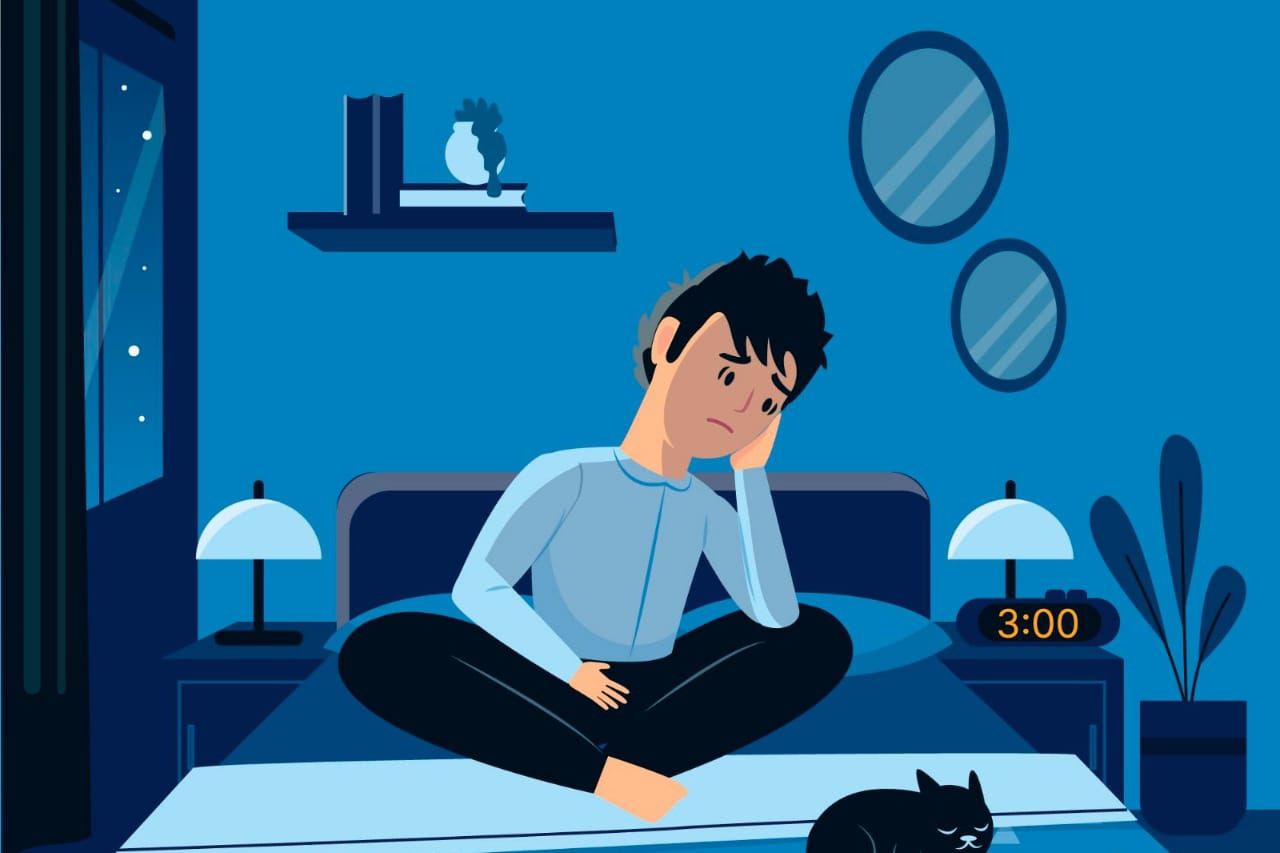
- Persistent worry before social events
- Fear of embarrassment or humiliation
- Overthinking social interactions afterwards
These emotional patterns often revolve around negative self-beliefs and heightened self-awareness.
Behavioural Symptoms
- Avoiding social gatherings
- Skipping school, meetings, or events
- Speaking very softly or avoiding eye contact
- Relying on alcohol or other substances to cope
Avoidance temporarily reduces anxiety but strengthens the fear over time.
Physical Symptoms
- Blushing
- Sweating
- Trembling
- Rapid heartbeat
- Nausea or upset stomach
- Shortness of breath
These physical reactions are part of the body’s fight-or-flight response, even when no real danger is present.
Complications of Social Phobia
If untreated, Social phobia can significantly affect daily life. It may lead to:
- Low self-esteem
- Difficulty maintaining relationships
- Academic or workplace struggles
- Social isolation
- Depression
- Substance misuse
Because of these impacts, many people ask, is social phobia a mental illness? Yes, it is a recognised anxiety disorder. And like any other mental health condition, it deserves understanding and professional care.
Also Know About: Types of Phobia
Causes of Social Phobia
There isn’t a single cause. Instead, social phobia causes usually involve a mix of biological and environmental factors.
Genetic Vulnerability
Anxiety disorders can affect entire families. If family members have anxiety, someone can be more likely to have Social Phobia. Although Social Phobia is not directly passed down, people can be more sensitive to stress, which can cause someone to be more likely to develop Social Phobia.
Brain Sensitivity Patterns
Certain parts of the brain that control fear responses may be more active in individuals with Social phobia. This can cause social situations to feel threatening, even when there is no real danger.
Life Experiences and Social Conditioning
Negative experiences like bullying, criticism, rejection, or overprotective parenting can shape how a person views social interactions. Over time, these experiences may increase fear and self-doubt in social settings.
Risk Factors
Several factors may increase the chances of developing Social phobia.
Family History
Growing up in a household where anxiety is frequently expressed, avoided, or reinforced can shape how a person responds to social situations. When children observe fear-based reactions to everyday interactions, they may internalise the belief that social settings are unsafe or threatening.
Negative Experiences
Experiences such as teasing, bullying, public embarrassment, or repeated criticism can leave a lasting imprint. Even a few painful social moments, especially during childhood or adolescence, can quietly build a fear of future judgment or rejection.
Personality Tendencies
Some individuals are naturally more reserved, sensitive, or cautious. While these traits are not negative, they can make someone more vulnerable to overthinking social interactions and fearing negative evaluation, increasing the risk of Social phobia.
Major Life Changes
Transitions like starting college, beginning a new job, moving to a new city, or stepping into leadership roles can heighten self-awareness. When expectations feel high and familiarity is low, social anxiety may intensify.
Visible Differences or Health Conditions
Having a noticeable physical difference, speech difficulty, or medical condition that draws attention can increase self-consciousness. The fear of being stared at, judged, or misunderstood may gradually develop into a persistent social fear.
Coping Strategies for Social Phobia
Effective social phobia treatment often combines therapy, skill-building, and sometimes medication. Here are some proven approaches:
Thought Restructuring Therapy
This approach (commonly known as CBT) helps identify and challenge negative thought patterns. It gradually reshapes how social situations are perceived.
Calming and Regulation Techniques
Breathing exercises, mindfulness, and relaxation practices help reduce physical anxiety symptoms.
Confidence and Interaction Coaching
Structured guidance can improve communication skills, assertiveness, and comfort in social settings.
Medical Support Options
In moderate to severe cases, prescribed medication may help manage symptoms alongside therapy.
How to Deal With Social Phobia
If you’re wondering how to deal with social phobia, start small. Avoid pushing yourself into overwhelming situations too quickly.
- Break social goals into manageable steps
- Practice relaxation before events
- Challenge negative predictions
- Seek professional counselling
- Stay consistent with therapy
With the right social phobia treatment, recovery is absolutely possible. Many people experience significant improvement with structured support.
Prevention
Although Phobia cannot always be prevented, recognising early signs and seeking support can reduce its impact. Paying attention to triggers, maintaining a healthy routine, and gradually facing social situations can build resilience. Avoiding unhealthy coping methods like substance use is also important. Small, steady steps toward support and self-awareness can make a meaningful difference.
Frequently Asked Questions
It is an anxiety disorder marked by intense fear of social situations where a person may feel judged, embarrassed, or negatively evaluated. The anxiety goes beyond normal nervousness and can interfere with daily life, relationships, and work.
The social phobia meaning refers to a persistent and overwhelming fear of social interactions. It involves excessive self-consciousness and worry about being criticised or humiliated in front of others.
Common social phobia symptoms include fear of judgment, avoiding social events, blushing, sweating, trembling, and rapid heartbeat. Emotional distress before or after social situations is also very common.
Social phobia causes usually involve a mix of genetic factors, brain sensitivity to fear, personality traits, and negative life experiences such as bullying or criticism.
Yes, is social phobia a mental illness? It is a recognised anxiety disorder. Like other mental health conditions, it is treatable with therapy, coping strategies, and sometimes medication.
Some examples of social phobias include fear of public speaking, eating in front of others, attending social gatherings, talking to authority figures, or starting conversations with strangers.