Understanding Anxiety and Its Impact
What Is Anxiety?
Anxiety is a natural response to stress, a built-in alert system that helps us prepare for danger or handle challenging situations. It can show up before a big presentation, during a job interview, or even while waiting for important news. In these moments, anxiety is completely normal.
However, when these feelings become persistent, overwhelming, or start affecting daily life, it may point to something more serious. That’s when it shifts from temporary stress to an anxiety disorder, where the symptoms of anxiety are no longer helpful but instead are disruptive.
Why Recognizing the Signs and Symptoms of Anxiety Is Important
Identifying the symptoms of anxiety early is key to getting the right help. When left unaddressed, anxiety can spiral into more severe issues like depression, panic disorders, or even physical health complications.
Early recognition allows for timely intervention through therapy, lifestyle changes, or professional support, and can drastically improve a person’s ability to manage their emotions and reclaim control. Understanding the symptoms of anxiety is the first step toward healing, not just emotionally but physically too.
Common Symptoms of Anxiety (Primary Keyword)
Anxiety doesn’t always announce itself loudly. Sometimes, it creeps in subtly, a nagging worry here, a restless night there, until it begins to affect your mental and physical well-being. Knowing the most common symptoms of anxiety can help you spot the early warning signs before they escalate.
Emotional and Psychological Symptoms
The emotional and mental symptoms of anxiety often show up first, and they can vary from person to person. Some of the most frequently reported signs include:
- Excessive Worry: A constant stream of “what ifs” that feels impossible to turn off
- Irritability or Restlessness: Feeling on edge or easily frustrated without any clear cause
- Difficulty Concentrating: Trouble focusing, with your mind jumping from one worry to the next
- Feeling Overwhelmed: Everyday tasks suddenly feel like mountains, not molehills
These psychological symptoms of anxiety can disrupt work, relationships, and even decision-making. Left unchecked, they often lead to deeper emotional strain.
Physical Symptoms of Anxiety (Secondary Keyword)
While anxiety begins in the mind, it often manifests in the body. Recognizing the physical symptoms of anxiety is just as important as identifying emotional signs. Here’s what to look out for:
- Increased Heart Rate or Palpitations: A pounding heart, even when you’re at rest
- Sweating, Trembling, and Shortness of Breath: Classic fight-or-flight reactions that can occur without any obvious threat
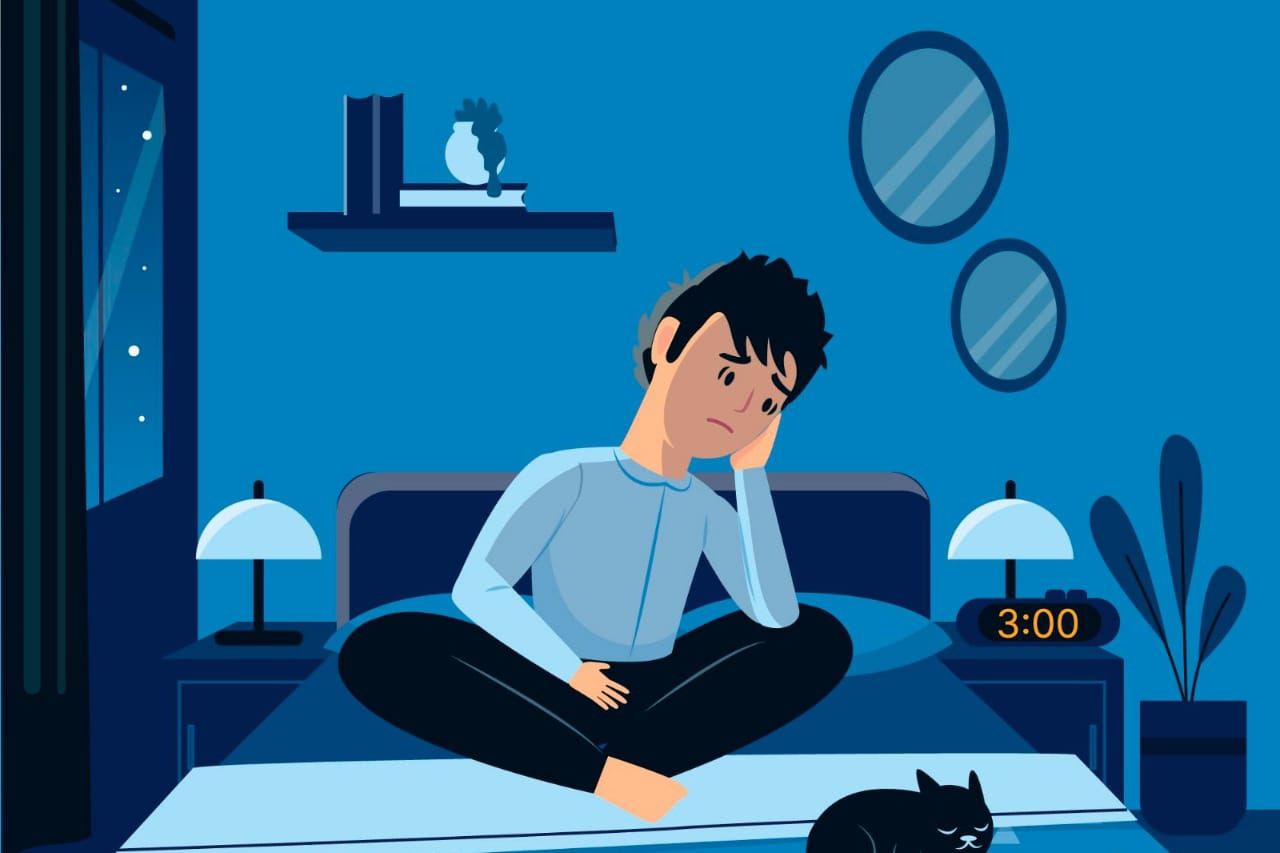
- Fatigue and Insomnia: Constant tiredness or difficulty sleeping due to racing thoughts
- Headaches or Digestive Issues: Anxiety often affects the gut and tension levels in the body, leading to discomfort
These physical symptoms of anxiety can mimic medical conditions, making it essential to understand their root cause, especially when paired with emotional distress.
Identifying Symptoms of an Anxiety Attack (Secondary Keyword)
Anxiety attacks can be intense, overwhelming, and often terrifying, especially if you don’t know what’s happening. Recognizing the symptoms of an anxiety attack can help differentiate it from other medical conditions and make it easier to seek help when needed.
What Happens During an Anxiety Attack?
An anxiety attack typically comes on suddenly, bringing with it a wave of intense fear or discomfort. The body goes into high alert, reacting as if there’s real danger, even if there’s no visible threat.
Because the symptoms of an anxiety attack often include sharp chest pain, rapid breathing, and dizziness, many people mistake it for a heart attack. The key difference lies in the trigger and the duration: anxiety attacks tend to peak within minutes and are often linked to stress or specific thoughts.
Key Symptoms of Anxiety Attacks
If you or someone you know experiences the following signs, it may be an anxiety attack:
- Chest Pain or Tightness: A squeezing sensation that can feel alarming
- Dizziness or Lightheadedness: A sense of losing balance or feeling faint
- Feeling of Choking or Numbness: Tightness in the throat or tingling sensations in the limbs
- Chills or Hot Flashes: Sudden temperature changes that come out of nowhere
These symptoms of an anxiety attack are real, intense, and can be deeply unsettling, but they are treatable. Recognizing them early is the first step toward effective management and long-term relief.
Behavioral Signs and Symptoms of Anxiety (Variation of Secondary Keyword)
Anxiety doesn’t just affect how you feel; it also changes how you behave. While physical and emotional signs are often easier to spot, the behavioral signs and symptoms of anxiety can be just as telling, especially when they begin to interfere with your day-to-day life.
Avoidance Behavior
One of the most common behavioral signs and symptoms of anxiety is avoidance. People may begin to:
- Avoid Social Situations: Skipping events, meetings, or even casual hangouts out of fear or discomfort
- Withdraw from Responsibilities or Triggers: Procrastinating or steering clear of anything that might provoke anxiety
- Pull Away from Friends and Family: Emotional distance becomes a coping mechanism to reduce stress
While avoidance may feel like short-term relief, it often reinforces the anxiety in the long run, creating a cycle that’s hard to break.
Repetitive or Compulsive Actions
Another major set of behavioral signs and symptoms of anxiety includes compulsive behaviors, repetitive actions done to feel safe or reduce anxiety:
- Checking and Counting: Constantly rechecking locks, counting steps, or repeating actions “just in case”
- Seeking Reassurance: Frequently asking others if things are okay or if they’ve done something wrong
- Obsessive Habits: Behaviors that may be linked to anxiety-related conditions like OCD
These patterns may seem small at first, but over time, they can become disruptive and exhausting. Recognizing these behavioral signs and symptoms of anxiety is essential in understanding the full impact anxiety can have and in finding the right path to recovery.
When to Seek Help for Anxiety Symptoms
Everyone feels anxious now and then, but when those feelings persist and begin to take over, it’s important to listen to what your mind and body are telling you. Ignoring ongoing anxiety symptoms can lead to greater emotional and physical distress over time.
Signs It’s Time to Talk to a Mental Health Professional
You don’t have to wait until things feel unmanageable. Certain red flags can help you decide when it’s time to reach out:
- Symptoms Lasting More Than 6 Months: If your anxiety symptoms have become a constant part of life, it’s a sign that the issue goes deeper than everyday stress.
- Interference with Daily Life and Relationships: Struggling at work, avoiding people, or feeling emotionally exhausted can indicate that anxiety is affecting your quality of life.
Reaching out early can make treatment more effective and reduce the risk of complications such as depression or burnout.
Diagnosis and Support Options
Getting help starts with a proper diagnosis. Mental health professionals use clinical evaluations, in-depth interviews, and questionnaires to assess the nature and severity of your anxiety symptoms.
Once diagnosed, several treatment options can support recovery:
- Cognitive Behavioral Therapy (CBT): A proven approach that helps reframe anxious thoughts and develop healthier coping skills
- Medications: Such as SSRIs or anti-anxiety drugs, prescribed when needed to help manage more severe anxiety symptoms
- Mindfulness and Lifestyle Strategies: Techniques like meditation, journaling, breathing exercises, and regular physical activity can support long-term mental wellness
No matter the intensity of your anxiety symptoms, help is available, and healing is possible.
Conclusion
Recognizing the symptoms of anxiety is the first step toward understanding your mental health and taking action. Anxiety may be common, but it’s not something you have to live with silently. With the right guidance and support, it is entirely manageable.
At Proact Minds, we’re committed to helping individuals navigate the complexities of anxiety and mental wellness. Our team of licensed psychiatrists and psychologists offers compassionate, personalized care including effective anxiety disorder treatment designed to help you understand your symptoms of anxiety and regain control of your emotional well-being. You’re not alone, and we’re here when you’re ready.
FAQs: Symptoms of Anxiety
The most common symptoms of anxiety include excessive worry, nervousness, fatigue, a racing heartbeat, and restlessness. These signs often appear as a mix of emotional and physical experiences, and they can vary in intensity from person to person.
Physical symptoms of anxiety may include sweating, trembling, digestive issues, headaches, and a rapid heart rate. These symptoms can sometimes mimic other medical conditions, which is why a proper diagnosis is important.
Symptoms of an anxiety attack tend to be intense and sudden, often peaking within minutes. In contrast, general anxiety symptoms are usually more persistent, building gradually over time and lasting longer, though they may feel less acute.
Yes. If left unmanaged, chronic symptoms of anxiety can lead to long-term health concerns such as high blood pressure, insomnia, weakened immune function, and even heart-related issues. That’s why early recognition and intervention are so crucial.
Managing anxiety symptoms often starts with lifestyle changes like regular exercise, quality sleep, and a balanced diet. Therapy (especially CBT), medication (if needed), and mindfulness practices like meditation or deep breathing can also make a significant difference.