
Understanding Somatoform Disorders
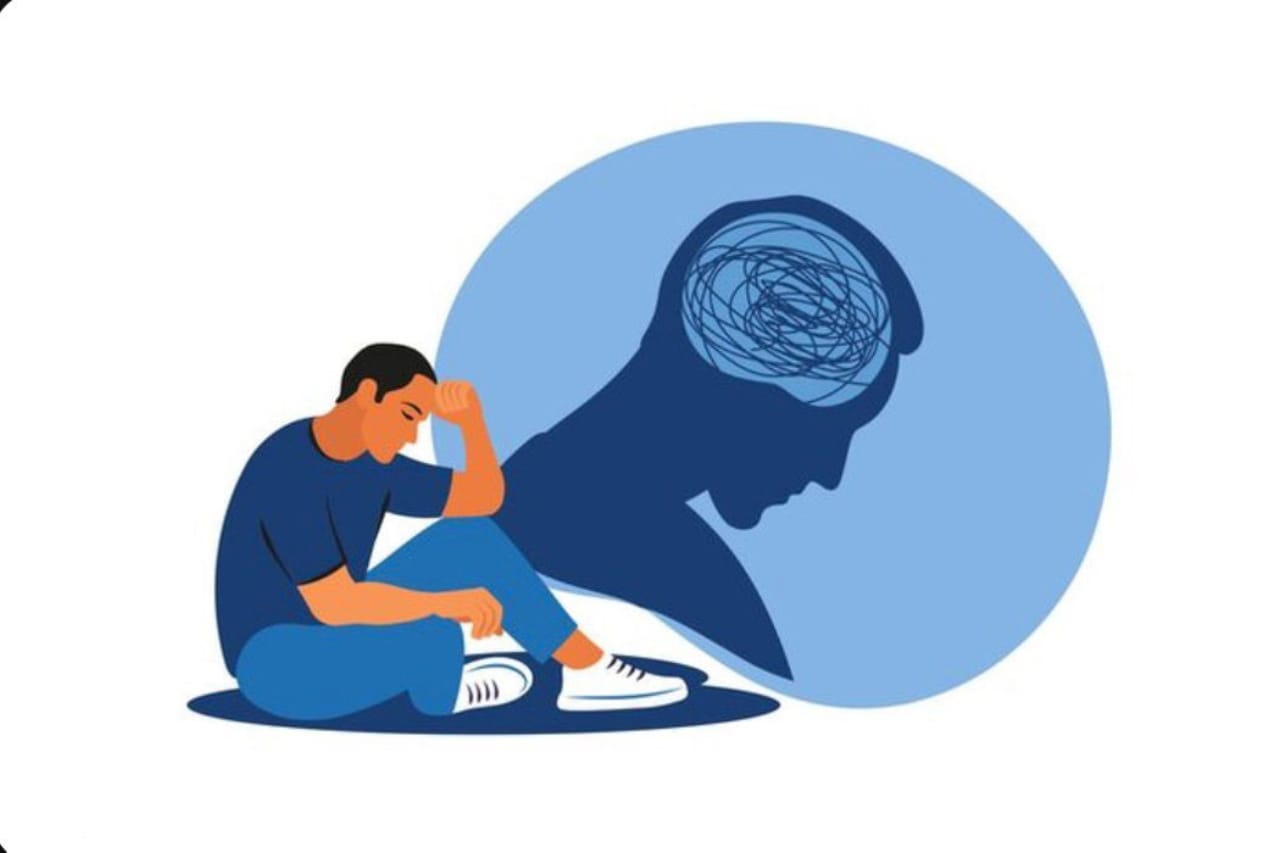
Somatoform disorders, or Somatic Symptom and Related Disorders (SSD), cause real physical symptoms, like pain or digestive issues, without a clear medical explanation. The distress is genuine and can affect daily life. Learning about different types of somatoform disorders helps us understand how mental health can impact the body.
Why Learning the Types of Somatoform Disorder Matters
Knowing the types of somatoform disorder helps recognize when symptoms stem from mental health rather than physical illness. So, what are two types of somatoform disorders?
- Illness Anxiety Disorder – excessive worry about having a serious disease.
- Conversion Disorder – neurological symptoms like weakness or tremors without a medical cause.
Understanding different types of somatoform disorders guides better care and reduces unnecessary stress.
Key Signs and Symptoms
Common Physical Complaints Without Medical Cause
- Pain in various body parts
- Digestive issues
- Neurological symptoms (tremors, weakness)
- Sexual symptoms
Emotional and Behavioral Clues
- High anxiety or health worries
- Frustration when symptoms lack a medical explanation
- Frequent doctor visits or repeated tests
Different Types of Somatoform Disorders
What Are Two Types of Somatoform Disorders, and Others Common Disorders Identified?
The types of somatoform disorder include several conditions where physical symptoms appear without a clear medical cause. Two commonly known types are Somatization Disorder and Conversion Disorder, but others like Illness Anxiety Disorder and Body Dysmorphic Disorder are also recognized.
Somatization Disorder
Somatization Disorder involves multiple, recurring physical complaints across different body systems, such as pain, digestive problems, or fatigue, without a clear medical explanation. These symptoms often disrupt daily life and can cause significant emotional stress for the person affected.
Conversion Disorder
Conversion Disorder causes neurological symptoms like weakness, tremors, seizures, or loss of sensation that cannot be traced to a medical cause. Stress and emotional factors often worsen these symptoms, making daily activities challenging.
Hypochondriasis (Illness Anxiety Disorder)
People with Hypochondriasis, or Illness Anxiety Disorder, experience excessive worry about having a serious illness. Even minor symptoms or normal body sensations can trigger anxiety, leading to frequent doctor visits and emotional distress.
Pain Disorder
Pain Disorder is characterized by persistent, severe pain in one or more parts of the body that interferes with daily life. The pain is real and distressing but may not have a clear physical cause, often linked to emotional or psychological factors.
Body Dysmorphic Disorder
Body Dysmorphic Disorder involves a preoccupation with perceived flaws in appearance, which may be minor or imagined. This focus causes significant emotional distress, affects self-esteem, and can lead to repetitive behaviors like mirror checking or social withdrawal.
Undifferentiated Somatoform Disorder
Undifferentiated Somatoform Disorder refers to physical symptoms lasting less than six months or not fitting into other somatoform categories. Despite being less specific, these symptoms still cause noticeable distress and affect daily functioning.
Causes and Risk Factors
Somatoform disorders often arise from a combination of psychological and biological factors. Stress, anxiety, or past traumatic experiences can increase the risk. People with existing anxiety disorders are also more likely to experience different types of somatoform disorders.
Diagnosis and Evaluation
Doctors rule out medical causes before diagnosing somatoform disorders. A strong doctor-patient relationship is key, and repeated testing may be avoided when a single experienced provider manages care.
Treatment and Management Options
Managing somatoform disorders focuses on improving daily functioning and reducing distress rather than just treating physical symptoms. A combination of therapy, supportive care, and lifestyle strategies can make a real difference in quality of life.
Psychotherapy and Cognitive Behavioral Therapy (CBT)
CBT helps identify and correct distorted thoughts, unrealistic beliefs, and behaviors that feed anxiety and worsen symptoms. Therapy can also teach practical coping skills, while counseling for family and friends provides additional support.
Medication and Supportive Therapies
Although no medication directly treats somatoform disorders, doctors may prescribe medicines to manage related anxiety or depression. Supportive therapies can further help patients cope with stress and emotional challenges.
Lifestyle and Coping Strategies
Adopting healthy routines, practicing stress reduction techniques, and mindfulness can improve daily functioning. These strategies help reduce symptom distress and empower patients to regain control over their lives.
When to Seek Professional Help
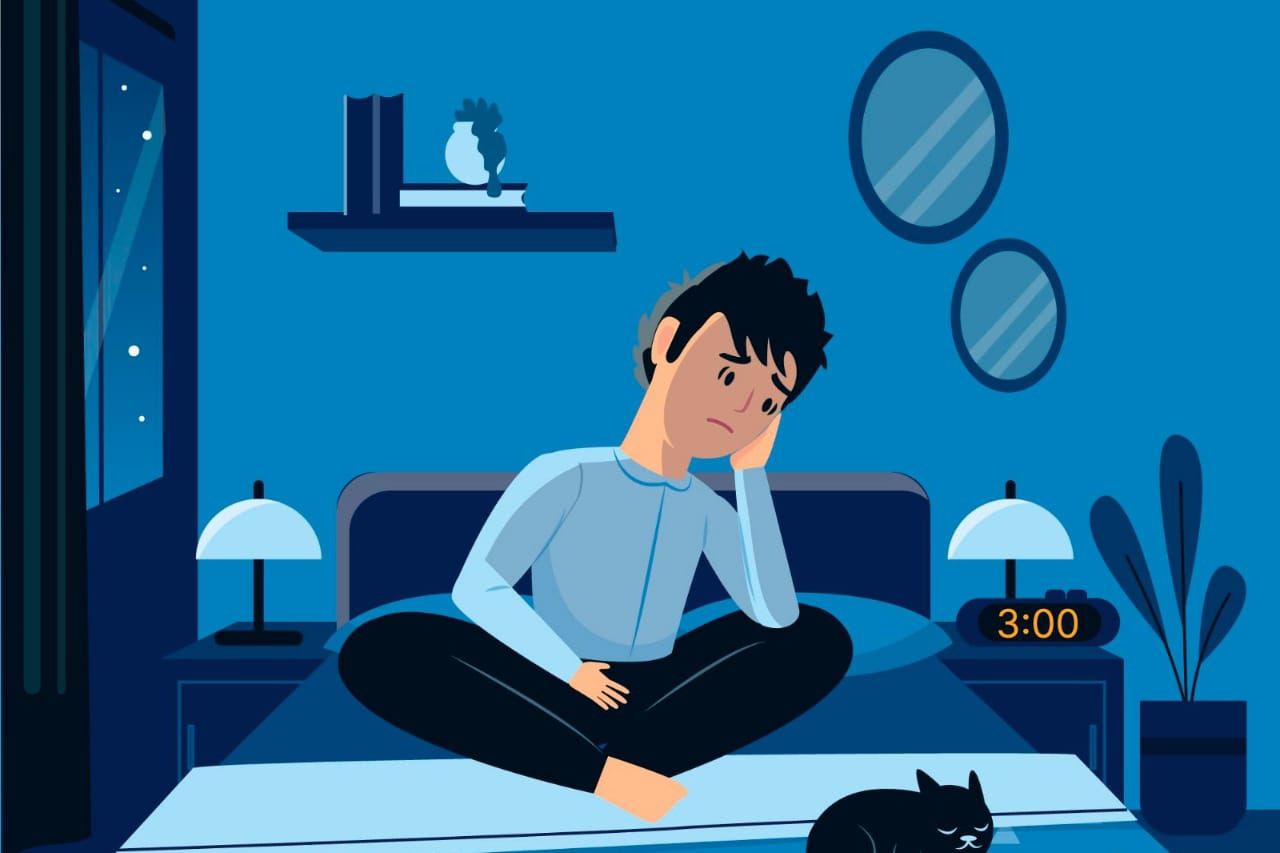
Seek help if physical symptoms persist without a clear medical cause or start affecting daily life. High anxiety, frequent doctor visits, or constant worry about health are signs to reach out. Early support can prevent stress from worsening symptoms.
Conclusion
Understanding the types of somatoform disorder and recognizing symptoms is crucial for effective care. With the right mental health counselor support, including therapy, stress management, and a strong doctor-patient relationship, people can manage symptoms and improve their quality of life.
Frequently Asked Questions
The main types include Somatization Disorder, Conversion Disorder, Illness Anxiety Disorder (Hypochondriasis), Pain Disorder, Body Dysmorphic Disorder, and Undifferentiated Somatoform Disorder.
The two most common types are Somatization Disorder and Conversion Disorder, though other forms like Illness Anxiety Disorder are also frequently identified.
Doctors rule out medical causes first and assess symptoms, emotional patterns, and daily functioning. A strong doctor-patient relationship helps avoid unnecessary tests.
Yes, with therapy, stress management, lifestyle strategies, and sometimes medication for related anxiety or depression, symptoms can be managed successfully.
They often arise from a combination of psychological factors, stress, anxiety, past trauma, or coexisting mental health conditions.
Therapy, especially Cognitive Behavioral Therapy (CBT), helps correct distorted thoughts, reduce anxiety, and teach coping skills to improve daily life.