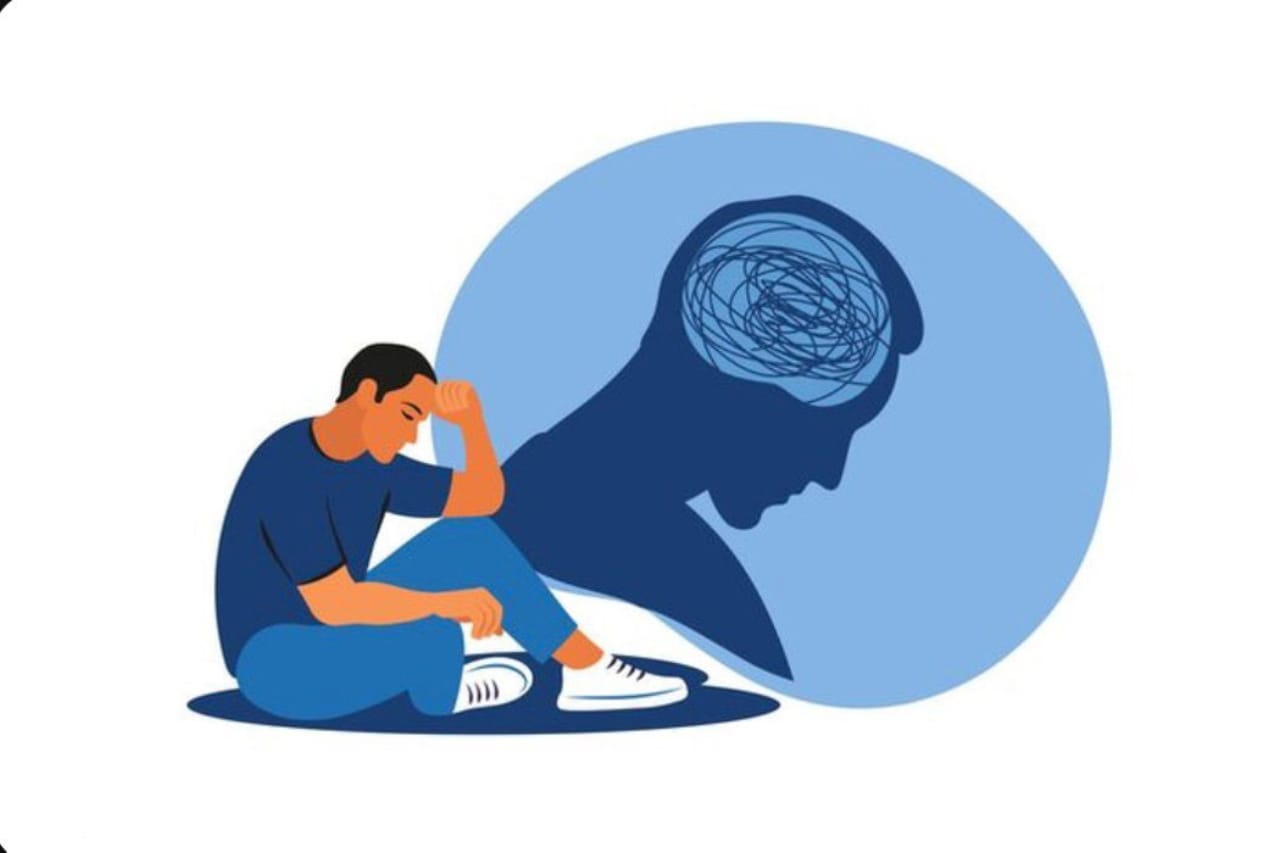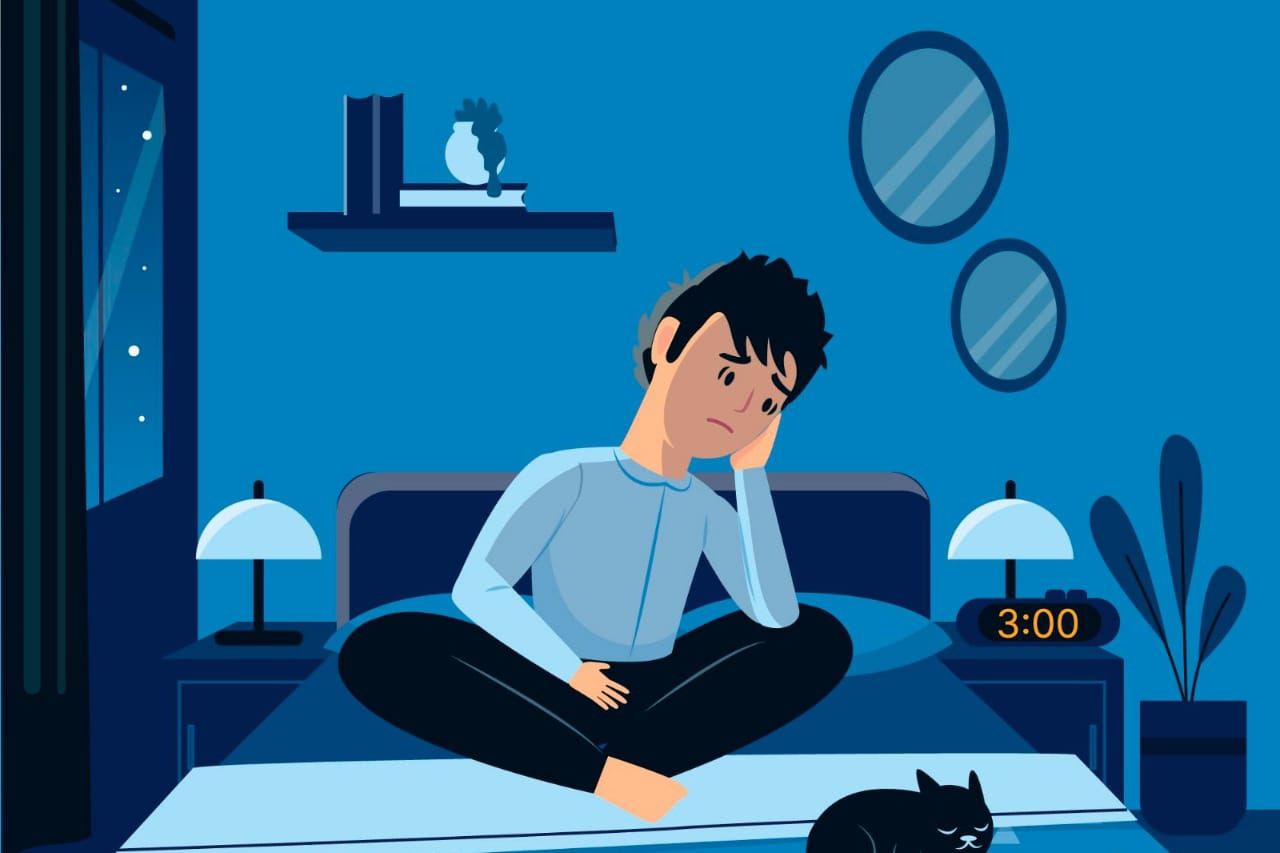

Some people look like they have it all together. They show up to work, meet deadlines, smile in meetings, and keep life moving. But inside, something feels heavy and exhausting. This is where high functioning depression often hides.
Understanding high functioning depression symptoms helps us notice what usually goes unseen and unspoken.
What is High-Functioning Depression?
So, what is high functioning depression exactly? It’s a form of depression where a person continues to function outwardly while struggling internally. They may appear productive, responsible, and emotionally ‘fine’, but beneath the surface, there’s persistent sadness, fatigue, or emptiness.
Unlike severe depression that visibly disrupts daily life, high functioning depression often goes unnoticed because the person keeps going, even when it feels painfully difficult.
Generic Symptoms of High-Functioning Depression
High-functioning depression does not always look dramatic. Its symptoms are subtle, consistent, and often dismissed as “normal stress.”
Having Insomnia or Sleeping Too Much
Sleep patterns often change. Some people struggle to fall asleep because their mind never shuts off, while others sleep excessively yet still feel exhausted. These disrupted patterns are common high functioning depression symptoms that quietly affect daily energy levels.
Feeling Hopelessness
There may be a constant sense that things won’t truly improve. Even when life seems stable, hope feels distant. This emotional heaviness is one of the more hidden signs of high functioning depression.
Lack of Self-Esteem
People with high-functioning depression are often very self-critical. Achievements feel undeserved, and mistakes feel overwhelming.
Low self-worth is a key part of many high functioning depression symptoms, even when confidence appears intact externally.
Feeling Weak or Lack of Energy
Daily tasks require more effort than they should. Even small responsibilities can feel draining.
This persistent fatigue is not laziness; it’s a core feature of high functioning depression.
Difficulty in Decision Making
Simple decisions suddenly feel exhausting. Overthinking becomes constant, and confidence in choices fades. This mental fatigue often goes unnoticed but strongly points toward high functioning depression symptoms.
Signs You May Be Dealing With High-Functioning Depression
Many people quietly wonder, do I have high functioning depression? The signs are often emotional rather than visible. You may keep functioning while feeling disconnected, emotionally numb, or constantly overwhelmed.
If you feel like you’re surviving instead of living, checking in with yourself matters. Asking do I have high functioning depression is not a weakness; it’s awareness.
Severity of Symptoms
The severity of high functioning depression varies from person to person. Some experience mild but persistent emotional distress, while others feel intense internal struggles masked by external productivity.
Just because someone is functioning does not mean their pain is less real or less deserving of support.
Also Know About – Stages of Depression
Why it Happens
High-functioning depression often develops due to long-term stress, unresolved emotional pain, perfectionism, or constant pressure to perform. Childhood expectations, trauma, or lack of emotional validation can also contribute.
Over time, coping becomes a habit, and emotional suffering becomes normalized, a dangerous combination in high functioning depression.
Hidden Dysfunction
The most damaging part of high functioning depression is how invisible it is. People praise resilience while ignoring emotional exhaustion.
This hidden dysfunction can lead to burnout, emotional numbness, and worsening mental health if left untreated.
Importance of Treating High-Functioning Depression
Because it’s hidden, high functioning depression often goes untreated. Many people delay seeking help because they feel they’re “not struggling enough.”
A high functioning depression test can help identify patterns and symptoms early. Early awareness allows space for healing before emotional exhaustion deepens.
Knowing how to help someone with high functioning depression also matters. Listening without minimizing, encouraging professional help, and offering consistent emotional support can make a real difference.
How to Manage High-Functioning Depression
Learning how to deal with high functioning depression involves both internal and external changes. Small steps, taken consistently, can create meaningful shifts.
Step into Proactiveness
Seeking therapy, journaling, or even acknowledging your emotional state is a powerful first step. Awareness breaks the cycle of silent suffering.
This is one of the most effective ways to begin how to deal with high functioning depression.
Eat Clean
Nutrition impacts mood and energy more than we realize. Balanced meals help regulate emotional stability and physical fatigue. Healthy eating supports recovery from high functioning depression, but works best alongside professional care.
Get Some Rest
Rest is not a reward; it’s a necessity. Creating healthy sleep routines supports emotional regulation and mental clarity. Quality rest is essential when learning how to deal with high functioning depression long-term.
Have Sunlight
Natural sunlight improves mood and regulates sleep cycles. Even a short daily walk can positively impact mental health.
Small habits like this play a supportive role in managing high functioning depression.
Frequently Asked Questions
High-functioning depression is a form of depression where a person appears productive and emotionally stable on the outside, while struggling internally. They continue managing work, relationships, and responsibilities despite feeling persistently low, tired, or emotionally disconnected. Understanding what is high functioning depression helps recognize pain that is often hidden behind success or routine.
Common high functioning depression symptoms include constant fatigue, difficulty sleeping, low self-esteem, emotional numbness, and trouble making decisions. These symptoms may not stop daily functioning but quietly affect emotional well-being over time. Because they are subtle, many people ignore them or label them as stress.
Many people ask themselves, do I have high functioning depression, especially when they feel emotionally drained despite functioning normally. If sadness, exhaustion, or numbness lasts for weeks and affects how you feel internally, it may be worth seeking professional guidance. A mental health expert can help you understand what you’re experiencing.
Knowing how to help someone with high functioning depression starts with listening without judgment or quick fixes. Offering consistent emotional support and encouraging professional help can make a meaningful difference. Small actions, like checking in regularly, often matter more than advice.
A high functioning depression test can help identify patterns related to mood, energy, and emotional health. While these tests offer insight, they are not a diagnosis. A mental health professional can provide proper evaluation and support based on your results.
Learning how to deal with high functioning depression involves therapy, self-awareness, and healthy lifestyle changes. Managing stress, improving sleep, and building emotional support systems are important steps. Recovery is possible with consistent care and the right guidance.