
Introduction
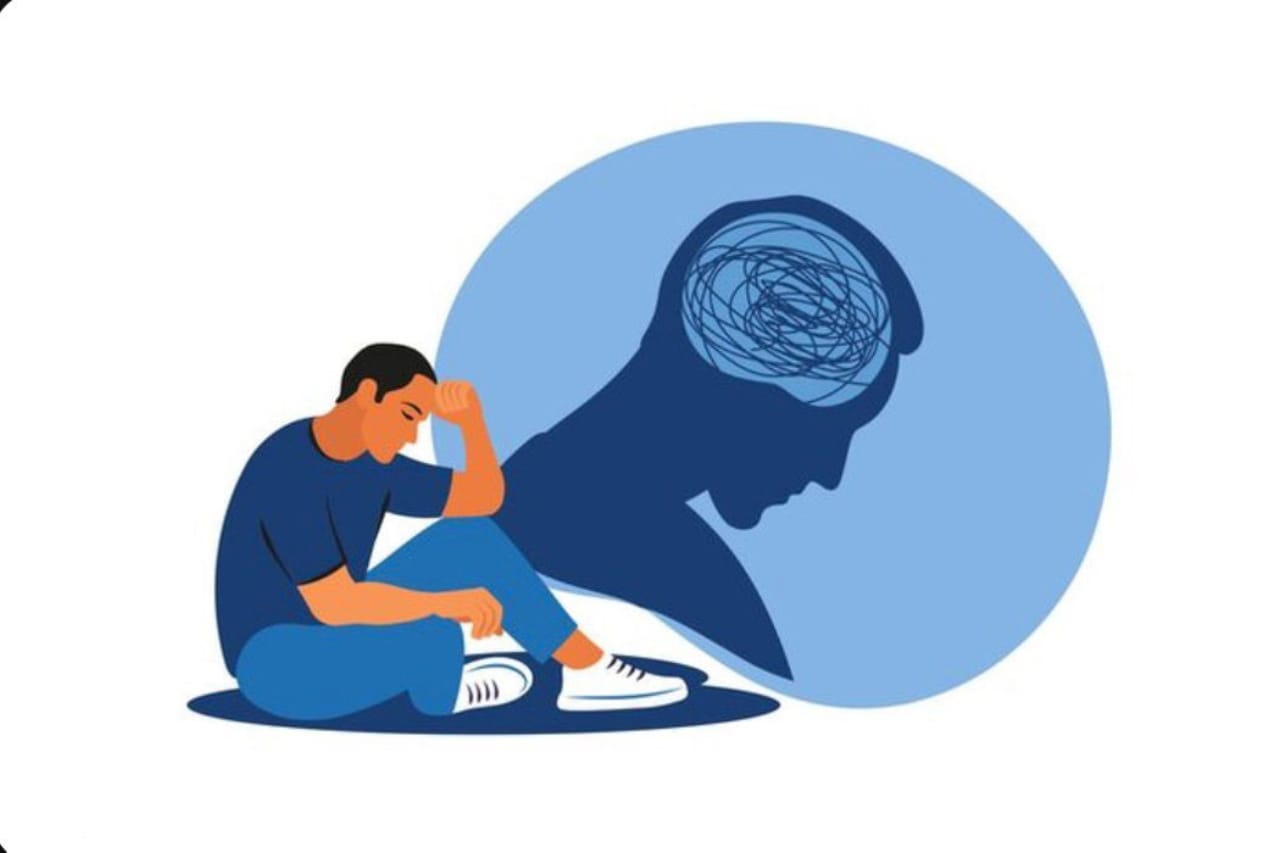
Some forms of depression don’t arrive like a storm. They settle in slowly, like a grey filter over daily life. Tasks get done. Conversations happen. But inside, something feels consistently heavy.
Understanding persistent depressive disorder symptoms is important because this condition often hides in plain sight. The sadness isn’t always dramatic; it’s steady, long-lasting, and deeply tiring. Over time, this ongoing emotional weight can shape how a person thinks, feels, and functions.
Symptoms of Persistent Depressive Disorder
- Long-lasting low mood
A persistent feeling of sadness or emotional heaviness that continues for at least two years in adults (or one year in children and adolescents). It’s not just a bad phase; it lingers quietly in the background of daily life. - Low energy and constant fatigue
Everyday tasks may feel more exhausting than they should. Even after rest, there may be a sense of emotional and physical tiredness that doesn’t fully go away, one of the common persistent depressive disorder symptoms. - Poor self-esteem
Individuals may struggle with ongoing self-doubt or feelings of inadequacy. Over time, negative self-perception can become deeply ingrained and hard to challenge. - Difficulty concentrating
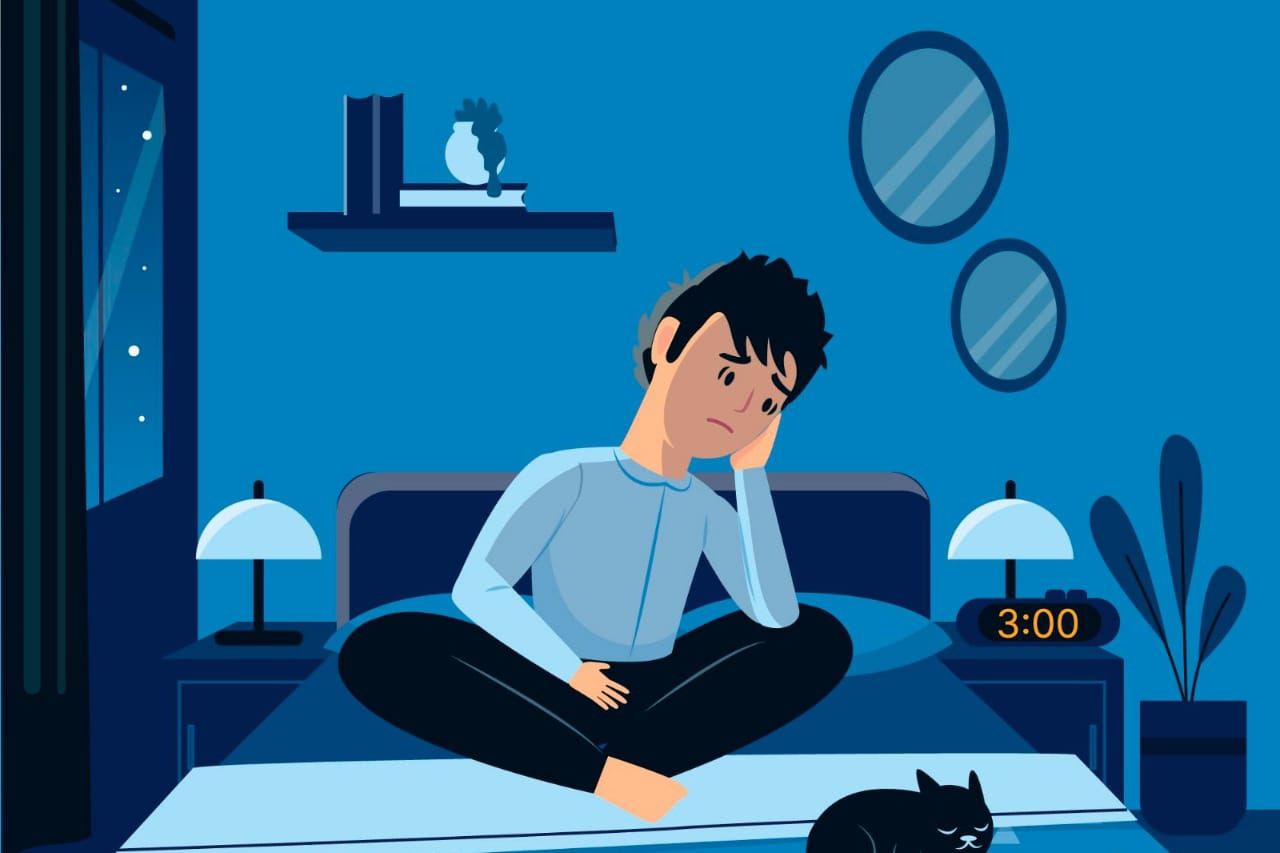
Making decisions, staying focused, or remembering details can feel unusually difficult. Mental clarity may feel clouded, especially during stressful situations. - Changes in sleep or appetite
Sleep may become disturbed, either too much or too little. Appetite can increase or decrease, often without a clear reason, contributing to further emotional imbalance. - Feelings of hopelessness
A quiet but persistent sense that things may not improve. This emotional weight is one of the more defining persistent depressive disorder symptoms, especially when it stretches over years.
Also Read About: Clinical Depressions
Causes of Persistent Depressive Disorder
There isn’t a single trigger. Like many mood disorders, this condition develops through a combination of internal vulnerabilities and external pressures.
Structural and Functional Brain Variations
Subtle differences in how certain brain regions regulate mood may increase vulnerability. Areas responsible for emotional balance and stress response may not function as efficiently, making it harder to recover from low emotional states. These underlying patterns can contribute to the development and persistence of persistent depressive disorder symptoms over time.
Neurochemical Imbalance
Brain chemicals that influence mood, such as serotonin and dopamine, play a key role in emotional regulation. When these systems are disrupted, feelings of pleasure, motivation, and hope may decline. This imbalance can make persistent depressive disorder symptoms feel constant rather than temporary.
Genetic and Family Patterns
A family history of depression can increase risk. While no single “depression gene” exists, inherited tendencies toward mood instability or stress sensitivity may make some individuals more vulnerable. When combined with environmental stress, this predisposition may contribute to chronic low mood.
Stressful or Traumatic Experiences
Long-term stress, childhood adversity, loss, or major life disruptions can act as triggers. When emotional pain isn’t processed or supported, it may evolve into persistent sadness. Over time, unresolved stress can solidify into ongoing, persistent depressive disorder symptoms.
Risk Factors for Persistent Depressive Disorder
Certain factors may increase the likelihood of developing long-term depressive patterns.
A history of major depression, chronic stress exposure, difficult childhood environments, or co-existing anxiety disorders can heighten risk. Personality traits such as pessimism or low self-confidence may also contribute.
When multiple vulnerabilities overlap, persistent depressive disorder symptoms may become more likely to persist without intervention.
Complications
Left untreated, this condition can gradually impact many areas of life. Relationships may feel strained. Productivity may decline. Self-worth may quietly erode.
In some cases, individuals may develop episodes of major depression on top of ongoing low mood, sometimes referred to as “double depression.” Persistent emotional heaviness can also increase the risk of substance misuse or social withdrawal.
This is why recognising persistent depressive disorder symptoms early is so important.
Diagnosis
Diagnosis involves careful evaluation by a qualified mental health professional. Because symptoms are long-term, identifying patterns over time is essential.
Medical Health Review
A healthcare provider may conduct a general health check to rule out physical conditions, such as thyroid disorders, that can mimic depressive symptoms. This ensures that persistent depressive disorder symptoms are not linked to an underlying medical issue.
Laboratory and Screening Assessments
Blood tests or other screenings may be recommended to exclude biological causes. These assessments help clarify the diagnosis and guide treatment decisions. Ruling out physical contributors strengthens the accuracy of identifying chronic mood conditions.
Comprehensive Psychological Assessment
A detailed conversation about mood patterns, thought processes, behaviour, and duration of symptoms forms the core of diagnosis. The professional may assess how long persistent depressive disorder symptoms have been present and how they affect daily functioning. Consistency and duration are key factors in confirming the condition.
How to Prevent Persistent Depressive Disorder
While not all cases can be prevented, early support can reduce severity. Addressing emotional distress promptly prevents patterns from becoming deeply rooted.
Seeking help at the first signs of prolonged sadness can interrupt the progression of persistent depressive disorder symptoms and build emotional resilience.
Lifestyle Changes
- Move your body regularly
Physical activity helps regulate brain chemicals that influence mood and motivation. Even light exercise, done consistently, can gradually reduce the intensity of persistent depressive disorder symptoms. - Create a stable sleep routine
Going to bed and waking up at consistent times helps balance stress hormones. Quality sleep supports emotional regulation and improves mental clarity. - Nourish your body mindfully
Balanced meals provide steady energy and prevent mood crashes. When nutrition is consistent, emotional resilience becomes easier to maintain. - Limit alcohol and substance use
While substances may offer temporary relief, they often worsen mood patterns over time. Reducing reliance on them can significantly improve long-term emotional stability. - Build small, repeatable habits
Recovery doesn’t require drastic change; it grows from daily consistency. Over time, steady routines can help ease persistent depressive disorder symptoms and strengthen overall well-being.
Coping Strategies
Structured coping tools are powerful. Cognitive behavioural therapy (CBT) helps reframe negative thought patterns. Mindfulness techniques encourage present-moment awareness rather than rumination.
Journaling, structured goal-setting, and building small daily achievements can gradually restore confidence. With practice, these tools reduce the intensity of persistent depressive disorder symptoms.
Personal & Professional Support
No one should manage chronic depression alone. Trusted friends and family provide emotional grounding, while therapists offer structured guidance.
In some cases, medication may be recommended to stabilise mood chemistry. Combining therapy, support systems, and, when necessary, medication often provides the most effective relief from persistent depressive disorder symptoms.
Recovery may be gradual, but it is possible.
Frequently Asked Questions
Common persistent depressive disorder symptoms include long-lasting sadness, low energy, poor self-esteem, sleep disturbances, appetite changes, and difficulty concentrating. These symptoms persist for years rather than weeks.
Persistent depressive disorder symptoms can quietly impact productivity, relationships, and motivation. Individuals may function outwardly but feel internally drained, hopeless, or disconnected from joy.
The condition develops due to a mix of brain chemistry differences, genetic vulnerability, and prolonged stress or trauma. There is rarely a single cause; it’s usually a combination of factors.
Diagnosis involves medical evaluation, possible lab tests, and a detailed psychological assessment. Mental health professionals assess the duration and pattern of symptoms before confirming the condition.
While prevention isn’t always possible, early intervention, therapy, healthy routines, and medication when needed can effectively manage symptoms and improve quality of life.
Regular exercise, consistent sleep, balanced nutrition, stress management, and reducing substance use can support mood stability and reduce persistent depressive disorder symptoms over time.