
Introduction
Worry is a part of being human. Deadlines, health, finances, relationships; they all bring concern. But when worry refuses to switch off, when it stretches across months and seeps into everyday life, it may be more than stress.
So, what is Generalized Anxiety Disorder? It’s a mental health condition marked by persistent, excessive anxiety about multiple areas of life, even when there’s no immediate threat. To understand what is Generalized Anxiety Disorder in Psychology, we must look at how the brain stays in a near-constant state of alert.
If you’ve ever wondered what is Generalized Anxiety Disorder like, many describe it as living with an internal alarm system that rarely quiets down.
Symptoms of Generalized Anxiety Disorder
The symptoms of GAD are both mental and physical, and they often overlap.
- Persistent, uncontrollable worry
Thoughts circle endlessly around everyday issues, work, family, health, even when there’s no clear reason for concern. This is central to understanding what is Generalized Anxiety Disorder. - Restlessness or feeling on edge
The body may feel tense, as if bracing for something to go wrong. Many people asking what is Generalized Anxiety Disorder like describe constant nervous energy. - Difficulty concentrating
The mind jumps from one concern to another. Staying focused becomes difficult because worry occupies mental space. - Muscle tension and fatigue
Anxiety doesn’t just stay in the mind; it lives in the body. Tight shoulders, jaw clenching, and exhaustion are common physical effects. - Sleep disturbances
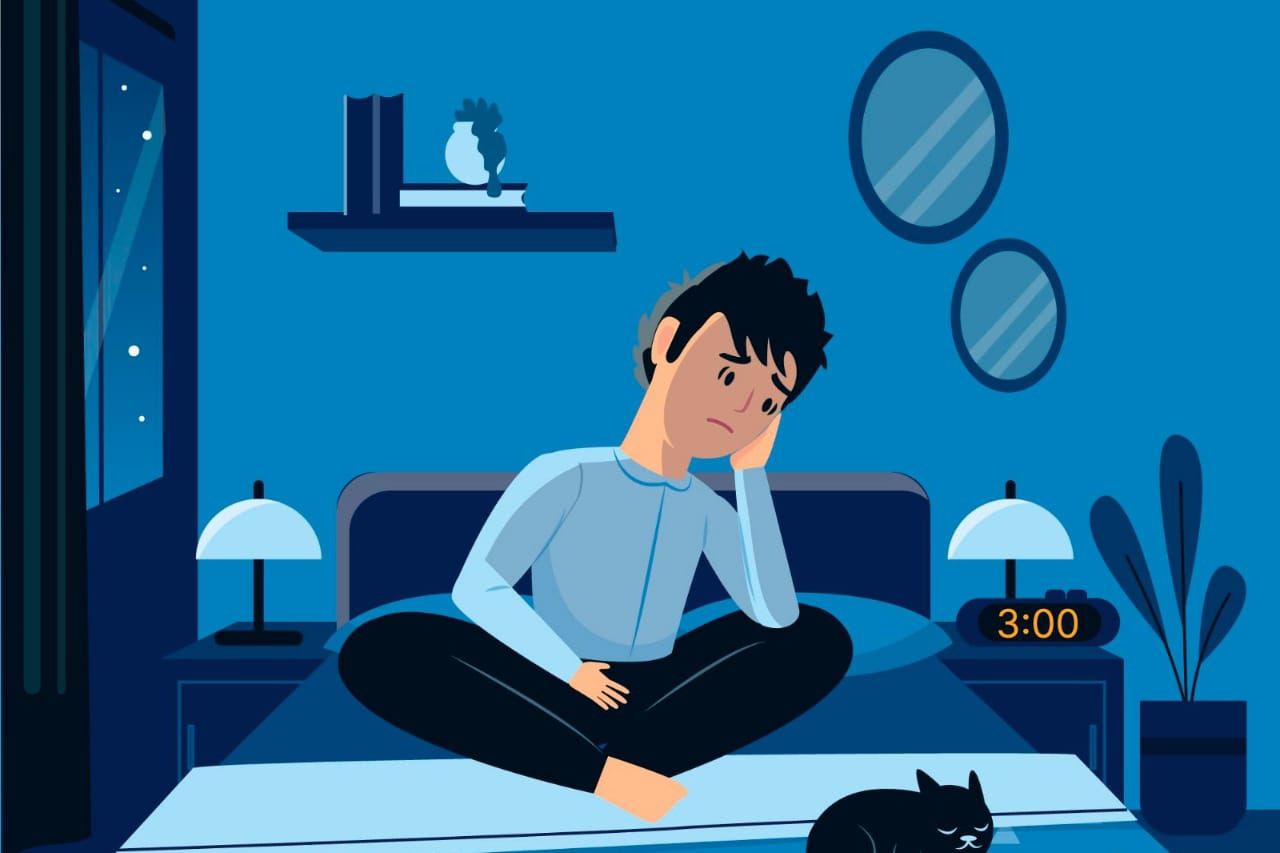
Falling asleep or staying asleep can become challenging, especially when the mind replays fears late at night.
These patterns help clarify what is Generalized Anxiety Disorder in Psychology, it’s chronic worry that disrupts daily functioning.
Causes of Generalized Anxiety Disorder
There isn’t one single cause behind GAD. It develops through a combination of factors.
- Brain chemistry and function
Imbalances in neurotransmitters that regulate mood and fear responses can increase vulnerability. These biological differences help explain what is Generalized Anxiety Disorder at a neurological level. - Genetic predisposition
Anxiety disorders often run in families. A history of anxiety may increase the likelihood of developing similar patterns. - Personality and temperament
Individuals who are naturally cautious, perfectionistic, or highly sensitive may be more prone to chronic worry. - Stressful life experiences
Trauma, long-term stress, or significant life changes can trigger ongoing anxiety responses.
Understanding these contributors deepens our understanding of what is Generalized Anxiety Disorder in Psychology.
Risk Factors & Complications of Generalized Anxiety Disorder
Certain factors increase vulnerability, including chronic stress, childhood adversity, and co-existing mental health conditions.
If untreated, GAD may lead to complications such as depression, sleep disorders, digestive issues, or substance misuse. Constant anxiety can strain relationships and reduce work productivity.
Recognising early signs helps prevent long-term impact and clarifies what is Generalized Anxiety Disorder like when left unmanaged.
Diagnosis & Tests
Diagnosis involves a detailed psychological assessment. A mental health professional evaluates the duration, intensity, and impact of symptoms.
Physical exams or lab tests may be conducted to rule out medical causes. Because symptoms overlap with other conditions, careful evaluation is essential.
This structured process ensures clarity when identifying what is Generalized Anxiety Disorder accurately.
Preventions
While GAD cannot always be prevented, early intervention makes a significant difference.
Addressing stress promptly, building emotional awareness, and seeking support at early signs can reduce severity. Preventive care also includes maintaining consistent routines and avoiding unhealthy coping habits.
Small proactive steps can interrupt the progression of chronic worry.
Coping Techniques
Managing anxiety involves both mental and physical strategies.
- Challenging catastrophic thoughts helps reduce exaggerated worry. This approach directly addresses patterns central to what is Generalized Anxiety Disorder.
- Deep breathing, progressive muscle relaxation, and mindfulness calm the nervous system and reduce physical tension.
- Breaking concerns into actionable steps reduces overwhelm and restores a sense of control.
Coping tools gradually shift the experience of what is Generalized Anxiety Disorder like from chaos to manageability.
How to Prepare for Professional Support
Seeking help can feel intimidating, but preparation helps.
Write down symptoms, note how long they’ve persisted, and list major stressors. Being open about emotional and physical experiences allows professionals to assess accurately.
If you’re wondering what is the treatment for Generalized Anxiety Disorder, a professional evaluation is the first step toward clarity.
Lifestyle Changes
Daily habits significantly influence anxiety levels.
Regular exercise regulates stress hormones. Consistent sleep stabilises emotional processing. Balanced nutrition supports brain function.
Reducing caffeine and limiting alcohol can also ease physical symptoms. These lifestyle adjustments often complement therapy and medication when considering what is the best way to treat Generalized Anxiety Disorder.
Frequently Asked Questions
What is Generalized Anxiety Disorder in psychology refers to a chronic anxiety condition characterised by excessive, uncontrollable worry lasting six months or more. It affects thought patterns, emotional balance, and even physical health, making everyday concerns feel overwhelming.
What is Generalized Anxiety Disorder like often feels like constant anticipation of something going wrong. Even routine situations may trigger persistent tension, restlessness, and difficulty relaxing.
Common symptoms include ongoing worry, irritability, fatigue, muscle tension, difficulty concentrating, and sleep disturbances. These symptoms collectively explain what is Generalized Anxiety Disorder in practical, day-to-day terms.
Generalized Anxiety Disorder develops due to a mix of genetic factors, brain chemistry differences, personality traits, and prolonged stress exposure. There is rarely a single cause.
What is the treatment for Generalized Anxiety Disorder typically includes cognitive behavioural therapy (CBT), medication when necessary, relaxation techniques, and structured coping strategies tailored to individual needs.
What is the best way to treat Generalized Anxiety Disorder often involves a combined approach, therapy, possible medication, lifestyle changes, and consistent professional support for long-term stability.