
Understanding Schizophrenia Disease
Schizophrenia is a complex mental health condition that affects how a person thinks, feels, and behaves. Understanding what is schizophrenia, what is schizophrenia disease, and its effects helps in early recognition and better management.
What Is the Meaning of Schizophrenia in Psychology
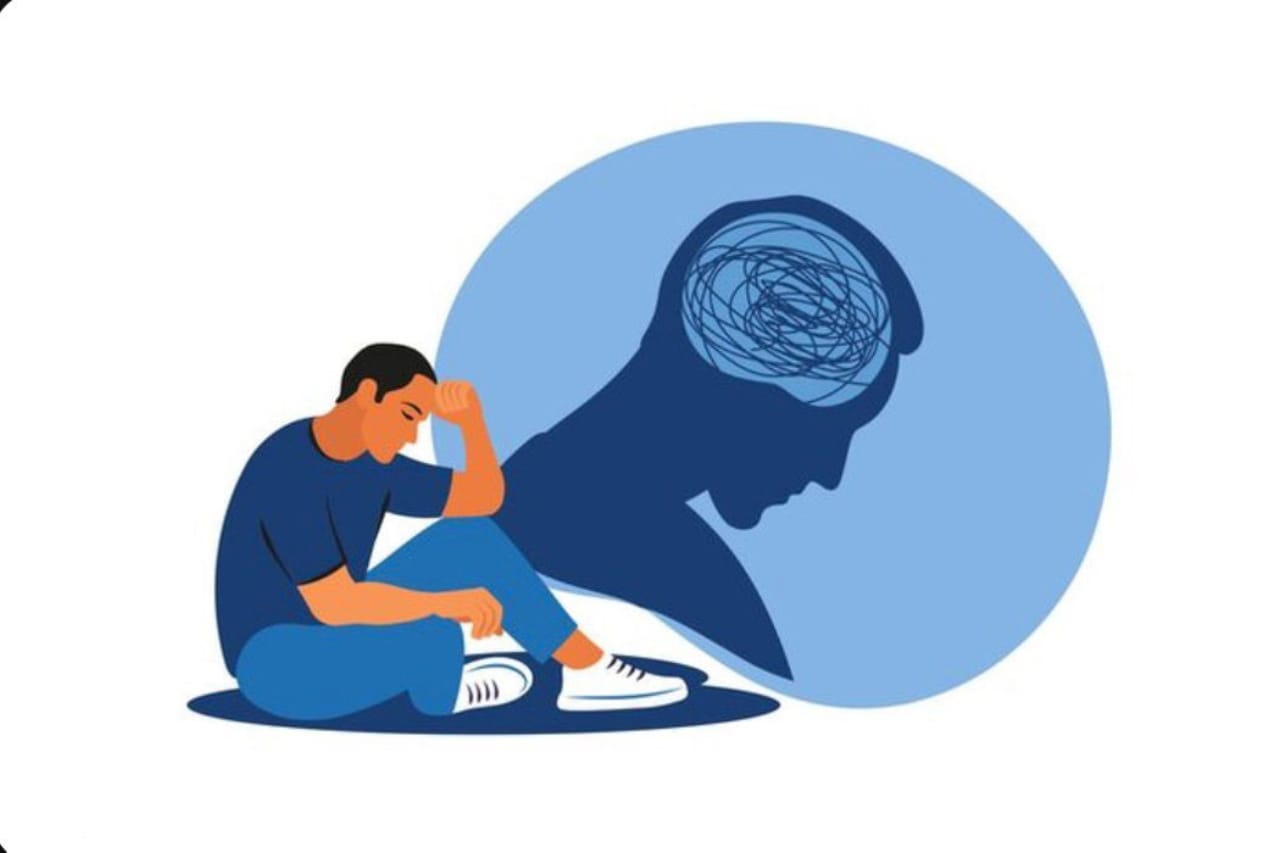
In psychology, schizophrenia is a chronic brain disorder that disrupts perception, thought processes, and emotions. It’s characterized by hallucinations, delusions, disorganized thinking, and difficulty distinguishing reality. Knowing what is the meaning of schizophrenia helps reduce stigma and improve support for those affected.
How Schizophrenia Affects Thinking, Behavior, and Emotions
Schizophrenia disorder can lead to confusion, trouble concentrating, and difficulty making decisions. Behavioral changes may include withdrawal from social activities or unusual actions, while emotional symptoms range from flat affect to sudden agitation. These combined effects highlight what is schizophrenia disease in daily life.
What Part of the Brain Is Affected by Schizophrenia
Research shows schizophrenia primarily impacts areas like the prefrontal cortex, hippocampus, and amygdala. These regions are involved in thinking, memory, and emotional regulation. Understanding what part of the brain is affected by schizophrenia helps explain the range of cognitive and emotional symptoms.
Causes and Risk Factors of Schizophrenia
It arises from a mix of genetic, biological, and environmental factors. Recognizing these causes and risk factors is crucial for prevention and early intervention.
Genetic and Biological Influences
A family history of schizophrenia increases the likelihood of developing the disorder. Genetic variations can affect brain development and function, contributing to the onset of what is schizophrenia in some individuals.
Environmental and Psychological Triggers
Stressful life events, trauma, or complications during pregnancy and birth may trigger schizophrenia in vulnerable individuals. These triggers interact with biological factors, highlighting the importance of early support.
Role of Brain Chemistry and Structure
Abnormalities in neurotransmitters such as dopamine and glutamate, as well as structural differences in the brain, play a key role. These chemical and structural changes explain why what happens if schizophrenia is untreated can lead to worsening symptoms and functional decline.
Recognizing the Symptoms of Schizophrenia
Schizophrenia presents with a range of symptoms that affect thinking, behavior, and emotions. Understanding these signs is essential to recognize what is schizophrenia disease early and seek help promptly.
Positive Symptoms: Hallucinations and Delusions
Positive symptoms refer to additions to normal behavior, such as hearing voices, seeing things that aren’t there, or holding false beliefs. These hallucinations and delusions can be distressing and disrupt daily life. Recognizing them is key to understanding what is schizophrenia in psychology.
Negative Schizophrenia Symptoms: What They Mean
Negative symptoms involve the absence or reduction of normal behaviors, like diminished emotional expression, lack of motivation, or social withdrawal. These often make daily functioning challenging and are sometimes overlooked. Knowing what is negative schizophrenia helps caregivers provide better support.
Cognitive Symptoms and Disorganized Thinking
Cognitive symptoms include trouble focusing, remembering information, or making decisions. Disorganized thinking can make communication difficult and affect problem-solving skills. These symptoms show how schizophrenia can impact everyday life.
Types and Stages of Schizophrenia
Schizophrenia can manifest in different forms and progress through various stages. Knowing the types and warning signs helps with timely intervention and management.
Common Types Based on Symptoms
Symptoms can categorize schizophrenia into types such as paranoid, disorganized, or catatonic. Each type affects thinking, behavior, and emotion differently, helping doctors tailor treatment.
Early Warning Signs and Progressive Stages
Early signs include social withdrawal, unusual thoughts, or sleep disturbances. As the disorder progresses, symptoms intensify, making early recognition crucial to prevent worsening outcomes and understand what happens if schizophrenia is untreated.
Diagnosis and Evaluation
Diagnosing schizophrenia requires careful assessment by a mental health counsellor. Early evaluation ensures proper management of what is schizophrenia disease and prevents complications.
How Schizophrenia Is Diagnosed by Psychiatrists
Psychiatrists evaluate mood, thought patterns, and behavior over time to confirm a diagnosis. Observations, interviews, and patient history help distinguish schizophrenia from other mental health conditions.
Medical Tests and Psychological Assessments
Doctors may use brain imaging, blood tests, and psychological assessments to rule out other causes. These tests also clarify what part of the brain is affected by schizophrenia, aiding targeted treatment.
Treatment and Management Options
Although schizophrenia is chronic, proper treatment can help manage symptoms effectively. A combination of medication, therapy, and support improves the quality of life for those affected.
Medications for Schizophrenia
Antipsychotic medications reduce hallucinations, delusions, and mood disturbances. Medication adherence is crucial, as untreated schizophrenia can worsen symptoms and daily functioning.
Psychotherapy and Rehabilitation
Cognitive-behavioral therapy, social skills training, and occupational therapy help patients manage symptoms. Psychotherapy addresses thought patterns and behaviors, improving emotional regulation and daily functioning.
Lifestyle Support and Family Education
Healthy routines, stress management, and supportive family involvement enhance treatment outcomes. Educating families about what is schizophrenia disease ensures a safer, more understanding environment for recovery.
What Happens If Schizophrenia Is Untreated
Leaving schizophrenia untreated can have serious consequences on both brain function and daily life. Understanding these outcomes emphasizes the importance of timely care and support.
Long-Term Effects on Brain and Behavior
Untreated schizophrenia can lead to worsening hallucinations, delusions, and cognitive decline. Over time, brain changes may become more pronounced, making daily tasks and decision-making harder.
Impact on Relationships and Quality of Life
Without treatment, social withdrawal, mistrust, and mood disturbances can strain relationships. Quality of life declines as patients struggle to maintain work, school, or family connections, highlighting what happens if schizophrenia is untreated.
Living With Schizophrenia
Managing schizophrenia involves adopting strategies to reduce symptoms and improve overall functioning. With proper care, individuals can lead fulfilling and productive lives.
Coping Strategies and Daily Management
Structured routines, medication adherence, stress management, and self-care help maintain stability. These practices reduce symptom flare-ups and improve emotional regulation.
Building a Support System for Recovery
Family, friends, and support groups play a key role in recovery. Understanding what is schizophrenia disease and providing encouragement strengthens resilience and long-term management.
When to Seek Professional Help
Early intervention is crucial to prevent worsening symptoms. Recognizing when professional care is needed ensures timely support for both patients and families.
Recognizing When Symptoms Need Immediate Care
Seek help if hallucinations, delusions, self-harm thoughts, or severe disorganization occur. Immediate care prevents escalation and reduces long-term complications.
How to Support Someone With Schizophrenia
Encourage treatment adherence, provide emotional support, and maintain open communication. Educating yourself about what is schizophrenia in psychology helps in offering effective assistance.
Summary: Key Takeaways on Schizophrenia
Schizophrenia is a complex mental disorder affecting thinking, emotions, and behavior. Understanding what is schizophrenia and its symptoms helps in early recognition and effective management.
- Symptoms include positive (hallucinations, delusions), negative (lack of motivation, flat affect), and cognitive (disorganized thinking) types.
- Causes involve genetics, brain chemistry, and environmental triggers.
- Untreated schizophrenia can worsen symptoms and affect daily life and relationships.
- Management combines medication, therapy, lifestyle changes, and strong support systems.
Early recognition and proper care can help individuals lead stable, fulfilling lives while managing what is schizophrenia in psychology.
Frequently Asked Questions
Schizophrenia is a chronic mental disorder that affects thinking, emotions, and behavior. It often begins in late adolescence or early adulthood, with early signs including social withdrawal, unusual thoughts, or sleep disturbances. Understanding what is schizophrenia disease helps in early detection and care.
In psychology, schizophrenia refers to a brain disorder that disrupts perception, thought processes, and emotional regulation. It involves hallucinations, delusions, disorganized thinking, and impaired daily functioning, highlighting what is the meaning of schizophrenia.
Schizophrenia primarily affects the prefrontal cortex, hippocampus, and amygdala. These regions control thinking, memory, and emotions. Knowing what part of the brain is affected by schizophrenia explains why cognitive and emotional symptoms occur.
Untreated schizophrenia can worsen symptoms, including hallucinations, delusions, and cognitive difficulties. It can also lead to social withdrawal, strained relationships, and decreased quality of life, showing why early care is crucial.
Negative schizophrenia involves the absence of normal behaviors, such as reduced motivation, social withdrawal, and flat emotions. Treatment combines medication, therapy, and structured routines to improve functioning and daily life.
Schizophrenia cannot be permanently cured, but symptoms can be effectively managed. Early intervention, medication, therapy, and support systems help individuals lead stable and fulfilling lives.
Supportive family and friends can encourage treatment adherence, provide emotional support, and maintain open communication. Understanding what is schizophrenia in psychology helps them create a safe, understanding environment for recovery.