Introduction
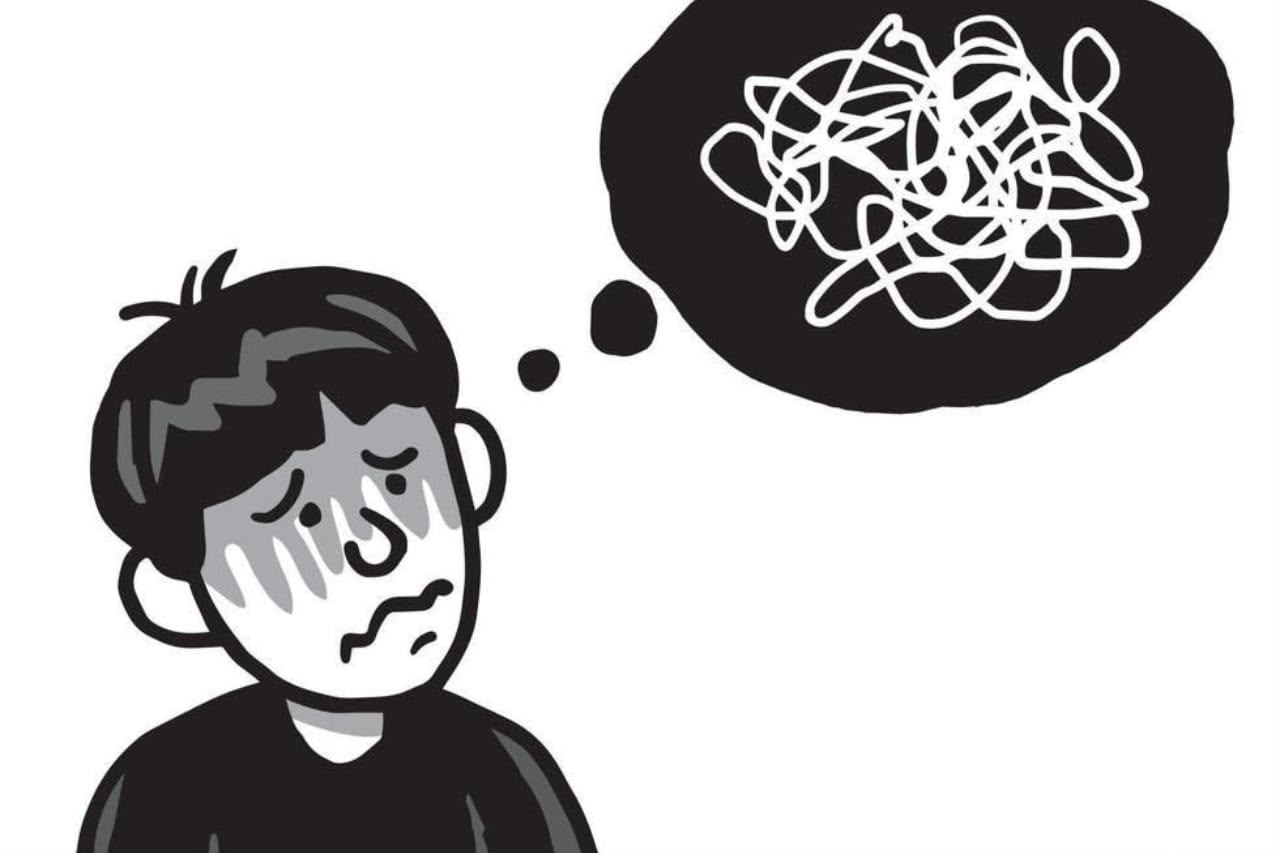
Overthinking is something many people experience, especially during stressful or uncertain situations. It often starts with one small worry and slowly turns into repetitive thoughts, self-doubt, worst-case scenarios, or mental loops that feel difficult to switch off.
This is why many people search for how to stop negative overthinking and look for healthier ways to manage their thoughts. While overthinking can feel mentally exhausting, learning to understand your thought patterns can help you regain clarity and emotional balance.
Why Do We Overthink?
Overthinking usually happens when the mind gets stuck trying to predict outcomes, avoid mistakes, solve uncertainty, or gain a sense of control. It often develops as a response to fear, stress, self-doubt, perfectionism, or unresolved emotional experiences.
Although it may feel like overthinking is helping you stay prepared, it often does the opposite by increasing stress, confusion, and emotional exhaustion.
Symptoms & Causes of Overthinking
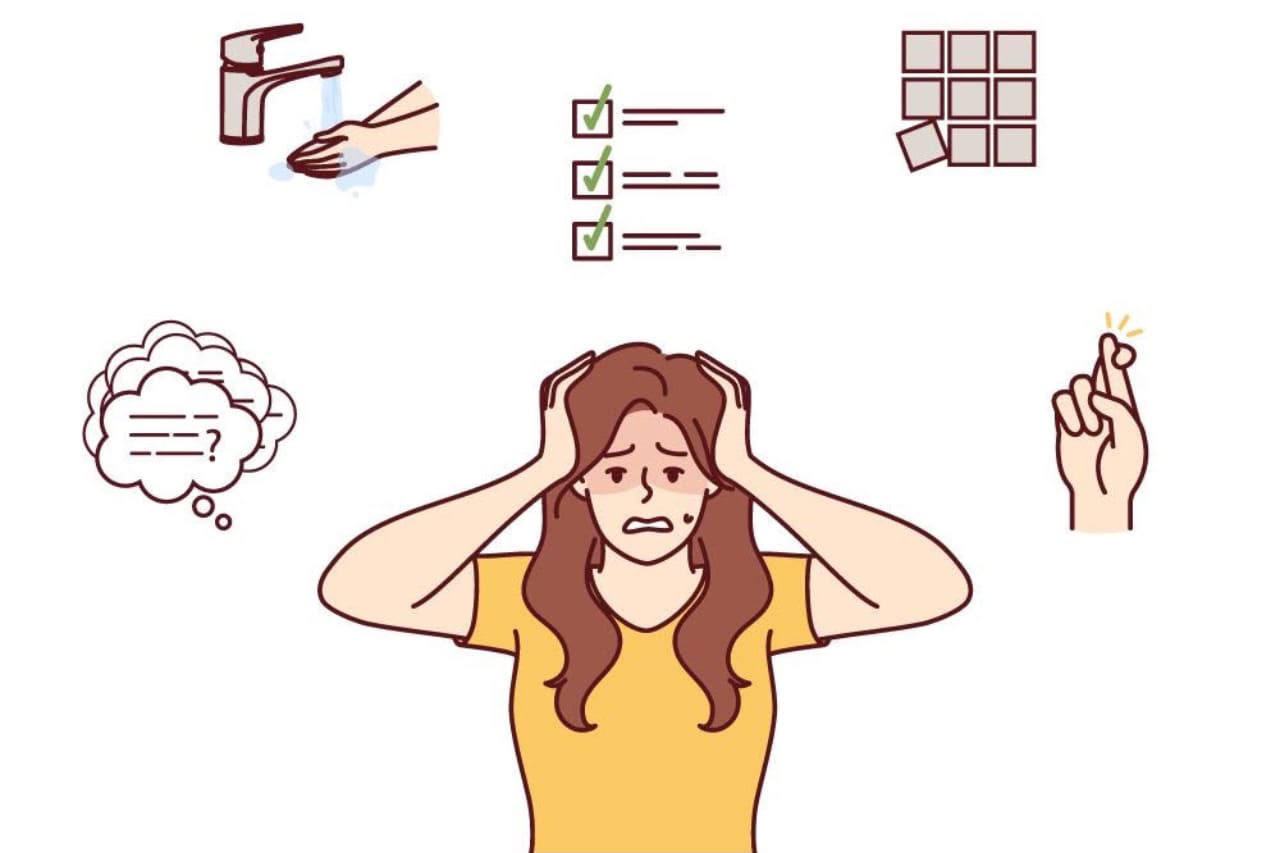
Overthinking symptoms can affect both your mental and emotional well-being, often making everyday situations feel more stressful or overwhelming than they need to be. It usually involves repetitive thought loops that are difficult to switch off.
Common Symptoms Of Overthinking:
- Racing or repetitive thoughts
- Difficulty focusing on tasks
- Constant second-guessing
- Mental exhaustion or fatigue
- Trouble relaxing or sleeping
- Increased irritability or stress
- Overanalysing small situations
Overthinking is often influenced by emotional patterns, past experiences, and the way a person responds to uncertainty or pressure.
Common Causes Of Overthinking:
- Anxiety or chronic stress
- Fear of failure or mistakes
- Perfectionist tendencies
- Low self-confidence
- Past negative experiences
- Need for control or certainty
- Unresolved emotional concerns
Common Negative Thought Patterns
Negative overthinking often follows repetitive mental patterns that can feel automatic over time. Recognising these patterns is an important step when learning how to stop overthinking and negative thoughts.
Common patterns include:
- Overanalysing past conversations or situations
- Imagining worst-case scenarios
- Self-criticism or harsh internal dialogue
- Assuming negative outcomes before they happen
- Replaying mistakes repeatedly
- Overgeneralising one negative experience into everything
How Overthinking Affects Mental Health
Overthinking can significantly impact emotional well-being by increasing stress, mental fatigue, and emotional overwhelm. Constant rumination can make it difficult to relax, stay focused, or enjoy the present moment.
Over time, negative thinking loops may contribute to anxiety, low mood, sleep disturbances, irritability, and reduced confidence in decision-making.
Things That Make Overthinking Worse
Certain habits and environments can unintentionally fuel overthinking and make negative thoughts feel even louder.
Common factors include:
- Lack of sleep or exhaustion
- Excessive screen time or information overload
- High stress levels
- Social comparison
- Isolation or lack of emotional support
- Perfectionism and fear of failure
- Constant need for reassurance
These factors can make it harder to learn how to stop overthinking and negative thinking effectively.
How Overthinking Holds You Back
Overthinking can quietly affect multiple areas of life by making even simple decisions feel mentally exhausting. It often creates hesitation, doubt, and fear around actions that would otherwise feel manageable.
- Delays decision-making by making you analyse every possible outcome repeatedly
- Reduces productivity because too much thinking replaces action
- Increases self-doubt through constant questioning of your abilities or choices
- Affects relationships by overanalyzing conversations, texts, or social interactions
- Creates mental exhaustion from repetitive thought loops and emotional overwhelm
- Makes it difficult to stay present or enjoy positive moments fully
Ways to Stop Overthinking
Learning how to stop negative overthinking often starts with changing your relationship with thoughts rather than trying to force them away.
Notice Your Thought Patterns
Pay attention to when overthinking usually begins, what triggers it, and the themes your thoughts often revolve around.
Set A Time Limit For Worrying
Give yourself a small time window to think through concerns, then consciously shift your attention elsewhere.
Focus On What You Can Control
Instead of mentally spiralling into uncertain possibilities, redirect your energy toward practical actions.
Challenge Negative Assumptions
Ask yourself whether your thought is based on facts, fear, or imagined outcomes.
Write Thoughts Down
Journaling can help externalise repetitive thoughts and reduce mental clutter.
Shift Into Action
Taking one small action often reduces the feeling of being mentally stuck.
Practice Mindfulness
Mindfulness techniques can help bring your attention back to the present moment instead of future worries or past regrets.
Be Kinder To Yourself
Replace harsh self-talk with more balanced and realistic internal dialogue.
Lifestyle Changes
Certain lifestyle habits can support a calmer and more balanced mental state, making overthinking easier to manage over time.
Maintain a regular sleep routine
Stay physically active
Reduce excessive caffeine intake
Limit overstimulation and screen time
Practice relaxation or breathing exercises
Stay socially connected with supportive people
Make time for hobbies and downtime
Small, consistent changes can support long-term mental well-being.
When To Seek Professional Help
If overthinking starts interfering with sleep, work, relationships, emotional health, or daily functioning, professional support may be helpful. Persistent rumination, anxiety, or distress can sometimes be linked to deeper emotional patterns that need structured support.
At Proact Minds, mental health professionals help individuals understand thought patterns, emotional triggers, and practical coping strategies to manage overthinking more effectively.
Frequently Asked Questions
You can manage negative overthinking naturally by becoming more aware of your thought patterns, practising mindfulness, journaling, staying physically active, and maintaining healthy daily routines. Small habits followed consistently can help reduce repetitive thinking over time.
Learning how to stop overthinking and negative thoughts often involves focusing on what you can control, challenging unrealistic fears, and taking action instead of staying stuck in mental loops. Creating structure in daily life can also be helpful.
Negative thoughts often repeat because the brain is trying to predict outcomes, avoid mistakes, or find certainty in stressful situations. Anxiety, self-doubt, and unresolved emotional concerns can make this pattern more frequent.
Yes, constant overthinking can increase emotional stress, mental fatigue, sleep problems, and anxiety symptoms. When the mind remains stuck in repetitive loops, it becomes harder to relax and stay emotionally balanced.
Overthinking is commonly triggered by uncertainty, fear of failure, perfectionism, relationship concerns, past negative experiences, and high-pressure situations. Lack of sleep or emotional exhaustion can also worsen these patterns.
You should consider seeking professional help if overthinking starts interfering with sleep, concentration, relationships, work, or your emotional wellbeing. Structured support can help you better understand and manage these thought patterns.