Forgetting where you kept your keys is one thing. Forgetting why you walked into a room is another. Occasional forgetfulness does not automatically mean something is wrong.
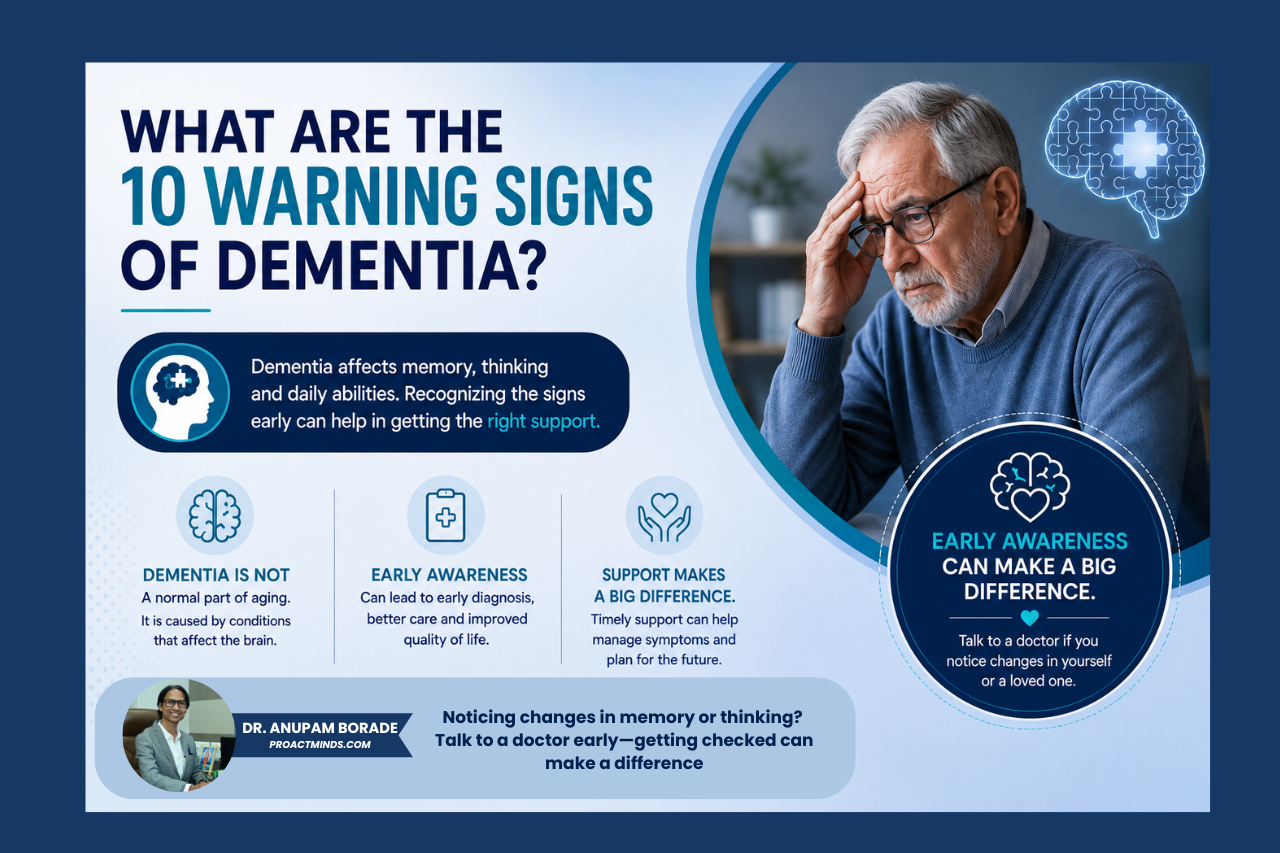
Dementia is more than ordinary forgetfulness. It refers to a group of symptoms that can affect memory, thinking, communication, behaviour and everyday activities. Recognising the early signs of dementia can help families seek an appropriate assessment instead of simply assuming that changes are a normal part of ageing.
1. Memory Loss That Affects Daily Life
Everyone forgets things occasionally. A potential warning sign is when memory problems become frequent enough to interfere with everyday life.
Someone may repeatedly ask the same questions, forget recently learned information, or increasingly rely on notes and reminders for things they previously managed independently.
2. Difficulty Planning or Solving Problems
Tasks that once felt routine may suddenly become difficult. A person might struggle to follow a familiar recipe, manage household finances, or keep track of monthly bills.
The occasional mistake is normal, but persistent difficulty planning, organising or solving everyday problems may be worth discussing with a healthcare professional.
3. Difficulty Completing Familiar Tasks
Another warning sign is struggling with activities that were previously familiar.
Someone may have difficulty using a household appliance, following a familiar route, or completing a task they have performed regularly for years. The concern is not simply forgetting one step occasionally, but experiencing a noticeable change in ability.
4. Confusion With Time or Place
People experiencing cognitive changes may lose track of dates, seasons, or how much time has passed.
They may also become confused about where they are or how they arrived somewhere familiar. Occasionally forgetting the day of the week is common, but persistent confusion about time or location can require further assessment.
5. Difficulty Understanding Visual Information or Space
Changes in spatial awareness can affect everyday activities. Someone may have trouble judging distances, navigating familiar places, or understanding where objects are in relation to one another.
This can sometimes make activities such as driving, walking around unfamiliar spaces, or handling objects more challenging.
6. Problems With Speaking or Writing
Finding the right word occasionally happens to everyone. However, persistent difficulty following or joining conversations can be one of the early signs of dementia.
A person may struggle to find familiar words, repeat themselves frequently, lose track of a conversation, or have increasing difficulty expressing their thoughts clearly.
7. Misplacing Things and Being Unable to Retrace Steps
Losing your phone under a cushion and eventually finding it is perfectly normal.
A more concerning pattern may involve putting objects in unusual places and being unable to remember where they were placed or retrace the steps that led there. Sometimes, a person may even accuse others of taking their belongings because they cannot recall what happened.
8. Reduced Judgment or Decision-Making
Changes in judgment can sometimes appear gradually. Someone may make decisions that are noticeably out of character, become unusually careless with money, or have difficulty evaluating everyday risks. A single poor decision is not necessarily concerning, but a persistent change can be worth discussing with a professional.
9. Withdrawal From Work or Social Activities
When everyday tasks become harder, a person may begin avoiding activities they previously enjoyed.
They might stop attending social gatherings, lose interest in hobbies, or withdraw from work and family activities. This may happen because they feel confused, embarrassed or overwhelmed by changes they are experiencing.
10. Changes in Mood, Personality or Behaviour
Dementia can sometimes affect more than memory and thinking. Noticeable changes in mood, personality or behaviour may also occur.
Someone who was previously calm may become unusually anxious, suspicious, irritable or withdrawn. A sudden or persistent change in personality deserves attention, particularly when it appears alongside other cognitive changes.
What Is the Difference Between Dementia and Normal Forgetfulness?
Not every forgotten name or misplaced object points towards dementia. Memory naturally changes with age, and occasional forgetfulness is part of everyday life.
The key difference is often how frequently the problem happens, whether it affects independence, and whether the changes are gradually becoming more noticeable.
Examples of Normal Age-Related Forgetfulness
It is normal to occasionally forget an appointment, misplace your glasses, or struggle to remember someone’s name immediately.
You may remember the information later or find it with a little prompting. These occasional lapses generally do not interfere significantly with your ability to manage everyday life.
Changes That May Need Further Assessment
More concerning changes tend to be persistent and increasingly disruptive.
For example, repeatedly forgetting important information, becoming lost in familiar surroundings, struggling with familiar activities, or experiencing major changes in behaviour may warrant a professional assessment.
Having one of these symptoms does not automatically mean someone has dementia. Several medical, emotional and neurological conditions can cause similar changes.
Why Context and Progression Matter
A symptom becomes more meaningful when you look at the bigger picture.
Healthcare professionals consider when the changes began, how quickly they are progressing, and how they affect everyday functioning. They may also look at medications, sleep, mood, medical conditions and other factors that can influence memory and thinking.
This is why self-diagnosing based on a list of symptoms can be misleading.
When Should You Seek Help for Possible Dementia Symptoms?
If memory, thinking, communication, or behaviour has changed noticeably and the changes are affecting everyday life, it is worth speaking with a mental health professional.
An assessment can help determine what may be causing the symptoms. Dementia is only one possible explanation, and some causes of memory or thinking difficulties may be treatable.
It can also be helpful to involve a trusted family member or caregiver who has noticed the changes. They may be able to provide useful information about when the symptoms started and how they have progressed.
Frequently Asked Questions
The commonly recognised warning signs include memory loss affecting daily life, difficulty planning or solving problems, trouble completing familiar tasks, confusion about time or place, difficulty understanding visual information, problems with speaking or writing, misplacing things, reduced judgment, withdrawal from activities and changes in mood or personality.
The early signs of dementia can include noticeable changes in memory, problem-solving, communication, judgment and the ability to complete familiar activities. These symptoms can vary between people and do not automatically mean someone has dementia.
No. Occasional forgetfulness is common, particularly as people get older. Concern increases when memory problems become frequent, progressively worse, or begin interfering with everyday activities and independence.
Dementia is more common in older adults, but some forms can occur at younger ages. The age at which symptoms begin varies depending on the type of dementia and individual factors.
Someone should consider seeking professional help when changes in memory, thinking, behaviour or communication become persistent or start interfering with everyday life. An assessment can help identify the cause rather than assuming the symptoms are simply part of ageing.