Sometimes, a delayed text can feel much bigger than it really is.
You check your phone once. Then again. Then you start wondering if something is wrong, if they are losing interest, or if you somehow said the wrong thing. A few minutes later, your mind has already created an entire story around one unanswered message.
This kind of worry can happen in any relationship. But when the fear of losing someone becomes a constant background noise, it may be connected to attachment anxiety.
Attachment anxiety can influence how you think about relationships, respond to uncertainty, and seek reassurance from people you care about. The good news is that recognising these patterns can be the first step towards changing them.
What Is Attachment Anxiety?
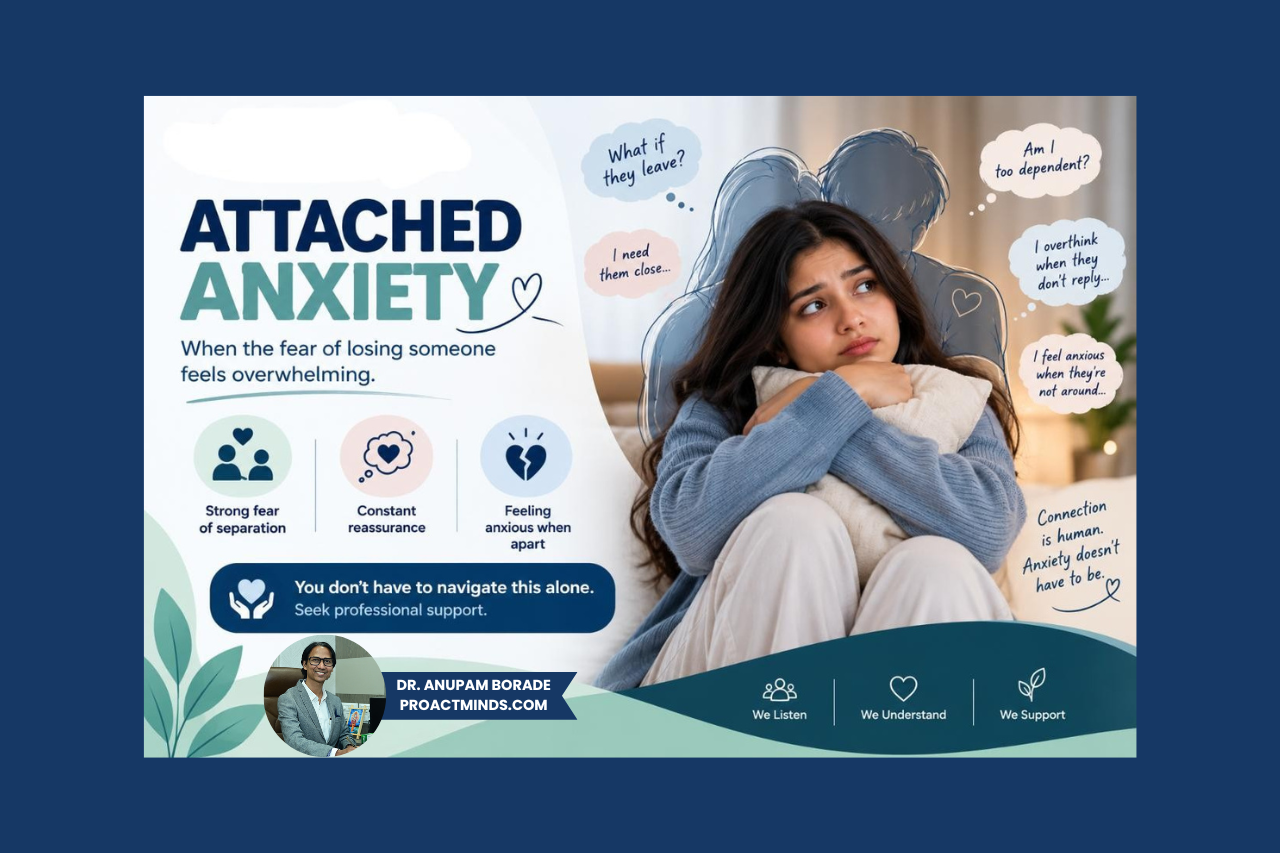
Attachment anxiety refers to a pattern of worrying about whether important people will stay emotionally close, care about you, or continue to value the relationship. It is often associated with an anxious attachment style, where someone may strongly want emotional closeness while also fearing rejection, abandonment, or losing that connection.
It can affect your thoughts, feelings and relationship behaviours. You may need frequent reassurance, overanalyse conversations or feel unsettled whenever someone seems distant.
Feeling worried about a relationship sometimes is completely normal. Everyone experiences insecurity, especially during disagreements or uncertain situations. Attachment anxiety becomes more concerning when these worries happen frequently, feel difficult to control or begin affecting the way you behave and connect with others.
Attachment styles describe common patterns in how people experience closeness and emotional connection. They are not permanent labels. With self-awareness and support, people can develop healthier and more secure ways of relating.
What Does Attachment Anxiety Feel Like?
Attachment anxiety can be surprisingly quiet at first. It may look like caring deeply about someone, but underneath that care can be a persistent fear that the relationship could disappear.
Fear of Abandonment
A small change in someone’s behaviour can sometimes trigger a much bigger fear of being left.
You might worry when your partner needs some space, takes longer to reply or seems quieter than usual. Even without a clear sign that the relationship is ending, your mind may quickly jump towards that possibility.
Constant Need for Reassurance
You may find yourself asking questions such as, “Are we okay?” or “Do you still love me?”
Reassurance can feel comforting for a while. But if the worry quickly returns, you may find yourself asking again. This can create a cycle where reassurance provides temporary relief without addressing the insecurity underneath.
Worry About Rejection or Losing Someone
Attachment anxiety can make rejection feel particularly threatening.
A disagreement may feel like more than just a disagreement. A change in someone’s tone may feel like a warning sign. You may become highly alert to anything that could suggest someone is pulling away, even when there may be other explanations.
Overthinking Relationships
One conversation can turn into hours of mental replay.
You may analyse what someone meant, why they used a particular word or why they took longer than usual to respond. The more you think about it, the more possibilities your mind creates, making it even harder to feel certain about what is actually happening.
Difficulty Feeling Secure in a Relationship
Even when things are going well, you may struggle to relax into the relationship.
You know the person cares about you, but a small part of your mind keeps asking, “What if that changes?” This can make it difficult to enjoy the relationship without constantly preparing yourself for something to go wrong.
Common Signs of Attachment Anxiety
Attachment anxiety does not look exactly the same for everyone. Some people experience it mostly through their thoughts, while others notice it through their behaviour.
Common signs can include frequent worries about being abandoned, overthinking texts and conversations, seeking repeated reassurance, and feeling anxious when someone does not respond quickly.
You may also become highly sensitive to changes in someone’s tone, attention or behaviour. Checking messages, social media activity or other small details for clues can become another way of trying to reduce uncertainty.
Over time, these patterns can become exhausting. They may affect your concentration, mood, sleep and ability to enjoy relationships without constantly analysing them.
What Causes Attachment Anxiety?
There is no single experience that causes attachment anxiety. Attachment patterns can develop through a combination of early experiences, relationships, personal beliefs and stressful situations.
Early Childhood and Caregiving Experiences
Early relationships can influence how a person learns to understand closeness, trust and emotional security.
If care or emotional availability felt unpredictable while growing up, a person may become more alert to signs that someone could leave or stop caring. However, childhood experiences do not determine someone’s attachment style for life.
Previous Relationship Experiences
Relationships can leave emotional impressions long after they end.
Experiencing betrayal, sudden breakups, repeated rejection or an emotionally inconsistent relationship may make it harder to feel secure in future connections. You may start expecting similar experiences to happen again, even when the current relationship is different.
Fear of Rejection or Abandonment
Sometimes, the fear itself becomes part of the pattern.
If being rejected or left feels especially painful, you may constantly look for signs that it could happen. This heightened attention can make ordinary relationship changes feel much more significant than they actually are.
Low Self-Confidence and Emotional Insecurity
How you see yourself can influence how secure you feel with others.
If you frequently question your own worth or wonder why someone would choose to stay with you, reassurance from others may start feeling essential. Building a stronger sense of self can help reduce the need to constantly seek external validation.
Stressful or Difficult Life Experiences
Major life changes, ongoing stress, loss or other difficult experiences can influence emotional security.During stressful periods, existing relationship worries may feel stronger than usual. This does not mean that stress is always the cause of attachment anxiety, but it can make anxious thoughts and emotional reactions harder to manage.
Attachment Anxiety in Relationships
Attachment anxiety can affect relationships in ways that are not always obvious. The person experiencing it may simply be trying to feel safe, while the other person may experience some behaviours as pressure or mistrust.
Understanding what is happening underneath these behaviours can make communication easier.
How It Can Affect Romantic Relationships
Attachment anxiety can make romantic relationships feel emotionally intense.
You may want closeness very strongly while simultaneously worrying that the relationship could end. This can lead to frequent checking, reassurance-seeking, overthinking or difficulty giving your partner space.
The relationship can then become centred around managing anxiety instead of simply enjoying the connection.
Attachment Anxiety and Communication
When you are anxious, it can be tempting to expect your partner to understand what you are feeling without having to explain it.
Instead, try putting the feeling into words. Saying, “I felt a little insecure when we didn’t talk today” can open a conversation more effectively than becoming distant, repeatedly checking in, or assuming the worst.
Clear communication gives both people an opportunity to understand what is actually happening.
Reassurance-Seeking and Relationship Conflict
Reassurance can be helpful, but constantly needing it can become tiring for everyone involved.
Repeated questions, checking behaviours or seeking proof of someone’s feelings may temporarily reduce anxiety. However, when the worry returns again and again, these behaviours can create frustration and conflict within the relationship.
Learning to pause before seeking reassurance can help you understand what you are actually feeling first.
Building Healthier Relationship Boundaries
Healthy relationships need both connection and individual space.
Having boundaries does not mean caring less. It means understanding what you need, respecting the other person’s needs and recognising that you are not responsible for managing every emotion your partner experiences.
Healthy boundaries can create more room for trust, independence and genuine connection.
How to Deal With Attachment Anxiety
Learning how to deal with attachment anxiety is not about forcing yourself to stop caring. It is about understanding why certain situations trigger you and finding healthier ways to respond.
Identify Your Emotional Triggers
Start noticing what tends to activate your anxiety.
Is it delayed replies? Changes in tone? Plans being cancelled? Feeling left out? Writing these triggers down can help you notice patterns instead of simply reacting to them in the moment.
Notice Anxious Thought Patterns
An anxious thought can feel like a fact when you are experiencing it.
Try asking yourself, “What do I actually know right now?” and “Am I assuming something that I cannot confirm?” This small pause can create some distance between what happened and the story your mind created around it.
Practise Healthy Communication
Instead of expecting someone to guess what you need, communicate it clearly.
Talk about your feelings without blaming the other person. Using statements such as “I feel anxious when…” can make difficult conversations more open and productive.
Build Emotional Independence
A relationship can be an important part of your life without becoming your entire emotional world.
Make space for friendships, hobbies, personal goals, and activities that make you feel like yourself. The stronger your connection with your own life, the less pressure one relationship has to carry.
Develop Healthy Boundaries
Boundaries can help you understand what is comfortable, respectful and realistic in a relationship.
They can also help you recognise the difference between asking for reasonable reassurance and repeatedly seeking certainty that no relationship can guarantee.
Learn Ways to Manage Stress and Strong Emotions
Strong emotions can make anxious thoughts feel even louder.
Simple practices such as slow breathing, journaling, physical activity, taking a short break from your phone or spending time on an absorbing activity can help you settle before responding to a situation.
The goal is not to ignore the emotion. It is to give yourself enough space to respond instead of reacting immediately.
How to Overcome Attachment Anxiety
Learning how to overcome attachment anxiety takes time. It is less about becoming completely free of insecurity and more about developing a different relationship with those feelings.
Understanding Your Attachment Patterns
Pay attention to what repeatedly happens in your relationships.
You might notice that certain situations trigger the same fears again and again. Understanding these patterns can help you recognise that your reaction may be connected to an old fear rather than only what is happening in the present.
Developing More Secure Relationship Behaviours
Feeling anxious does not mean you have to act on every anxious thought.
You can practise waiting before sending another message, communicate directly instead of making assumptions, and allow yourself to tolerate small amounts of uncertainty. Over time, these small changes can support healthier relationship habits.
Building Self-Awareness
Self-awareness gives you a chance to catch the pattern earlier.Instead of thinking, “They haven’t replied, so they must be upset with me,” you might notice, “I am feeling anxious because they haven’t replied, and my mind is assuming the worst.”
That difference may seem small, but it gives you more choice in how you respond.
When Professional Counselling Can Help
Sometimes, attachment anxiety is deeply connected to experiences that are difficult to work through alone.
A mental health professional can help you explore relationship patterns, emotional triggers, and beliefs about yourself and others. Therapy or counselling can also provide practical strategies for managing anxiety and developing healthier ways of connecting.
When Should You Seek Professional Help?
Everyone experiences relationship insecurity at times. But if anxiety starts taking over your thoughts or affecting your everyday life, it may be worth seeking professional support.
Consider speaking with a mental health professional if:
* Your anxiety feels difficult to control
* Relationship conflicts are happening frequently
* You constantly need reassurance to feel okay
* Worry is affecting your work, sleep or daily activities
* You find yourself checking messages or social media repeatedly
* Self-help strategies are not making things easier
* Relationship anxiety is causing significant emotional distress
H2: Frequently Asked Questions
1. What is attachment anxiety?
Attachment anxiety is a pattern of worrying about being rejected, abandoned or losing emotional closeness with someone important. It can involve overthinking relationships, seeking frequent reassurance, and feeling insecure even when there is no clear reason to worry.
2. What are the common signs of attachment anxiety?
Common signs include fear of abandonment, overthinking conversations, frequently seeking reassurance, worrying about rejection, checking messages repeatedly, and finding it difficult to feel secure in a relationship.
3. How can I deal with attachment anxiety in a relationship?
You can learn how to deal with attachment anxiety by identifying your triggers, challenging anxious assumptions, communicating openly, developing healthy boundaries and building a life outside the relationship. If the anxiety feels overwhelming, professional support can also help.
4. How can I overcome attachment anxiety?
Learning how to overcome attachment anxiety involves understanding your relationship patterns, becoming more aware of anxious thoughts, and practising healthier responses. Therapy or counselling can also help you work through deeper emotional patterns when needed.
5. Is attachment anxiety the same as separation anxiety?
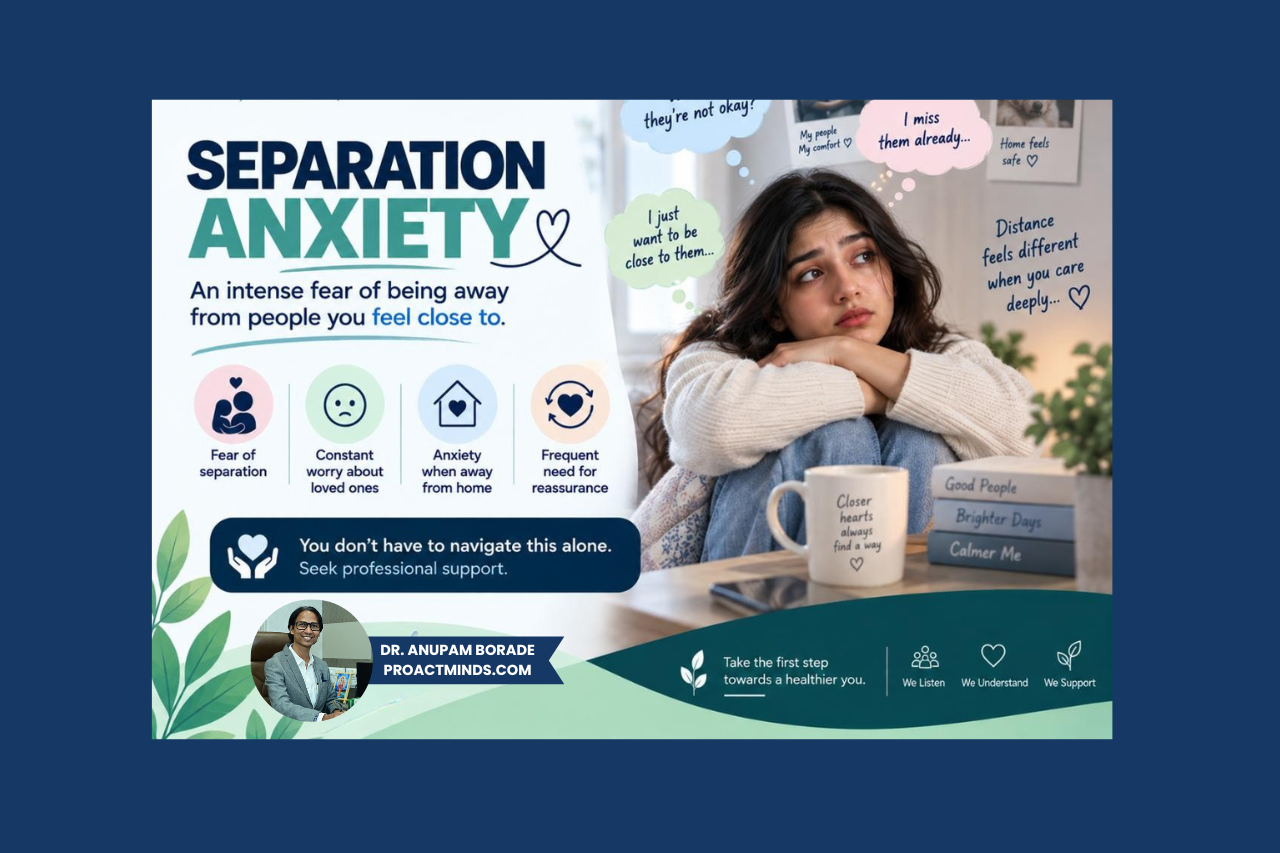
No. Attachment anxiety and separation anxiety can overlap, but they are not the same thing. Attachment anxiety generally refers to fears and insecurity around emotional relationships and closeness, while separation anxiety involves significant distress related to separation from an attachment figure or home.