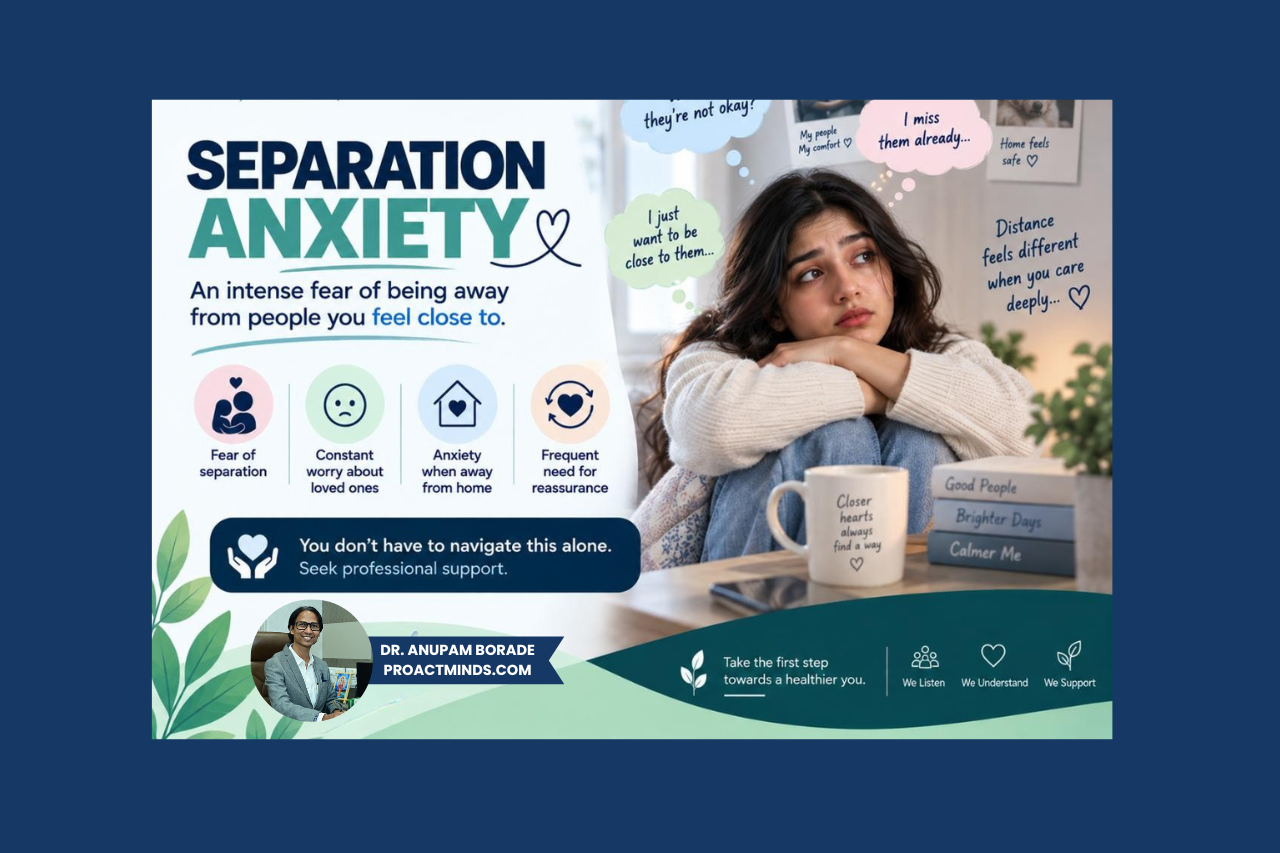
Sometimes, being apart from someone you love can feel uncomfortable. You miss them, check your phone, or look forward to seeing them again. That is a normal part of caring about someone.
But when being separated brings intense fear, constant worry or physical distress, it can become more than ordinary missing someone. This is where separation anxiety can become a concern.
Separation anxiety can affect children as well as adults. It may influence relationships, work, school, sleep and everyday routines. Understanding the signs can make it easier to recognise when some extra support may be needed.
What Is Separation Anxiety Disorder?
So, what is separation anxiety? It refers to intense or excessive fear and distress related to being separated from someone a person is strongly attached to.
Some separation-related worry is normal, particularly in young children. Separation anxiety disorder, however, involves anxiety that is excessive for a person’s age or situation and causes significant distress or disruption in everyday life.
The anxiety may centre around thoughts that something bad will happen to the person they are attached to, that the relationship could be lost, or that being apart will be unbearable.
Separation Anxiety Disorder Symptoms
The separation anxiety disorder symptoms can appear differently depending on the person and their age. They may involve emotions, behaviour, physical sensations and sleep.
Emotional Symptoms
A person may experience intense worry, fear, sadness or distress when separation is expected or actually happens.
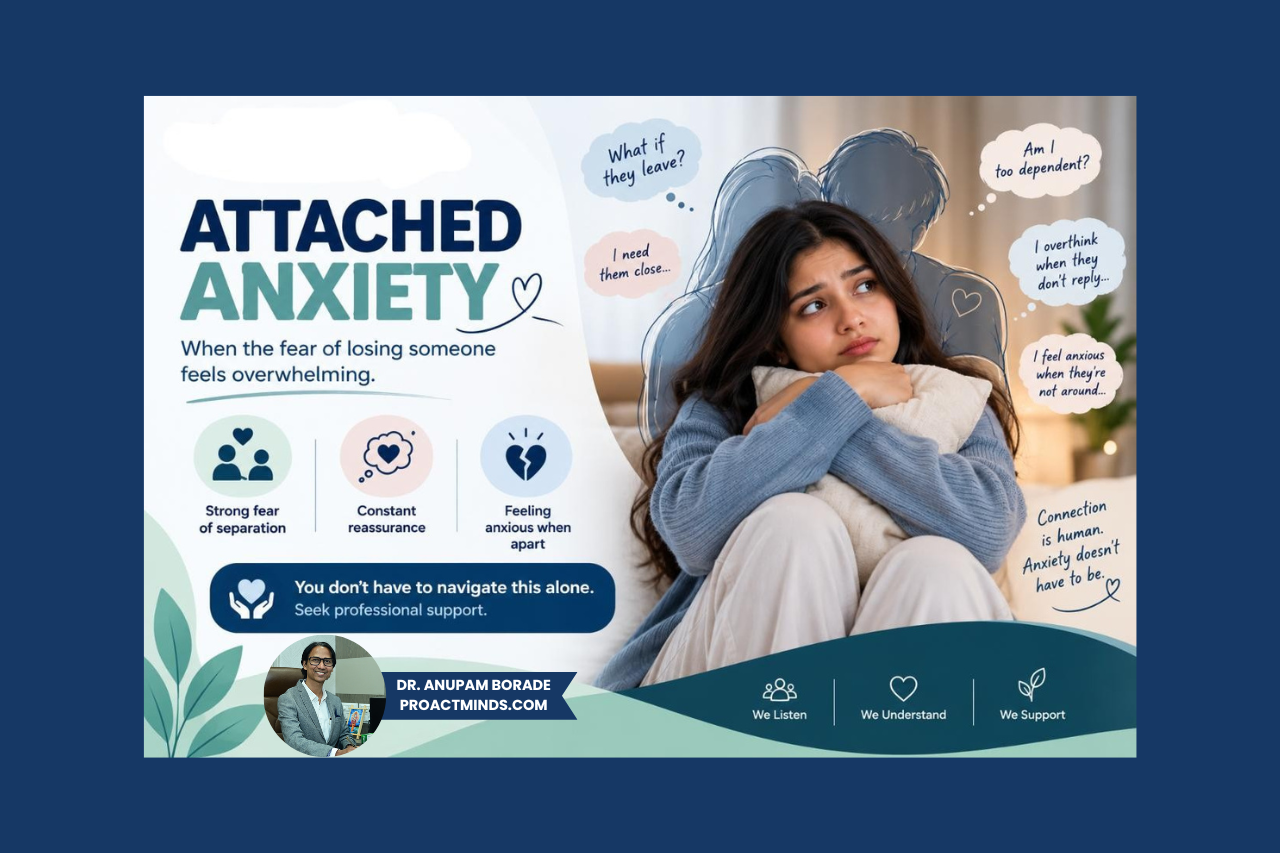
They may constantly think about when they will see the person again or feel unusually unsettled when they are not nearby.
Behavioural Symptoms
Separation anxiety may lead to avoiding situations that involve being apart.
Someone may repeatedly call or message a loved one, refuse to leave home, avoid travelling alone, or struggle with situations where they cannot stay close to the person they depend on emotionally.
Physical Symptoms
Anxiety does not stay only in the mind.
Headaches, stomach discomfort, nausea, sweating, trembling or a racing heartbeat can sometimes appear when separation is expected or happens.
Sleep-Related Difficulties
Night-time can make separation worries feel even louder.
Some people may struggle to fall asleep without a loved one nearby, wake frequently or experience nightmares involving separation, loss or something bad happening to someone close.
Worries About Harm, Loss or Separation
A person may repeatedly imagine something happening to a loved one.
They may worry about accidents, illness, getting lost or permanent separation. Even when there is no immediate reason for concern, these thoughts can feel difficult to switch off.
Separation Anxiety Disorder in Adults
Separation anxiety is not only something children experience. Separation anxiety disorder in adults can affect romantic relationships, family life, work and personal independence.
For an adult, the anxiety may be less obvious than a child’s fear of going to school. It can instead appear as constant checking, difficulty being alone or an intense fear of losing someone important.
What Separation Anxiety Can Look Like in Adults
Adults may feel unusually distressed when separated from a partner, child, parent or another person they are strongly attached to.
They may find travelling alone difficult, avoid spending nights away from home or experience persistent thoughts about something going wrong while they are apart.
Separation Anxiety in Romantic Relationships
In romantic relationships, separation anxiety may look like constantly needing to know where your partner is or feeling distressed when they are unavailable.
A person may worry that distance means the relationship is changing, even when there is no clear sign of a problem. This can sometimes create tension between partners.
Separation Anxiety at Work and in Daily Life
Work and everyday responsibilities can become difficult when being away from someone triggers intense anxiety.
Someone may avoid travelling for work, struggle to concentrate after leaving a loved one or repeatedly contact them during the day just to make sure everything is okay.
Fear of Losing a Partner, Child or Loved One
One of the strongest fears can be losing someone permanently.
The person may constantly imagine accidents, illness or other situations that could take their loved one away. These thoughts can become exhausting, especially when they start interfering with ordinary activities.
Excessive Checking or Reassurance-Seeking
Repeatedly calling, texting, checking locations or asking, “Are you okay?” may provide short-term relief.
But the anxiety can quickly return, leading to the same behaviour again. Over time, this cycle can affect both the person’s peace of mind and their relationships.
Separation Anxiety in Children
Separation anxiety is particularly common during childhood, especially when children are developing independence.
Some worry about being away from parents or caregivers is expected. The concern becomes more significant when it is unusually intense, continues beyond what is expected for the child’s developmental stage, or interferes with daily life.
Common Signs in Children
A child may cry intensely when a parent leaves, repeatedly ask when they will return or become distressed when separation is mentioned.
They may also refuse to stay with other trusted adults or become extremely worried about something happening to their parents.
School and Daily Routine Difficulties
School mornings can become a daily battle when separation anxiety is strong.
A child may refuse to attend school, complain of feeling unwell before leaving home or repeatedly ask a parent to stay. Similar difficulties can happen with activities, outings or staying with relatives.
Sleep and Bedtime Concerns
Some children find bedtime particularly difficult because it means being physically separated from their parents.
They may refuse to sleep alone, repeatedly leave their room or ask a parent to stay until they fall asleep.
Supporting a Child With Separation Anxiety
Children often need reassurance, but they also benefit from predictable routines and gradual opportunities to practise being apart.
Parents and caregivers can acknowledge the child’s feelings without reinforcing every fear. If anxiety is persistent or significantly affecting school, sleep or daily activities, professional guidance can be useful.
What Causes Separation Anxiety?
There is no single cause of separation anxiety. It can develop through a combination of genetics, life experiences, relationships, and environmental factors.
Family and Genetic Factors
Anxiety can sometimes run in families.
A family history of anxiety-related difficulties may increase vulnerability, although having an anxious family member does not mean someone will automatically develop separation anxiety.
Stressful Life Changes
Big changes can shake a person’s sense of security.
Moving homes, changing schools, parents separating, starting a new job or other major transitions may trigger separation worries, particularly when several changes happen close together.
Loss or Separation From a Loved One
Experiencing a significant loss or unexpected separation can make future separation feel more frightening.
A person may become more alert to the possibility of losing someone else after going through a painful experience.
Previous Anxiety or Mental Health Difficulties
People who have experienced anxiety or other emotional difficulties may be more vulnerable to developing intense separation-related fears.
However, previous anxiety does not automatically mean separation anxiety will develop.
Childhood Experiences
Early experiences can influence how people understand safety, closeness and separation.
Frequent disruptions, difficult family circumstances, or significant changes during childhood may play a role for some people. There is no single childhood experience that explains separation anxiety in everyone.
Risk Factors for Separation Anxiety Disorder
Certain factors may increase the likelihood of developing separation anxiety disorder, including:
A family history of anxiety
Major changes or stressful events
Loss or serious illness involving someone close
Previous anxiety difficulties
Environmental and developmental factors
Having one or more of these factors does not mean that someone will develop the disorder. They are simply possible influences that can increase vulnerability.
How Is Separation Anxiety Disorder Diagnosed?
There is no simple online test that can confirm separation anxiety disorder. A qualified mental health professional looks at the overall pattern, severity, and impact of the symptoms.
What a Mental Health Professional May Ask
A professional may ask when the anxiety started, what situations trigger it, and what happens when separation occurs.
They may also ask about relationships, family experiences, daily routines, sleep, and other emotional or physical symptoms.
How Symptoms and Daily Impact Are Considered
Diagnosis is not based on one anxious thought or one difficult day.
The professional considers how persistent and intense the symptoms are and whether they interfere with school, work, relationships, sleep, or everyday activities.
Why Self-Diagnosis Is Not Enough
Reading about symptoms online can help you understand what you are experiencing, but it cannot replace a proper assessment.
Several anxiety-related conditions can have overlapping symptoms. A professional can look at the bigger picture before identifying what kind of support may be appropriate.
How to Manage Separation Anxiety
Managing separation anxiety often starts with understanding the fear rather than immediately trying to push it away.
Understanding Your Anxiety Triggers
Notice when your anxiety tends to appear.
Is it when someone leaves for work? When they do not answer their phone? Before travelling? Identifying these patterns can help you understand what your mind is reacting to.
Building Healthy Routines
Predictable routines can make separation feel less overwhelming.
Regular sleep, meals, exercise, and planned activities can provide structure during periods when anxiety feels stronger.
Gradually Developing Independence
Independence does not have to happen overnight.
Start with manageable periods of being apart and gradually increase them as your confidence grows. Small experiences of coping on your own can make separation feel less threatening over time.
Healthy Communication With Loved Ones
Let your loved ones know what you are experiencing without making them responsible for eliminating every anxious thought.
Open conversations can help you ask for reasonable support while also working towards greater emotional independence.
Stress Management and Coping Skills
When anxiety rises, simple grounding techniques, slow breathing, physical activity, journaling, or stepping away from repeated phone checking can help.
The aim is not to make every anxious thought disappear. It is to give yourself a moment to respond calmly instead of reacting immediately.
When Should You Seek Professional Help?
Occasional worry about being apart from someone is normal. Professional support may be worth considering when separation anxiety becomes persistent, intense, or difficult to manage.
It may be helpful to seek support if:
Anxiety regularly feels overwhelming
You avoid school, work, travel or normal activities because of separation
Relationship difficulties are becoming frequent
Sleep is regularly disrupted
You constantly check on loved ones for reassurance
Anxiety is interfering with everyday functioning
A mental health professional can help you understand the patterns behind the anxiety and develop practical ways to manage it. Getting help does not mean your feelings are unreasonable. It simply gives you another place to work through them.
FAQs
1. What are the symptoms of separation anxiety disorder?
Common separation anxiety disorder symptoms include intense worry about being apart from someone important, fear that something bad may happen to them, difficulty sleeping alone, avoiding separation, and physical symptoms such as headaches or stomach discomfort.
2. Can adults have separation anxiety disorder?
Yes. Separation anxiety disorder in adults can involve intense distress when away from a partner, child, parent or another important person. It may affect relationships, work, travel, sleep and everyday activities.
3. What causes separation anxiety disorder in adults?
There is no single cause. Family history, stressful life changes, previous losses, anxiety, and childhood experiences may all contribute. Different factors can interact differently for different people.
4. When should separation anxiety be treated as a concern?
Separation anxiety may need attention when it is persistent, unusually intense or begins interfering with relationships, work, school, sleep or normal daily activities. A qualified mental health professional can help assess the situation.
5. What is separation anxiety in simple terms?
Separation anxiety is intense worry or distress about being away from someone you feel strongly attached to. Some separation worry is normal, but it may become a concern when the fear is excessive and starts interfering with everyday life.