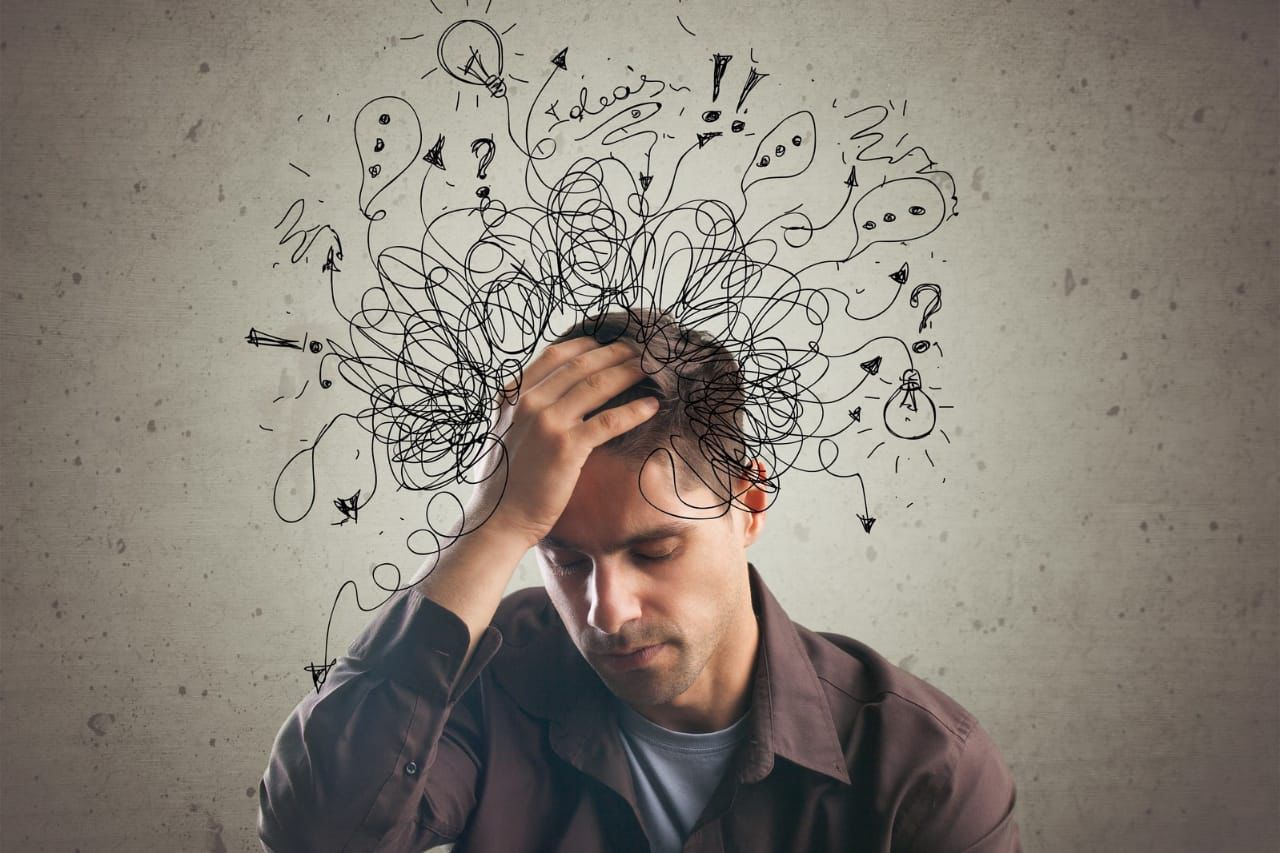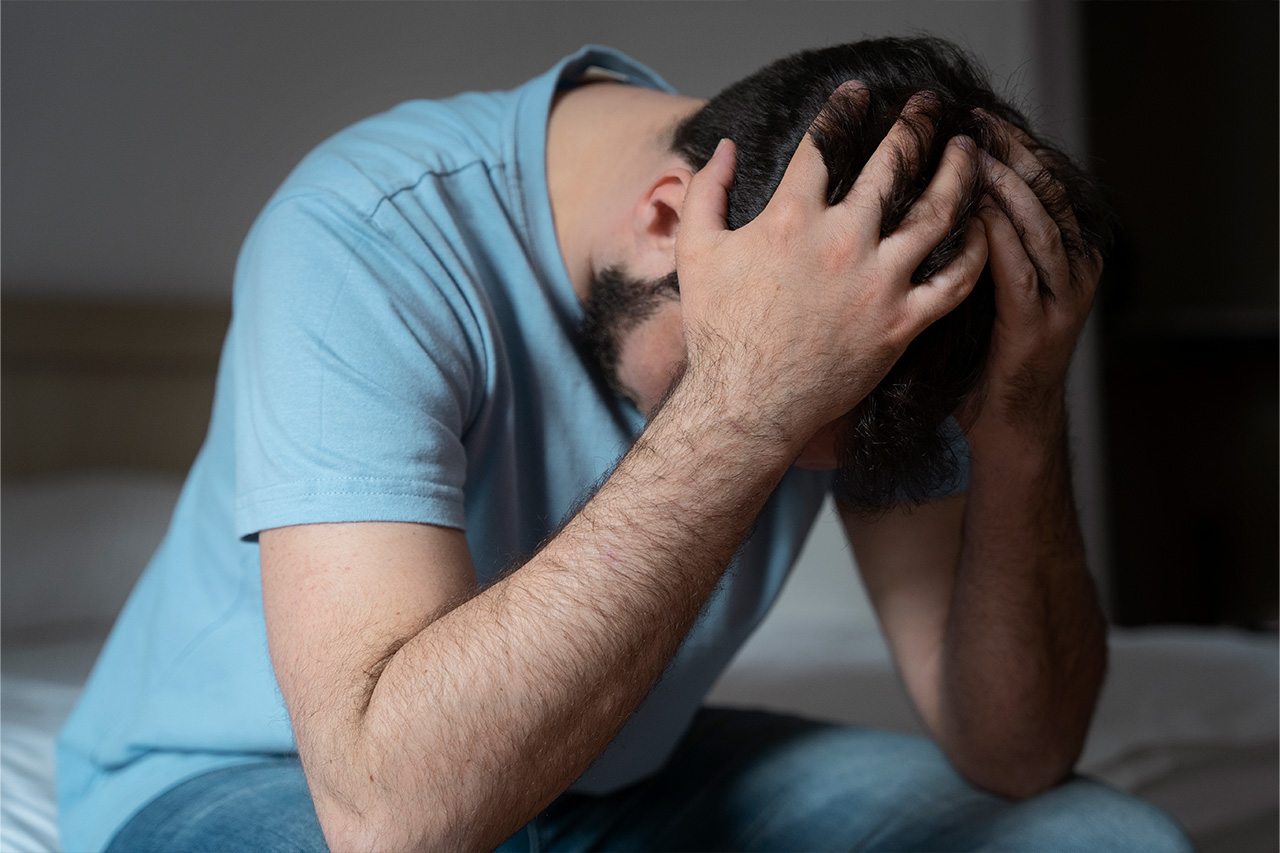
A headache appears. You notice your heart beating a little faster. Maybe there is a strange sensation in your stomach that you cannot quite explain. For most people, the thought is simple: “That’s odd. I’ll keep an eye on it.”
With health anxiety, the thought can quickly become, “What if something is seriously wrong?”
One search leads to another, reassurance never feels quite enough, and suddenly a small physical sensation has taken over your entire evening. Health anxiety can make ordinary bodily sensations feel frightening and make it difficult to trust that you are okay.
What Is Health Anxiety?
So, what is health anxiety? It is a pattern of excessive worry about having or developing a serious illness, even when there may be little or no medical evidence to support the fear.
Health anxiety does not mean that someone is imagining their physical sensations. The sensations can be completely real. The difficulty often lies in how those sensations are interpreted and how much attention and worry they receive.
Someone with health anxiety may constantly monitor their body, search for symptoms online, ask others for reassurance, or repeatedly worry that a normal sensation is a sign of something serious.
Health Anxiety Symptoms
The health anxiety symptoms can look different from person to person. Some happen in your thoughts, while others show up through checking, searching, or avoiding.
Constant Worry About Having an Illness
A small symptom can trigger a much bigger fear.
You may start worrying that a headache means something serious or that an unusual sensation is a sign of an illness. Even when there is no clear reason to panic, the possibility can stay in your mind for hours.
Overthinking Physical Sensations
Most bodies make strange noises and sensations every day.
With health anxiety, however, you may pay very close attention to these changes and repeatedly ask yourself what they could mean. The more you focus on a sensation, the harder it can become to ignore.
Repeatedly Checking the Body
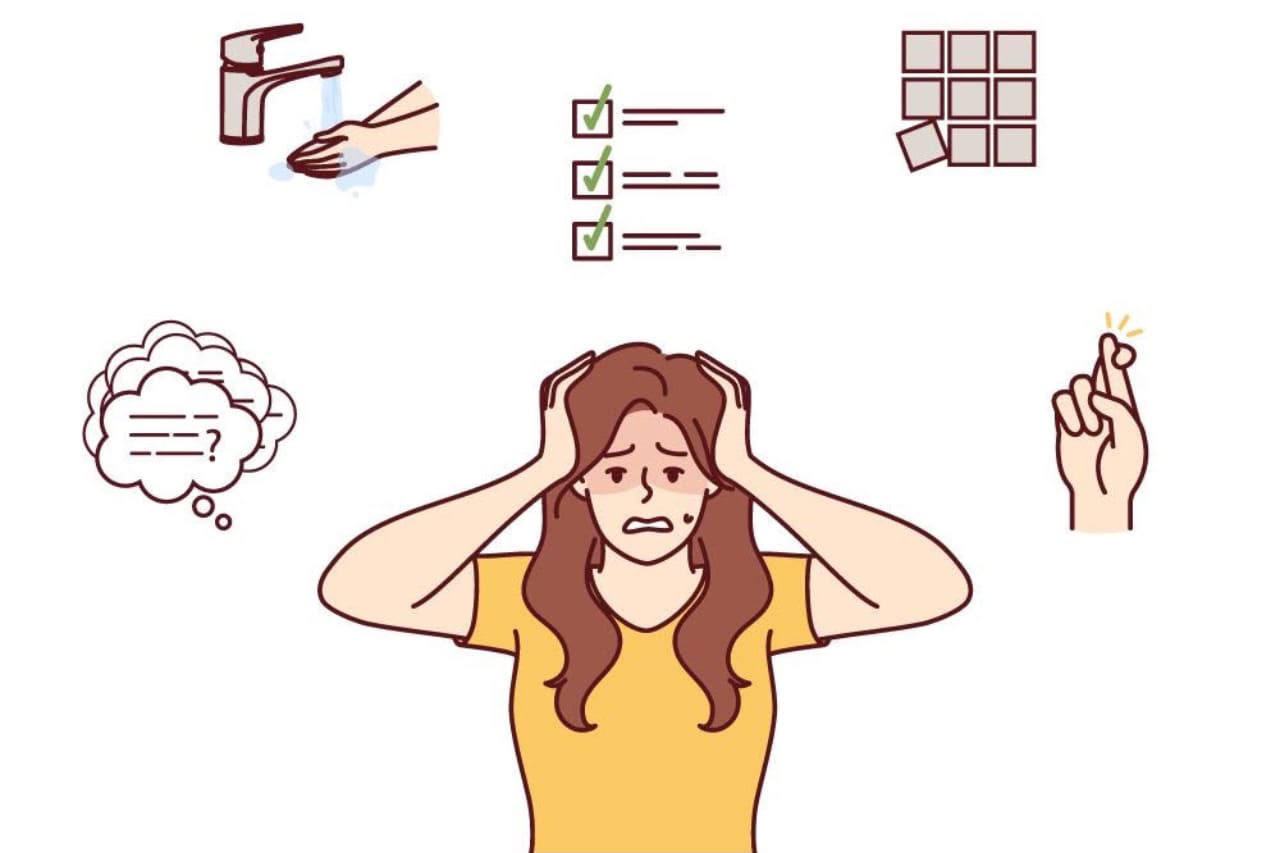
You might check your pulse, skin, breathing, stomach, eyes or other parts of your body for signs that something has changed.
The checking may feel like a way to stay safe. But repeated monitoring can make you notice even more sensations, which can then create more worry.
Searching for Symptoms Online
One of the easiest ways to feed health anxiety is also sitting right in your hand.
You notice a symptom, search it online, and find a long list of possible conditions. Even when the explanation is harmless, seeing serious possibilities can make the original worry much stronger.
Seeking Reassurance
You may ask friends, family members, or healthcare professionals, “Do you think I’m okay?”
Reassurance can feel calming for a moment. But if you need to ask again shortly afterwards, it can become part of a repeating anxiety cycle.
Avoiding Medical Information or Appointments
Health anxiety does not always mean constantly checking.
Some people respond in the opposite way. They avoid medical websites, health-related conversations, or appointments because they are afraid of what they might discover.
Difficulty Accepting Reassurance
Even after receiving reassurance, the worry may return with another “but what if?”
You may think, “What if they missed something?” or “What if this symptom means something different?” This makes it difficult to feel genuinely reassured.
How Health Anxiety Can Affect Daily Life
Health anxiety can take up more mental space than you realise. What starts as a quick concern can turn into hours of checking, searching and worrying.
Impact on Work or Studies
It can be difficult to focus on a meeting, assignment or lecture when your mind keeps returning to a health concern.
Repeated searches or checking can also interrupt your routine and make it harder to stay focused on what you actually need to do.
Impact on Sleep
Night-time can give anxious thoughts plenty of room to grow.
A physical sensation that felt manageable during the day may suddenly seem much more serious when you are lying in bed thinking about it. This can make falling asleep or staying asleep more difficult.
Impact on Relationships
Constantly talking about health fears or asking loved ones for reassurance can sometimes create tension.
Loved ones may want to help, but repeatedly needing confirmation that everything is okay can become emotionally tiring for everyone involved.
Constant Checking and Reassurance Cycles
Checking your body leads to worry. Worry leads to searching or asking someone for reassurance. Reassurance brings relief, but only temporarily.
Soon, another sensation appears, and the cycle begins again.
Avoiding Activities Because of Health Fears
Health worries can sometimes make ordinary activities feel risky.
You may avoid exercise, travel, social plans, or other activities because you are worried about how your body might react. Gradually, your world can become smaller around the fear.
What Causes Health Anxiety?
There is no single cause of health anxiety. It can develop through a combination of personal experiences, stress, anxiety, and the way someone responds to uncertainty.
Previous Health Scares
A frightening illness or health scare can make you more alert to bodily changes afterwards.
Even when the original situation has passed, you may become more watchful for signs that something similar could happen again.
Stress and Difficult Life Experiences
When life already feels overwhelming, health worries can become louder.
Periods of stress, major changes, or difficult experiences may make it harder to tolerate uncertainty and easier to focus on potential problems.
Fear of Uncertainty
One uncomfortable thing about health is that nobody can know everything about their body at every moment.
For someone experiencing health anxiety, not having a definite answer can feel unbearable. The mind may keep searching for certainty that simply cannot be guaranteed.
Anxiety and Other Mental Health Concerns
Health anxiety can occur alongside other anxiety-related difficulties.
When someone is already prone to worrying, they may become particularly focused on physical sensations or possible illnesses. This does not mean every health concern is caused by anxiety.
How Online Health Searches Can Reinforce Worry
The internet can be useful for general health information, but symptom searching can easily become a rabbit hole.
A search that starts with “Why does my head hurt?” can quickly lead to pages about serious illnesses. For someone already feeling anxious, this can strengthen fear rather than provide clarity.
Health Anxiety and Physical Symptoms
Anxiety itself can produce physical sensations. A racing heart, muscle tension, sweating, dizziness, or changes in breathing can happen during periods of anxiety.
The tricky part is that these sensations can then become another reason to worry.
A person experiencing health anxiety may notice a normal bodily change and interpret it as evidence of illness. That interpretation increases anxiety, which can create more physical sensations, making the original fear feel even more convincing.
At the same time, physical symptoms should not automatically be dismissed as anxiety. New, severe, persistent, or concerning symptoms deserve appropriate medical attention. Health anxiety and genuine medical conditions can also exist at the same time.
Health Anxiety vs Normal Health Worries
Everyone worries about their health sometimes. The difference often lies in how persistent the worry becomes and how much space it takes up in everyday life.
Occasional Concern About Health
It is normal to worry when you notice a new symptom, receive an unusual test result or hear about an illness that affects someone you know.
Usually, the concern settles after getting appropriate information or care.
Persistent Fear and Preoccupation
Health anxiety can feel very different.
The worry may keep returning even after reassurance. You may spend a significant amount of time thinking about illness, checking your body, or searching for symptoms.
When Worry Starts Affecting Daily Life
The concern becomes more significant when it begins interfering with normal activities.
If health fears are affecting sleep, work, relationships, travel, or your willingness to do everyday things, it may be time to look at the pattern more closely.
The Health Anxiety Cycle
Health anxiety often works like a loop. The first worry may seem small, but each response can unintentionally keep it going.
Worry
You notice a physical sensation and become concerned about what it could mean.
Your brain starts looking for an explanation, especially one that could confirm the fear.
Checking or Searching
You check your body, search the symptom online, or ask someone what they think.
It feels like you are gathering information, but the process can also keep your attention fixed on the worry.
Temporary Reassurance
You find an explanation that makes you feel better, or someone tells you that you are probably okay.
For a little while, the anxiety drops.
Worry Returning
Then you notice another sensation.
Suddenly, the previous reassurance does not feel quite as convincing, and the questions start again.
How the Cycle Can Continue
The repeated pattern can teach your brain that checking and reassurance are necessary every time you feel uncertain.
Breaking this cycle involves learning to respond differently to the worry instead of trying to achieve complete certainty every time.
How to Deal With Health Anxiety
Learning how to deal with health anxiety does not mean ignoring your body. It means finding a healthier balance between paying attention to your health and constantly monitoring it.
Recognise Health Anxiety Triggers
Notice what usually starts the worry.
It could be a physical sensation, hearing about someone else’s illness, reading something online or going through a stressful period. Knowing your triggers makes the pattern easier to recognise.
Notice Reassurance-Seeking Patterns
Pay attention to how often you ask others for reassurance, check your body or look for confirmation online.
You do not have to stop everything instantly. Simply noticing the behaviour is a useful first step.
Reduce Repeated Symptom Searching
If every unusual sensation sends you straight to a search engine, try creating a pause.
Give yourself some time before searching. Avoid repeatedly looking up the same symptom, especially when you notice that searching is making you more frightened rather than more informed.
Learn to Manage Uncertainty
One of the hardest parts of health anxiety is accepting that you cannot have complete certainty about your health every second of the day.
Learning to sit with some uncertainty can gradually reduce the urge to check, search or ask for reassurance.
Practise Healthy Stress-Management Techniques
Stress can make health worries feel much louder.
Regular sleep, physical activity, breathing exercises, journaling, spending time with people you trust and taking breaks from screens can help you manage overall stress levels.
Seek Support When Anxiety Becomes Difficult to Manage
If health worries are taking over your day, you do not have to figure them out alone.
A mental health professional can help you understand your thought patterns and develop practical ways to respond to health-related anxiety.
How to Overcome Health Anxiety
Knowing how to overcome health anxiety is less about never worrying about your health again and more about changing the way you respond when worry appears.
Understand Your Thought Patterns
Notice the conclusions your mind jumps to.
A thought such as “I have this symptom, so I must have a serious illness” may feel convincing, but it is still an interpretation rather than a confirmed fact.
H3: Develop Healthier Responses to Worry
Instead of immediately checking or searching, try pausing and asking what you actually know.
Give yourself time to notice the anxiety without automatically acting on it.
Work on Checking and Avoidance Behaviours
Both excessive checking and complete avoidance can keep health anxiety going.
The goal is to find a balanced approach to health information and medical care without letting fear dictate every decision.
Build Sustainable Coping Skills
Choose coping strategies you can actually maintain.
Journaling, mindfulness, exercise, hobbies, social connection, and healthy routines can give your mind other places to focus when health worries appear.
Consider Professional Counselling Support
If health anxiety keeps returning despite your efforts, counselling can provide a safe space to understand what is happening underneath the worry.
A mental health professional can help you work on anxious thought patterns, checking behaviours, and the need for constant reassurance.
When Should You Seek Professional Help?
Consider seeking professional support when health anxiety becomes persistent or starts interfering with your everyday life.
It may be useful to reach out if:
Health worries are difficult to control
Anxiety is affecting work, studies, or relationships
You repeatedly seek reassurance
You are avoiding normal activities because of health fears
You spend a lot of time checking your body or searching for symptoms
Health-related thoughts are affecting your sleep
You are struggling to manage the anxiety on your own
A qualified mental health professional can help you understand the cycle behind the anxiety and develop healthier ways of responding to it.
At the same time, mental health support should not replace appropriate medical care. If you have a physical symptom that concerns you, speak with a qualified healthcare professional rather than assuming it is caused by anxiety.
H2: FAQs
1. What is health anxiety?
Health anxiety is excessive worry about having or developing an illness. A person may become highly focused on physical sensations, repeatedly check their body, search for symptoms online, or seek reassurance about their health.
2. What are the most common health anxiety symptoms?
Common health anxiety symptoms include persistent fear of illness, overthinking physical sensations, repeatedly checking the body, searching for symptoms online, seeking reassurance, and difficulty accepting reassurance once it is given.
3. How can I deal with health anxiety?
Learning how to deal with health anxiety can involve recognising triggers, reducing repeated symptom searches and checking, learning to tolerate uncertainty, and practising healthy ways of managing stress. Professional support can also be helpful when anxiety becomes difficult to manage.
4. How can I overcome health anxiety?
Learning how to overcome health anxiety involves understanding anxious thought patterns and changing the behaviours that keep the worry going. Building healthier coping skills and working with a mental health professional can also help.
5. Can health anxiety cause physical symptoms?
Yes, anxiety can cause real physical sensations such as a racing heart, sweating, muscle tension, dizziness, or changes in breathing. However, physical symptoms should not automatically be assumed to be caused by anxiety. New or concerning symptoms should be discussed with an appropriate healthcare professional.