Life today moves quickly. Between constant notifications, work pressure, changing technology and worries about the world around us, taking care of our mental health can easily slip down our priority list.
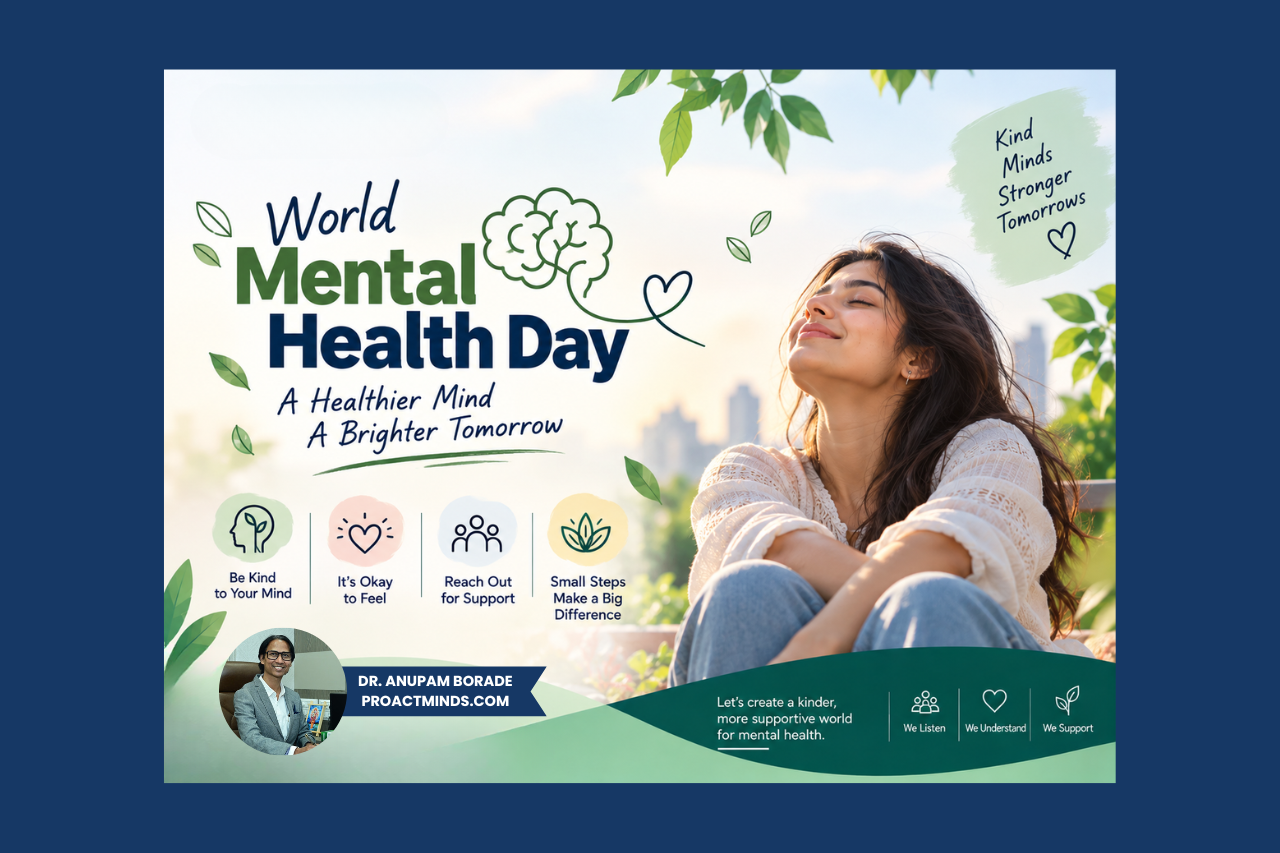
World Mental Health Day reminds us that our emotional well-being deserves attention, too. It is a chance to pause, check in with ourselves and make mental health a more open part of everyday conversations. In 2026, the focus is also on listening to people who have experienced mental health challenges and making sure their voices lead to meaningful change.
When Is World Mental Health Day 2026?
World Mental Health Day is observed every year on 10 October. In 2026, it falls on a Saturday, giving individuals, workplaces and communities an opportunity to come together for mental health awareness.
The official theme for World Mental Health Day 2026 is “Lived Experiences Heard: Real Voices, Real Change.” It highlights the importance of listening to people who have experienced mental health conditions and involving them in decisions about the care and support they receive. Their experiences can help create more understanding, inclusive and effective mental health services.
What Is World Mental Health Day and Why Is It Important?
World Mental Health Day is a global awareness day that encourages people to understand mental health, challenge stigma and make support more accessible. It reminds us that mental well-being is an important part of overall health, not something to think about only when life becomes difficult.
Why does it matter?
Because people can struggle silently while continuing to attend classes, meet deadlines, care for others and fulfil everyday responsibilities. A person does not always have to look distressed for their feelings to deserve attention. This day encourages us to listen without judgement, recognise when someone needs support and create spaces where asking for help feels safe. It also reminds us that people with lived experience should have a meaningful say in shaping mental health services and policies.
How Is the Modern World Affecting Our Mental Health?
The modern world gives us countless ways to connect, learn and grow. But it also brings new pressures that can leave us feeling overwhelmed. Understanding these challenges can help us make more thoughtful choices about our daily lives.
AI, Social Media and Digital Overload
Our phones keep us connected to almost everything, but sometimes they keep us from being present with ourselves. Endless scrolling, comparison with carefully edited lives and the pressure to respond instantly can leave us mentally exhausted. AI tools can make everyday tasks easier, but relying on technology for every decision or constantly consuming digital content may leave little room for quiet reflection.
The goal is not to disconnect from the digital world completely. It is to build a healthier relationship with it. Taking breaks from screens, turning off unnecessary notifications and making time for offline activities can help us feel more present and in control of our attention.
Environmental Stress, Climate Change and Pollution
Our surroundings can affect how we feel, too. Extreme heat, poor air quality, natural disasters and concerns about climate change can contribute to stress, uncertainty and feelings of helplessness. For some people, repeated exposure to environmental problems or worrying news about the future can make it harder to feel settled.
While we cannot control every change happening around us, we can take small steps to protect our well-being. Spending time in a comfortable green space when possible, staying connected with supportive people and taking breaks from distressing news can help. Community action and practical environmental efforts may also offer a sense of purpose and connection.
Workplace Pressure, Financial Stress and Social Isolation
Meeting deadlines, managing expenses and trying to keep up with expectations can make everyday life feel like a never-ending checklist. When rest starts to feel unproductive and asking for help feels uncomfortable, stress can build over time. Financial uncertainty can add another layer of worry, making it difficult to switch off even after the workday ends.
Social isolation can make these pressures harder to manage. Someone may be surrounded by colleagues or friends and still feel that they have nobody to talk to honestly. Supportive workplaces, realistic expectations, meaningful relationships and access to mental health care can make a difference. You do not have to wait until you reach your limit to acknowledge that something feels difficult.
How Can You Celebrate World Mental Health Day 2026?
Celebrating World Mental Health Day does not have to mean organising a large event or making a grand promise. Small, thoughtful actions can encourage more open conversations and help people feel less alone.
Take a Digital Detox and Practise Mindfulness
Give yourself a little breathing room from your screens. You could spend part of the day without social media, leave your phone aside during meals or take a short walk without checking notifications. Notice the sounds around you, the movement of your body and the things you usually rush past.
Mindfulness is about paying attention to the present moment without being overly critical of your thoughts or feelings. You can practise it while drinking your morning tea, listening to someone or taking a few slow breaths between tasks. There is no need to get it perfect. Even a few mindful minutes can become a gentle reminder to slow down.
Start Conversations About Mental Health
Sometimes, a simple “How have you really been feeling lately?” can open the door to a meaningful conversation. World Mental Health Day is a good opportunity to speak more honestly about stress, emotional exhaustion and the importance of asking for help.
Make room for conversations without turning them into competitions about who has it harder. Listen patiently, avoid dismissing someone’s feelings and remember that you do not need to have every answer. If someone shares a difficult experience, thank them for trusting you. Being heard without judgement can help a person feel more comfortable seeking further support when needed.
Organise Workplace and Community Awareness Activities
Workplaces, colleges and community groups can use this day to make mental health awareness more approachable. Organise a discussion with a qualified mental health professional, share reliable educational resources or create a space where people can talk about stress and well-being.
Activities can be simple and engaging, such as a mindful walk, a group reflection session or a workshop on managing everyday stress. Make participation voluntary and respect people’s privacy. The aim should not be to make everyone share personal experiences, but to create an environment where conversations about mental health are welcomed and support is easier to find.
Support People With Lived Experiences
The 2026 theme asks us to do more than listen politely. It encourages us to recognise that people who have experienced mental health conditions have valuable knowledge about the support they need and the barriers they face.
You can put this into practice by listening without assumptions, sharing people’s stories only with their permission and including their perspectives in awareness activities. Organisations can also involve people with lived experience when designing support programmes and services. Most importantly, remember that nobody owes the world their personal story. Respect, choice and dignity should always come first.
What Should We Do Beyond World Mental Health Day?
One day of awareness can start a conversation, but mental well-being needs attention throughout the year. Lasting change comes from everyday habits, accessible care and communities where people feel safe enough to ask for help.
Build Healthy Daily Habits
Taking care of your mental health does not require a complete lifestyle makeover. Start with manageable habits, such as maintaining a regular sleep routine, moving your body in ways you enjoy, eating balanced meals and making time for activities that help you unwind.
Staying connected with people you trust can also provide emotional support during difficult periods. Try to notice when you need rest instead of pushing yourself through every task. These habits cannot prevent every mental health difficulty, but they can support your overall well-being and help you respond to daily stress more thoughtfully.
Make Mental Health Support More Accessible
Knowing that support exists is important, but being able to access it matters just as much. Cost, stigma, limited availability and fear of being judged can prevent people from reaching out when they need help. Mental health care should be approachable, respectful and responsive to different people’s needs.
We can help by speaking openly about counselling, sharing reliable information and encouraging people to seek professional support without shame. Schools, workplaces, healthcare providers and communities all have a role in making care easier to find. Reaching out to a counsellor or mental health professional can be a useful step when difficult feelings begin affecting everyday life.
Use AI and Technology Responsibly
AI-powered tools can help people find information, organise routines and access certain forms of digital support. However, they are not a replacement for professional mental health assessment, counselling or emergency care. AI responses may also be inaccurate or may not fully understand an individual’s circumstances.
Use technology as a tool rather than your only source of emotional support. Protect your personal information, check important health information against reliable sources and reach out to a qualified professional when you need personalised guidance. Technology should help people find support more easily, not become another reason to avoid human connection.
Conclusion
World Mental Health Day 2026 reminds us that mental health awareness begins with listening, understanding and taking meaningful action. From managing digital overload to creating supportive workplaces, even small changes can help make everyday life more considerate of our emotional needs.
This year’s theme, “Lived Experiences Heard: Real Voices, Real Change,” also reminds us that people deserve a voice in the care and decisions that affect them. Their experiences should be met with respect, not judgement.
And remember, you do not have to wait for World Mental Health Day to take your feelings seriously. If stress, anxiety or emotional difficulties are becoming hard to manage, reaching out for support is a positive step.
At ProactMinds, you can explore mental health counselling support in a space where your experiences and concerns deserve to be heard. Connect with our team to learn more about the support available and take a step towards caring for your mental well-being.
Frequently Asked Questions
You can celebrate World Mental Health Day 2026 by starting an honest conversation about mental health, taking a break from screens, practising mindfulness or participating in an awareness activity. You can also support people with lived experience by listening respectfully and helping make mental health resources easier to access. Small actions matter when they encourage understanding beyond a single day.
AI and social media can influence attention, online comparison and how people seek information or support. Environmental changes, including extreme weather, pollution and climate-related uncertainty, can contribute to stress and worry. Their effects vary from person to person. Building healthy digital habits, staying connected with supportive people and seeking professional help when needed can support mental well-being.