Ever felt your anger take over before you could even think? Maybe it was a frustrating text, an unexpected argument or one small thing that pushed you over the edge after a long day. Anger is a normal emotion, but how we respond to it can make a big difference. Learning ways to control anger isn’t about pretending everything is fine. It’s about understanding what you feel and choosing how to respond without making a difficult moment worse.
Why Is It Important to Manage Anger?
Anger can signal that something feels unfair, upsetting or overwhelming. But when it leads to impulsive reactions, hurtful words or repeated arguments, it can affect our relationships and peace of mind. Learning to manage anger helps you express what bothers you without letting the emotion make every decision.
10 Ways to Control Anger
You don’t need to become a completely different person to handle anger better. A few simple techniques can help you pause, understand what’s happening and respond more thoughtfully when emotions run high.
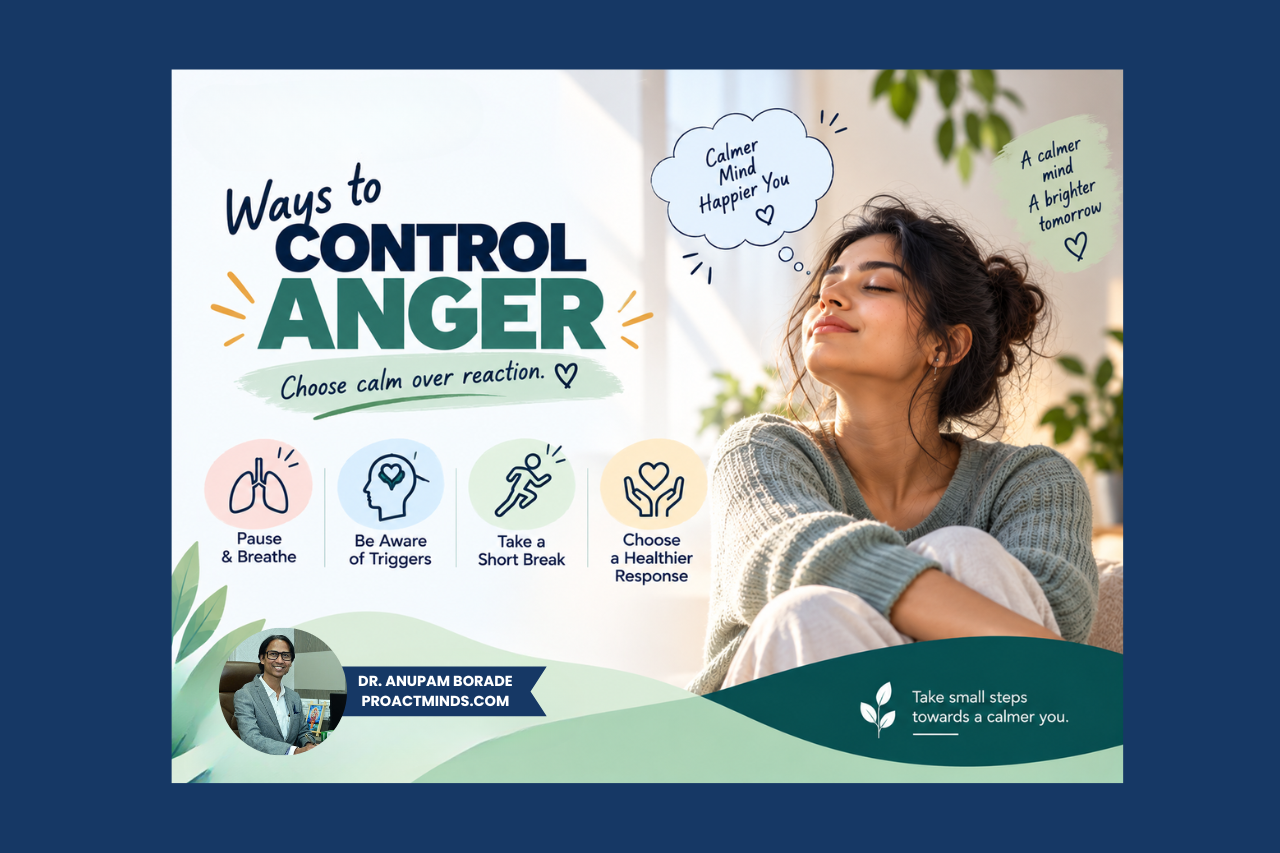
1. Pause Before You React
When you’re angry, replying immediately can feel satisfying, but it may lead to words you later wish you could take back. Give yourself a few seconds before responding to a message or continuing an argument. That small pause creates space to think instead of reacting on impulse. Sometimes, the best response is the one you give after you’ve had a moment to breathe.
2. Take Slow, Deep Breaths
Anger can make your body feel tense and your thoughts race. Try breathing in slowly, then breathing out gently, repeating the process a few times. Focus on your breath instead of the argument playing on repeat in your mind. It may not make the anger disappear instantly, but it can help you settle enough to decide what to do next.
3. Step Away From the Situation
Not every disagreement needs to be solved on the spot. If you feel yourself getting increasingly upset, take a short break from the conversation or move to a quieter space. Let the other person know you need some time and will return to the discussion when you’re calmer. Taking space isn’t the same as avoiding the problem; it’s a way to approach it with a clearer mind.
4. Identify What Is Actually Upsetting You
Sometimes, the smallest incident triggers the biggest reaction because something else has been building up. Maybe you’re tired, feeling ignored or carrying stress from work or college. Ask yourself what is bothering you beneath the immediate frustration. Understanding the real trigger can help you respond to the actual problem instead of letting everything spill out at once.
5. Use Words That Explain, Not Attack
When emotions are high, it’s easy to say things like “You never listen to me” or “You always do this.” Such statements can make the other person defensive and shift attention away from the problem. Instead, explain how the situation affected you, using phrases such as “I felt hurt when that happened.” You can be honest about your feelings without turning the conversation into a blame game.
6. Move Your Body
Sometimes, sitting with your frustration makes it harder to stop replaying the situation. A walk, gentle stretching, dancing to your favourite song or another activity you enjoy can help you manage stress. Regular physical activity may also support your overall emotional well-being. You don’t have to complete an intense workout; even a little movement can offer a useful change of pace.
7. Challenge Your First Thought
Anger often comes with quick assumptions. A delayed reply might feel like rejection, while a disagreement might seem like a personal attack. Before accepting that first interpretation, consider whether there could be another explanation. This doesn’t mean ignoring genuine hurt or disrespect. It simply gives you a chance to separate what you know from what you might be assuming.
8. Use Humour to Lighten the Moment
When the situation allows it, a little light-heartedness can help release tension. Stepping back and noticing the absurdity of a minor mishap may make it feel less overwhelming. However, humour should never be used to mock someone, dismiss their feelings or hide a serious issue. The aim is to soften the moment, not make another person feel small.
9. Notice Your Anger Triggers
Do you tend to lose patience when you’re hungry, exhausted, rushed or feeling unheard? Paying attention to these patterns can help you prepare for difficult moments. You could note down what happened, how you felt and how you responded after an upsetting incident. Over time, recognising your triggers may help you spot rising frustration earlier and choose a more helpful response.
10. Know When to Ask for Help
If anger regularly leads to arguments, affects your relationships or feels difficult to manage, you don’t have to figure it out alone. A mental health professional can help you understand your triggers and develop healthier ways to respond. Seeking support isn’t a sign of weakness or failure. It’s a practical step towards feeling more in control of your reactions and improving your relationships.
What Are Some Easy Ways to Control Anger in the Moment?
When frustration hits suddenly, complicated techniques may be hard to remember. Start with a few simple actions that give you room to settle before responding.
- Drink some water: Take a moment to pause and shift your attention away from the immediate conflict.
- Count slowly: Count from one to ten while giving yourself time to think before speaking.
- Change your surroundings: Step into another room or take a short walk if it’s safe to do so.
- Relax your body: Unclench your jaw, lower your shoulders and release the tension in your hands.
- Delay the reply: If a message has upset you, write your response in your notes first instead of sending it immediately.
These easy ways to control anger may help you respond more thoughtfully. You don’t need to use all of them; find what works best for you.
What Is the Best Way to Control Anger in the Long Run?
The best way to control anger is to understand what triggers it and practise healthier responses consistently. Breathing exercises and short breaks can help in the moment, while recognising patterns, improving communication and managing everyday stress can help over time.
Start by choosing one technique you can practise regularly. You may not handle every frustrating situation perfectly, and that’s okay. Progress can look like noticing your anger sooner, taking a break before an argument escalates or apologising when your reaction hurts someone. The aim isn’t to never feel angry; it’s to handle anger in ways that protect your well-being and relationships.
Conclusion
Anger can show up in the middle of an ordinary day, sometimes when you least expect it. But one difficult moment doesn’t have to decide how the rest of your day unfolds. With practice, you can learn to pause, understand your feelings and respond in ways that feel healthier for you and the people around you.
If anger feels overwhelming or keeps affecting your everyday life, professional support can help you explore what’s behind it. At ProactMinds, mental health counselling can offer a supportive space to understand your emotions and work towards healthier coping strategies. **Reach out to ProactMinds to take a thoughtful step towards better emotional well-being.**
Frequently Asked Questions
Five helpful ways to control your anger are pausing before reacting, taking slow breaths, stepping away briefly, identifying your triggers and expressing your feelings calmly. Practising these techniques can help you respond more thoughtfully during frustrating situations.
Taking a short pause and breathing slowly can help you create space between feeling angry and reacting. If the situation becomes overwhelming, step away briefly when safe and return to the conversation when you're calmer.
Small incidents can trigger anger when you're already stressed, tired, overwhelmed or feeling unheard. Paying attention to your emotions, daily stress and recurring triggers can help you understand why certain situations affect you strongly.
Slow down your responses, listen to what the other person is saying and explain your feelings without blaming them. If the argument becomes too heated, suggest taking a break and continuing when both of you are ready to talk calmly.
Consider professional support if anger frequently affects your relationships, work, studies or daily life, or if you struggle to control your reactions. A mental health professional can help you understand your triggers and practise healthier ways to manage anger.