Reassurance can feel like a deep breath after a stressful moment. A simple “It’s going to be okay” or “We’re good” can help you feel calmer when doubts start taking over. But when you need to hear those words repeatedly to feel safe, reassurance can become a habit that is difficult to break.
Learning why you seek reassurance and how to manage uncertainty can help you feel more confident in your thoughts, decisions, and relationships.
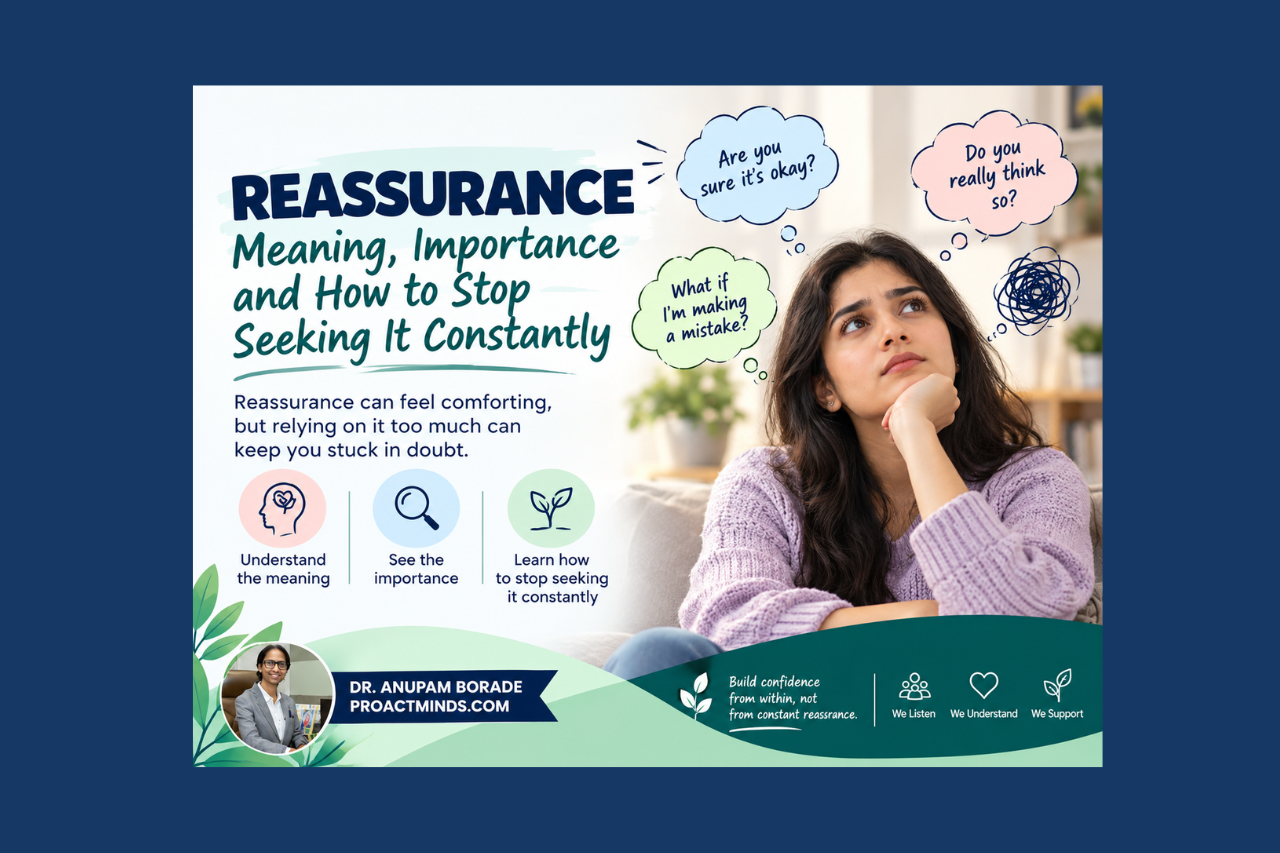
What Is Reassurance? Meaning and Definition
Reassurance is the act of helping someone feel calmer, safer, or more confident when they are worried or uncertain. It can come from a friend, family member, partner, or even yourself through positive self-talk.
Understanding what is the meaning of reassured is equally important. Being reassured means feeling comforted or less worried after receiving support or encouragement.
For example, a friend reminding you that one mistake does not define your abilities can be reassuring. Seeking support is completely normal. The challenge begins when you feel unable to move forward without repeated confirmation that everything is okay.
Why Do People Seek Constant Reassurance?
The need for reassurance often comes from wanting to feel secure when something seems uncertain. You might worry about making mistakes, disappointing others, being misunderstood, or losing an important relationship.
Several factors can contribute to this pattern:
Fear of making mistakes: You may repeatedly check your decisions because you worry about getting something wrong.
Low self-confidence: You might find it difficult to trust your own judgement without someone else’s approval.
Anxiety and overthinking: Your mind may keep imagining negative outcomes, making you seek confirmation that they will not happen.
Fear of rejection: You may frequently ask loved ones if they are upset with you or if everything is okay between you.
Past experiences: Previous criticism, rejection, or unpredictable relationships can sometimes make reassurance feel especially important.
Sometimes, reassurance provides genuine comfort. However, when uncertainty feels difficult to tolerate, you may find yourself seeking the same answers again and again, even after receiving them.
How Does Constant Reassurance Seeking Affect Mental Health?
Reassurance can provide temporary relief, but constantly depending on it may make worries harder to manage over time. You might feel calm after someone answers your question, only to start doubting their response a few minutes later.
This pattern can affect mental well-being in several ways:
Increased anxiety: You may become more dependent on external confirmation whenever uncomfortable thoughts appear.
Reduced self-trust: Repeatedly questioning your decisions can make it harder to believe in your own judgement.
Relationship strain: Loved ones may feel pressured to provide constant confirmation, while you may worry that their responses are not genuine enough.
Difficulty making decisions: Even small choices can become stressful when you feel you need someone else’s approval.
Mental exhaustion: Replaying conversations, checking for signs of disapproval, and seeking repeated answers can leave you feeling drained.
It is important to remember that needing reassurance does not make you weak or overly dependent. The goal is not to stop asking for support, but to develop ways of feeling secure even when immediate reassurance is unavailable.
How to Stop Reassurance Seeking in Healthy Ways
Learning how to stop reassurance seeking does not mean handling every worry alone. It means gradually building confidence in your ability to manage uncomfortable feelings without needing someone else to resolve every doubt.
Here are some practical ways to begin.
Recognise Your Reassurance-Seeking Patterns
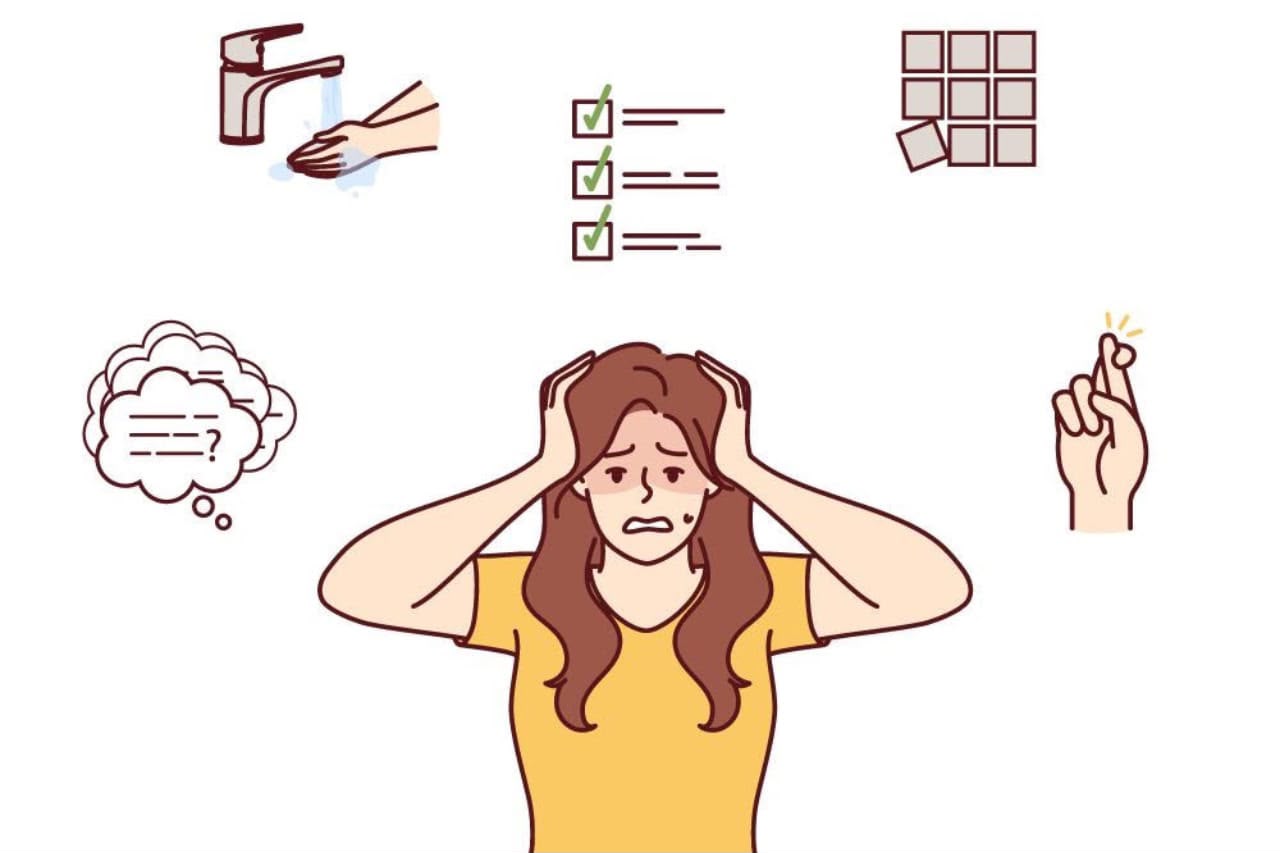
Start by noticing when and why you seek reassurance. Do you repeatedly ask whether someone is upset with you, check messages for hidden meanings, or revisit a decision after making it?
Pay attention to what triggers these urges and how you feel before and after receiving reassurance. Recognising the pattern helps you understand what you need emotionally and where you can begin making changes.
Learn to Manage Uncertainty
Not every question has an immediate answer, and not every situation can be controlled. Instead of trying to eliminate every doubt, practise allowing some uncertainty to exist.
When you feel worried, remind yourself that not knowing something right away does not automatically mean something is wrong. Start with small situations, such as waiting before checking a message again or allowing yourself to make an everyday decision without asking several people for their opinions.
Practise Self-Trust and Positive Self-Talk
The way you speak to yourself can influence how you respond to stressful situations. Instead of immediately seeking external approval, try offering yourself the same kindness you would give a friend.
For example, replace “What if I have made a terrible mistake?” with “I made the best decision I could with the information I had.” You do not need to convince yourself that everything will be perfect. Simply acknowledging that you can handle different outcomes can help strengthen self-trust.
Pause Before Asking for Reassurance
When the urge to ask the same question returns, give yourself a little time before acting on it. Take a few slow breaths, write down your concern, or do something grounding to help you settle.
Ask yourself whether you need new information or are looking for temporary relief from a familiar worry. If you have already received a clear answer and nothing has changed, try sitting with the discomfort for a short while. Gradually, this pause can help you respond more thoughtfully rather than automatically seeking reassurance.
Build Healthy Communication and Emotional Boundaries
Healthy relationships allow you to ask for comfort without making another person solely responsible for your emotional security. Try explaining what you are feeling instead of repeatedly asking questions that seek the same confirmation.
For example, you could say, “I’m feeling a little anxious today. Could we talk for a few minutes?” This communicates your need for connection without demanding that someone repeatedly prove everything is okay.
You can also respect your loved ones’ boundaries while learning other ways to manage your emotions. The aim is to make room for both support and independence in your relationships.
How to Support Someone Who Needs Constant Reassurance
Supporting someone who frequently seeks reassurance requires patience, understanding, and healthy boundaries. Their repeated questions may come from genuine anxiety rather than a lack of trust in you.
Here are a few ways to offer support:
Listen without judgement: Let them express their worries without making them feel embarrassed for needing comfort.
Validate their feelings: You can acknowledge their anxiety without confirming every feared outcome. Try saying, “I can see that this is worrying you.”
Encourage independent coping: Gently help them explore what they can do to manage the situation themselves.
Avoid becoming the only source of comfort: Encourage activities, coping strategies, and professional support that help them develop confidence beyond your reassurance.
Set kind boundaries: If the same question keeps returning, respond with care while encouraging a different approach. You might say, “I’ve answered this as honestly as I can. Let’s work through what is making you feel uncertain.”
Remember, supporting someone does not mean removing every doubt they experience. It means helping them feel understood while encouraging their ability to manage difficult emotions.
When Should You Seek Professional Support?
Seeking professional support may be helpful when reassurance seeking starts interfering with your relationships, work, studies, sleep, or everyday decisions. You may also benefit from help if worries return repeatedly despite receiving reassurance or if you feel unable to manage uncertainty on your own.
A mental health professional can help you understand the thoughts and emotions behind this pattern. Approaches such as cognitive behavioural therapy (CBT) may help you recognise unhelpful thinking patterns, respond differently to anxious thoughts, and gradually reduce repeated reassurance seeking when appropriate.
Frequently Asked Questions
Being reassured means feeling calmer, comforted, or less worried after receiving encouragement or support. For example, talking to a trusted friend may help you feel reassured during a stressful situation.
Constant reassurance seeking can be linked to anxiety, low self-confidence, fear of rejection, or difficulty managing uncertainty. Understanding your triggers can help you identify why you seek repeated confirmation.
Begin by recognising your triggers, pausing before asking repeated questions, practising positive self-talk, and learning to tolerate uncertainty. If the pattern causes significant distress, a mental health professional can help.
Frequent reassurance seeking can be associated with anxiety, but it does not automatically mean you have an anxiety disorder. Its significance depends on your experiences, how often it happens, and how much it affects your daily life.
A mental health counsellor can help you identify underlying fears, recognise repetitive thought patterns, strengthen self-confidence, and practise healthier ways of managing uncertainty. Therapy can also help you understand when reassurance is useful and when it may be maintaining your worries.