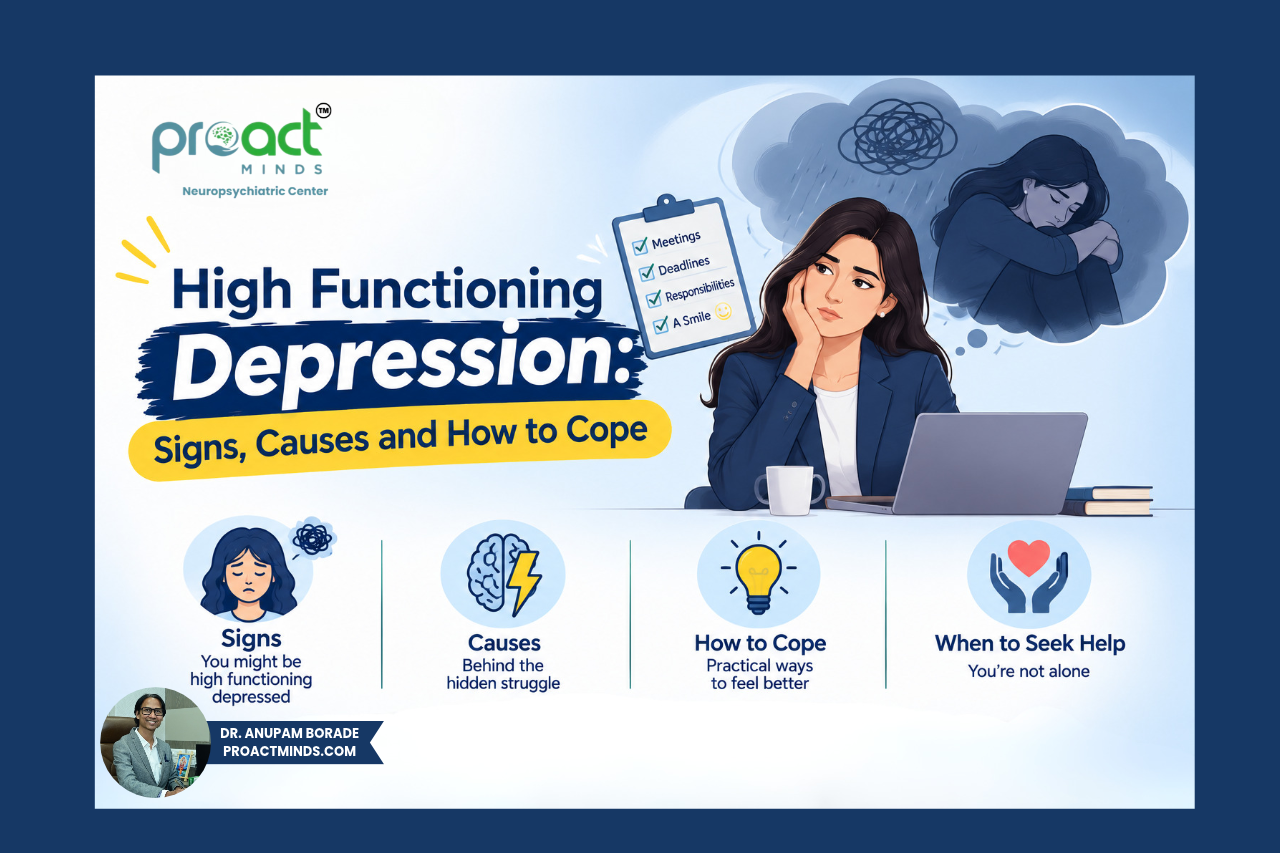
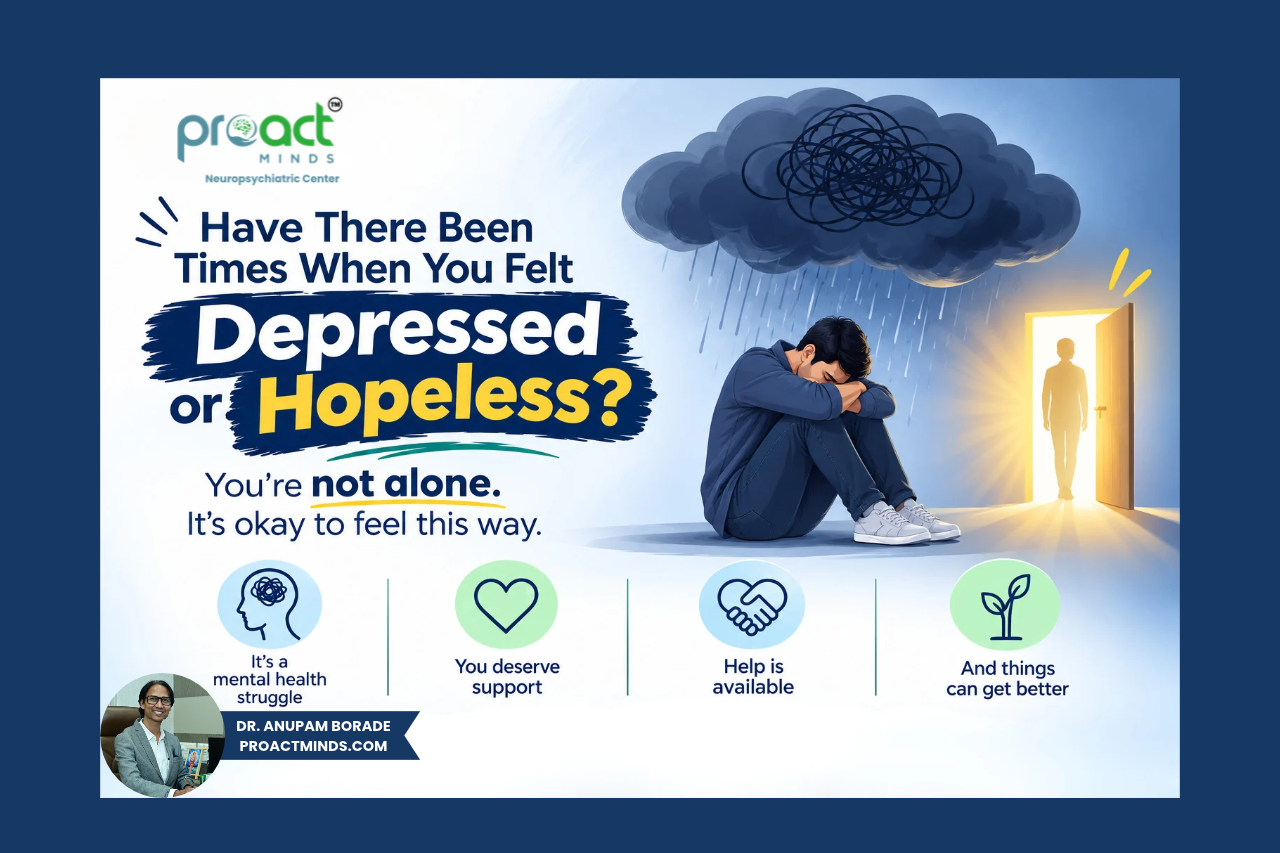
Some days, getting out of bed, completing everyday tasks, or even having a conversation can feel harder than usual. You might feel low without knowing exactly why, lose interest in things you once enjoyed, or struggle to imagine things getting better.
Have there been times when you felt depressed or hopeless? These feelings can be difficult to understand, especially when you cannot point to one particular reason behind them. Recognising what you are experiencing is an important first step towards taking care of your mental well-being.
What Does It Mean to Feel Depressed or Hopeless?
Feeling depressed or hopeless can involve experiencing persistent sadness, emptiness, or a sense that nothing will improve. You may feel emotionally drained, disconnected from others, or unable to find joy in activities that once made you happy.
It is important to understand that feeling sad occasionally is a normal part of life. Depression, however, involves a combination of symptoms that continue over time and affect how you think, feel, and function. A depressive episode commonly involves symptoms lasting at least two weeks.
What Are the Common Signs of Depression and Hopelessness?
Depression and hopelessness do not look the same for everyone. Some people may notice emotional changes, while others experience physical discomfort or changes in their daily behaviour.
Emotional Signs
– Persistent sadness: Feeling low, empty, or tearful for extended periods, sometimes without an obvious reason.
– Loss of interest: Finding it difficult to enjoy hobbies, social activities, or things that once made you happy.
– Feelings of worthlessness: Constantly doubting yourself, blaming yourself, or feeling that you are not good enough.
– Hopelessness: Believing that your situation will not improve, even when there may be ways forward.
– Irritability: Feeling unusually frustrated, sensitive, or easily upset by small things.
Physical and Behavioural Signs
– Constant fatigue: Feeling tired or lacking energy even after getting enough rest.
– Sleep disturbances: Struggling to fall asleep, waking up frequently, or sleeping more than usual.
– Appetite changes: Experiencing a noticeable increase or decrease in appetite.
– Poor concentration: Finding it difficult to focus, remember things, or make everyday decisions.
– Social withdrawal: Avoiding conversations, cancelling plans, or distancing yourself from people you care about.
These signs can vary in intensity. Noticing a few of them does not automatically mean someone has depression, but persistent changes are worth discussing with a professional.
Why Do People Sometimes Feel Depressed or Hopeless?
There is rarely one single reason why someone experiences depression or hopelessness. A combination of personal experiences, environmental pressures, and biological factors may contribute.
– Difficult life experiences: Losing someone, going through a breakup, facing financial difficulties, or experiencing major life changes can affect emotional well-being.
– Relationship problems: Conflicts, loneliness, or feeling unsupported by people close to you can contribute to emotional distress.
– Work pressure: Constant deadlines, academic expectations, and responsibilities can leave you feeling overwhelmed and emotionally exhausted.
– Biological and genetic factors: Family history, genetics, and certain physical health conditions may also play a role in depression.
Sometimes, these feelings develop gradually, making it difficult to identify exactly when they started.
How Can Feeling Depressed or Hopeless Affect Everyday Life?
When you feel depressed or hopeless, even simple responsibilities can begin to feel overwhelming. You may find yourself putting things off, avoiding people, or struggling to maintain routines that once felt natural.
These feelings can affect different areas of everyday life:
– Relationships: You may withdraw from loved ones, avoid conversations, or find it difficult to explain how you feel.
– Work and studies: Low motivation and difficulty concentrating can affect your productivity and performance.
– Physical health: Changes in sleep, appetite, and energy levels can make it harder to look after yourself.
– Self-confidence: Negative thoughts may make you question your abilities and feel dissatisfied with yourself.
– Decision-making: Even small choices can feel exhausting when your mind is already dealing with emotional stress.
Over time, these challenges can affect your quality of life, which is why recognising them early matters.
What Can You Do When You Feel Depressed or Hopeless?
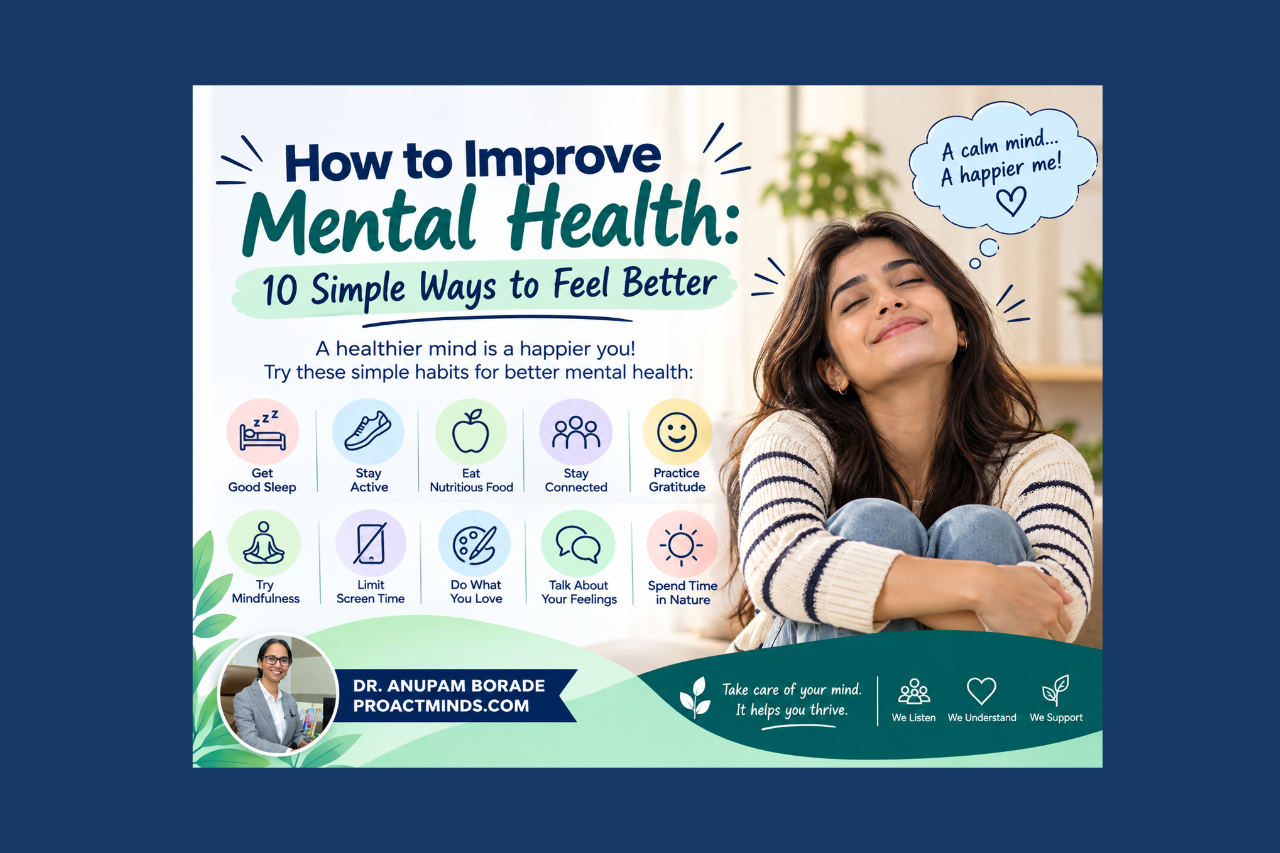
You do not have to figure everything out at once. Small, manageable steps can help you cope with difficult emotions and make everyday life feel a little more manageable.
Talk to Someone You Trust
Keeping everything to yourself can make difficult feelings harder to deal with. Try sharing what you are experiencing with a trusted friend, family member, or partner. You do not need to have all the right words; simply being heard can help you feel less alone.
Build a Healthy Daily Routine
Start with small habits instead of trying to change everything at once. Maintain regular sleep hours, eat balanced meals, and break bigger responsibilities into smaller tasks. Having some structure in your day can make everyday activities feel more manageable.
Practise Mindfulness and Relaxation
Give yourself a little time to slow down and reconnect with the present moment. Deep breathing, journaling, listening to music, or spending time outdoors may help you manage stress and understand your emotions better.
Stay Connected With Others
When you feel low, spending time with people may seem difficult. However, staying connected can help reduce feelings of isolation. Even a short phone call, a message, or a simple conversation with someone you trust can be a meaningful step.
When Should You Seek Professional Help for Depression or Hopelessness?
If feelings of sadness or hopelessness continue for several weeks, affect your daily responsibilities, or make it difficult to maintain relationships, consider speaking with a mental health professional.
A psychologist or psychiatrist can help you understand what you are experiencing and suggest suitable support, which may include counselling, psychotherapy, or other treatment options.
How Can You Support Someone Who Feels Depressed or Hopeless?
When someone close to you is struggling, you may not always know what to say or do. You do not need to have all the answers. Being patient and showing that you care can make a difference.
– Listen without judgement: Give them the space to express their feelings without interrupting or criticising them.
– Acknowledge their emotions: Avoid dismissing their experiences or telling them to simply think positively.
– Stay connected: Check in through calls, messages, or visits, even when they do not reach out first.
– Offer practical help: Help with everyday responsibilities if they are finding them difficult to manage.
– Encourage professional support: Gently suggest speaking with a mental health professional when they seem to be struggling.
– Take safety concerns seriously: If they mention self-harm or suicide, help them access immediate professional mental health support.
Remember, supporting someone does not mean taking responsibility for their recovery. You can be there for them while encouraging them to get the help they need.
Frequently Asked Questions
Yes, many people experience periods of sadness, emotional exhaustion, or hopelessness at different points in life. Difficult experiences, stress, and personal challenges can contribute to these feelings. However, if they persist or begin affecting everyday life, seeking professional guidance can help.
Sadness is usually a temporary emotional response to a particular situation. Depression involves persistent symptoms such as low mood, loss of interest, fatigue, and changes in sleep or appetite that can interfere with everyday functioning.
Some common signs include negative thinking, loss of motivation, social withdrawal, feelings of worthlessness, and difficulty imagining a positive future. They may also stop enjoying activities they previously liked.
Maintaining a healthy routine, getting enough sleep, engaging in gentle physical activity, practising relaxation, and staying connected with others may support emotional well-being. However, these habits are not a replacement for professional treatment when it is needed.
Consider seeking professional help when feelings of sadness or hopelessness continue, affect your relationships or responsibilities, or become difficult to manage. If you experience thoughts of self-harm or suicide, seek immediate support rather than dealing with them alone.