Mental health plays an important role in how we think, feel and handle everyday situations. It influences our relationships, decisions, emotions and ability to cope with stress. Just like physical health, mental well-being needs regular care and attention.
The good news is that improving your mental health doesn’t always require major lifestyle changes. Small, consistent habits can make a meaningful difference. If you’re wondering how to improve mental health, here are 10 simple ways to support your emotional well-being.
Why Is It Important to Improve Your Mental Health?
Good mental health helps you manage everyday challenges, build meaningful relationships and maintain emotional balance. It allows you to understand your feelings, make better decisions and adapt to life’s changes.
Prioritising mental well-being can also improve concentration, confidence and your ability to manage stress. It doesn’t mean feeling happy all the time. Instead, it means developing healthy ways to navigate difficult emotions and everyday pressures.
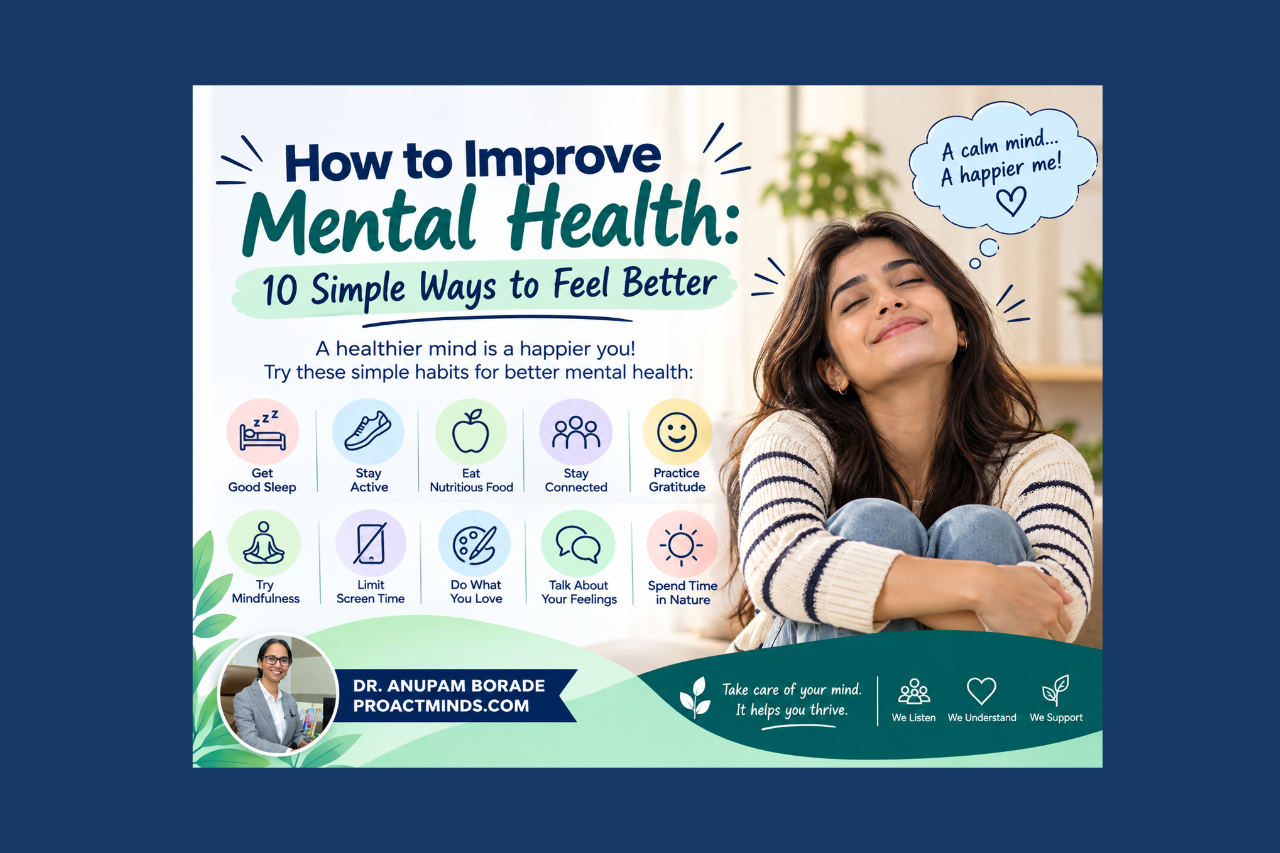
10 Simple Ways to Improve Mental Health Naturally
1. Practise Mindfulness and Meditation
Our minds are often busy thinking about the past or worrying about the future. Mindfulness helps bring your attention back to the present moment. Start with five to ten minutes of meditation, deep breathing or quiet reflection every day. Regular practice can help manage stress, improve focus and support emotional balance.
2. Stay Physically Active
Physical activity can do wonders for your mood and overall well-being. Exercise encourages the release of endorphins, which are associated with positive feelings. You don’t need an intense workout to experience the benefits. Walking, cycling, dancing or stretching can all help improve mental health.
3. Maintain a Healthy Sleep Routine
Sleep gives your brain time to rest, recover and process emotions. Inadequate sleep can affect your mood, concentration and ability to manage stress. Try going to bed at a consistent time, reducing screen exposure before bedtime and creating a comfortable sleeping environment.
4. Build Healthy Eating Habits
A balanced diet supports both physical and mental well-being. Include fruits, vegetables, whole grains, nuts and protein-rich foods in your daily meals. Stay hydrated and avoid skipping meals. Nourishing your body with the right nutrients can support brain function, energy levels and emotional health.
5. Stay Connected With Friends and Family
Meaningful relationships provide emotional support and a sense of belonging. Make time to speak with friends, spend quality moments with family or reconnect with someone you haven’t spoken to in a while. Even a simple conversation can make a difficult day feel lighter.
6. Learn to Manage Everyday Stress
Everyday responsibilities and unexpected challenges can sometimes feel overwhelming. Identify your stress triggers and break bigger tasks into smaller, manageable steps. Take short breaks, practise deep breathing and avoid putting unnecessary pressure on yourself. Healthy coping techniques can help you handle stressful situations better.
7. Spend Time Doing Things You Enjoy
Your hobbies deserve a place in your daily routine. Reading, gardening, cooking, listening to music or exploring a creative activity can give your mind a refreshing break. You don’t have to be good at something to enjoy doing it. Make time for activities that bring you happiness.
8. Set Realistic Goals and Maintain a Routine
A structured routine can bring a sense of direction and purpose to your day. Set small, achievable goals instead of overwhelming yourself with unrealistic expectations. Prioritise important tasks, plan your day and acknowledge your progress. Even small accomplishments can build confidence.
9. Limit Excessive Screen Time and Social Media
Constant notifications and endless scrolling can leave your mind feeling overloaded. Social media comparisons can also affect confidence and self-esteem. Set daily screen-time limits, switch off unnecessary notifications and take regular digital breaks. Use that time to read, enjoy outdoor activities or connect with people.
10. Practise Self-Care and Be Kind to Yourself
Self-care is an important part of maintaining good mental health. It could mean taking a break, enjoying your favourite activity or simply getting enough rest. Pay attention to your emotional needs and avoid being overly critical of yourself. Remember, taking care of yourself is necessary for your overall well-being.
How to Improve My Mental Health When I Feel Overwhelmed?
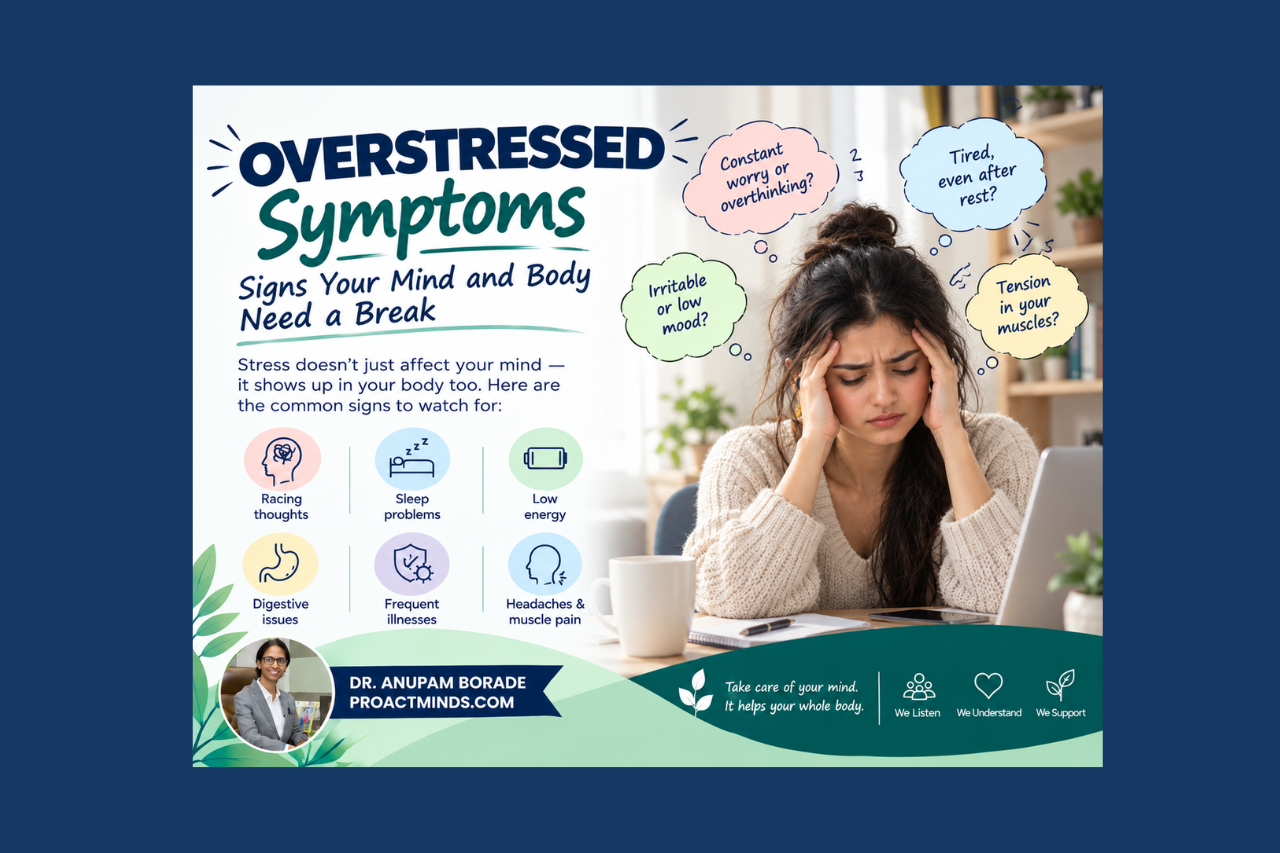
Feeling overwhelmed can make even simple tasks seem difficult. When everything feels like too much, pause and give yourself some breathing room. If you’re wondering how to improve my mental health during such moments, start with a few small steps:
Take a deep breath: Slow breathing can help you feel calmer.
Focus on one thing: Break overwhelming tasks into smaller steps.
Take a short break: Step away from your routine and give your mind time to rest.
Talk to someone: Share your feelings with a trusted friend or family member.
Be patient with yourself: You don’t have to figure everything out at once.
If these feelings persist or start affecting your daily life, consider seeking guidance from a qualified mental health professional.
Conclusion
Improving your mental health is a continuous journey built around small, everyday choices. Healthy routines, meaningful relationships, mindfulness and self-care can all contribute to better emotional well-being.
If you’ve been wondering how to improve mental health, start with one simple habit and gradually build on it. Remember, progress takes time, and seeking professional mental health support when needed is equally important.
Frequently Asked Questions
Practise mindfulness, exercise regularly, eat balanced meals and maintain a healthy sleep routine. Spending time with loved ones and pursuing hobbies can also support emotional well-being.
Build a routine that includes physical activity, quality sleep and time for yourself. Stay connected with loved ones, take regular breaks and practise self-compassion.
Five simple ways include:
- Practising mindfulness and meditation.
- Staying physically active.
- Maintaining a healthy sleep routine.
- Building meaningful relationships.
- Making time for self-care.
Yes. Mindfulness can help reduce stress, improve focus and increase awareness of your thoughts and emotions. Regular meditation and breathing exercises can support emotional balance.
Seek professional help when feelings of anxiety, sadness or stress persist, become overwhelming or interfere with everyday activities. A qualified mental health professional can help you understand your concerns and find appropriate support.