Have you ever wanted to complete a simple task but found yourself unable to get started? Maybe you keep postponing everyday responsibilities, struggle to get out of bed, or lose interest in activities that once felt important.
While this can sometimes happen when you are tired or overwhelmed, persistent difficulty initiating activities may be associated with something called avolition.
Avolition can affect different parts of everyday life, from personal care and work to relationships and social activities. Understanding what it means and recognising its signs can help you identify when you may need support.
What Is Avolition? Understanding Its Meaning
If you are wondering, what is avolition, it refers to a significant reduction in motivation or the ability to begin and continue purposeful activities. A person experiencing avolition may know that something needs to be done but find it extremely difficult to take the first step or follow through.
For example, you may have a task to complete, a meal to prepare, or a friend to meet, but struggle to find the motivation to do any of it. Even activities that seem simple to others can require considerable effort.
Avolition is recognised as a negative symptom of schizophrenia, but reduced motivation can also occur in other mental health conditions and situations. It is important to understand that avolition is not simply a lack of interest or unwillingness to make an effort.
What Are the Common Signs and Symptoms of Avolition?
Avolition can affect how you approach everyday activities. The signs may develop gradually, making it difficult to notice changes in your motivation at first.
Some common signs include:
Difficulty Starting Everyday Activities
You may struggle to begin tasks even when you understand that they are important. Getting ready, preparing food, cleaning your room, or starting an assignment may feel like much bigger challenges than usual.
Lack of Motivation to Complete Tasks
You may start an activity but find it difficult to continue or finish it. Tasks may remain incomplete, not necessarily because you do not care, but because maintaining the effort feels challenging.
Reduced Interest in Social Activities
Meeting friends, attending gatherings, or responding to messages may begin to feel like too much effort. You might spend more time alone or stop taking the initiative to stay connected with others.
Neglecting Personal Care and Daily Routines
Activities such as bathing, brushing your teeth, preparing meals, or maintaining your surroundings may become difficult to manage. Even basic routines can require more effort than before.
Difficulty Making Decisions
You may find it hard to decide where to start, what needs to be done first, or how to organise your day. This can make even small responsibilities feel overwhelming.
These signs can affect people differently. Experiencing a few of them occasionally does not necessarily mean you have avolition, but ongoing difficulties may deserve attention.
What Causes Avolition?
Avolition can be associated with different mental health conditions and psychological experiences. Understanding the possible causes is important because the right support depends on what may be contributing to the loss of motivation.
Avolition and Depression
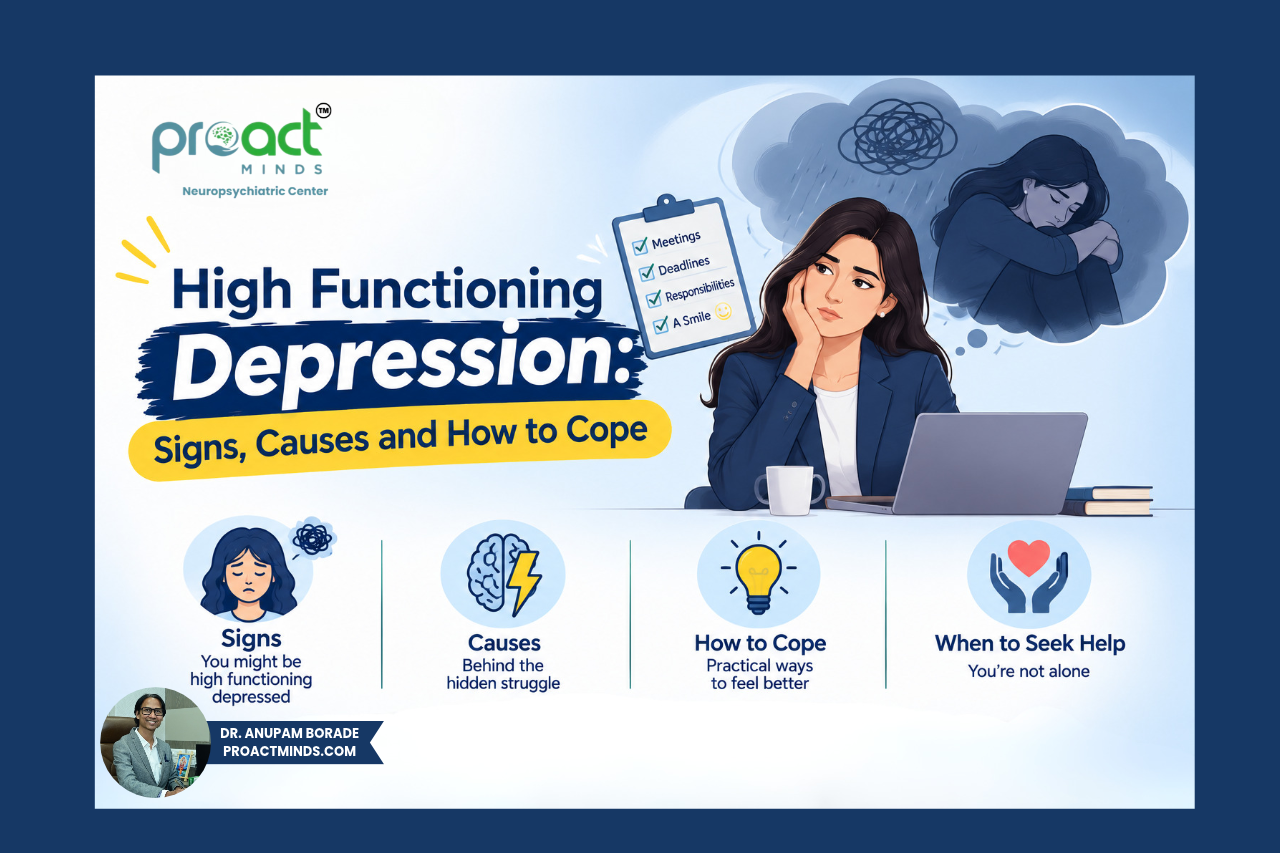
Depression can affect energy levels, concentration, interest, and motivation. You may find it difficult to begin everyday activities or feel that even small responsibilities require too much effort.
Although reduced motivation can occur in depression, avolition is not the same as every experience of low motivation. A professional can help understand the symptoms and identify what may be happening.
Avolition and Schizophrenia
Avolition is one of the recognised negative symptoms of schizophrenia. It can involve reduced motivation to begin and continue purposeful activities, including work, social interactions, and personal care.
Someone experiencing it may want to participate in everyday life but struggle to take the necessary steps. It can have a significant impact on independence and daily functioning.
Emotional and Psychological Factors
Ongoing emotional stress, overwhelming experiences, and other psychological difficulties may affect your ability to stay motivated. Sometimes, factors such as anxiety, social isolation, or emotional exhaustion can also contribute to difficulties with everyday activities.
However, these experiences do not automatically indicate clinical avolition. Understanding the underlying reason is important before deciding what kind of support may help.
How Is Avolition Different from Laziness?
Avolition and laziness are often confused because both may involve not completing tasks or avoiding responsibilities. However, they are not the same.
Laziness is a casual term generally used when someone is unwilling to put effort into an activity. Avolition, on the other hand, involves a significant difficulty with motivation and initiating purposeful actions. It may be associated with an underlying mental health condition.
For example, someone experiencing avolition may genuinely want to complete a task but feel unable to get started. They may also struggle with activities that are necessary for their own well-being.
It is important not to judge someone for these difficulties or assume they are simply not trying hard enough.
How Does Avolition Affect Everyday Life?
Avolition can make everyday responsibilities harder to manage. When starting and completing activities becomes difficult, different areas of life may be affected.
Impact on Work and Studies
You may struggle to begin assignments, meet deadlines, organise your workload, or stay consistent with your responsibilities. Even when you understand the importance of your work, finding the motivation to complete it can be challenging.
Impact on Relationships
You may stop initiating conversations, avoid social plans, or find it difficult to maintain regular contact with friends and family. Others may misunderstand this behaviour as disinterest, even when you still value those relationships.
Impact on Personal Responsibilities
Daily activities such as cooking, cleaning, shopping, and maintaining personal hygiene may become difficult. Over time, unfinished tasks can build up and make everyday life feel even more overwhelming.
Recognising these changes can help you understand why seeking support may be important.
How to Overcome Avolition: Practical Ways to Manage It
Learning how to overcome avolition starts with understanding that forcing yourself to do everything at once may not be helpful. Small, realistic steps can make everyday activities feel more manageable.
Here are a few strategies you can try:
– Start with small tasks: Instead of focusing on everything you need to complete, choose one simple activity. For example, begin by making your bed or organising one part of your room.
– Break activities into smaller steps: Large tasks can feel overwhelming. Divide them into manageable actions and focus on completing one at a time.
– Create a simple daily schedule: Having a basic routine for meals, sleep, personal care, and responsibilities can provide some structure to your day.
– Use reminders: Notes, alarms, or task lists can help you remember activities and reduce the effort involved in planning.
– Recognise small achievements: Acknowledge the effort you put into completing everyday activities instead of focusing only on what remains unfinished.
– Stay connected with others: Spending time with supportive people or asking someone to help you get started with a task may make activities feel less difficult.
These strategies may support everyday functioning, but they are not a replacement for professional assessment or treatment when avolition is linked to an underlying condition.
How Can a Mental Health Counsellor Help You Manage Avolition?
If avolition is making it difficult to manage your everyday life, speaking with a mental health professional can help you understand what is contributing to these challenges.
A counsellor can provide a safe space to discuss your experiences, explore emotional difficulties, and identify patterns that may be affecting your motivation. They may also help you develop practical coping strategies and realistic daily goals.
If avolition is connected to depression, schizophrenia, or another condition, a broader mental health assessment may be needed. A psychiatrist or other qualified professional can help determine suitable treatment, which may involve therapy, medication, or additional support.
Seeking help does not mean you have failed to manage your responsibilities. It means you are taking your well-being seriously.
Frequently Asked Questions
Avolition refers to a significant lack of motivation or difficulty initiating and completing purposeful activities. It may feel like wanting to get something done but struggling to take the first step, even when the task is important.
Common signs include difficulty starting tasks, reduced motivation, withdrawing from social activities, neglecting personal care, and struggling to complete everyday responsibilities.
Avolition is recognised as a negative symptom of schizophrenia. Reduced motivation can also occur in depression and other conditions, although the reasons and experiences may differ. A professional assessment can help identify the underlying cause.
Start with small tasks, create a manageable routine, break responsibilities into simpler steps, and recognise your progress. If the difficulty continues or affects everyday life, consider seeking professional support.
Laziness is a general term for unwillingness to make an effort, while procrastination involves delaying tasks. Avolition is a more significant difficulty with motivation and initiating purposeful activities, and it may be associated with mental health conditions.