Introduction
Mood changes are a part of life, but when they become extreme, frequent, or difficult to manage, they may point to something deeper. Many people experience these shifts without fully understanding what’s happening, especially when it comes to bipolar disorder symptoms in females.
Recognizing these patterns early can make a significant difference. It not only helps in understanding emotional changes but also in seeking the right kind of support at the right time.
What Is Bipolar Disorder
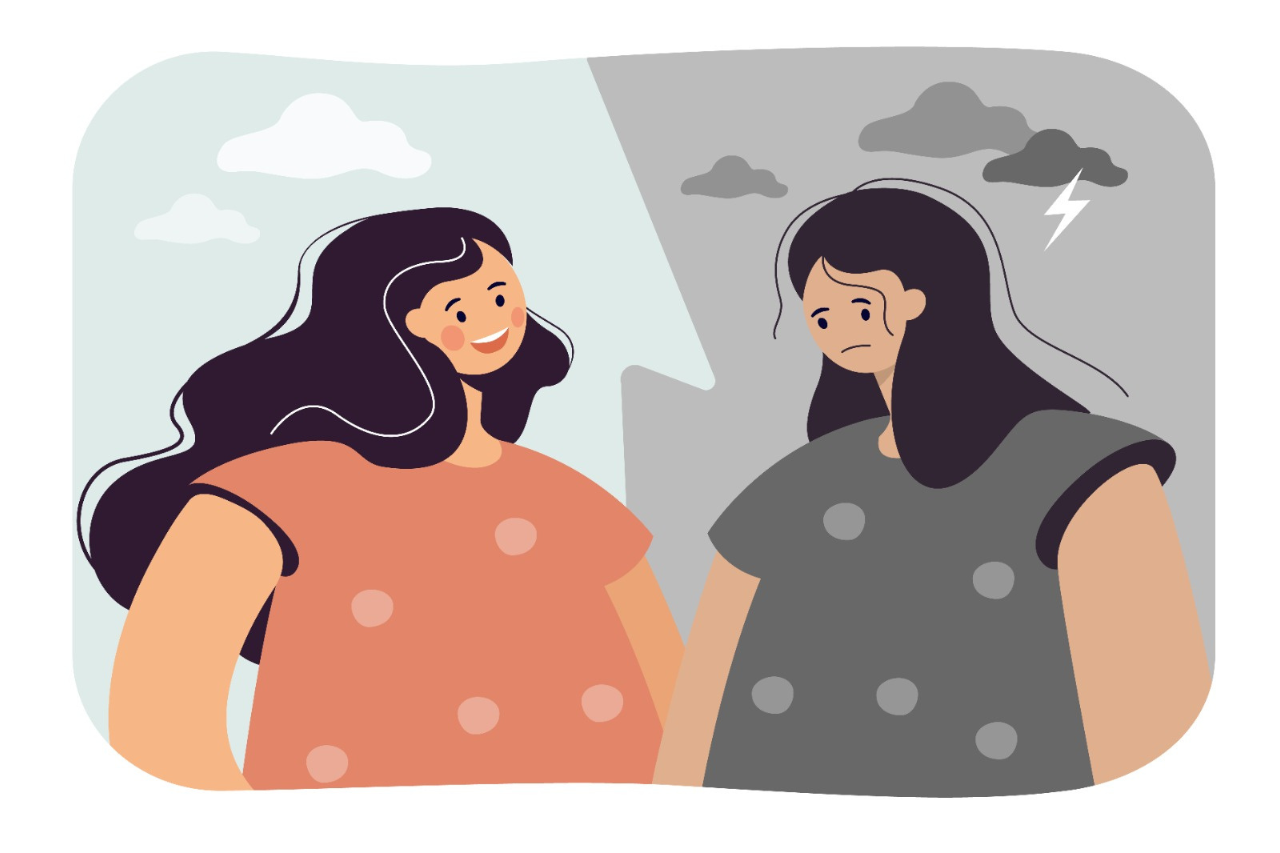
Bipolar disorder is a mental health condition that involves intense mood shifts, ranging from emotional highs to deep lows. These changes go beyond regular mood swings and can affect thoughts, energy levels, and daily functioning.
In women, these shifts can sometimes appear differently, which is why understanding bipolar disorder symptoms in females becomes important for accurate recognition and support.
Bipolar Disorder Symptoms In Females
The symptoms of bipolar disorder in women often revolve around emotional extremes, but they can also be influenced by hormonal and lifestyle factors. These episodes may not always look the same and can vary in intensity and duration.
Elevated Mood Phases
During these phases, a person may feel unusually energetic, overly confident, or emotionally “high.” There can be increased talkativeness, impulsive decisions, and a reduced need for sleep without feeling tired.
In bipolar disorder symptoms in teenage females, this may sometimes appear as sudden bursts of excitement, risky behavior, or unusually high activity levels.
Low Mood Phases
These phases involve feelings of sadness, emptiness, or a loss of interest in daily activities. Fatigue, low motivation, and difficulty concentrating are also common.
For many, especially in bipolar disorder symptoms in females, these episodes can last longer and feel heavier, affecting both emotional and physical well-being.
Overlapping Mood Phases
Sometimes, symptoms of both high and low moods can appear together, creating a confusing emotional experience. A person may feel restless and low at the same time, or energetic but emotionally drained.
This overlap is often seen in bipolar disorder symptoms in teenage females, making it harder to identify and understand the condition early on.
Hormonal Influences As A Core Reason
Hormones play a significant role in how bipolar disorder presents in women, often influencing the intensity and timing of mood changes. Natural hormonal shifts during the menstrual cycle, pregnancy, postpartum phase, and menopause can directly impact emotional regulation and energy levels.
These fluctuations can sometimes make mood episodes feel more sudden, intense, or harder to manage. In many cases, they can amplify bipolar disorder symptoms in females, making patterns less predictable and more closely tied to specific phases of the body’s cycle. Understanding this connection can help in identifying triggers and managing symptoms more effectively over time.
Impact Of Seasons
Seasonal changes can also affect mood patterns in bipolar disorder. Some individuals may experience higher energy levels during certain times of the year and lower moods during others.
This pattern can influence bipolar disorder symptoms in females, especially when combined with other environmental or emotional factors.
Also Read: Is Bipolar Disorder Curable
Other Conditions Linked to Bipolar Disorder In Women
Bipolar disorder in women is sometimes associated with other physical or mental health conditions, which can influence how symptoms appear or are managed.
- Borderline personality disorder (BPD), which involves emotional instability
- Impulse control disorder, leading to difficulty managing urges
- Obesity, which may be linked to lifestyle and medication effects
- Migraine, often connected to stress and hormonal changes
- Thyroid disease, which can affect mood and energy levels
- A history of sexual and physical abuse, which may impact emotional health
These conditions can sometimes overlap with bipolar disorder symptoms in females, making diagnosis and treatment more complex.
Social Impact
Bipolar disorder can affect relationships, work life, and daily routines. Mood changes may make it difficult to maintain consistency, leading to misunderstandings or emotional strain.
In many cases, bipolar disorder symptoms in females can impact how women interact socially, especially when emotions feel unpredictable or overwhelming.
Role of Menstruation, Pregnancy & Menopause
Different stages of life can significantly influence how bipolar disorder presents in women, as each phase brings noticeable hormonal changes. During menstruation, some women may experience increased emotional sensitivity, mood swings, or a worsening of existing symptoms.
Pregnancy and the postpartum period can also bring major emotional shifts, sometimes intensifying highs or lows due to rapid hormonal changes and lifestyle adjustments. Similarly, menopause can affect mood stability, sleep patterns, and overall emotional balance.
These transitions often play a strong role in shaping bipolar disorder symptoms in females, making certain periods feel more overwhelming or unpredictable. Recognizing these patterns can help in managing symptoms better and preparing for changes in advance.
Risk Factors
Several factors can increase the likelihood of developing bipolar disorder or experiencing stronger symptoms.
These may include family history, high stress levels, hormonal changes, traumatic experiences, or major life transitions. In younger individuals, these factors can also influence bipolar disorder symptoms in teenage females, especially during developmental years.
Coping Techniques
Managing bipolar disorder involves learning how to respond to mood changes in a balanced and structured way. With the right techniques, it becomes easier to handle emotional highs and lows without feeling completely overwhelmed.
- Track your mood patterns regularly to identify triggers and emotional shifts
- Practice mindfulness or deep breathing to stay grounded during intense moments
- Create a daily routine to bring structure and stability to your day
- Break tasks into smaller steps to avoid feeling mentally overloaded
- Stay connected with trusted people to avoid isolation
- These techniques can help you better understand bipolar disorder symptoms in females and respond more effectively over time
Lifestyle Changes & Home Remedies
Small and consistent lifestyle changes can play a big role in managing mood swings and improving emotional stability. These habits may seem simple but can have a lasting impact when followed regularly.
- Maintain a consistent sleep schedule to regulate mood and energy levels
- Eat balanced meals regularly to support overall mental and physical health
- Engage in physical activity to release stress and improve mood
- Limit caffeine and alcohol, as they can trigger or worsen mood shifts
- Take short breaks during the day to manage stress and avoid burnout
- Spend time in calming activities like music, reading, or nature
- These changes can support better management of bipolar disorder symptoms in females in daily life
Responsibilities Of A Family
Family support plays a crucial role in managing bipolar disorder. Understanding, patience, and open communication can help create a safe environment.
Being aware of bipolar disorder symptoms in females allows family members to respond with empathy instead of confusion or judgment.
Professional Help
Seeking professional help is important when symptoms start affecting daily life or become difficult to manage alone. Mental health professionals can provide proper diagnosis, therapy, and structured treatment plans.
With the right guidance, individuals can better understand bipolar disorder symptoms in females and learn ways to manage them effectively over time.
Frequently Asked Questions
Bipolar disorder symptoms in females include extreme mood changes, ranging from high-energy phases to periods of deep sadness. These shifts can affect sleep, energy, behavior, and emotional balance. The intensity and duration may vary from person to person.
Bipolar disorder symptoms in teenage females may appear more unpredictable, with sudden mood changes and impulsive behavior. Hormonal changes and developmental factors can make symptoms harder to identify. In adults, patterns may be more structured but still intense.
Early signs of bipolar disorder symptoms in females can include noticeable mood swings, changes in sleep patterns, and shifts in energy levels. These signs may start subtly but become more pronounced over time. Recognizing them early can help in seeking timely support.
Yes, hormonal changes can significantly impact bipolar disorder symptoms in females. Phases like menstruation, pregnancy, and menopause can trigger or intensify mood episodes. This makes symptoms feel more unpredictable at certain times.
Manic episodes may involve high energy, impulsive behavior, and reduced need for sleep, while depressive episodes include low mood, fatigue, and loss of interest. These contrasting phases define bipolar disorder symptoms in females. The shift between them can vary in frequency and intensity.
Professional help should be considered when bipolar disorder symptoms in females start affecting daily life, relationships, or overall well-being. Early support can make a significant difference in managing symptoms. It also helps in building long-term coping strategies.