
Introduction
Many people use the terms panic attack and anxiety attack interchangeably, but they are not exactly the same. This confusion often makes it harder to understand what’s really happening in the moment.
Knowing the difference between panic attack and anxiety attack can help you respond better, instead of feeling overwhelmed or unsure. It also makes it easier to identify patterns, triggers, and the kind of support you might need.
What Is An Anxiety Attack?
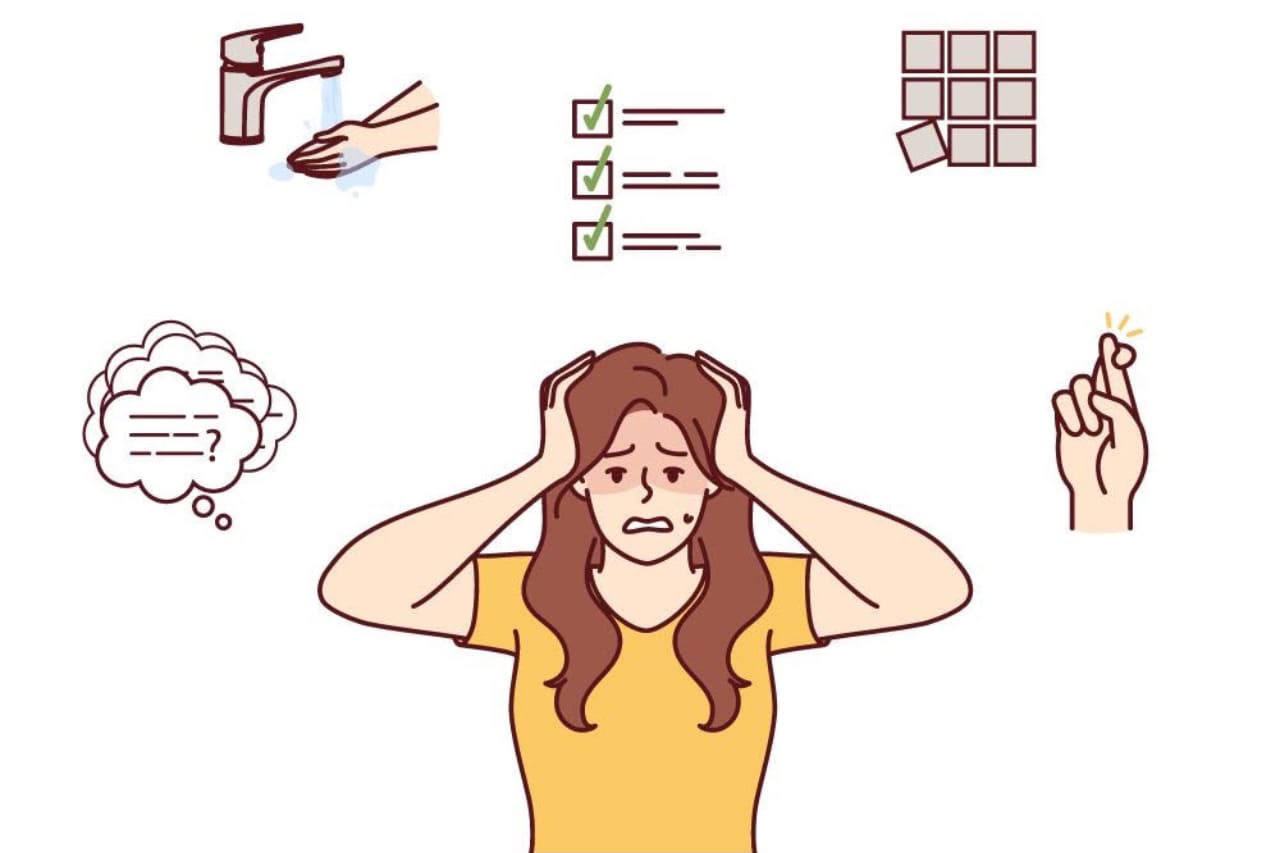
An anxiety attack is usually linked to ongoing stress or worry that builds up over time. It doesn’t always come suddenly, but develops gradually as your thoughts become more overwhelming.
People trying to understand the difference between anxiety and panic attack often notice that anxiety attacks feel more connected to specific concerns or situations. It’s less about sudden panic and more about a rising sense of uneasiness.
Symptoms of An Anxiety Attack
An anxiety attack often builds gradually, with symptoms that start subtly and become more noticeable over time. These signs are usually linked to ongoing stress or worry rather than a sudden surge of fear.
- Persistent worry or overthinking that feels hard to control
- Restlessness or a constant feeling of being on edge
- Difficulty concentrating or staying focused on tasks
- Muscle tension or physical fatigue without a clear reason
- Trouble falling asleep or disturbed sleep patterns
- Slightly increased heart rate that feels manageable
- A gradual build-up of discomfort rather than sudden intensity
What is A Panic Attack?
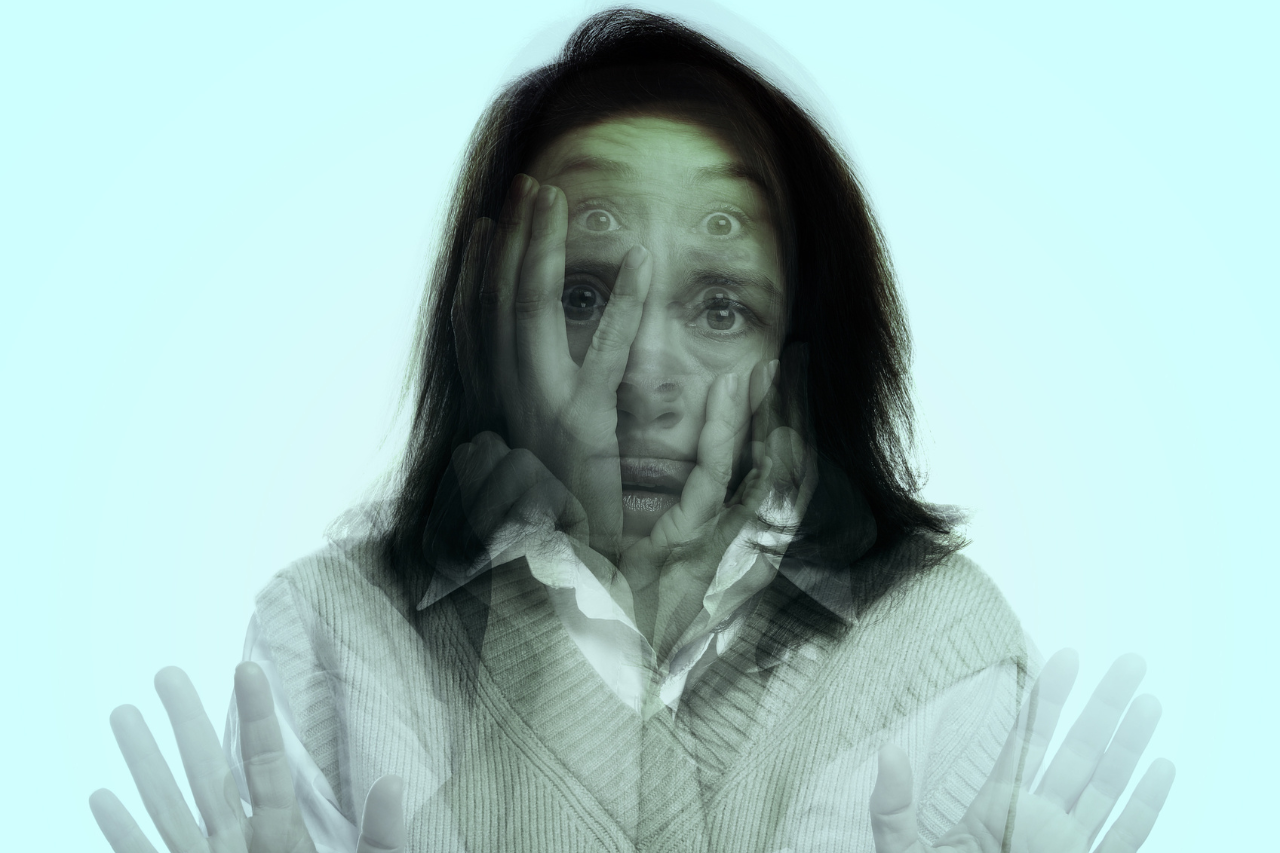
A panic attack is a sudden and intense episode of fear that can feel overwhelming, even without an obvious trigger. It often peaks quickly and can feel much more intense than regular anxiety.
When understanding the difference between panic attack and anxiety attack, panic attacks stand out because they come abruptly and can feel physically alarming, even when there is no real danger.
Symptoms of a Panic Attack
A panic attack is sudden and intense, with panic disorder symptoms that peak quickly and can feel overwhelming in the moment. These signs are usually more physical and alarming, which is a key part of the difference between panic attack and anxiety attack.
- A sudden racing or pounding heartbeat that feels hard to control
- Shortness of breath or a choking sensation that feels scary
- Chest discomfort or tightness that can feel intense
- Sweating, shaking, or chills without any physical exertion
- Dizziness or a feeling like you might faint
- A strong fear of losing control or something going wrong
- Symptoms that peak quickly and feel overwhelming
Difference Between Panic Attack and Anxiety Attack
An anxiety attack usually develops gradually and is often linked to ongoing stress, worry, or overthinking. It builds over time, starting with mild uneasiness and slowly becoming more overwhelming, both mentally and physically.
The symptoms are generally more prolonged and less intense, which is a key part of the difference between anxiety and panic attack. If you’re trying to understand how to tell the difference between anxiety and panic attacks, anxiety tends to feel like a rising wave rather than a sudden hit.
A panic attack, on the other hand, comes on suddenly and reaches its peak within minutes, often without a clear trigger. It feels more intense and is usually accompanied by strong physical symptoms like a racing heart, breathlessness, or dizziness.
This sudden onset and high intensity define the difference between panic attack and anxiety attack, making panic attacks feel more alarming in the moment. Recognizing this pattern can help you better understand how to tell the difference between anxiety and panic attacks in real-life situations.
Causes & Triggers
Both panic and anxiety attacks can have different triggers, and sometimes they overlap. However, their patterns can still help you understand the difference between panic attack and anxiety attack.
Panic Attack
Panic attacks can sometimes occur without a clear trigger, which makes them feel more sudden and unpredictable.
They may also be linked to high stress, phobias, or underlying panic disorders. This unpredictability is an important part of the difference between anxiety and panic attack.
Anxiety Attack
Anxiety attacks are usually triggered by specific stressors such as work pressure, personal issues, or ongoing worries.
They tend to build over time, making it easier to trace back what caused them. This is often how people begin how to tell the difference between anxiety and panic attacks in their own experiences.
Risk Factors for Panic Attacks and Anxiety Attacks
Certain factors can increase the likelihood of experiencing these episodes, though they may differ slightly between the two.
Panic Attack
Risk factors for panic attacks often include a family history of panic or anxiety disorders, major life stress, past trauma, or sudden and significant life changes. These factors can make the body more sensitive to stress responses, even when there is no immediate danger present. In some cases, panic attacks may also develop without a clear trigger, which adds to their unpredictability.
This sudden and intense nature is an important part of the difference between panic attack and anxiety attack, making panic attacks feel more alarming and harder to anticipate.
Anxiety Attack
Risk factors for anxiety attacks are usually linked to ongoing patterns rather than sudden events. Chronic stress, personality traits like overthinking, perfectionism, or constant worry, and long-term exposure to stressful environments can all contribute. Daily pressures related to work, relationships, or responsibilities may gradually build- up over time.
These factors reflect the slower, more continuous pattern seen in the difference between anxiety and panic attack, where symptoms develop and intensify gradually instead of appearing all at once.
What To Do During Panic and Anxiety Attacks
In both panic and anxiety attacks, the main goal is to help your mind and body slowly return to a calmer state. While the intensity may differ, simple and steady actions can make the experience more manageable in the moment.
- Focus on slow, deep breathing to help regulate your heart rate and calm your body
- Try grounding techniques like noticing your surroundings or physical sensations to stay present
- Remind yourself gently that the feeling is temporary and will pass
- Avoid overthinking or questioning the situation in that moment
- Sit down or stay in a comfortable position to feel more stable
- Shift your attention to something calming, like music or a simple activity
- Understanding how to tell the difference between anxiety and panic attacks can help you respond better in real time
Diagnosis of a Panic Attack Vs. Anxiety Attack
A proper diagnosis usually involves understanding your symptoms, triggers, and patterns over time. Mental health professionals may assess whether the episodes are linked to anxiety disorders, panic disorders, or other conditions.
This clarity helps in identifying the exact difference between panic attack and anxiety attack, making treatment more targeted and effective.
Coping Techniques & Prevention Methods
Managing these experiences involves a combination of awareness, coping strategies, and sometimes professional support.
Professional Treatment
Therapy and counselling can help you understand your triggers and thought patterns more clearly. This makes it easier to manage both conditions while understanding the difference between anxiety and panic attack in a structured way.
Home Remedies
Simple techniques like deep breathing, grounding exercises, and relaxation methods can help during an episode. These are especially useful when learning how to tell the difference between anxiety and panic attacks in real time.
Lifestyle Tips
Maintaining a healthy routine, getting enough sleep, reducing caffeine, and staying physically active can lower the chances of frequent attacks. Over time, these habits support better emotional regulation.
How To Help Someone During An Anxiety Attack or a Panic Attack
When someone is going through an anxiety or panic attack, your response can strongly influence how safe and supported they feel. You don’t need to fix everything; just being present in the right way can make a big difference.
- Stay calm, as your energy can help them feel more stable
- Listen patiently without interrupting or judging their experience
- Encourage slow, steady breathing to help regulate their body
- Reassure them gently that the feeling will pass with time
- Avoid saying things like “just relax” or dismissing their emotions
- Stay with them until they begin to feel more settled
- Your support can help them feel grounded while navigating the difference between panic attack and anxiety attack in that moment
Frequently Asked Questions
The difference between panic attack and anxiety attack lies in how they begin and how intense they feel. Anxiety attacks build up gradually and are linked to stress, while panic attacks happen suddenly and feel more intense. Understanding this difference helps you respond more effectively.
The difference between anxiety and panic attack in symptoms is mainly about intensity and onset. Anxiety symptoms develop slowly and are more mental, while panic attack symptoms are sudden and strongly physical. Panic attacks often feel more overwhelming in the moment.
To understand how to tell the difference between anxiety and panic attacks, observe how the experience starts. If it builds gradually with worry, it’s likely anxiety. If it comes suddenly with intense physical symptoms, it may be a panic attack.
Yes, panic attacks usually feel more intense because they peak quickly and involve strong physical symptoms. This intensity is a key part of the difference between panic attack and anxiety attack. Anxiety attacks, while uncomfortable, are generally less sudden.
In some cases, prolonged or unmanaged anxiety can lead to panic attacks. While they are different, they can be connected, which is why understanding the difference between anxiety and panic attack is important for early management.
You should consider professional help if the attacks become frequent, intense, or start affecting your daily life. A mental health professional can help you understand how to tell the difference between anxiety and panic attacks and guide you with the right coping strategies.