Introduction
There are moments when worry doesn’t just stay in your thoughts — it takes over your body too. Your heart races, your breathing feels off, and everything suddenly feels overwhelming. Many people experience this but struggle to explain it, often wondering what is an anxiety attack and why it feels so intense.
Understanding what is an anxiety attack and what causes it can make a big difference. When you know what’s happening, it becomes easier to manage it instead of feeling controlled by it.
What Is An Anxiety Attack
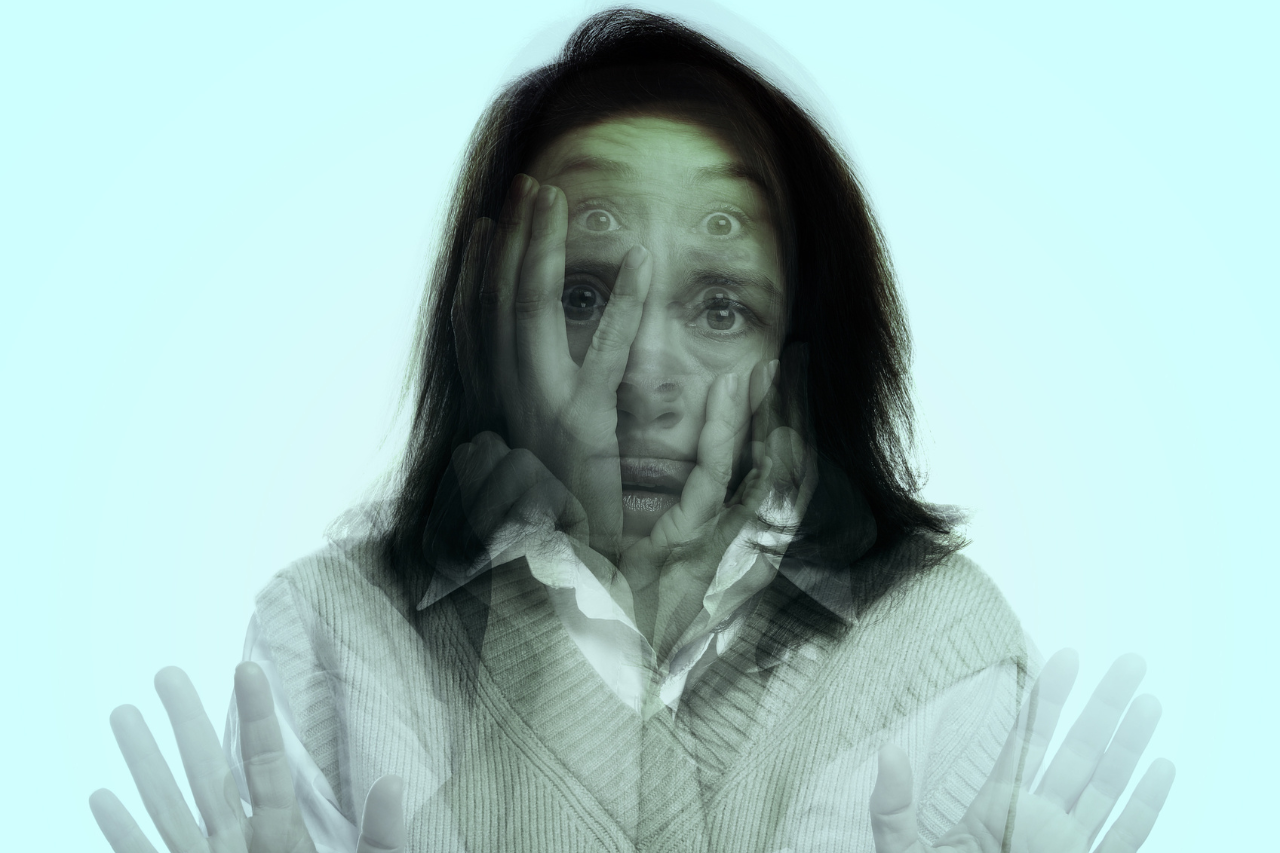
If you’ve ever felt a sudden surge of fear or discomfort without a clear reason, you might have questioned what is an anxiety attack. It is a moment when your mind and body react strongly to stress, even if there is no immediate danger.
People often describe what is an anxiety attack like as a mix of emotional and physical overwhelm. It can feel like losing control, even though it usually passes within some time.
Understanding what is an anxiety attack and how to calm down becomes important because the experience can feel confusing, especially the first few times it happens.
Difference Between Anxiety & Anxiety Attack
Anxiety and anxiety attacks are often used interchangeably, but they are not exactly the same. Knowing the difference helps you better understand what is an anxiety attack and what causes it.
Symptoms of Anxiety
Anxiety is usually ongoing and builds up over time. It can feel like a constant state of worry or uneasiness. Below are the symptoms that can be seen.
- Ongoing feeling of worry or uneasiness
- Restlessness or feeling “on edge”
- Constant overthinking
- Difficulty concentrating
- Trouble sleeping
- Low energy or mental fatigue
Symptoms of an Anxiety Attack
An anxiety attack, on the other hand, is more intense and sudden. It can feel overwhelming in the moment. Below are the symptoms that can be seen.
- Sudden and intense fear or panic
- Rapid or pounding heartbeat
- Shortness of breath
- Sweating or chills
- Dizziness or lightheadedness
- Feeling out of control
Differences In Symptoms of Both
While anxiety feels like a steady build-up, an anxiety attack feels like a sudden wave. Anxiety can last for days or weeks, whereas an attack peaks quickly.
Understanding this difference helps answer what is an anxiety attack and how to calm down, as the approach to managing both can vary.
How Anxiety Attacks Start
Anxiety attacks don’t always come out of nowhere. In many cases, they begin with a small trigger that slowly builds up in the background.
It could start with a stressful thought, an overwhelming situation, or even physical factors like lack of sleep or fatigue. At first, it may just feel like mild uneasiness.
As your thoughts spiral, your body begins to react, your heart rate increases, your breathing changes, and the discomfort intensifies. This gradual build-up is often what turns into what is an anxiety attack in real time.
Why Is It So Difficult To Control Anxiety
One of the hardest parts about anxiety is how quickly it takes over. Even when you know there’s no real danger, your body reacts as if there is.
This is because your brain’s threat response system gets activated. That’s why understanding what is an anxiety attack and what causes it is important; it helps you realize that the reaction is automatic, not a choice.
Also Read in Detail: How to Reduce Anxiety and Stress
Types of Anxiety Disorder
There are different types of anxiety disorders, such as generalized anxiety disorder, social anxiety, panic disorder, and specific phobias. Each type shows up in a different way; some involve constant worry, while others are triggered by specific situations or fears.
For example, social anxiety may appear in public settings, while panic disorder can involve sudden, intense episodes. Even though they differ in patterns and triggers, they can all include moments that help you understand what is an anxiety attack like, as the emotional and physical responses often overlap across these conditions.
Know About: Anxiety Vs Panic Attack
Causes & Triggers of An Anxiety Attack
Anxiety attacks can have multiple causes, and they often differ from person to person based on experiences, lifestyle, and emotional patterns. Common triggers include ongoing stress, major life changes, unresolved fears, excessive caffeine intake, lack of sleep, or past traumatic experiences that the mind hasn’t fully processed. Sometimes, even small everyday situations can build up and lead to an intense reaction.
In many cases, it’s not just one trigger but a combination of factors that creates the overwhelming feeling. Understanding what is an anxiety attack and what causes it can help you become more aware of your personal triggers and patterns, making it easier to manage and respond to them over time.
Things One Should NOT Do During An Anxiety Attack
During an anxiety attack, certain reactions can unintentionally make the experience feel more intense instead of helping it pass.
Avoid trying to fight the feeling too aggressively, as this can increase internal resistance and make your body react even more. Overthinking the situation or questioning “why is this happening” in that moment can also amplify the panic. Similarly, trying to completely suppress or ignore your emotions may cause them to build up further.
These responses often make the experience heavier, especially when you’re going through what is an anxiety attack like, where the body is already in a heightened state. Instead, allowing the feeling to pass gently can be more helpful.
Complications of An Anxiety Attack
If anxiety attacks happen frequently, they can start to affect different areas of your daily life, often in subtle ways at first. You might begin avoiding certain places, situations, or social interactions out of fear that an attack could happen again. Over time, this avoidance can limit your routine, impact your confidence, and make even simple tasks feel overwhelming. It can also affect your sleep, focus, and overall emotional well-being.
In some cases, the fear of having another attack becomes a trigger in itself. This is why understanding what is an anxiety attack and how to calm down becomes important, as early awareness and coping can help prevent these long-term effects.
Coping Techniques During An Anxiety Attack
- Focus on slow, deep breathing to help regulate your heart rate
- Try grounding techniques like noticing 5 things you can see, hear, or feel
- Remind yourself gently that this feeling is temporary and will pass
- Sit or stay in a comfortable position instead of moving around too much
- Avoid overthinking or analyzing the situation in that moment
- If possible, shift your attention to something calming, like music or a simple activity
- These small steps can help when understanding what is an anxiety attack and how to calm down in real time
How To Help Someone If They Are Having An Anxiety Attack
Seeing someone go through an anxiety attack can feel confusing or even overwhelming, but your presence can make a significant difference in that moment. The most important thing is to stay calm yourself, as your energy can influence how safe they feel. Listen to them without judgment, avoid interrupting, and gently encourage slow, steady breathing to help regulate their body’s response.
You don’t need to “fix” the situation; simply being there, offering reassurance, and reminding them that the feeling will pass can be enough. Try not to dismiss their experience or tell them to “calm down,” as it may feel invalidating. Instead, support them with patience and understanding while they go through what is an anxiety attack like, helping them feel less alone and more grounded.
Lifestyle Tips to Prevent Anxiety Attacks
- Maintain a consistent sleep routine to help your mind and body stay balanced
- Focus on balanced nutrition, as what you eat can affect your mood and energy levels
- Engage in regular physical activity to release built-up stress
- Limit caffeine and sugar intake, as they can increase restlessness
- Take small breaks during the day to avoid mental overload
- Practice simple relaxation techniques like deep breathing or mindfulness
- Stay connected with people you trust instead of isolating yourself
- Over time, these habits can help you better understand what is an anxiety attack and what causes it, and reduce its frequency
Role of Professional Help
If anxiety attacks become frequent or overwhelming, seeking professional help is important.
Therapy, counselling, and guided support from mental health professionals can help you better understand what is an anxiety attack and develop healthier coping strategies. You don’t have to manage it alone.
Frequently Asked Questions
An anxiety attack is a sudden surge of intense fear or discomfort that affects both your thoughts and physical state. You may experience symptoms like a racing heart, shortness of breath, and overwhelming worry at the same time. Understanding what is an anxiety attack helps you recognize that both the mind and body are reacting together.
What is an anxiety attack often feels like a sudden wave of panic that comes with physical discomfort and racing thoughts. Early signs can include restlessness, increased heart rate, or a sense of uneasiness. Recognizing these signs early can help you respond before the intensity builds up.
Knowing what is an anxiety attack and how to calm down can make the experience less overwhelming. Simple techniques like slow breathing, grounding exercises, and staying present can help your body settle. With practice, these methods can make it easier to manage the situation in real time.
Everyday triggers like stress, lack of sleep, caffeine, or emotionally overwhelming situations can lead to anxiety attacks. Sometimes, it’s a build-up of small factors rather than one major cause. Understanding what is an anxiety attack and what causes it helps you identify your personal triggers.
An anxiety attack usually peaks within a few minutes, but it can feel much longer while you’re experiencing it. In most cases, the intense symptoms reduce within 20–30 minutes. However, the emotional after-effects may take a bit longer to settle.
Yes, anxiety attacks can sometimes happen without an obvious or immediate reason. This can make the experience feel more confusing or sudden. Knowing what an anxiety attack is like can help you identify patterns even when triggers are not clear.