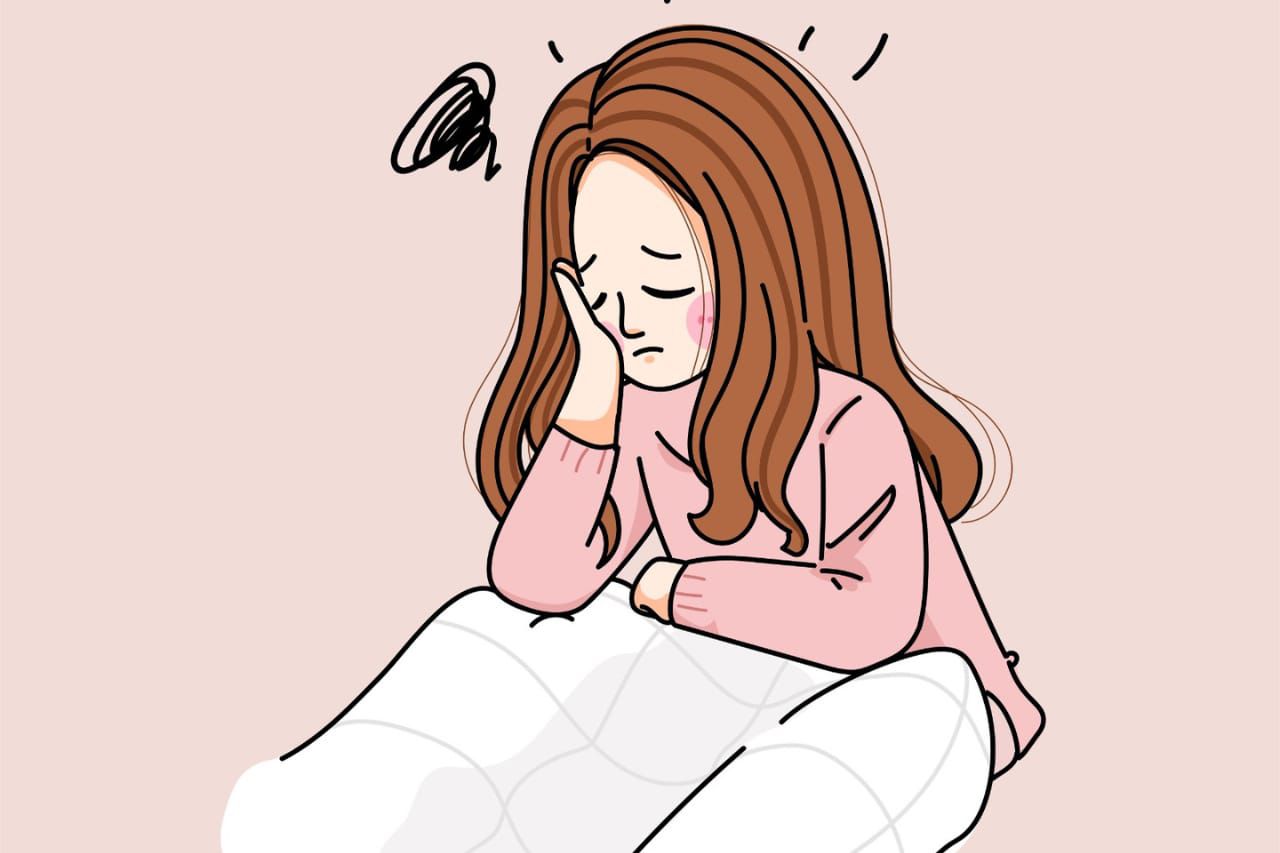
Introduction
Everyone feels low sometimes. A bad day, a breakup, work pressure, or personal struggles can make you feel emotionally drained. But when sadness begins to stay longer than usual, affects your energy, motivation, sleep, and daily life, you may start wondering: how do you know you are depressed?
Depression is more than just “feeling sad.” It can quietly impact the way you think, feel, and function. Understanding the signs early can help you seek support before it starts affecting your overall well-being.
How Do You Feel While Being In Depression?
Depression can show up in different ways for different people. Some people feel emotionally numb, while others experience constant exhaustion, irritability, or hopelessness.
Emotional Symptoms
You may notice:
- Persistent sadness or emptiness
- Feeling hopeless about the future
- Loss of interest in hobbies or things you once enjoyed
- Increased irritability, frustration, or emotional sensitivity
- Feelings of guilt, worthlessness, or self-criticism
Many people asking how do you know if you are depressed often first notice these emotional shifts before anything else.
Physical Changes You May Notice
Depression doesn’t only affect emotions; it can impact the body too. Common physical signs include:
- Constant tiredness or fatigue
- Sleep changes (sleeping too much or too little)
- Appetite changes or weight fluctuations
- Body aches, headaches, or digestive issues without a clear cause
- Low energy even after resting
Changes In Daily Functioning
You may start finding everyday tasks unusually difficult, such as:
- Struggling to focus at work or in studies
- Avoiding social interaction
- Neglecting hygiene or responsibilities
- Difficulty making decisions
- Reduced productivity or motivation
What Can Depression Look Like?
Depression is not always visible. Someone can be smiling, working, attending social events, and still be struggling internally.
For some, depression looks like silence and withdrawal. For others, it may show up as irritability, overworking, emotional numbness, or frequent crying spells. This is why many people ask how do you know that you are in depression even when life seems “normal” from the outside.
What To Do If You Feel Depressed?
If you suspect you may be experiencing depression, start by acknowledging what you’re feeling instead of dismissing it. Emotional pain deserves attention, too.
Talk to someone you trust, maintain a simple daily routine, and consider reaching out to a mental health professional. Early support can make coping easier and prevent symptoms from worsening.
Reasons Of Depression
Depression usually doesn’t have one single cause. It often develops due to a mix of biological, emotional, and environmental factors.
Biological Factors
Certain biological reasons may increase vulnerability to depression:
- Family history of depression or mood disorders
- Brain chemistry imbalances involving serotonin or dopamine
- Hormonal changes
- Chronic health conditions
Life Events & Trauma
Difficult life experiences can contribute significantly, such as:
- Loss of a loved one
- Relationship issues or divorce
- Childhood trauma
- Financial stress
- Academic or career pressure
Environmental & Social Triggers
Your surroundings also influence mental health:
- Isolation or loneliness
- Toxic environments
- Lack of support systems
- Ongoing stress or burnout
This is also why people often wonder how do you know if you are stressed or depressed, since prolonged stress can sometimes trigger major depressive symptoms.
Also Read About: Stages of Depression
Difference Between Sadness And Depression
Sadness is a natural emotional response to a specific situation. It usually comes and goes with time or changes in circumstances.
Depression, however, lasts longer and affects multiple areas of life. It can reduce your ability to function, enjoy things, or feel emotionally connected. If low mood continues for weeks and starts interfering with daily life, it may be more than sadness.
Ways To Avoid Depression
While depression cannot always be prevented, certain habits may reduce the risk:
- Managing stress regularly
- Building strong emotional support systems
- Maintaining healthy sleep routines
- Setting realistic expectations for yourself
- Seeking help early when overwhelmed
Mental health maintenance should be treated like physical health maintenance.
Self-Assessment Questions To Ask Yourself
Ask yourself:
- Have I lost interest in things I usually enjoy?
- Do I feel low most days?
- Am I constantly tired without a reason?
- Have my sleep or eating habits changed significantly?
- Do I feel disconnected from others or myself?
- Am I finding it difficult to manage daily tasks?
Reflecting on these questions can help answer how do you know you are depressed more honestly.
Common Myths About Depression
Many misconceptions around depression often stop people from seeking help or even recognizing what they are going through. One of the most common myths is that depression is simply sadness or a bad mood that will go away with time. In reality, depression is a mental health condition that can affect emotions, thoughts, physical health, and day-to-day functioning for weeks or even months.
Another harmful belief is that people can “snap out of it” if they try hard enough, or that only emotionally weak individuals experience depression. This is not true. Depression can affect anyone, regardless of age, lifestyle, or personality. Some people may continue functioning normally on the outside while struggling internally, which is why visible signs do not always reflect someone’s mental state.
Lifestyle Tips
Small and consistent lifestyle changes can support better emotional well-being and help you feel more mentally balanced over time. While these habits are not a replacement for professional help, they can make everyday coping easier.
- Stay physically active – Even light movement like walking, stretching, or yoga can help improve mood and reduce stress.
- Maintain a sleep schedule – Try sleeping and waking up at similar times every day to regulate your energy and mood.
- Eat balanced meals – Regular, nutritious meals can support better concentration, energy, and emotional stability.
- Spend time outdoors – Fresh air, sunlight, and a change of environment can positively affect mental well-being.
- Reduce excessive screen time – Constant digital exposure can increase mental fatigue and emotional overwhelm.
- Practice mindfulness – Activities like meditation, deep breathing, or simply slowing down can help manage racing thoughts.
- Journal your thoughts – Writing down your feelings can help you process emotions and identify patterns in your mood.
- Stay socially connected – Spending time with supportive people can reduce feelings of isolation.
Ways To Deal With Depression
Dealing with depression often requires patience, consistency, and self-awareness. Helpful ways to manage symptoms include talking openly about your feelings with someone you trust, breaking overwhelming tasks into smaller and more manageable steps, creating gentle daily routines, staying socially connected instead of isolating yourself, and avoiding unhealthy coping patterns such as excessive alcohol use or emotional suppression. Recovery does not always happen in a straight line, and progress may feel slow at times, but small, consistent efforts can support emotional healing over time.
Role Of Family & Friends
The support of family and friends can play a meaningful role in helping someone cope with depression. When a person is struggling emotionally, having people around who listen without judgment and offer reassurance can help reduce feelings of loneliness and isolation. Simple actions such as checking in regularly, spending quality time together, or helping with small daily responsibilities can make a person feel supported and less overwhelmed.
It is also important for loved ones to understand that depression is not something a person can simply “snap out of.” Being patient, avoiding criticism, and creating a safe space where someone feels comfortable expressing their emotions can make a real difference. Sometimes, offering consistent presence, empathy, and encouragement to seek professional support can be more valuable than trying to immediately solve the problem.
What To Do If Someone You Know Is In Depression?
If someone close to you seems depressed:
- Start a gentle conversation
- Listen without dismissing their feelings
- Encourage them to seek professional help
- Avoid saying things like “just stay positive.”
- Stay connected and patient
Support should feel compassionate, not forceful.
Professional Help
If symptoms persist, seeking professional support is important. Mental health professionals can help identify emotional patterns, provide therapy, and guide individuals toward healthier coping mechanisms.
At Proact Minds, mental health services focus on understanding your concerns and emotional well-being, and on building practical coping strategies in a supportive environment.
Frequently Asked Questions
Common signs of depression include persistent sadness, low energy, sleep disturbances, loss of interest in activities, difficulty concentrating, and feelings of hopelessness. These symptoms usually last for weeks and begin affecting daily life.
Yes, stress and depression can feel similar because both may cause fatigue, irritability, difficulty focusing, and emotional exhaustion. However, depression often feels deeper, lasts longer, and affects overall motivation and mood consistently.
Sadness is usually linked to a specific situation and gradually improves with time. Depression tends to be more persistent, affects multiple areas of life, and may continue even without an obvious reason.
Yes, many people may not recognize depression immediately because symptoms can appear gradually. They may mistake it for stress, burnout, tiredness, or simply assume they are “going through a phase.”
Stress is often connected to a clear trigger, such as work, studies, or personal pressure, and may improve once the situation changes. Depression usually feels more constant and impacts emotions, energy, and functioning for a longer period.
If you think you may be depressed, start by acknowledging your feelings instead of ignoring them. Talking to someone you trust and seeking professional mental health support can help you better understand and manage what you’re experiencing.