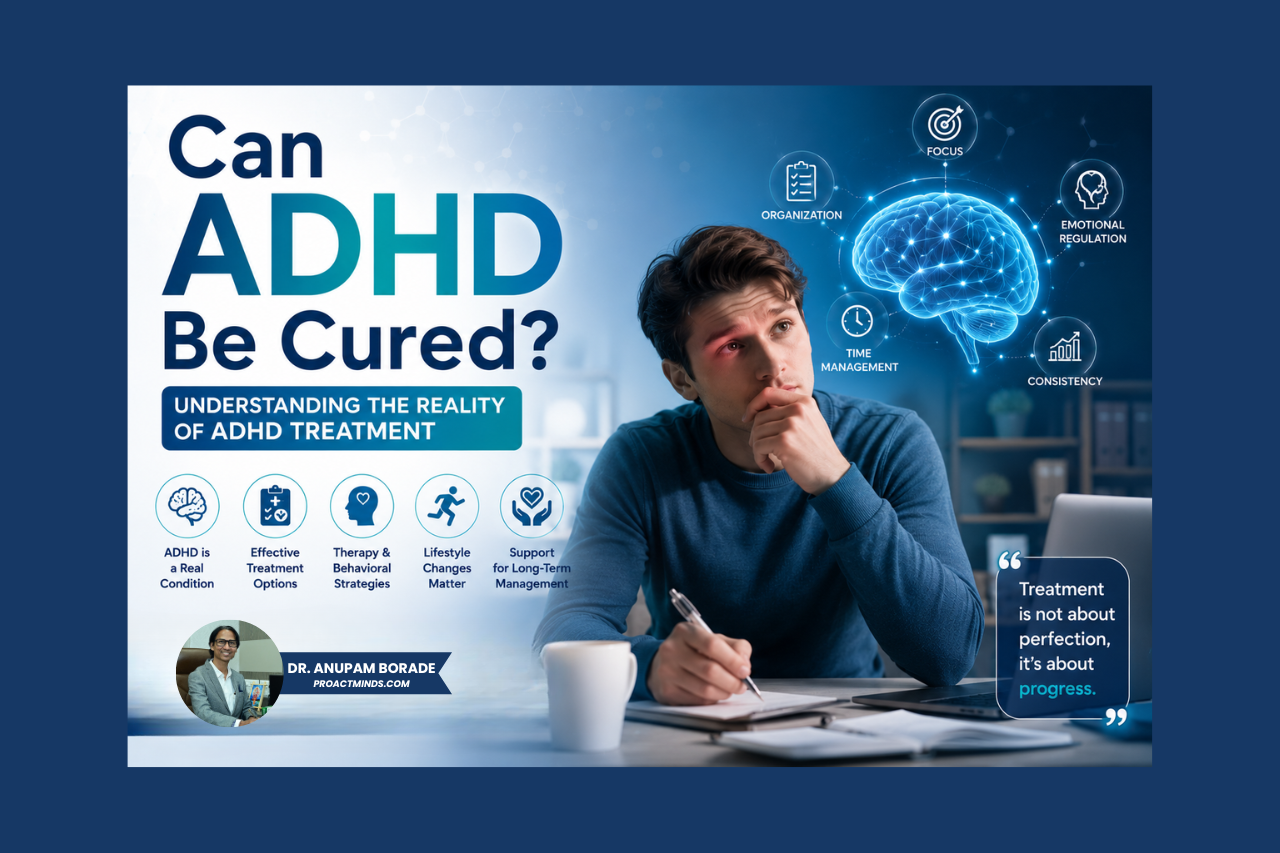
ADHD is one of the most commonly diagnosed neurodevelopmental conditions in children and adults. After receiving a diagnosis, many people naturally ask the same question: can ADHD be cured?
The short answer is that there is currently no medically proven cure for ADHD. However, with the right treatment, support, and coping strategies, many individuals can successfully manage their symptoms and lead productive, fulfilling lives. Research also shows that symptoms may change over time, and some people experience significant improvement as they grow older.
What Is ADHD?
Attention-Deficit/Hyperactivity Disorder (ADHD) is a neurodevelopmental condition that affects attention, impulse control, and activity levels. It usually begins in childhood, although many people continue to experience symptoms into adulthood.
ADHD can impact academic performance, work productivity, relationships, emotional regulation, and daily routines. The severity and presentation of symptoms can vary from person to person.
Common Symptoms of ADHD
- Difficulty Concentrating
People with ADHD often find it hard to stay focused on tasks, conversations, or activities for long periods. They may become easily distracted by their surroundings or thoughts. - Forgetfulness
Forgetting appointments, deadlines, daily responsibilities, or where items were placed is common. This can affect both personal and professional life. - Impulsive Behavior
Individuals may act or speak without thinking through the consequences. This can lead to interruptions during conversations or making quick decisions without careful consideration. - Hyperactivity and Restlessness
Some people experience a constant need to move, fidget, or stay active. In adults, this may appear as inner restlessness rather than obvious physical hyperactivity. - Difficulty Organizing Tasks
Managing schedules, prioritizing responsibilities, and completing tasks in a structured way can be challenging. This often leads to missed deadlines or unfinished work. - Emotional Regulation Challenges
Many individuals with ADHD struggle with frustration, impatience, or mood fluctuations. Small setbacks may sometimes feel more overwhelming than they do for others.
Can ADHD Be Cured?
When discussing whether can ADHD be cured, it’s important to understand how ADHD works. ADHD is considered a long-term neurodevelopmental condition rather than a temporary illness.
At present, there is no scientifically proven treatment that permanently eliminates ADHD. However, symptoms can be effectively managed through a combination of therapies, lifestyle adjustments, education, and, in some cases, medication. Many individuals learn strategies that significantly reduce the impact of ADHD on daily life.
Can ADHD Symptoms Improve Over Time?
Yes, symptoms can improve for some people as they age. Research suggests that certain individuals experience periods of remission or reduced symptom severity during adolescence or adulthood.
However, improvement does not necessarily mean ADHD has been cured. Symptoms may lessen, change, or become easier to manage, while some challenges may still remain.
Why There Is No Single Cure for ADHD
ADHD involves differences in brain development, attention regulation, and executive functioning. Because it is a complex neurodevelopmental condition, there is no one-time treatment that completely removes it.
Instead, ADHD treatment focuses on improving daily functioning, reducing symptoms, and helping individuals develop effective coping skills that support long-term success.
ADHD Is Different for Everyone
Each person’s experience with ADHD is unique. Some individuals struggle primarily with attention, while others face challenges with impulsivity, hyperactivity, emotional regulation, or organization.
As a result, treatment plans are often personalized to address individual needs, strengths, and life circumstances.
How Is ADHD Managed?
Although there is no cure, there are several evidence-based approaches that can help manage ADHD symptoms effectively.
Behavioral Therapy
Behavioral therapy helps individuals identify challenging patterns and develop practical strategies for managing attention, organization, time management, and emotional responses.
It is often recommended for both children and adults as part of a comprehensive treatment plan.
Personalized ADHD Management
There is no one-size-fits-all approach to managing ADHD. What works well for one person may not be as effective for another, which is why individualized support is important.
A combination of professional guidance, behavioral strategies, structured routines, and lifestyle adjustments can help individuals better navigate ADHD symptoms and improve their quality of life.
Lifestyle and Daily Habits
- Quality Sleep: Consistent sleep can help improve focus and emotional regulation.
- Regular Physical Activity: Exercise may support attention, mood, and overall brain health.
- Structured Routines: Predictable schedules can make daily tasks easier to manage.
- Balanced Nutrition: Healthy eating habits help support overall well-being and energy levels.
- Stress Management: Techniques like mindfulness and relaxation can reduce daily stress.
While these habits may not eliminate ADHD, they can contribute to better symptom management and improved quality of life.
Can Meditation Cure ADHD?
A common question people ask is can meditation cure ADHD. While meditation may offer benefits, current scientific evidence does not support meditation as a cure for ADHD.
Meditation and mindfulness practices may help some individuals improve attention, emotional awareness, stress management, and self-regulation. However, they are generally considered supportive tools rather than standalone treatments.
Benefits of Meditation for ADHD
Regular mindfulness practice may help reduce stress, increase self-awareness, and improve the ability to redirect attention. Some people find meditation useful as part of a broader ADHD management plan.
However, meditation should not replace professional assessment, therapy, or medical treatment when those interventions are needed.
When Should You Seek Professional Help?
If symptoms of ADHD are affecting school performance, work responsibilities, relationships, or daily functioning, it may be beneficial to seek professional support.
Early assessment and intervention can help individuals better understand their challenges and access effective treatment strategies tailored to their needs.
Conclusion
If you’re wondering can ADHD be cured, current research indicates that there is no permanent cure available today. However, that does not mean ADHD cannot be managed successfully. With the right combination of professional support, therapy, lifestyle strategies, and education, many individuals learn to navigate their symptoms effectively and achieve their goals.
Similarly, while people often ask can meditation cure ADHD, meditation is best viewed as a supportive practice that may complement a broader treatment plan rather than replace it. The focus should be on long-term management, self-understanding, and building practical skills that improve quality of life.
Frequently Asked Questions
No, there is currently no permanent cure for ADHD. However, symptoms can often be managed effectively with treatment and support.
Some people experience reduced symptoms as they grow older, but this does not necessarily mean ADHD has completely disappeared.
No, current evidence does not show that meditation can cure ADHD. It may help improve focus, mindfulness, and emotional regulation as part of a broader treatment plan.
Treatment often includes behavioral therapy, lifestyle changes, education, and, when appropriate, medication. The best approach varies for each individual.
Yes. With proper support and management strategies, adults with ADHD can thrive in their careers, relationships, and personal goals.
ADHD is classified as a neurodevelopmental disorder, meaning it is related to brain development and functioning rather than a temporary mental health condition.