Bed wetting is often associated with children, but it can affect adults, too. Waking up to an unexpected nighttime accident can feel embarrassing, frustrating, and even confusing. However, adult bed wetting is more common than many people realize, and in most cases, it points to an underlying physical or psychological condition that deserves attention.
Understanding the causes of bed wetting in adults is the first step toward finding the right treatment. Whether you’ve recently started experiencing bed wetting at 40 years old or have been dealing with it for some time, identifying the root cause can help you learn how to stop bed wetting in adults and regain confidence.
What Is Adult Bed Wetting (Nocturnal Enuresis)?
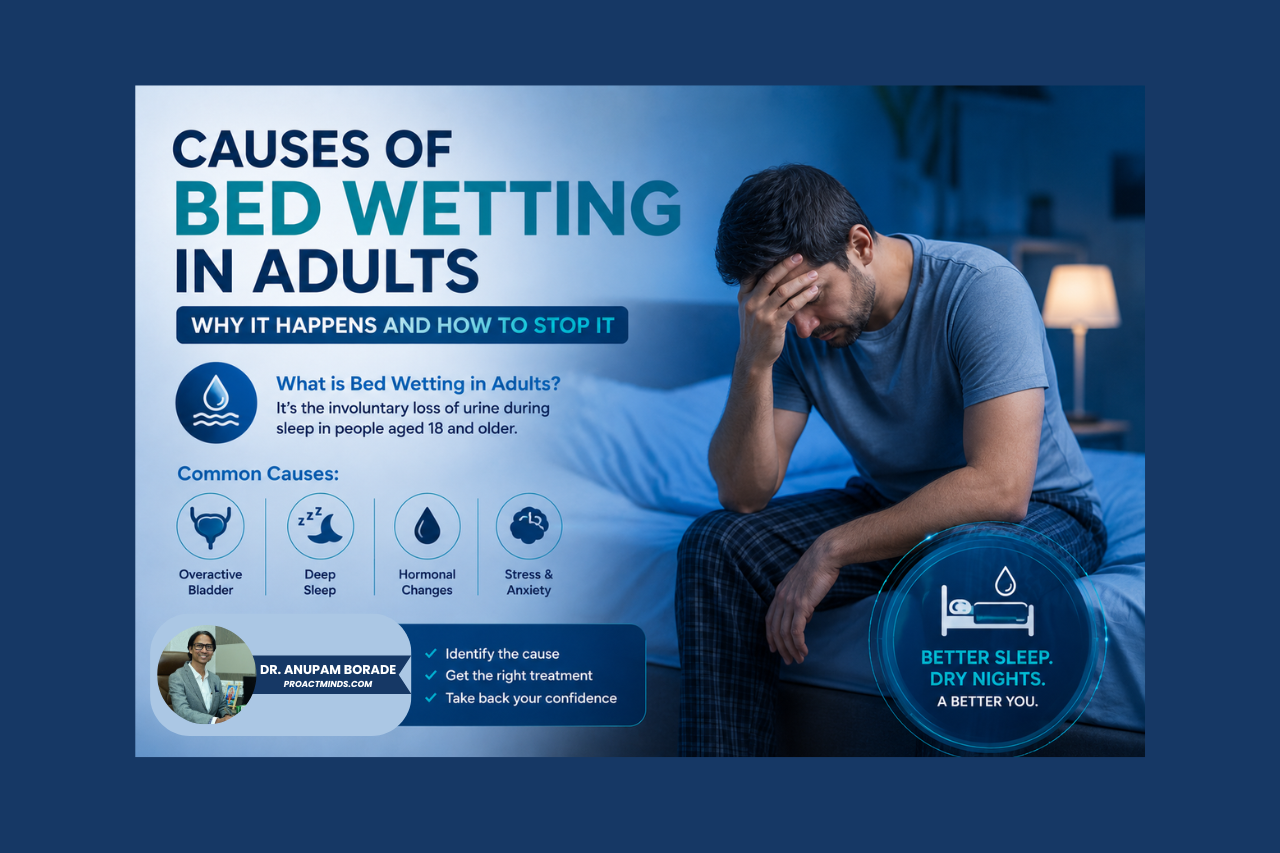
Adult bed wetting, medically known as nocturnal enuresis, refers to the involuntary release of urine during sleep. While occasional episodes may not always be a cause for concern, frequent occurrences should never be ignored, as they may indicate an underlying health issue.
Primary vs Secondary Enuresis
Primary enuresis occurs when a person has never achieved consistent nighttime bladder control since childhood. Secondary enuresis develops after months or even years of dry nights and is more common among adults. Secondary enuresis is often linked to medical conditions, emotional stress, or lifestyle changes, making it important to identify the underlying trigger.
How Common Is It in Adults?
Although many people hesitate to discuss it, adult bed wetting affects millions worldwide. It can occur at any age, including bed wetting at 40 years old, and may become more noticeable due to changes in health, hormones, or bladder function. Seeking professional guidance early can help prevent the condition from affecting daily life and emotional well-being.
Causes of Bed Wetting in Adults
There isn’t a single explanation for adult bed wetting. The condition can develop because of physical illnesses, neurological disorders, emotional challenges, or everyday habits that interfere with bladder control during sleep.
Medical Causes (UTI, Diabetes, Overactive Bladder)
Several medical conditions are among the most common causes of bed wetting in adults. Urinary tract infections may irritate the bladder, increasing the urge to urinate. Diabetes can lead to excessive urine production, especially if blood sugar levels remain uncontrolled. An overactive bladder may cause sudden contractions that become difficult to control while sleeping.
Neurological Causes (Stroke, MS, Nerve Damage)
The brain and bladder communicate constantly to control urination. Conditions such as stroke, multiple sclerosis, spinal cord injuries, or nerve damage can interrupt these signals. When communication between the brain and bladder is affected, nighttime bladder control may become difficult, resulting in bed wetting episodes.
Sleep Disorders (Sleep Apnea)
People with obstructive sleep apnea often experience disrupted breathing during sleep. This condition can increase pressure on the bladder and alter hormone levels responsible for urine production. As a result, sleep apnea is considered one of the overlooked causes of bed wetting in adults and should be evaluated if accompanied by loud snoring or daytime fatigue.
Psychological Causes (Stress, Anxiety, Trauma)
Mental health plays a significant role in physical health. High levels of stress, anxiety, depression, or unresolved trauma can affect bladder function and sleep quality. Emotional distress may trigger or worsen adult bed wetting, making psychological support an important part of treatment for some individuals.
Lifestyle Triggers (Alcohol, Caffeine, Fluid Timing, Medications)
Daily habits can also contribute to nighttime accidents. Consuming alcohol or caffeine before bedtime may increase urine production and reduce bladder control. Drinking large amounts of fluids late in the evening or taking certain medications, such as diuretics, may also increase the likelihood of bed wetting during sleep.
Bed Wetting at 40 Years Old – Is It Different?
Experiencing bed wetting at 40 years old can feel unexpected, but it should not be dismissed as a normal part of ageing. Changes in hormones, bladder function, or underlying medical conditions often become more noticeable during this stage of life.
Hormonal Changes and Bladder Capacity
As people age, the body may produce lower levels of antidiuretic hormone, which helps reduce urine production during the night. At the same time, bladder capacity may decrease, increasing the chances of nighttime urination and accidental leakage.
Prostate-Related Causes in Men
For men, bed wetting at 40 years old may sometimes be linked to prostate enlargement or prostate-related conditions. A swollen prostate can interfere with normal urine flow and bladder emptying, increasing the risk of nighttime accidents. Early evaluation can help identify the cause and prevent complications.
Menopause-Related Causes in Women
Hormonal fluctuations during perimenopause and menopause can weaken pelvic muscles and affect bladder control. Lower estrogen levels may contribute to urinary urgency and leakage, making nighttime accidents more common in some women entering their 40s and beyond.
When to See a Doctor
While occasional bed wetting may happen, persistent episodes should always be assessed by a healthcare professional. Early diagnosis helps identify the underlying cause and improves treatment outcomes.
Warning Signs You Shouldn’t Ignore
Seek medical attention if bed wetting starts suddenly, becomes frequent, or is accompanied by pain, burning during urination, blood in the urine, unexplained weight loss, excessive thirst, numbness, or weakness. These symptoms may indicate medical conditions requiring prompt treatment.
How to Stop Bed Wetting in Adults
Learning how to stop bed wetting in adults starts with identifying the underlying cause. Treatment plans often combine medical care, behavioural techniques, and healthy lifestyle changes to improve bladder control over time.
Bladder Training Techniques
Bladder training helps increase bladder capacity and improve control. This may involve scheduled bathroom visits, gradually increasing the time between urination, and maintaining
a bladder diary to identify patterns. These methods can be effective for people looking for how to stop bed wetting in adults naturally.
Pelvic Floor Exercises
Pelvic floor exercises strengthen the muscles that support the bladder and urinary system. Regular practice improves bladder control and reduces urine leakage, particularly in individuals experiencing weakness due to ageing, childbirth, or hormonal changes.
Treating the Underlying Cause
The most effective way to understand how to stop bed wetting in adults is by treating the condition responsible for it. This may include managing diabetes, treating infections, addressing sleep apnea, adjusting medications, or seeking therapy for stress and anxiety. A personalised treatment plan offers the best long-term results.
Lifestyle Tips to Prevent Nighttime Accidents
Small daily adjustments can make a significant difference in reducing nighttime bed wetting episodes. Consistency is key when building healthier bladder habits.
Fluid & Diet Adjustments
Reduce caffeine and alcohol intake, particularly during the evening. Avoid drinking excessive fluids close to bedtime while staying adequately hydrated throughout the day. Maintaining a balanced diet and healthy weight can also support better bladder function.
Bedtime Routine Changes
Developing a consistent bedtime routine can help reduce accidents. Empty your bladder before sleeping, avoid heavy late-night meals, and create healthy sleep habits. If symptoms continue despite these changes, consult a healthcare professional to explore additional treatment options.
Living with adult bed wetting can be emotionally challenging, but it is a treatable condition. Understanding the causes of bed wetting in adults, recognising why bed wetting at 40 years old may occur, and learning how to stop bed wetting in adults can help you take the right steps toward recovery. If stress, anxiety, or emotional concerns are contributing to the condition, seeking support from experienced mental health professionals can help you address both the psychological and physical aspects of your well-being.
Frequently Asked Questions
Occasional episodes can happen, but frequent bed wetting at 40 years old is not considered normal. It is often linked to an underlying medical, neurological, or psychological condition that should be evaluated.
Yes. Chronic stress, anxiety, and emotional trauma can interfere with bladder control and sleep patterns, making bed wetting more likely in some adults.
Sometimes it may resolve if it is caused by temporary factors such as stress or certain medications. However, persistent symptoms require medical evaluation to identify and treat the underlying cause.
Not always, but it can sometimes indicate conditions such as diabetes, urinary tract infections, sleep apnea, neurological disorders, or bladder dysfunction. Consulting a healthcare professional is the best way to determine the exact cause.