Technology has become an essential part of our everyday lives. Whether it’s for work, education, entertainment, or staying connected with loved ones, screens are almost impossible to avoid. However, when digital devices begin consuming a large part of our day, they can affect our focus, productivity, sleep, and overall well-being.
Many people don’t realise how much screen time they accumulate until they check their device usage. Understanding how to reduce screen time and build healthier digital habits can help improve both physical and mental health while creating a better balance between online and offline life.
What Is Screen Time?
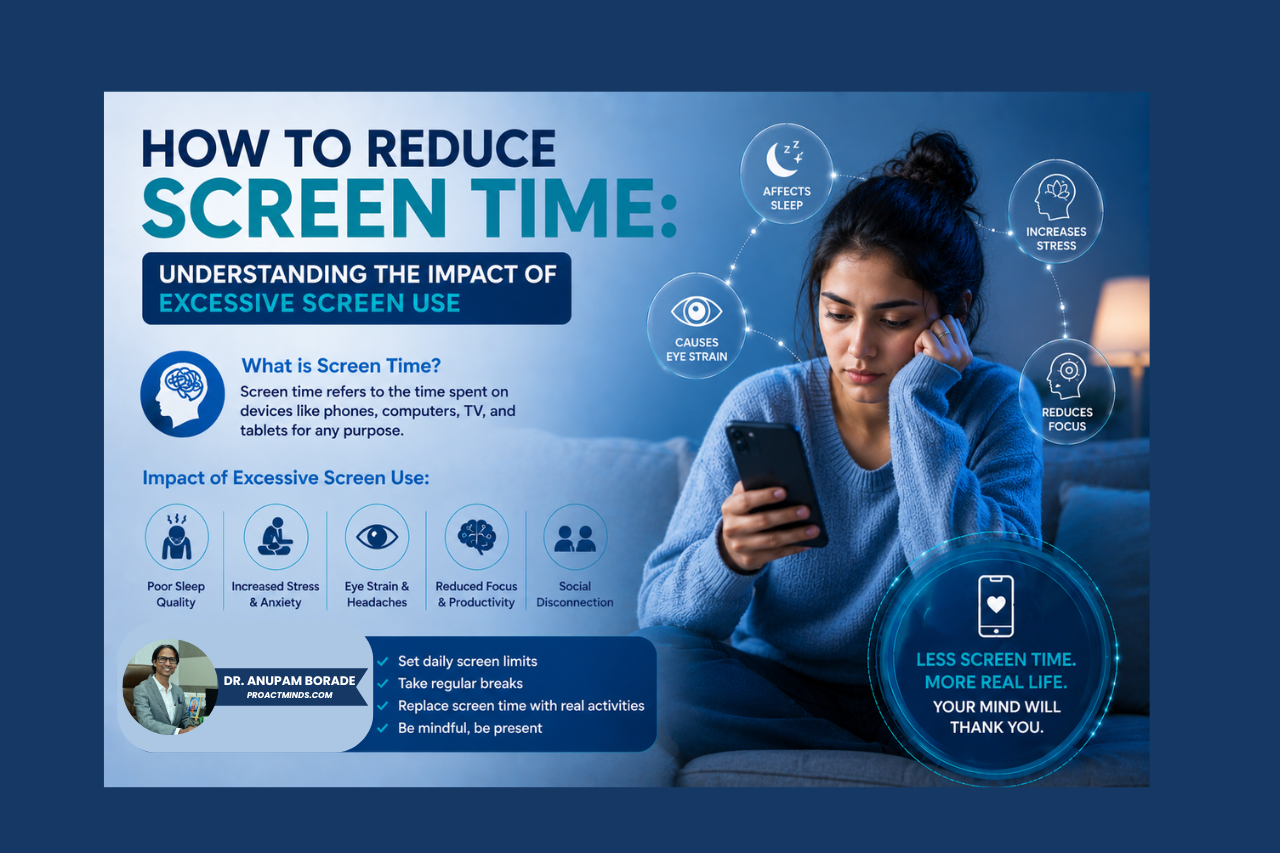
Screen time refers to the amount of time spent using digital devices such as smartphones, tablets, computers, televisions, and gaming consoles. While technology offers many benefits, excessive use without regular breaks can affect concentration, emotional well-being, and daily routines.
Today, many individuals spend several hours each day on screens without noticing how quickly the time adds up. This makes it important to become aware of digital habits and understand when screen use begins affecting daily life.
Why Is Screen Time Becoming a Concern?
The growing use of smartphones and digital platforms has made excessive screen time increasingly common. Whether it’s scrolling through social media, attending online meetings, streaming videos, or responding to messages, people remain connected almost constantly.
Over time, excessive digital exposure can affect productivity, sleep quality, attention span, and overall well-being, making it important to learn how to reduce screen time effectively.
Common Signs of Excessive Screen Time
The effects of excessive screen time can appear gradually and may be overlooked until they begin interfering with everyday life.
Difficulty Staying Focused
Spending long hours switching between apps, notifications, and digital content can make it harder to concentrate on work, studies, or conversations.
Frequently Checking Your Phone
Many people instinctively unlock their phones without a clear reason. Constantly checking notifications or social media may indicate an unhealthy digital habit.
Trouble Managing Daily Activities
When screen time becomes excessive, responsibilities such as household tasks, studies, or work may begin taking longer to complete because of frequent digital distractions.
Feeling Mentally Exhausted
Continuous exposure to digital information can leave the brain feeling overwhelmed, making it difficult to relax or stay mentally refreshed.
Difficulty Disconnecting
Many individuals intend to spend only a few minutes online but continue browsing much longer than planned. This can make reducing screen time feel challenging.
Sleep Disturbances
Using digital devices late at night may interfere with sleep quality, leaving people feeling tired and less productive the next day.
Understanding Your Screen Time
Many smartphones now provide detailed reports showing ‘my screen time’, helping users understand how much time they spend on different apps and activities.
Checking your screen time regularly creates awareness and helps identify habits that may need improvement. Often, people are surprised to discover how much time is spent on social media, streaming platforms, or messaging apps each day.
Why Monitoring Screen Time Matters
Tracking my screen time helps individuals recognise usage patterns and understand which activities consume most of their attention. This awareness is often the first step toward developing healthier digital habits.
Small Changes Can Make a Big Difference
Once people become aware of their daily usage, they can gradually reduce unnecessary screen exposure by setting app limits, taking regular breaks, and spending more time on offline activities.
How to Reduce Screen Time
Many people wonder how to reduce screen time without completely avoiding technology. The goal isn’t to stop using devices but to create a healthier relationship with them.
Create Screen-Free Time
Designate specific times during the day when digital devices are kept away, such as during meals, before bedtime, or while spending time with family.
Prioritise Offline Activities
Reading, exercising, pursuing hobbies, or spending time outdoors can naturally reduce screen time while supporting overall mental well-being.
Turn Off Unnecessary Notifications
Reducing notifications limits distractions and helps individuals use their phones more intentionally rather than checking them out of habit.
Set Daily Usage Goals
Gradually reducing digital use instead of making drastic changes is often more sustainable. Small improvements over time lead to healthier habits.
How to Reset Screen Time
Many people search for how to reset screen time because they want to regain control over their digital habits. Resetting screen time isn’t just about changing device settings; it’s about building routines that encourage mindful technology use.
Review Your Usage Regularly
Checking weekly reports helps identify which apps consume the most time and where meaningful changes can be made.
Remove Digital Distractions
Deleting unnecessary apps, limiting social media usage, or moving distracting apps away from the home screen can reduce mobile phone addiction.
Build Consistent Daily Routines
Creating routines that include work, exercise, hobbies, and regular breaks helps reduce dependence on digital devices while improving overall productivity.
How to Reduce Screen Time on Phone
Many people specifically want to know how to reduce screen time on phone, as smartphones are often the biggest source of digital distractions.
Use Built-In Screen Time Tools
Most smartphones include features that allow users to monitor usage, set app limits, and receive reminders when daily limits are reached.
Keep Your Phone Away During Important Tasks
Keeping your phone in another room while working, studying, or relaxing reduces the temptation to check notifications constantly.
Replace Scrolling with Meaningful Activities
Instead of automatically reaching for your phone, consider reading, journaling, exercising, or spending quality time with loved ones. Replacing habits is often more effective than simply trying to stop them.
Conclusion
Technology plays an important role in modern life, but maintaining a healthy balance is equally important. Learning how to reduce screen time, regularly reviewing my screen time, understanding how to reset screen time, and discovering how to reduce screen time on phone are practical steps toward improving focus, productivity, and overall well-being.
If excessive screen time is affecting your daily life, mental health, or relationships, seeking professional guidance can help you build healthier digital habits and regain balance. At Proact Minds, experienced mental health professionals provide personalised support to help individuals develop healthier routines, improve emotional well-being, and create a more balanced relationship with technology.
Frequently Asked Questions
Screen time refers to the amount of time spent using digital devices such as smartphones, computers, tablets, televisions, and gaming consoles.
Learning how to reduce screen time involves setting daily limits, creating screen-free periods, turning off unnecessary notifications, and replacing digital activities with offline hobbies.
Reviewing my screen time helps you understand your digital habits, identify excessive usage, and make healthier lifestyle changes.
If you're wondering how to reset screen time, start by reviewing your usage, removing distractions, setting realistic goals, and creating structured routines that encourage balanced technology use.
To learn how to reduce screen time on phone, use built-in screen time tools, disable unnecessary notifications, keep your phone away during focused tasks, and engage in offline activities that support your well-being.