Have you ever had a thought pop into your mind that felt completely unwanted, disturbing, or out of character? You may have tried to push it away, only to find it coming back even more strongly.
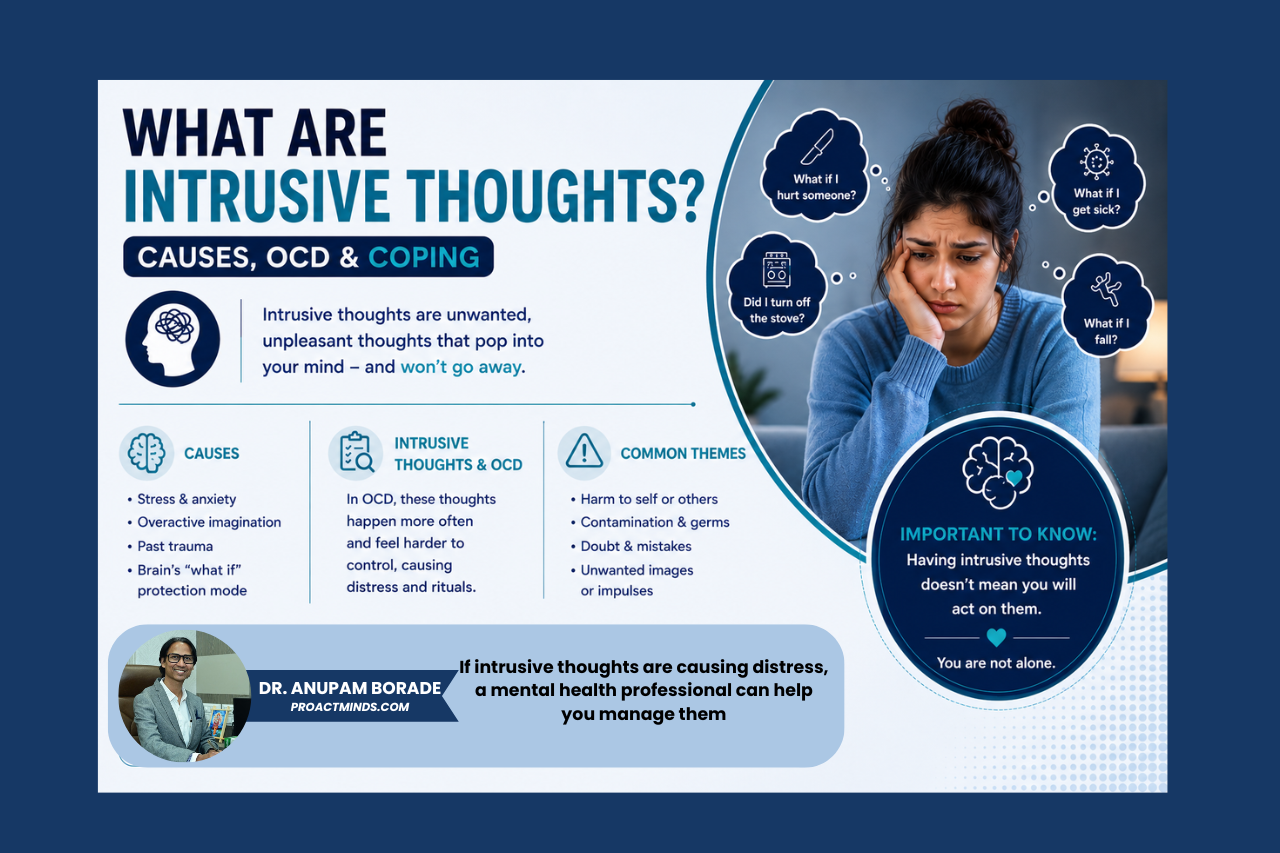
These are known as intrusive thoughts. They are unwanted thoughts, images or urges that can appear suddenly and cause distress. Having an intrusive thought does not mean you agree with it, want it to happen or will act on it.
What Are OCD Intrusive Thoughts?
Intrusive thoughts can happen to anyone, but they can become particularly distressing when they are part of obsessive-compulsive disorder (OCD). In OCD, unwanted thoughts may become repetitive and create intense anxiety or doubt.
How OCD Can Be Connected to Intrusive Thoughts
For someone with OCD, an intrusive thought may feel especially important or threatening. Instead of allowing the thought to pass, they may become stuck analysing what it means or trying to make sure it will not come true.
This can create a cycle where the thought causes anxiety, the person tries to neutralise it, and the temporary relief makes the cycle more likely to continue.
Examples of OCD Intrusive Thoughts
OCD intrusive thoughts can take many forms. Someone may experience unwanted thoughts about contamination, harming themselves or someone else, making a mistake, losing control, relationships, morality, or something terrible happening.
The important part is not the specific thought but how unwanted, repetitive and distressing it feels. Intrusive thoughts can be completely inconsistent with a person’s values and personality.
Intrusive Thoughts vs. OCD
Having intrusive thoughts does not automatically mean you have OCD. Almost everyone experiences unwanted or strange thoughts occasionally.
OCD involves a broader pattern where obsessions and, in many cases, compulsions cause significant distress or interfere with everyday life. A professional assessment can help distinguish occasional intrusive thoughts from OCD.
What Causes Intrusive Thoughts?
There is no single reason why intrusive thoughts happen. The brain naturally produces countless thoughts every day, and some can be strange, uncomfortable, or completely random.
For some people, stress, anxiety, or certain mental health conditions can make unwanted thoughts feel more frequent or difficult to ignore.
Stress and Anxiety
When you are stressed or anxious, your mind can become more alert to potential threats. This can make unwanted thoughts feel louder and more urgent.
You may find yourself repeatedly checking whether a thought means something or worrying about why it appeared in the first place. Ironically, the more frightening the thought feels, the more attention your brain may give it.
Mental Health Conditions
Intrusive thoughts can occur alongside several mental health conditions, including OCD and anxiety disorders. They may also appear during periods of high emotional stress.
However, experiencing an intrusive thought by itself does not indicate a mental health disorder. What matters is the frequency, intensity, distress, and impact on your daily life.
Why Trying to Suppress a Thought May Not Help
When a thought feels disturbing, the natural reaction is often, “I need to stop thinking about this.”
Unfortunately, constantly trying to force a thought out of your mind can sometimes make you more aware of it. The brain keeps checking whether the thought is still there, which can accidentally keep it active.
Learning to notice a thought without treating it as an emergency can be more helpful than constantly fighting against it.
How to Control Intrusive Thoughts
Learning how to control intrusive thoughts does not necessarily mean making every unwanted thought disappear.
A more useful goal is to change how you respond to the thought so that it becomes less powerful and less disruptive.
Notice the Thought Without Judging It
When an intrusive thought appears, try noticing it without immediately analysing or judging yourself for having it.
You can mentally acknowledge, “That is an unwanted thought,” and allow it to be there without trying to prove or disprove it.
The thought appearing in your mind does not make it a fact.
Avoid Giving the Thought More Power
Repeatedly asking yourself, “Why did I think that?” or “What if this actually happens?” can keep you trapped in the thought.
Instead, try to avoid treating every thought as something that needs an answer. Some thoughts are simply thoughts, and they do not require investigation.
Use Healthy Coping Strategies
Simple habits such as regular sleep, physical activity, relaxation techniques, and maintaining a healthy routine can help you manage stress and emotional overwhelm.
Mindfulness can also help you observe thoughts without immediately reacting to them. These strategies may support your wellbeing, but they are not a substitute for professional treatment when intrusive thoughts are causing significant distress.
When Professional Support Can Help
If intrusive thoughts are becoming frequent, overwhelming or difficult to manage, professional support can help you understand what is happening.
Therapies such as cognitive behavioural therapy and exposure and response prevention are commonly used for OCD-related symptoms. A mental health professional can help determine what approach is appropriate for you.
Intrusive Thoughts and Compulsions
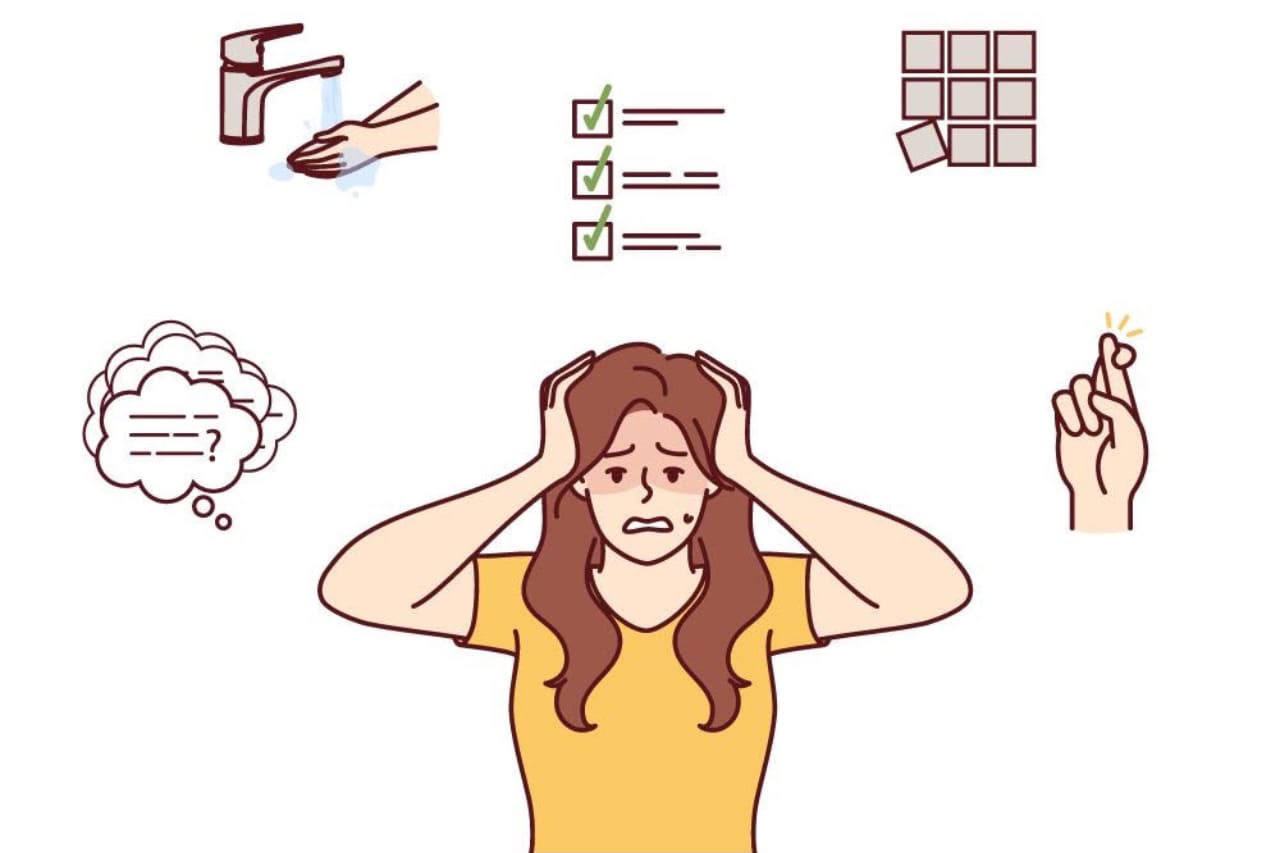
Intrusive thoughts can sometimes trigger behaviours or mental rituals intended to reduce the anxiety they create.
This is particularly relevant in OCD, where compulsions can become part of a repeating cycle of unwanted thoughts, anxiety and temporary relief.
What Are Compulsions?
Compulsions are repetitive behaviours or mental acts that a person feels driven to perform in response to anxiety or an obsession.
They may include checking, cleaning, seeking reassurance, repeating actions or mentally reviewing situations. The behaviour may provide temporary relief, but the anxiety can return later.
How Intrusive Thoughts Can Lead to Compulsions
Imagine having the thought, “What if I accidentally left the door unlocked?”
You check it once. Then again. Then perhaps several more times because you still do not feel completely certain. The checking temporarily reduces anxiety, but your brain may learn that checking is the way to feel safe.
This can make the cycle increasingly difficult to break.
When Does This Pattern Need Professional Attention?
The pattern becomes concerning when intrusive thoughts and compulsions start taking up significant time or interfering with everyday life.
If you find yourself repeatedly checking, seeking reassurance, avoiding situations or performing mental rituals because of unwanted thoughts, professional support may be helpful.
When Should You Seek Help for Intrusive Thoughts?
Not every intrusive thought requires professional treatment. Sometimes an unwanted thought appears, feels strange, and disappears just as quickly.
However, if the thoughts are persistent, highly distressing, or affecting the way you live, it may be time to talk to someone.
Signs That Intrusive Thoughts May Need Professional Support
Consider seeking professional support if intrusive thoughts are interfering with your sleep, relationships, studies, work or ability to enjoy everyday activities.
It may also help if you spend a lot of time trying to suppress thoughts, seeking reassurance, avoiding situations or performing compulsions to feel less anxious.
What to Expect From a Mental Health Assessment
A mental health professional may ask about the thoughts you experience, how often they occur, how distressing they feel, and what you do in response.
You do not need to feel embarrassed about the content of intrusive thoughts. Mental health professionals understand that unwanted thoughts can be disturbing precisely because they do not reflect what a person actually wants.
Intrusive Thoughts vs. Intentions
One of the most frightening things about intrusive thoughts is how easily they can be misunderstood.
A person may think, “Why would my brain even come up with that?” or “Does having this thought mean something about me?” The answer is usually much simpler than the fear suggests.
Does Having an Intrusive Thought Mean You Want It to Happen?
No. Having an intrusive thought does not mean you want the thought to happen or intend to act on it.
In fact, intrusive thoughts are often upsetting precisely because they go against a person’s values, wishes, or sense of who they are.
A thought is a mental event, not a prediction, decision or intention.
Why Intrusive Thoughts Can Feel So Real
An intrusive thought can feel incredibly vivid, especially when it triggers fear or anxiety. Your emotional response may make the thought seem more significant than it actually is.
The mind can mistake “this feels scary” for “this must be important.” Learning to separate the emotional reaction from the meaning you give the thought can be an important part of managing intrusive thoughts.
Also Read: How To Stop OCD Thought Naturally
How ProactMinds Can Help With Intrusive Thoughts
Living with unwanted thoughts can be exhausting, particularly when you feel like you have to constantly monitor your own mind.
Professional support can help you understand the difference between having a thought and becoming trapped in a cycle of fear, avoidance or compulsions.
Professional Support
At ProactMinds, mental health professionals can help individuals dealing with intrusive thoughts, anxiety, and OCD-related concerns.
Support can focus on understanding the patterns behind distressing thoughts and developing healthier ways to respond to them rather than constantly trying to eliminate them.
When to Consider an Assessment
An assessment may be useful when intrusive thoughts are frequent, distressing or interfering with your everyday functioning.
You do not need to wait until the thoughts become unbearable. Getting professional guidance early can help you understand your experiences and explore suitable support.
What Happens During an Initial Consultation?
An initial consultation typically involves discussing what you have been experiencing, how long it has been happening, and how it affects your everyday life.
You can also talk about any compulsions, avoidance behaviours or anxiety that may be connected to the thoughts. The aim is to understand the bigger picture and identify what kind of support may be appropriate.
Frequently Asked Questions
Intrusive thoughts are unwanted thoughts, images, or urges that appear in your mind without intention. They can be strange, frightening, or completely out of character, but having them does not mean you agree with them or want them to happen.
OCD intrusive thoughts are unwanted, recurring thoughts or images that can become part of the obsessive-compulsive cycle. They may create significant anxiety and lead a person to perform compulsions or seek reassurance to feel safer.
Learning how to control intrusive thoughts is less about forcing them to disappear and more about changing your response to them. Not judging the thought, avoiding repeated reassurance or analysis, using healthy coping strategies, and seeking professional support when needed can help.
Intrusive thoughts can become repetitive when you give them a lot of attention, fear them or repeatedly try to suppress them. Stress, anxiety and conditions such as OCD can also make unwanted thoughts feel more persistent.
Consider professional support when intrusive thoughts are frequent, highly distressing, or interfering with your sleep, relationships, work, studies, or daily activities. If they are leading to repeated compulsions or avoidance, an assessment may also be helpful.