Introduction
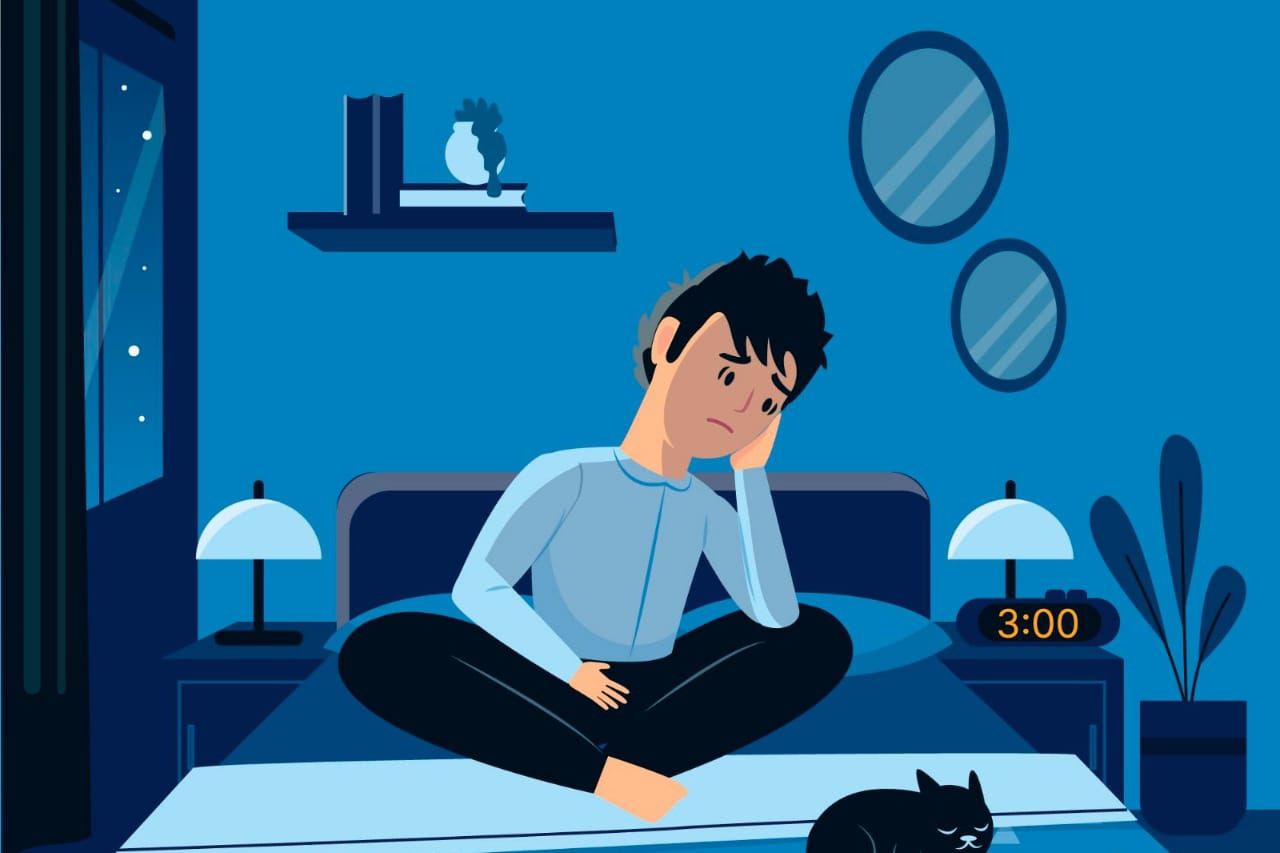
The world goes quiet at night, but your mind doesn’t. Just when your head hits the pillow, thoughts begin to race. Conversations replay. Future worries appear. Tiny problems feel enormous.
If you’ve been searching for how to stop overthinking at night, you’re not alone. Many people struggle with how to stop overthinking at night time, especially when the lights go off, and distractions fade. And if you’re wondering how to stop overthinking at night when trying to sleep, this guide will gently walk you through it.
What is Overthinking
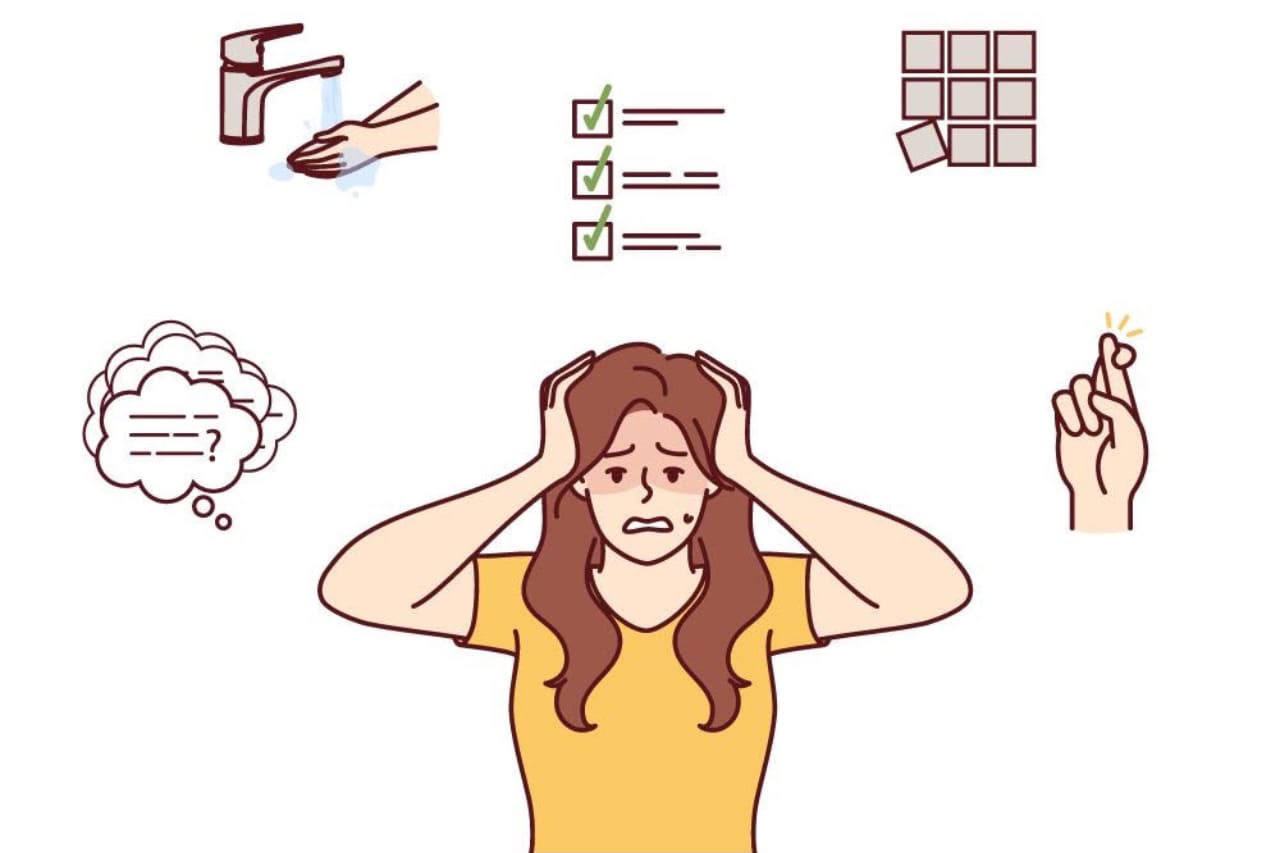
Overthinking is when your mind loops on the same thoughts repeatedly, analysing, predicting, worrying, or replaying situations without reaching resolution.
At night, this mental replay intensifies. You’re not solving problems. You’re mentally circling them. That’s why learning how to stop overthinking at night becomes essential for both sleep and emotional balance.
Causes of Overthinking at Night
There are various causes that leads to overthinking at night.
- Unresolved stress from the day
- Anxiety about future responsibilities
- Fear of making mistakes
- Relationship conflicts replaying in the mind
- Perfectionism and self-criticism
- Lack of daytime emotional processing
- Too much screen exposure before bed
These triggers often push people to search for how to stop overthinking at night time, especially when thoughts feel uncontrollable.
Why Overthinking Gets Worse at Night
- Fewer distractions mean louder thoughts
- Fatigue lowers emotional resilience
- Darkness increases vulnerability and reflection
- The brain shifts into memory-processing mode
- Cortisol fluctuations may heighten anxiety
This is exactly why so many people look up how to stop overthinking at night when trying to sleep, because bedtime magnifies everything.
Role of Intrusive Thoughts in Overthinking
Intrusive thoughts are unwanted, sudden thoughts that pop into your mind, often negative, scary, or irrational.
At night, when you’re exhausted and alone with your mind, these thoughts feel more powerful. Instead of passing naturally, they get analysed, questioned, and feared, which fuels the cycle.
Understanding this is crucial when learning how to stop overthinking at night, because the goal isn’t to eliminate thoughts, it’s to change your response to them.
How to Cope While Overthinking At Night
Create a Gentle Pre-Sleep Ritual
Dim the lights. Reduce screens. Play calming music. Signal to your brain that it’s safe to slow down. A predictable wind-down routine helps reduce the need to search for how to stop overthinking at night time repeatedly.
Go to Bed Only When Sleepy
If you lie down wide awake, your brain associates the bed with thinking. Wait until your eyes feel heavy. This small shift can help if you’re struggling with how to stop overthinking at night when trying to sleep.
Practice Present-Moment Awareness
Guided meditation or body scanning anchors your attention in the now. When the mind wanders, gently return. This is one of the most effective tools for how to stop overthinking at night.
Slow, Regulated Breathing
Try 4-6 breathing or box breathing. Slow breaths calm your nervous system and reduce mental noise. Breathing techniques are powerful when learning how to stop overthinking at night time.
Step Out of Bed Briefly
If thoughts won’t stop, get up. Sit in dim light. Read something neutral. Return only when sleepy. This prevents frustration and helps when figuring out how to stop overthinking at night when trying to sleep.
Steps to Stop Overthinking at Night
Notice the Thought Without Criticising It
Instead of fighting the thought, quietly label it as “worry” or “overthinking.” This reduces its power and helps you practise how to stop overthinking at night without adding more stress.
Interrupt the Loop With a Neutral Word
Repeat a simple word in your mind like “calm” or “slow.” This occupies your thinking space and supports how to stop overthinking at night time when thoughts feel repetitive.
Visualise a Peaceful Scene
Imagine a relaxing place in sensory detail, the sound, smell, and feeling. Gentle imagery helps if you’re learning how to stop overthinking at night when trying to sleep.
Reflect on Small Gratitudes
Think of three simple things that went well today. Gratitude shifts your focus away from worry and supports how to stop overthinking at night naturally.
Let the Thought Drift Away
Picture your thoughts like clouds passing by. Acceptance reduces mental struggle, which is key in mastering how to stop overthinking at night time.
Stop Mentally Rechecking
Avoid replaying conversations or searching for certainty. Delaying analysis until morning helps when figuring out how to stop overthinking at night when trying to sleep.
Redirect to a Gentle Mental Task
Shift attention to something neutral, like planning tomorrow’s outfit. Soft redirection is a practical way to practise how to stop overthinking at night.
Focus on Breath and Body
Notice your breathing and physical sensations. Slow breathing calms the nervous system and strengthens your ability in how to stop overthinking at night time.
Professional Help
If overthinking at night is frequent, distressing, or affecting your sleep and daily functioning, professional support can help.
Cognitive Behavioral Therapy (CBT), especially CBT-I (for insomnia), is highly effective for those struggling with how to stop overthinking at night time and chronic racing thoughts.
If you constantly search for how to stop overthinking at night when trying to sleep and nothing works, speaking to a mental health professional can provide structured guidance and relief.
Frequently Asked Questions
Overthinking at night is when your mind keeps replaying past events or worrying about the future instead of relaxing. It often becomes louder in silence, especially before sleep. Many people search how to stop overthinking at night because bedtime triggers mental spirals that feel hard to control.
At night, there are fewer distractions, so unresolved stress and emotions surface. Your brain shifts into reflection mode, which can amplify worry. This is why people often look up how to stop overthinking at night time when their thoughts feel more intense after dark.
To learn how to stop overthinking at night, focus on calming the nervous system rather than forcing your thoughts to disappear. Breathing exercises, mindfulness, and gentle distraction can help. Creating a bedtime routine also trains your brain to wind down more smoothly.
If you're wondering how to stop overthinking at night time, start by limiting screen exposure and stimulating activities before bed. Practising gratitude, journaling briefly, or visualisation can reduce mental noise. Small nightly habits make a big difference over time.
When learning how to stop overthinking at night when trying to sleep, avoid fighting your thoughts. Instead, acknowledge them and gently shift focus to your breath or a calming mental image. If your mind stays active, stepping out of bed briefly can reset the cycle.
If overthinking at night is affecting your sleep regularly, increasing anxiety, or impacting daily functioning, professional support may help. Therapy can teach structured tools for how to stop overthinking at night effectively. Persistent sleep disturbance or distress shouldn’t be ignored.