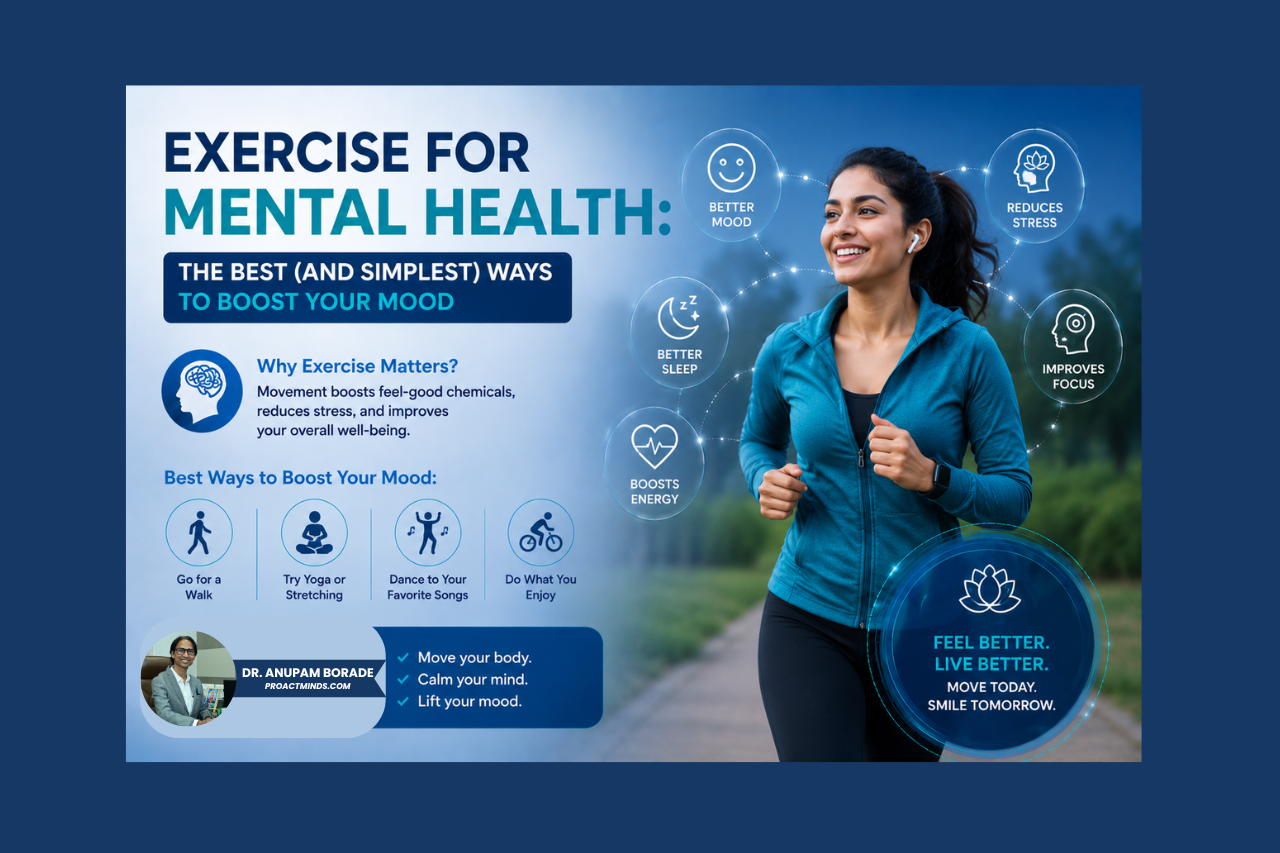
When people think about exercise, they often focus on physical fitness, weight loss, or building strength. However, one of its greatest benefits is the positive impact it has on mental well-being. Whether it’s a brisk walk, a yoga session, or a quick workout at home, regular movement can improve your mood, reduce stress, and help you feel more emotionally balanced.
Incorporating exercise for mental health into your daily routine doesn’t require expensive gym memberships or intense workouts. Even small, consistent efforts can make a significant difference. If you’ve ever wondered what is the best exercise for mental health, this guide explores effective options and explains why exercise is important for mental health.
Why Is Exercise Important for Mental Health?
Physical activity does much more than strengthen your muscles. It supports brain function, regulates emotions, and helps your body cope with everyday stress. Understanding why exercise is important for mental health can motivate you to make movement a regular part of your lifestyle.
Endorphins and Mood Regulation
Exercise stimulates the release of endorphins, often called the body’s “feel-good” chemicals. These natural mood boosters help reduce feelings of sadness and improve emotional well-being. Regular exercise for mental health also increases the production of serotonin and dopamine, which play an important role in maintaining a positive mood and emotional stability.
Cortisol Reduction and Stress Relief
Stress is a part of life, but chronic stress can negatively affect both physical and mental health. Exercise helps lower cortisol, the body’s primary stress hormone, while promoting relaxation. This is one of the biggest reasons why exercise is important for mental health, especially for individuals dealing with everyday pressure and emotional exhaustion.
Sleep and Cognitive Benefits
Quality sleep is closely linked to good mental health. Regular exercise improves sleep patterns, making it easier to fall asleep and stay asleep. It also enhances concentration, memory, and decision-making by increasing blood flow to the brain and supporting healthy cognitive function.
Mental Health Benefits of Regular Exercise
Consistent physical activity offers a wide range of emotional and psychological benefits. Even moderate movement several times a week can lead to noticeable improvements in overall well-being.
Anxiety Reduction
Exercise helps calm the nervous system by reducing physical tension and promoting relaxation. Activities like walking, swimming, cycling, and yoga can lower anxiety levels while helping individuals manage racing thoughts more effectively. This makes exercise for better mental health an important part of anxiety management.
Depression Relief
Regular physical activity has been shown to reduce symptoms of mild to moderate depression. Exercise encourages the release of mood-enhancing chemicals while providing a sense of accomplishment and routine. Combined with professional treatment when necessary, exercise for mental health can be a valuable part of recovery.
Improved Self-Esteem and Focus
Achieving fitness goals, no matter how small, can boost confidence and self-esteem. Exercise also improves attention span and mental clarity, making it easier to stay productive throughout the day. These benefits contribute to exercise for better mental health in both personal and professional life.
What Is the Best Exercise for Mental Health?
There isn’t a single answer to what is the best exercise for mental health because the ideal activity depends on your preferences, fitness level, and lifestyle. The best exercise is one you enjoy enough to continue consistently.
Aerobic Exercise vs Strength Training
Aerobic exercises such as walking, jogging, cycling, or dancing are highly effective for improving mood and reducing anxiety. Strength training also supports mental health by increasing confidence, reducing stress, and promoting better sleep. A combination of both often provides the greatest emotional benefits.
Yoga and Mind-Body Practices
Yoga combines physical movement, breathing techniques, and mindfulness, making it one of the most effective options for stress reduction. It improves flexibility while calming the mind and reducing anxiety. For many people wondering what is the best exercise for mental health, yoga offers both physical and emotional benefits.
Walking as a Low-Barrier Option
Walking is one of the simplest and most accessible forms of exercise for mental health. It requires no special equipment, can be done almost anywhere, and has been shown to reduce stress, improve mood, and increase energy levels. Even a 20 to 30-minute daily walk can make a meaningful difference.
Simple Exercises for Mental Health You Can Start Today
You don’t need complicated workout plans to experience the emotional benefits of exercise. These simple exercises for mental health are easy to include in your daily routine, regardless of your fitness level.
Beginner Walking Routine
Start with a comfortable 15 to 20-minute walk and gradually increase the duration as your fitness improves. Walking outdoors in nature can provide additional mental health benefits by reducing stress and improving emotional well-being. It’s one of the most effective simple exercises for mental health for beginners.
Stretching and Bodyweight Movements
Gentle stretching, squats, lunges, wall push-ups, and light bodyweight exercises improve circulation while reducing muscle tension caused by stress. These activities are excellent simple exercises for mental health that can be completed at home without any equipment.
Breathing-Based Movement Practices
Exercises that combine slow movement with controlled breathing, such as tai chi, yoga, or mindful stretching, help regulate the nervous system and promote relaxation. These practices are especially beneficial for people experiencing anxiety or chronic stress.
How to Use Exercise for Better Mental Health Long-Term
The greatest benefits come from consistency rather than intensity. Creating sustainable habits makes it easier to enjoy exercise for better mental health over the long term.
Building a Consistent Habit
Start with manageable goals instead of trying to exercise every day immediately. Even 20 to 30 minutes of movement several times a week can significantly improve mood and emotional resilience. Consistency is more important than perfection.
Realistic Goal-Setting
Set achievable goals that fit your lifestyle and current fitness level. Celebrating small milestones keeps you motivated and makes it easier to maintain healthy habits. Progress happens gradually, so focus on building routines rather than chasing quick results.
Habit Stacking Tips
One effective way to make exercise for better mental health part of your routine is by pairing it with existing habits. For example, take a short walk after lunch, stretch before bedtime, or practice yoga after your morning coffee. Linking exercise to daily activities increases the chances of staying consistent.
Exercise for Specific Mental Health Conditions
Different forms of exercise may benefit different mental health concerns. Choosing activities that match your needs can make your routine even more effective.
Exercise for Anxiety
Low to moderate-intensity activities such as walking, swimming, yoga, and cycling help reduce muscle tension and calm anxious thoughts. Regular movement also improves resilience to everyday stressors.
Exercise for Depression
Aerobic exercise, strength training, and group fitness activities have all shown positive effects in reducing depressive symptoms. When combined with therapy or medical treatment, exercise for mental health can support long-term emotional recovery.
Exercise for Chronic Stress
Mindful movement practices, stretching, nature walks, and breathing exercises help regulate the body’s stress response. These activities encourage relaxation while reducing the physical effects of ongoing stress.
How Much Exercise Do You Need for Mental Health Benefits?
You don’t have to spend hours exercising every day to experience emotional benefits. Small, consistent amounts of movement can still have a positive impact on mental well-being.
WHO/CDC Recommended Guidelines
Health experts recommend at least 150 minutes of moderate-intensity exercise or 75 minutes of vigorous activity each week, along with muscle-strengthening exercises on two or more days. These guidelines support both physical fitness and exercise for better mental health.
Minimum Effective Dose
Even if you can’t meet the recommended guidelines, don’t be discouraged. Research suggests that as little as 10 to 20 minutes of daily movement can improve mood, reduce stress, and increase energy levels. The key is making exercise for mental health a regular part of your routine.
Exercise is one of the simplest and most effective ways to support emotional well-being. Whether you’re exploring what is the best exercise for mental health, trying simple exercises for mental health, or learning why exercise is important for mental health, remember that every step counts. When combined with professional mental health support, regular exercise can become a powerful tool for improving resilience, reducing stress, and enhancing overall quality of life.
Frequently Asked Questions
Exercise is an excellent tool for improving mental well-being, but it should not replace professional therapy when dealing with moderate to severe mental health conditions. The best outcomes often come from combining exercise with appropriate psychological support.
Some people notice mood improvements immediately after a workout due to the release of endorphins. More lasting emotional benefits usually become noticeable after several weeks of regular exercise.
There is no single answer to what is the best exercise for mental health, but walking, jogging, cycling, yoga, swimming, and strength training have all been shown to reduce symptoms of anxiety and depression.
Yes. Walking is one of the most effective and accessible forms of exercise for mental health. A regular walking routine can reduce stress, improve mood, support better sleep, and contribute significantly to long-term mental well-being.