Introduction
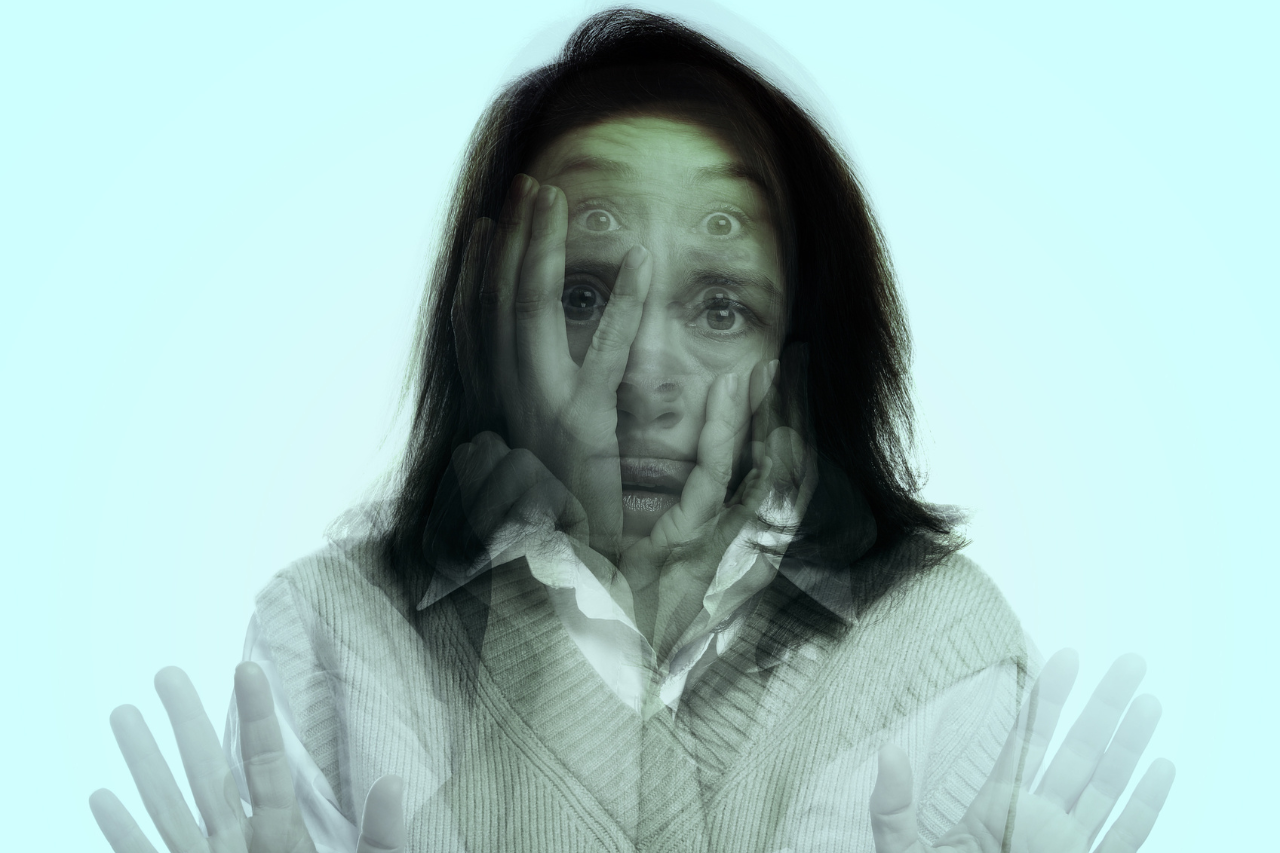
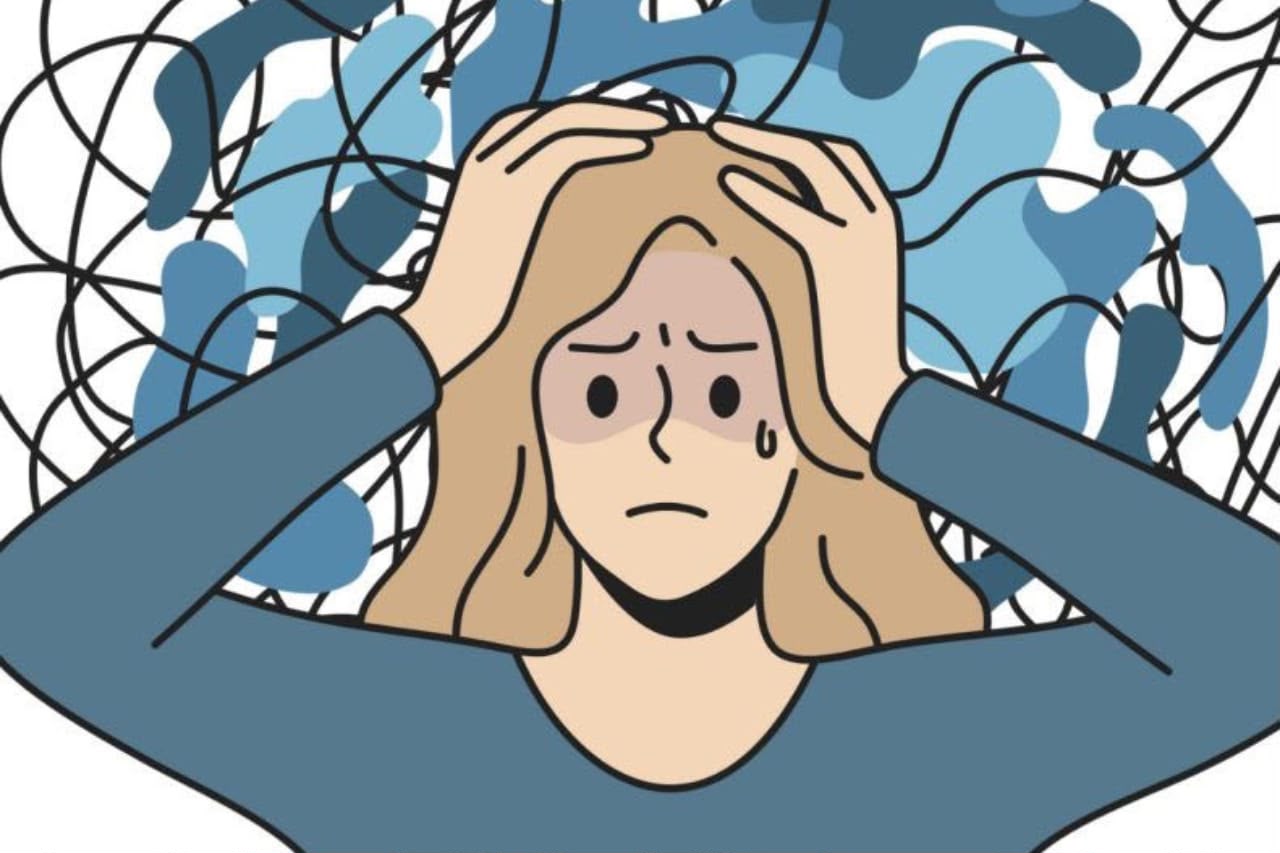
A panic attack can feel sudden, intense, and overwhelming, often making a person believe something is seriously wrong. It may begin without warning and create a powerful wave of fear, physical discomfort, and emotional distress within minutes.
Many people experiencing this for the first time often search for what happens in a panic attack because the experience can feel confusing and frightening. Understanding what is happening in your body and mind can help reduce fear and improve your response.
What Is a Panic Attack?
A panic attack is a sudden episode of intense fear or discomfort that triggers strong physical and emotional reactions, even when there is no immediate danger present. These episodes can happen unexpectedly or in response to specific triggers.
Panic attacks are commonly associated with anxiety disorders, but they can also occur during periods of high stress, emotional overwhelm, or unresolved trauma.
What Happens When You Have a Panic Attack
During a panic attack, the body activates its fight-or-flight response as though it is facing a serious threat. This causes a surge of stress hormones, rapid physical changes, and heightened alertness.
Your heart rate may increase, breathing may become shallow or fast, muscles may tense up, and your thoughts may begin racing. Because these symptoms can feel intense, many people mistakenly believe they are having a medical emergency.
What Do You Feel?
A panic attack can create a combination of physical, emotional, and mental sensations that may feel overwhelming in the moment.
- Rapid heartbeat or pounding chest
- Shortness of breath
- Dizziness or lightheadedness
- Sweating or chills
- Shaking or trembling
- Chest tightness or discomfort
- Nausea or stomach discomfort
- Sudden intense fear
- Feeling detached from reality
- Fear of losing control or fainting
Symptoms & Causes Of Panic Attack
Panic attacks can involve multiple symptoms across the body, emotions, and thought processes. They may also be triggered by a mix of psychological, biological, and environmental factors.
Common Symptoms Of Panic Attacks:
- Physical symptoms: rapid heartbeat, breathlessness, sweating, chest discomfort, dizziness, shaking, nausea
- Emotional symptoms: intense fear, helplessness, overwhelm, fear of dying or losing control
- Cognitive symptoms: racing thoughts, confusion, difficulty focusing, feeling disconnected or unreal
Common Causes Of Panic Attacks:
- Stress and anxiety disorders that keep the nervous system in a heightened state
- Genetics and family history, which may increase vulnerability to panic disorder symptoms
- Trauma and major life changes such as grief, accidents, emotional distress, or sudden transitions
Stages Of Panic Attack
Panic attacks often happen in phases, even though they may feel sudden and chaotic.
Build-Up Phase
This stage includes rising anxiety, physical discomfort, restlessness, or a growing sense that something feels “off.”
Peak Panic Phase
Symptoms become most intense during this stage, often reaching maximum discomfort within a few minutes.
Recovery Phase
The body slowly begins calming down, though exhaustion, shakiness, or emotional sensitivity may continue afterward.
What Happens In The Brain?
During a panic attack, the brain’s alarm system becomes highly activated, especially areas responsible for detecting threats and processing fear. The amygdala signals danger, even if no real threat is present, triggering the fight-or-flight response.
This is why people often wonder what happens in the brain during a panic attack. The brain releases stress hormones like adrenaline, increasing heart rate, alertness, and breathing speed to prepare the body for action.
Difference Between Anxiety And Panic Attack
Anxiety and panic attacks are often confused because they can share similar symptoms such as restlessness, rapid heartbeat, difficulty concentrating, and feelings of fear or discomfort.
However, anxiety is usually a gradual response to ongoing stress, uncertainty, or worry. It tends to build slowly over time and may remain present for hours, days, or even longer, depending on the situation or underlying cause.
A panic attack, on the other hand, is much more sudden and intense. It often appears without much warning or escalates very quickly, causing overwhelming physical and emotional symptoms within minutes.
Unlike general anxiety disorder, a panic attack can feel extremely alarming in the moment and may create sensations such as chest tightness, dizziness, breathlessness, trembling, or fear of losing control.
Common Triggers Of Panic Attacks
Panic attacks may be triggered by different internal or external factors depending on the individual.
Common triggers include:
- Chronic stress
- Sleep deprivation
- Caffeine or stimulant intake
- Crowded or overwhelming environments
- Trauma reminders
- Health anxiety
- Major life stressors or uncertainty
What To Do When You Have A Panic Attack?
If you experience a panic attack, remind yourself that although the experience feels intense, it will pass. Try focusing on slow breathing, grounding yourself in the present moment, and reducing stimulation around you.
Sit in a safe place if possible, loosen tight clothing, focus on slow exhalations, and gently bring your attention to your surroundings instead of catastrophic thoughts.
What Happens After A Panic Attack?
After a panic attack, many people feel emotionally drained, physically tired, or mentally sensitive. Your body may need time to recover from the adrenaline surge and heightened physical stress.
It is also common to feel worried about having another panic attack, which can sometimes increase anticipatory anxiety afterward.
Ways To Prevent Panic Attacks
While panic attacks cannot always be fully prevented, certain habits may help reduce frequency or intensity.
- Managing stress regularly
- Limiting caffeine or stimulants
- Improving sleep quality
- Practicing breathing exercises
- Identifying personal triggers
- Building emotional coping skills
- Seeking support early when symptoms increase
What To Do When Someone Is Having A Panic Attack?
Supporting someone during a panic attack requires patience, calmness, and reassurance. The goal is to help them feel safe and less overwhelmed until the episode begins to settle.
- Stay calm and composed so the person feels supported rather than more alarmed by your reaction.
- Offer gentle reassurance by reminding them that they are safe and the panic will pass.
- Encourage slow breathing to help regulate their breath and reduce physical discomfort gradually.
- Move to a quieter space if possible to reduce noise, crowding, or environmental overwhelm.
- Speak in a calm tone and avoid giving too many instructions at once.
- Do not dismiss their feelings by saying things like “just relax” or “it’s all in your head.”
- Stay with them if they are comfortable until they begin feeling more grounded and settled.
Lifestyle Changes
Healthy lifestyle habits can support nervous system regulation and reduce overall stress levels.
- Maintain a regular sleep routine
- Reduce caffeine intake
- Stay physically active
- Eat balanced meals
- Practice relaxation exercises
- Reduce overstimulation when needed
- Stay connected with supportive people
Professional Help
If panic attacks become frequent, distressing, or begin interfering with daily life, professional support may be beneficial. Mental health professionals can help individuals understand triggers, anxiety patterns, emotional responses, and healthier coping mechanisms.
At Proact Minds, mental health services support individuals dealing with anxiety, panic symptoms, emotional overwhelm, and related concerns through structured guidance and therapy-based approaches.
Frequently Asked Questions
During a panic attack, the body activates its fight-or-flight response, causing sudden physical symptoms like rapid heartbeat, breathlessness, dizziness, and intense fear even without immediate danger.
The brain’s fear center becomes highly activated, especially the amygdala, which signals danger and triggers stress hormones like adrenaline to prepare the body for action.
Most panic attacks peak within a few minutes and may last around 5 to 30 minutes, though emotional aftereffects can continue longer.
Yes, panic attacks can happen unexpectedly without an obvious trigger, which is one reason they often feel frightening and confusing.
Focus on slow breathing, grounding yourself in the present moment, reducing stimulation, and reminding yourself that the panic will pass.
Panic attacks are not usually physically dangerous, though they can feel very intense. Repeated episodes may still affect emotional well-being and quality of life if left unmanaged.