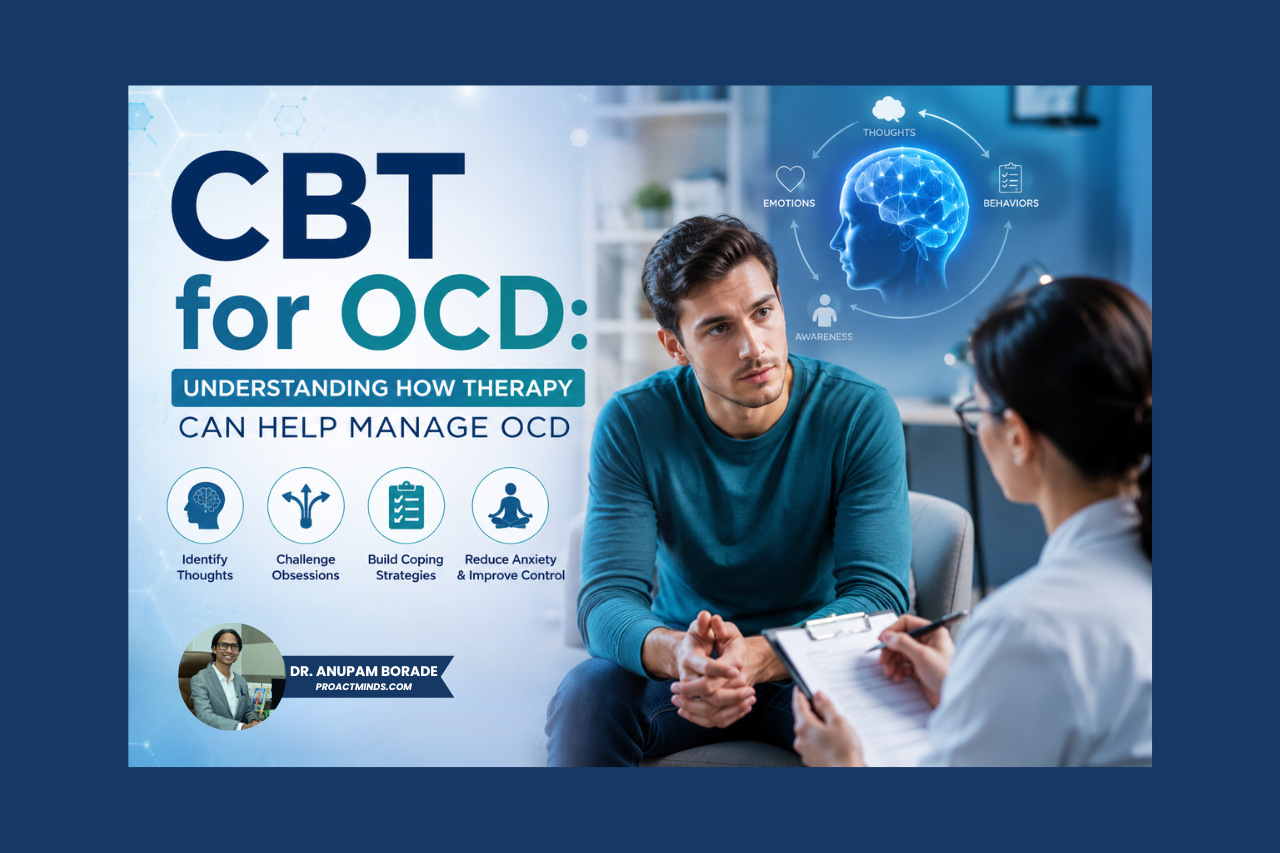
Obsessive-Compulsive Disorder (OCD) can make everyday life challenging through recurring unwanted thoughts and repetitive behaviors. These symptoms can affect relationships, work, studies, and overall well-being, often creating a cycle that feels difficult to break.
One of the most widely recognized approaches for managing OCD is CBT for OCD. This therapeutic approach helps individuals understand their thoughts, behaviors, and emotional responses while developing healthier ways to cope with distress and uncertainty.
What Is OCD?
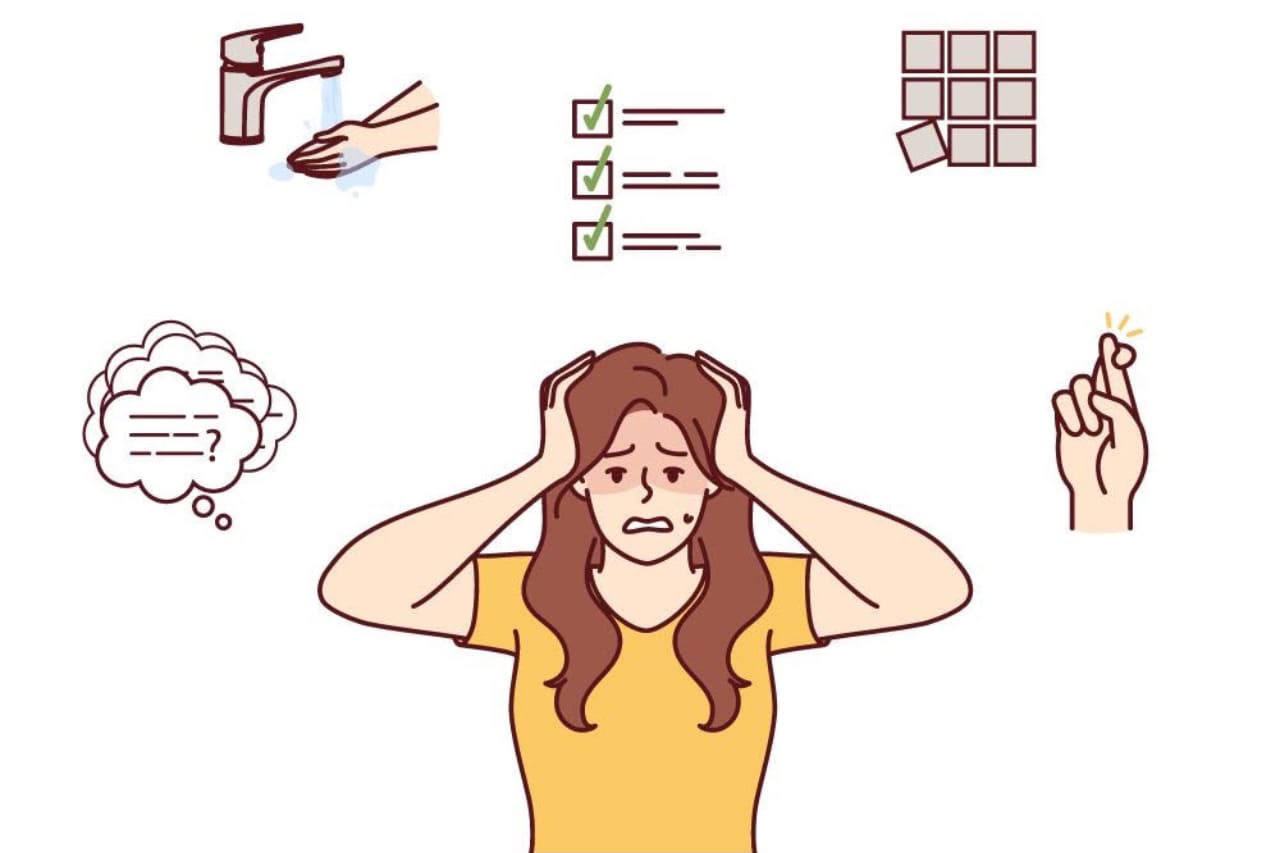
OCD is a mental health condition characterized by obsessions and compulsions. Obsessions are unwanted thoughts, images, or urges that cause anxiety, while compulsions are repetitive behaviors or mental rituals performed to reduce that anxiety.
Although compulsions may provide temporary relief, they often reinforce the cycle over time, making symptoms more difficult to manage without proper support.
How OCD Affects Daily Life
OCD can impact concentration, productivity, relationships, and emotional well-being. Individuals may spend significant time dealing with obsessive thoughts or engaging in compulsive behaviors, leaving less energy for everyday activities.
The condition can vary in severity, which is why treatment plans are often personalized to meet individual needs.
What Is CBT for OCD?
CBT for OCD refers to Cognitive Behavioral Therapy (CBT), a structured, evidence-based form of psychotherapy commonly used to help individuals understand and manage OCD symptoms.
The therapy focuses on identifying unhelpful thought patterns and behaviors while teaching practical strategies that support healthier responses to anxiety and uncertainty.
The Core Goal of CBT
The primary goal of CBT is not to eliminate every unwanted thought but to change how a person responds to those thoughts.
By learning new ways of thinking and reacting, individuals can reduce the influence OCD has on their daily lives and improve overall functioning.
Understanding Cognitive Behavioral Therapy for OCD
Cognitive behavioral therapy for OCD is based on the idea that thoughts, emotions, and behaviors are interconnected. The way a person interprets a thought can influence how they feel and what actions they take afterward.
Therapy helps individuals recognize these patterns and gradually build healthier coping mechanisms.
Identifying Unhelpful Thought Patterns
People with OCD often experience persistent doubts, fears, or intrusive thoughts. CBT helps individuals examine how they interpret these thoughts and understand how certain thinking patterns may contribute to distress.
Developing awareness is often the first step toward meaningful change.
Understanding Behavioral Responses
Many compulsive behaviors develop as attempts to reduce anxiety. CBT helps individuals recognize these responses and explore alternative ways of managing discomfort.
Over time, this can help reduce reliance on repetitive rituals or reassurance-seeking behaviors.
How CBT for OCD Works
CBT is typically a collaborative process between the individual and a trained mental health professional. Sessions focus on understanding symptoms, setting goals, and practicing strategies that can be applied in everyday situations.
Progress is often gradual and built through consistent practice over time.
Building Awareness
Therapy helps individuals become more aware of triggers, thought patterns, and behaviors associated with OCD.
This awareness can make it easier to recognize patterns and respond more intentionally rather than automatically.
Developing Coping Skills
CBT encourages the development of practical coping techniques that support emotional resilience and better symptom management.
These skills can often be applied across different situations, helping individuals feel more confident in handling challenges.
Strengthening Emotional Flexibility
Learning to tolerate uncertainty and discomfort can be an important part of managing OCD.
Over time, individuals may become more comfortable experiencing anxiety without feeling compelled to immediately respond to it.
Benefits of CBT for OCD
Many mental health professionals recommend CBT because it provides practical tools that individuals can continue using long after therapy sessions end.
The focus is not only on symptom management but also on building long-term confidence and self-awareness.
Improved Understanding of Symptoms
CBT helps individuals gain insight into how OCD operates and how symptoms affect their daily lives. This increased awareness can make it easier to recognize triggers and respond more thoughtfully to challenging situations.
Better Coping Strategies
Therapy encourages healthier ways of responding to anxiety, stress, and intrusive thoughts. Over time, these coping skills can help individuals navigate difficult emotions with greater confidence.
Increased Daily Functioning
As individuals learn new skills, they may find it easier to manage responsibilities, relationships, and personal goals. This can contribute to improved productivity and a greater sense of balance in everyday life.
Greater Sense of Control
Understanding thoughts and behaviors can help reduce feelings of helplessness and increase confidence in managing symptoms. Many individuals report feeling more empowered when they have practical tools to handle challenges effectively.
Who Can Benefit from CBT for OCD?
CBT can be beneficial for adolescents, adults, and individuals experiencing different forms of OCD symptoms.
Since OCD affects people differently, therapy is typically adapted to address each person’s specific experiences and challenges.
When to Consider Professional Support
You may consider seeking professional support if:
-
OCD symptoms interfere with daily life.
-
Anxiety feels difficult to manage independently.
-
Repetitive behaviors consume significant time.
-
Relationships, work, or studies are being affected.
-
Symptoms are causing emotional distress.
Supporting CBT with Healthy Habits
While therapy plays an important role, certain lifestyle habits can also support overall mental well-being.
Consistent Sleep
Adequate sleep supports emotional regulation and cognitive functioning. A regular sleep schedule can also help improve focus, mood, and overall resilience to daily stress.
Regular Physical Activity
Exercise can contribute to overall mental health and stress management. Physical activity may also promote a sense of well-being and help individuals feel more energized throughout the day.
Stress Reduction Techniques
Mindfulness, relaxation practices, and healthy coping strategies may help support emotional balance. Incorporating these techniques into daily life can make it easier to manage challenging situations and emotions.
Structured Daily Routines
Predictable routines can help create a sense of stability and reduce unnecessary stress. Having a consistent daily structure may also make responsibilities feel more manageable and less overwhelming.
Conclusion
CBT for OCD is one of the most widely used therapeutic approaches for helping individuals better understand and manage OCD symptoms. Rather than focusing on eliminating every intrusive thought, therapy helps people develop healthier responses to anxiety, uncertainty, and compulsive urges.
Through cognitive behavioral therapy for OCD, individuals can gain practical coping skills, improve daily functioning, and build greater confidence in managing their symptoms. With the right mental health professional support and consistent effort, meaningful progress is possible.
Frequently Asked Questions
CBT for OCD is a structured form of psychotherapy that helps individuals understand and manage obsessive thoughts and compulsive behaviors.
Cognitive behavioral therapy for OCD focuses on understanding the connection between thoughts, emotions, and behaviors while developing healthier coping strategies.
The duration varies depending on individual needs, symptom severity, and treatment goals. A mental health professional can provide guidance based on personal circumstances.
CBT is widely recognized as an evidence-based approach used to help individuals manage OCD symptoms and improve daily functioning.
CBT aims to help individuals manage symptoms effectively and improve quality of life. Experiences and outcomes can vary from person to person.
Adolescents, adults, and individuals experiencing OCD-related challenges may benefit from CBT when guided by a qualified mental health professional.