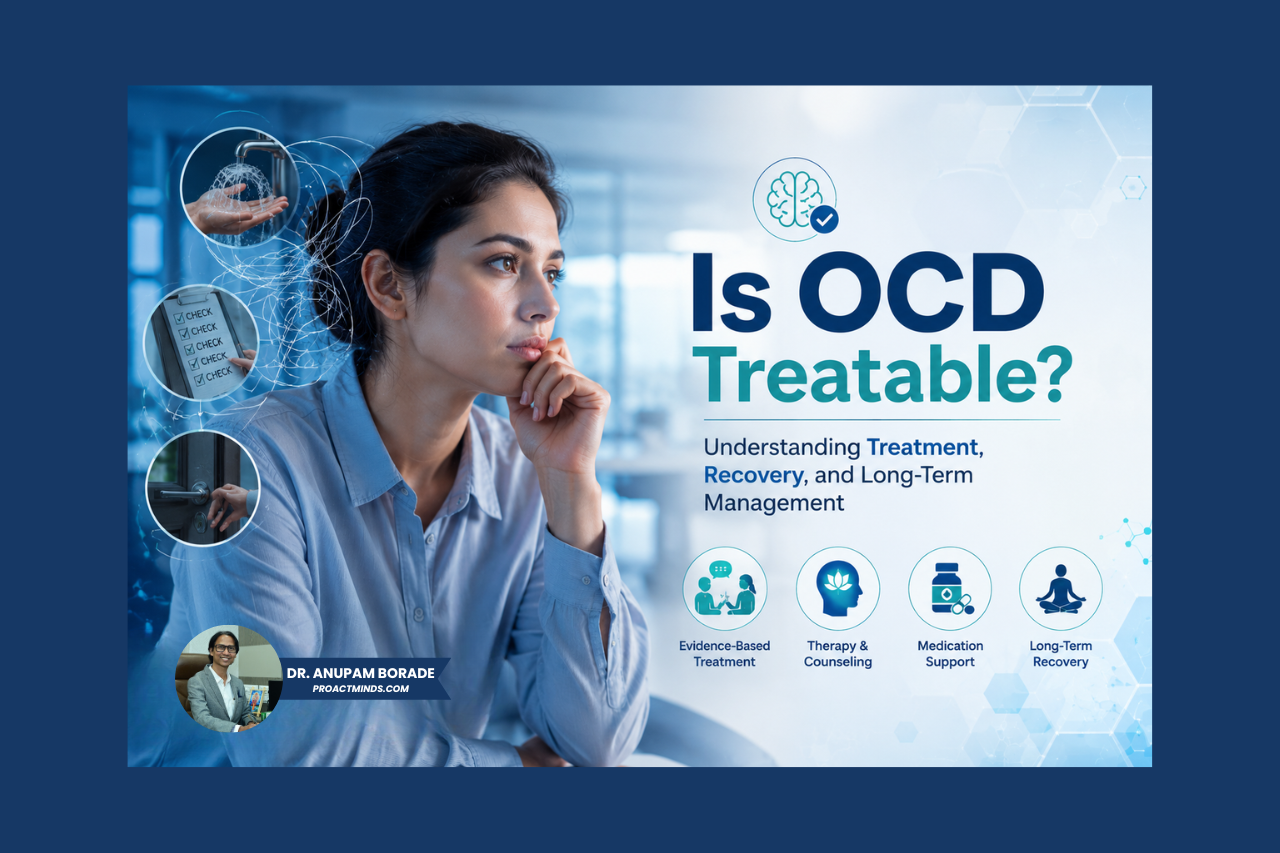
Obsessive-Compulsive Disorder (OCD) is often misunderstood as simply being overly organized or particular about things. In reality, OCD is a mental health condition that can significantly affect a person’s thoughts, emotions, and daily life.
For individuals living with OCD or supporting someone who is, one of the most common questions is: is OCD treatable? The encouraging news is that effective treatments are available, and many people experience significant improvement in their symptoms with the right support and guidance.
What Is OCD?
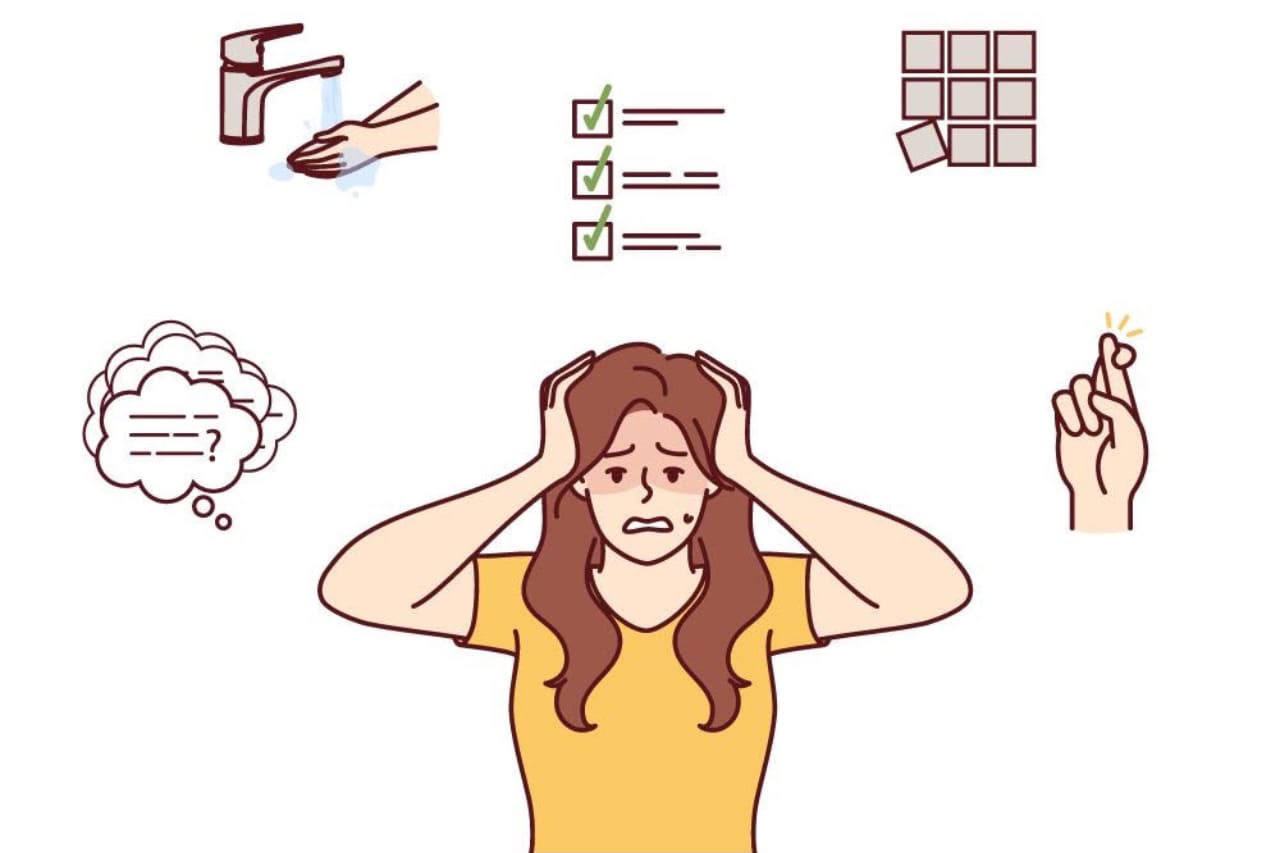
Obsessive-Compulsive Disorder (OCD) is a mental health condition characterized by recurring unwanted thoughts, images, or urges (obsessions) and repetitive behaviors or mental acts (compulsions) performed to reduce distress.
These symptoms can interfere with work, studies, relationships, and everyday activities, making professional support important when OCD begins affecting daily functioning.
Understanding Obsessions
Obsessions are persistent thoughts, fears, or urges that create anxiety or discomfort. These thoughts are often unwanted and difficult to control.
Common obsessions may involve concerns about contamination, safety, harm, perfectionism, or uncertainty.
Understanding Compulsions
Compulsions are repetitive actions or mental rituals performed in response to obsessive thoughts. Individuals often engage in these behaviors to temporarily reduce anxiety or prevent a feared outcome.
Examples can include checking, counting, repeating actions, excessive cleaning, or seeking reassurance.
Also Read: How To Stop OCD Thoughts Naturally
Is OCD Treatable?
The short answer is yes. If you’re wondering is OCD treatable, research and clinical experience consistently show that many individuals can successfully manage OCD symptoms through evidence-based treatment approaches.
While treatment experiences vary from person to person, many individuals learn effective ways to reduce the impact OCD has on their daily lives and improve their overall quality of life.
Why Early Support Matters
Seeking support early can help individuals understand their symptoms and access appropriate treatment sooner.
Early intervention may also prevent symptoms from becoming more disruptive and help people build healthy coping strategies over time.
How Is OCD Typically Treated?
OCD treatment usually focuses on helping individuals better understand their symptoms, manage anxiety, and reduce the impact of compulsive behaviors on daily life.
The exact treatment plan may vary depending on symptom severity, individual needs, and personal circumstances.
Psychological Therapies
Therapeutic approaches can help individuals identify patterns of thinking and behavior associated with OCD. These interventions often focus on building coping skills and improving emotional resilience.
Working with a qualified mental health professional can provide structured guidance and support throughout the treatment process.
Personalized Treatment Plans
OCD affects everyone differently, which is why treatment plans are often tailored to the individual’s symptoms, challenges, and goals.
Regular follow-ups can help ensure that support remains effective as needs evolve over time.
Lifestyle and Wellness Support
-
Consistent Sleep: Helps support emotional regulation and mental well-being.
-
Stress Management: Reducing stress may help prevent symptom escalation.
-
Regular Physical Activity: Supports overall mental health.
-
Structured Daily Routines: Can create stability and reduce uncertainty.
-
Mindfulness Practices: May help increase awareness of thoughts and emotions.
Can OCD Be Cured?
A common question people ask is can OCD be cured.
Currently, OCD is generally viewed as a long-term condition that can be effectively managed rather than permanently eliminated. Many individuals experience significant symptom reduction and improved functioning through treatment, but the experience can differ from person to person.
The goal of treatment is often to help individuals gain control over symptoms, reduce distress, and live fulfilling lives despite the presence of OCD-related challenges.
Recovery Looks Different for Everyone
Some people experience long periods with minimal symptoms, while others may continue to face occasional challenges.
Recovery is often measured by improved daily functioning, reduced distress, and greater confidence in managing symptoms rather than the complete absence of OCD-related thoughts.
How Long Does OCD Treatment Take?
One of the most frequent concerns after diagnosis is how long recovery might take. The answer depends on factors such as symptom severity, consistency of treatment, personal circumstances, and individual response to therapy.
Some people notice improvements within a few months, while others may benefit from longer-term support and ongoing management strategies.
Factors That Influence Progress
-
Severity of symptoms
-
How long symptoms have been present
-
Access to professional support
-
Consistency in following treatment recommendations
-
Presence of other mental health challenges
Because every person’s experience is unique, treatment timelines can vary significantly.
Challenges People May Face During Treatment
Improvement is often gradual rather than immediate. There may be periods of progress alongside temporary setbacks, which is a normal part of the recovery process.
Understanding that treatment is a journey rather than a quick fix can help individuals maintain realistic expectations and stay committed to their goals.
Building Long-Term Resilience
Developing healthy coping mechanisms, learning to manage uncertainty, and seeking support when needed can help individuals navigate challenges more effectively over time.
These skills often play an important role in maintaining progress and supporting long-term well-being.
Conclusion of OCD
When discussing the conclusion of OCD, it is important to recognize that OCD does not define a person’s life or future. While the condition can be challenging, effective treatments and support systems are available.
If you’re wondering is OCD treatable, the answer is yes. Many individuals learn to manage their symptoms successfully and regain confidence in their daily lives. Similarly, while people often ask can OCD be cured, current understanding suggests that OCD is typically managed rather than permanently cured. With the right professional guidance, coping strategies, and ongoing support, meaningful improvement is possible.
Frequently Asked Questions
Yes. OCD is treatable, and many individuals experience significant symptom improvement through professional support and evidence-based treatment approaches.
Currently, OCD is generally considered a long-term condition that can be effectively managed. Many people achieve substantial symptom reduction and improved quality of life.
Treatment timelines vary depending on symptom severity, individual circumstances, and response to treatment. Some people notice improvements within months, while others benefit from longer-term support.
Yes. OCD symptoms may fluctuate over time and can sometimes become more noticeable during periods of stress or significant life changes.
The goal is to reduce distress, improve daily functioning, and help individuals develop effective strategies for managing symptoms.
The conclusion of OCD is not that the condition disappears entirely, but that many individuals can successfully manage symptoms, improve their quality of life, and achieve their personal goals with the right support.